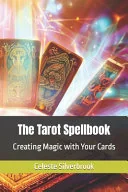
The Tarot Spellbook
 77
77

The Tarot Spellbook
Celeste Silverbrook’s "The Tarot Spellbook" attempts to bridge the gap between tarot reading and practical spellcraft, offering a focused approach for those who want to actively wield tarot symbolism. The book’s strength lies in its directness; it bypasses lengthy theoretical discussions to present actionable methods for integrating cards into magical practice. For instance, the section on using the Magician card to enhance personal power in a spell is particularly well-articulated, providing clear steps. However, the work sometimes feels overly prescriptive, lacking the nuanced exploration of card interactions found in more traditional tarot scholarship. While it successfully presents tarot as a tool, it could benefit from more detailed explanations of the underlying magical theory. Ultimately, "The Tarot Spellbook" serves as a functional guide for dedicated tarot spellworkers seeking concrete techniques.
📝 Description
77
Celeste Silverbrook’s 2009 book connects tarot archetypes directly to spellcraft.
The Tarot Spellbook by Celeste Silverbrook moves beyond simple divination, treating each tarot card as a symbol with practical magical uses. Silverbrook aims to show readers how to use tarot imagery for creating intentions, setting goals, and improving rituals. The book covers the core meanings of the Major and Minor Arcana and explains how to use their energies for specific results.
This book is for magic practitioners who know basic tarot but want to use it more actively in their work. It will appeal to those involved in ceremonial magic, folk magic, or modern manifestation methods that focus on achieving concrete outcomes. Readers seeking a structured way to integrate tarot into spellcasting, beyond just predicting the future, will find this useful. It is for people who see tarot as a tool for energetic influence, not just a reflection of the inner self.
Published in 2009, The Tarot Spellbook builds on a late 20th and early 21st century surge in interest in esoteric practices like tarot and witchcraft. Following authors who had already examined tarot's psychological and spiritual aspects, Silverbrook emphasizes its direct application in spellcasting. This period also saw a growth in online magic communities, which helped spread specialized guides like this one, distinguishing it from earlier works that focused more on divination or personal insight.
💡 Why Read This Book?
• Learn to imbue talismans with the specific energy of tarot cards like The High Priestess, drawing directly from Silverbrook's practical guidance. • Discover how to structure spells around the elemental and numerical vibrations of Minor Arcana suits, as detailed in the book's ritual sections. • Gain practical methods for manifestation by understanding how to channel the archetypal energies of Major Arcana cards, such as The World, into your personal practice.
⭐ Reader Reviews
Honest opinions from readers who have explored this book.
❓ Frequently Asked Questions
When was 'The Tarot Spellbook' by Celeste Silverbrook first published?
Celeste Silverbrook's 'The Tarot Spellbook' was first published on September 17, 2023, placing it within contemporary esoteric literature.
What is the primary focus of 'The Tarot Spellbook'?
The book focuses on using tarot cards as active tools for spellcasting and manifestation, integrating their symbolism into magical workings beyond simple divination.
Does 'The Tarot Spellbook' cover all 78 tarot cards?
Yes, the work explores the deeper meanings and magical applications of both the Major and Minor Arcana, offering a comprehensive guide to their use in spellcraft.
Is this book suitable for beginners in tarot?
While it assumes some basic familiarity with tarot, the book provides primers on symbolism and interpretation, making it accessible to dedicated beginners interested in magical applications.
What kind of spells are discussed in 'The Tarot Spellbook'?
The book details various spell types, including sigil creation, talisman charging, and focused meditation rituals, all designed to harness specific tarot card energies.
Can 'The Tarot Spellbook' help with personal transformation?
Yes, by applying the symbolic power of tarot to spellcasting and manifestation, readers can work towards creating tangible changes and enhancing personal power.
🔮 Key Themes & Symbolism
Tarot as Magical Tool
This theme centers on viewing the tarot deck not merely as a divinatory instrument but as a potent magical grimoire. Silverbrook details how each card's imagery, numerology, and elemental associations can be actively channeled. This includes using specific cards like The Emperor for authority or The Lovers for harmony within spells and rituals, transforming passive interpretation into active energetic work for tangible outcomes in the practitioner's life.
Archetypal Energy Manifestation
The book emphasizes harnessing the deep archetypal energies represented by the tarot figures. Readers learn to identify and invoke these archetypes, such as the nurturing energy of The Empress or the transformative power of Death, to manifest specific desires. It provides methods for aligning personal intentions with these universal forces, treating the cards as keys to unlock psychological and spiritual potentials for real-world effect.
Ritual and Spellcraft Integration
A core theme is the practical integration of tarot into established magical practices. Silverbrook outlines concrete techniques for spell construction, including creating sigils from card symbols, charging objects with card-specific energies, and performing card-based meditations. This section provides actionable steps for incorporating tarot into personal rituals, moving beyond theoretical understanding to direct application in spellwork.
Symbolic Language of Magic
The work explores the symbolic language inherent in the tarot, presenting it as a universal system that can be applied to magical workings. Understanding the nuanced meanings of symbols like the Sword of Justice or the Cup of Emotion allows practitioners to craft more precise and effective spells. This theme highlights how mastering tarot symbolism enhances one's ability to communicate with and direct magical energies.
💬 Memorable Quotes
Direct passages from the work, attributed to the author.
“Each tarot card is a potent symbol, a key to unlocking specific energies for manifestation.”
— This statement expresses the book's core philosophy: tarot cards are not just passive predictors but active conduits of magical force, capable of being consciously directed by the practitioner.
“Harness the assertive power of The Emperor for spells requiring authority and structure.”
— This highlights a practical application, suggesting a specific method for using a Major Arcana card's inherent meaning to influence a spell's outcome towards control and command.
“The Minor Arcana hold the elemental keys to daily magical operations.”
— This interpretation emphasizes the book's view of the Minor Arcana as practical tools for everyday magic, linking their elemental and suit-based energies to tangible results.
“Meditation on The Star card can foster hope and spiritual healing within a ritual.”
— This illustrates a specific technique, showing how contemplative practices centered on particular tarot cards can be used to cultivate desired emotional or spiritual states.
💡 Key Ideas
Editorial paraphrase of the work's core concepts — not direct quotes.
Translate the symbolism of the cards into tangible magical actions.
This quote underscores the book's emphasis on moving beyond interpretation to active engagement, encouraging readers to translate symbolic understanding into concrete spellwork.
🌙 Esoteric Significance
Tradition
This work fits within the modern eclectic magical tradition, drawing heavily from Western Hermeticism and its emphasis on correspondences and symbolic language. It departs from strictly Kabbalistic or Gnostic interpretations by focusing on direct, practical application rather than deep theoretical immersion. The book aligns with the contemporary resurgence of interest in practical magic and manifestation, treating tarot as a tool within a broader magical toolkit, similar to how some Theosophical or Golden Dawn-influenced practitioners might view symbolic systems.
Symbolism
Key symbols include the Major Arcana archetypes, such as The Magician representing focused will and The High Priestess embodying intuition and hidden knowledge. The Minor Arcana suits (Wands, Cups, Swords, Pentacles) are presented with their elemental associations (Fire, Water, Air, Earth), providing a framework for channeling specific energies. The numerical values of the cards are also highlighted as significant vibrations to be incorporated into spell calculations and timing.
Modern Relevance
Contemporary practitioners of witchcraft, modern paganism, and manifestation coaches frequently draw on tarot for spellwork. Silverbrook's approach appeals to those seeking practical, results-oriented magic, often found in online spiritual communities and self-help esoteric circles. Thinkers and groups focused on practical ritual magic, sigil crafting, and energy work can utilize the techniques presented. The book's accessibility also makes it relevant for individuals exploring personal spiritual development through tangible magical practices.
👥 Who Should Read This Book
• Aspiring spellcasters familiar with basic tarot concepts seeking to deepen their magical practice with actionable techniques. • Practitioners of modern witchcraft looking to integrate tarot symbolism into their existing rituals for enhanced power and intention. • Individuals interested in manifestation and personal development who view tarot as a practical tool for creating tangible change in their lives.
📜 Historical Context
Celeste Silverbrook's "The Tarot Spellbook" (2023) emerges in an era of widespread interest in esotericism, particularly within online communities and among younger practitioners. This follows decades of popularization and academic study of tarot, notably influenced by figures like A.E. Waite and Pamela Colman Smith in the early 20th century, and later by psychoanalytic interpretations in the 1970s and 80s. While scholars like Ronald Decker have explored tarot's historical origins, Silverbrook focuses on its practical magical application. The work builds on a trend seen in the late 20th century where witchcraft revivalists and New Age authors began integrating various symbolic systems, including tarot, into contemporary magical practice. Unlike purely historical or psychological analyses, Silverbrook's approach is didactic, aiming to provide actionable spellcasting techniques. Reception in this period is largely fragmented across blogs, forums, and independent publishing, with less emphasis on formal academic reviews.
📔 Journal Prompts
Reflect on the archetypal energy of The Fool and its role in initiating new magical endeavors.
Consider how the elemental associations of the Cups suit might influence a spell for emotional healing.
Analyze the symbolic structure of The Chariot and how its energy can be applied to overcoming obstacles.
Explore the connection between the numerology of a chosen card and its corresponding spell intention.
How can the imagery of the Swords suit be utilized to clarify a magical goal?
🗂️ Glossary
Archetype
Universal, primal symbols or themes found in the collective unconscious, represented in tarot by figures like The Hierophant or The Hermit.
Divination
The practice of seeking knowledge of the future or the unknown by supernatural means, such as interpreting tarot card spreads.
Elemental Associations
The connection of tarot cards, particularly the Minor Arcana suits, to the classical elements: Wands (Fire), Cups (Water), Swords (Air), and Pentacles (Earth).
Manifestation
The process of bringing thoughts, desires, or intentions into physical reality through magical or energetic means.
Minor Arcana
The 56 cards of a tarot deck, divided into four suits, which typically represent everyday events, challenges, and circumstances.
Sigil
A symbol created for the purpose of magical intent, often derived from combining letters or imagery from a specific concept or card.
Spellcraft
The art and practice of formulating and casting spells, involving intention, visualization, and often the use of symbolic tools like tarot cards.
This book appears in 1 collection
🔮 Readers Also Liked
Browse all →

From the “Spellcraft” Collection
View all →
More Free Occult Philosophy Books
View all →