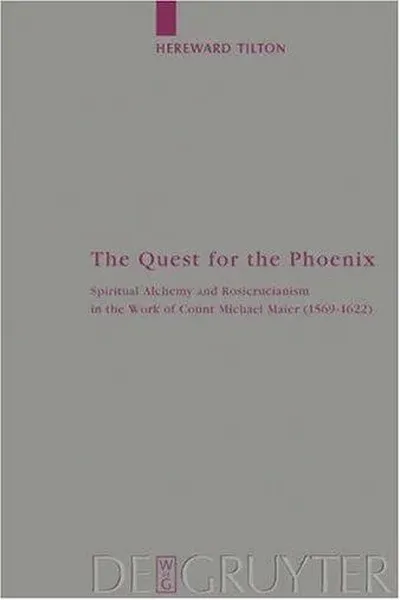
Labyrinths

 74
74

Labyrinths



Review by Sophia Crane (Associate Editor) — Labyrinths by Jorge Luis Borges is a tour de force of literary alchemy, blending speculative fiction with deep esoteric insights. Borges's mastery of language and symbolism creates a rich tapestry of narratives that explore the mysteries of the human condition. The collection is particularly strong in its examination of anachronisms and the subjective nature of reality, making it an invaluable resource for scholars and practitioners of Hermeticism. Borges's use of duodecimals and other numerical motifs adds layers of hidden meaning, inviting readers to decode the secrets embedded within the text. Labyrinths is not just a book; it is a spiritual journey that will resonate with seekers of hidden knowledge and those who appreciate the profound beauty of mystical literature.
📝 Description
74
Published in 1962, Labyrinths collects Jorge Luis Borges's most influential short fiction.
This collection by Jorge Luis Borges presents narratives that question the nature of reality and perception. Borges constructs stories where philosophical puzzles and symbolic structures take precedence over conventional plot. He frequently employs paradox and recursion to examine concepts such as infinite libraries, eternal recurrence, and the nature of time itself. The writing often mimics academic or encyclopedic styles, lending a deceptive air of objectivity to fantastical premises.
Readers encounter tales that explore dream states, the construction of mazes, and the convergence of different realities. Borges uses these literary devices to probe themes of identity, fate, and the limitations of human understanding. The stories are not straightforward narratives but rather intellectual games, inviting close reading and contemplation of their underlying logic and metaphysical implications.
Borges's work often engages with philosophical traditions that touch upon esoteric thought, particularly concerning the nature of consciousness and the universe. His exploration of infinite regression, symbolic systems, and the interconnectedness of all things echoes Gnostic ideas about hidden knowledge and the construction of reality. The labyrinth itself functions as a potent symbol, representing the complexity of existence and the search for meaning that is central to many mystical paths. His literary constructions can be seen as thought experiments that mirror the contemplative practices found in various esoteric traditions.
💡 Why Read This Book?
Why read Labyrinths? This collection is a must-read for anyone fascinated by the intersection of literature and the occult. Jorge Luis Borges's stories offer a unique blend of philosophical depth and esoteric symbolism, making them ideal for seekers of hidden knowledge, scholars of Hermeticism, and practitioners of the mystical arts. Labyrinths challenges readers to question their perceptions of reality and explore the labyrinthine paths of the human mind. It is a book that rewards repeated reading, revealing new layers of meaning with each encounter.
⭐ Reader Reviews
Honest opinions from readers who have explored this book.
❓ Frequently Asked Questions
What is the central theme of Labyrinths?
The central theme of Labyrinths is the exploration of reality and illusion, often through the lens of esoteric and mystical symbolism. Borges delves into the nature of subjective idealism and the hidden patterns that govern our world.
Who should read Labyrinths?
Labyrinths is ideal for readers interested in Hermeticism, speculative fiction, and the occult. It is particularly suited for scholars, spiritual seekers, and practitioners of the mystical arts.
What makes Labyrinths a significant work of literature?
Labyrinths is significant for its rich use of symbolism and philosophical depth. Borges's stories challenge readers to question their perceptions of reality and explore the mysteries of the human condition.
How does Borges use symbolism in Labyrinths?
Borges employs a variety of symbols, including anachronisms and numerical motifs like duodecimals, to convey hidden meanings and explore the depths of the human psyche.
Is Labyrinths suitable for beginners in esoteric studies?
While Labyrinths offers profound insights, it may be best suited for readers with some background in esoteric studies. Beginners might find the symbolism and philosophical depth challenging but rewarding.
🔮 Key Themes & Symbolism
Subjective Idealism
Borges explores the nature of reality and perception through the lens of subjective idealism. His stories challenge readers to question their assumptions about the world and the self, examining the mysteries of consciousness and existence.
Symbolism and Hidden Knowledge
Labyrinths is rich in symbolism, with Borges employing a variety of motifs to convey hidden meanings. Anachronisms, numerical patterns, and other esoteric symbols invite readers to decode the secrets embedded within the text.
The Labyrinthine Mind
The labyrinth is a central symbol in Borges's work, representing the complex and often bewildering nature of the human mind. His stories explore the twists and turns of thought and perception, inviting readers on a journey of self-discovery and spiritual enlightenment.
💡 Key Ideas
Editorial paraphrase of the work's core concepts — not direct quotes.
The universe is a secret which we cannot divine.
This line underscores Borges's exploration of the unknowable nature of reality.
The mirror and the encyclopedia revealed to me that Uqbar was one of the false countries; the other, the exact inversion, was the Hesperides, with its forty-six kings, its atlases, its lions, and its language.
This passage highlights the themes of illusion and hidden knowledge, central to Borges's mystical narratives.
In the labyrinths of life, we are all lost.
This quote emphasizes the labyrinthine nature of existence and the human struggle for meaning.
The universe is an infinite sphere whose center is everywhere and whose circumference is nowhere.
This line reflects Borges's exploration of the infinite and the unknowable, key themes in his esoteric literature.
Time is the substance from which I am made.
This quote studies the mystical concept of time as a fundamental aspect of being, inviting readers to ponder the nature of existence.
🌙 Esoteric Significance
Tradition
Labyrinths belongs to the Hermetic tradition, which emphasizes the pursuit of hidden knowledge and the exploration of the mysteries of existence. Borges's stories are rich in symbolism and philosophical depth, inviting readers to decode the secrets embedded within the text.
Symbolism
Key symbols in Labyrinths include anachronisms, numerical motifs like duodecimals, and the labyrinth itself. These symbols convey hidden meanings and explore the depths of the human psyche, challenging readers to question their perceptions of reality.
Modern Relevance
Labyrinths remains relevant today for its exploration of the mystical and the esoteric. Modern practitioners and scholars continue to study Borges's work for its insights into the nature of reality and the human condition. The collection is a valuable resource for those seeking to understand the hidden patterns that govern our world.
👥 Who Should Read This Book
Labyrinths is ideal for readers with an interest in Hermeticism, speculative fiction, and the occult. Beginners may find the symbolism and philosophical depth challenging but rewarding. Scholars and spiritual seekers will appreciate the useful insights and esoteric themes. Practitioners of the mystical arts will find Labyrinths to be a rich source of inspiration and hidden knowledge. In summary, Labyrinths is a must-read for anyone fascinated by the intersection of literature and the mystical.
📜 Historical Context
Labyrinths was published in 1962, during a time of significant cultural and intellectual ferment. The mid-20th century saw a renewed interest in esoteric and mystical traditions, as well as a fascination with the boundaries of reality and perception. Borges's work reflected these trends, blending literary innovation with deep philosophical inquiry. The collection has had a lasting influence on literature and the occult, inspiring generations of writers and seekers of hidden knowledge.
📔 Journal Prompts
How does Borges's use of symbolism challenge your perceptions of reality?
What hidden meanings have you discovered in Labyrinths?
How does the theme of subjective idealism resonate with your own experiences?
In what ways does the labyrinth symbolize the complexities of the human mind?
How has reading Labyrinths deepened your understanding of esoteric traditions?
🗂️ Glossary
Anachronism
A chronological inconsistency or misplacement of persons, events, objects, or customs in a particular time period.
Subjective Idealism
A philosophical theory that asserts the ultimate reality of the mind and its objects, emphasizing the subjective nature of perception.
Duodecimals
A numerical system based on the number twelve, often used in esoteric symbolism to convey hidden meanings.
Hermeticism
An esoteric tradition based on the writings attributed to Hermes Trismegistus, emphasizing the pursuit of hidden knowledge and spiritual enlightenment.
Labyrinth
A complex and intricate structure, often used symbolically to represent the complexities of the human mind and the mysteries of existence.
This book appears in 3 collections
🔮 Readers Also Liked
Browse all →![The Widow Ching Pirate [5 stories]](/img/thumb/the-widow-ching-pirate-5-stories-jorge-luis-borges.webp)








More by Jorge Luis Borges
All books →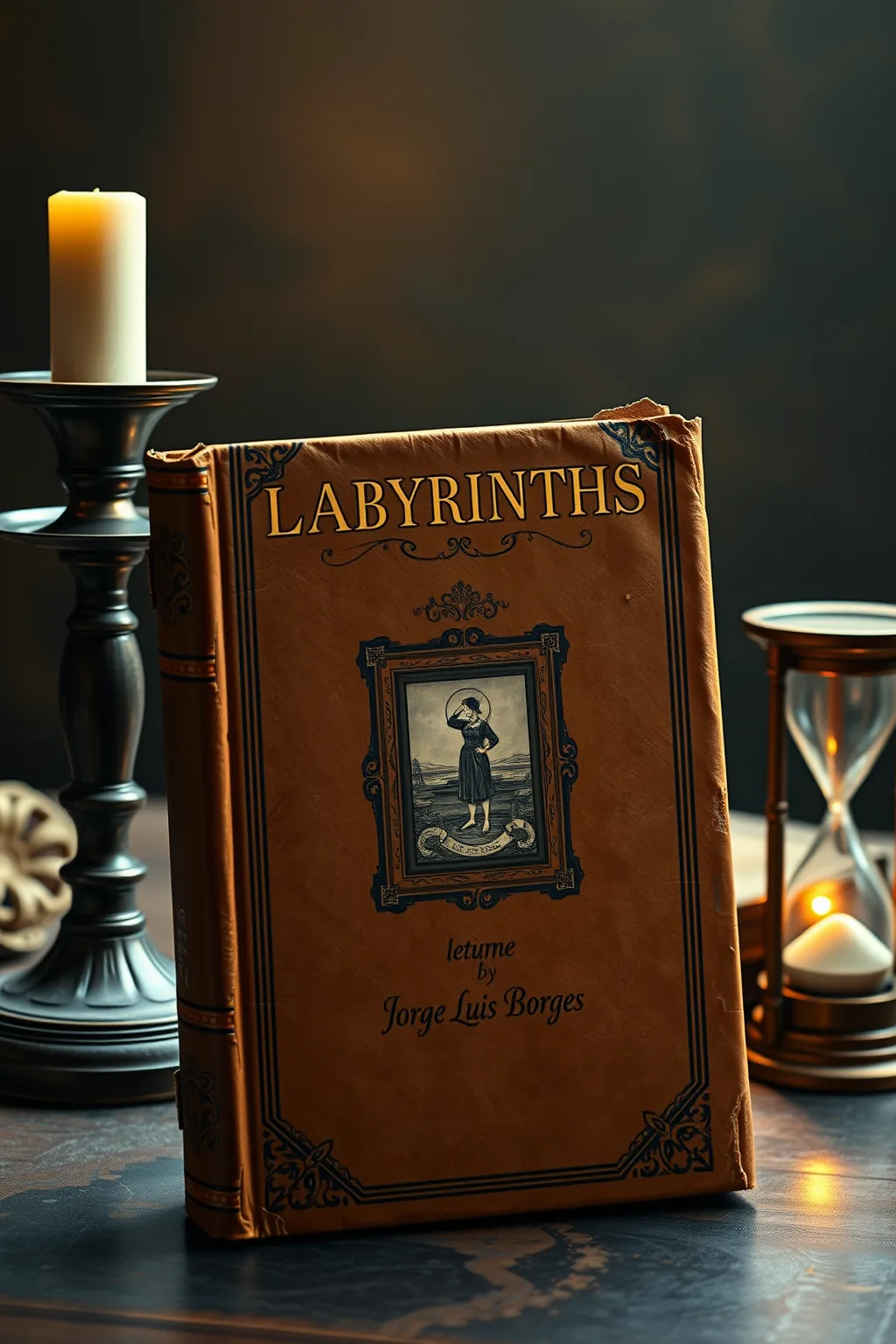

From the “Hermeticism” Collection
View all →








More Free Alchemy & Hermeticism Books
View all →