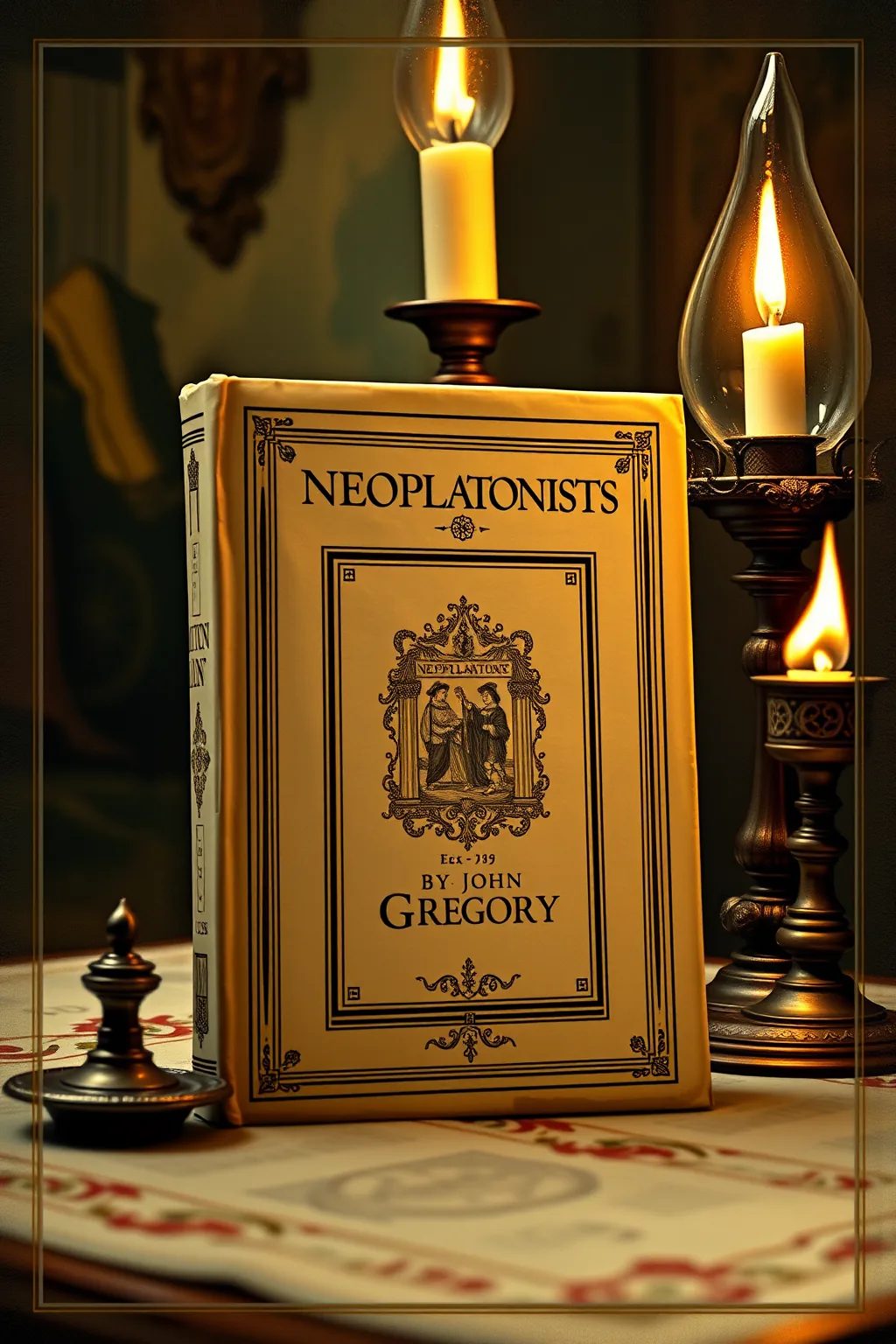
Neoplatonists
 62
62

Neoplatonists



Review by Cassian Rothmann (Senior Critic, Ancient Wisdom) — John Gregory's 'Neoplatonists' stands as a monumental work in the realm of esoteric literature. The book's esoteric insights are both profound and accessible, making it a valuable resource for those delving into the mysteries of Neoplatonism. Gregory's strengths lie in his ability to bridge the gap between ancient philosophies and contemporary thought, offering readers a fresh perspective on timeless themes. This book is an essential read for anyone seeking to deepen their understanding of the mystical traditions that have shaped Western thought.
📝 Description
62
John Gregory's 'Neoplatonists' examines the philosophical system that influenced Western thought for over a thousand years.
Published in 1957, John Gregory's 'Neoplatonists' aims to illuminate the core tenets of this philosophical tradition. The book discusses Plotinus, the movement's most significant figure, and his ideas on the One, the Intellect, and the Soul. Gregory also examines the influence of Plato's thought and how it was reinterpreted by later thinkers.
The author traces the development of Neoplatonism through figures like Porphyry and Iamblichus, showing how their interpretations shifted the focus of the philosophy. He connects these ideas to mystical practices and the pursuit of spiritual knowledge, suggesting a practical dimension to the abstract concepts. The work is structured to guide readers through the complex arguments and the historical context in which they arose.
Neoplatonism stands as a major current in esoteric philosophy, drawing from Plato but developing a hierarchical cosmology and mystical theology. Its emphasis on ascent to the divine through intellectual and spiritual discipline made it a vital source for later mystical traditions, including Hermeticism, Gnosticism, and certain strains of Christian, Jewish, and Islamic mysticism. Gregory's work places this tradition within that lineage, highlighting its role as a bridge between ancient philosophy and later esoteric movements.
💡 Why Read This Book?
Read 'Neoplatonists' to uncover the hidden layers of reality and the self. Ideal for seekers of spiritual truth, scholars of ancient philosophy, and practitioners of esoteric arts, this book offers a comprehensive exploration of Neoplatonic thought. Dive into the symbolism and wisdom that have inspired generations of mystics and philosophers, and discover the enduring relevance of Neoplatonism in today's world.
⭐ Reader Reviews
Honest opinions from readers who have explored this book.
❓ Frequently Asked Questions
What is the primary focus of 'Neoplatonists'?
The primary focus is the exploration of Neoplatonic philosophy, its mystical themes, and its impact on esoteric traditions.
Who is the intended audience for this book?
The book is intended for spiritual seekers, scholars of philosophy, and practitioners of esoteric arts.
How does 'Neoplatonists' differ from other works on Neoplatonism?
'Neoplatonists' stands out for its accessible yet profound exploration of Neoplatonic thought, making complex ideas approachable for a wide audience.
What are some key themes in 'Neoplatonists'?
Key themes include the nature of the soul, the hierarchy of being, and the symbolic language of the universe.
Is 'Neoplatonists' suitable for beginners in esoteric studies?
Yes, the book is designed to be accessible for beginners while also offering deep insights for more experienced readers.
🔮 Key Themes & Symbolism
The Nature of the Soul
Neoplatonism looks at the mystical aspects of the soul, exploring its divine origins and its journey towards enlightenment. This theme is central to understanding the esoteric teachings of Neoplatonism, as it provides a framework for spiritual growth and self-discovery.
The Hierarchy of Being
The concept of the hierarchy of being is crucial in Neoplatonic thought, illustrating the levels of existence from the divine to the material. This theme helps readers grasp the interconnectedness of all things and the path to spiritual ascension.
Symbolic Language of the Universe
Neoplatonism uses symbols to convey profound truths about the universe and the self. This theme is essential for understanding the esoteric language that permeates Neoplatonic writings and for deciphering the hidden knowledge they contain.
💡 Key Ideas
Editorial paraphrase of the work's core concepts — not direct quotes.
The soul's journey is a path of light and shadow, leading to the divine.
This quote captures the Neoplatonic view of spiritual growth as a process of enlightenment and self-discovery.
In the hierarchy of being, all things are connected.
This line highlights the interconnectedness of existence, a key concept in Neoplatonic philosophy.
Symbols are the language of the soul, speaking truths that words cannot express.
This quote emphasizes the importance of symbolic language in conveying esoteric knowledge.
The divine spark within us seeks to return to its source.
This passage underscores the Neoplatonic belief in the soul's divine origins and its journey towards union with the divine.
The universe is a collection of symbols, waiting to be deciphered.
This quote illustrates the Neoplatonic view of the universe as a complex web of symbols and meanings.
🌙 Esoteric Significance
Tradition
'Neoplatonists' belongs to the Hermetic tradition, which emphasizes the pursuit of hidden knowledge and spiritual enlightenment. This tradition has roots in ancient Greek philosophy and has influenced various esoteric movements throughout history.
Symbolism
Key symbols in 'Neoplatonists' include the hierarchy of being, the divine spark within the soul, and the symbolic language of the universe. These symbols are used to convey profound truths about the nature of reality and the self.
Modern Relevance
The insights offered in 'Neoplatonists' remain relevant today, as modern practitioners of esoteric arts and spiritual seekers continue to draw upon Neoplatonic thought. The book's exploration of the soul and the universe provides a framework for spiritual growth and self-discovery in contemporary times.
👥 Who Should Read This Book
Beginners in esoteric studies will find 'Neoplatonists' an accessible and enlightening introduction to Neoplatonic thought. Scholars of philosophy and ancient wisdom will appreciate the book's clear insights and historical context. Spiritual seekers will benefit from the mystical themes and symbolic language explored within its pages. Practitioners of esoteric arts will discover new dimensions of their practice through the book's exploration of hidden knowledge and spiritual enlightenment.
📜 Historical Context
Written during a time of intellectual and spiritual ferment, 'Neoplatonists' by John Gregory emerged as a central work in the study of Neoplatonic philosophy. The era saw a renewed interest in ancient wisdom and esoteric traditions, making Gregory's exploration of Neoplatonism particularly relevant. The book's influence can be seen in the works of later mystics and philosophers, who drew upon its insights to deepen their understanding of the mystical and esoteric traditions.
📔 Journal Prompts
Reflect on the nature of the soul as described in 'Neoplatonists'. How does this understanding resonate with your own spiritual journey?
Explore the concept of the hierarchy of being. How does this idea influence your view of the universe and your place within it?
Consider the symbolic language of the universe. What symbols speak to you personally, and what truths do they convey?
Write about the divine spark within you. How does this concept inspire you to seek spiritual enlightenment?
Reflect on the interconnectedness of all things. How does this understanding shape your interactions with the world around you?
🗂️ Glossary
Neoplatonism
A philosophical tradition that builds upon the teachings of Plato, emphasizing the mystical and esoteric aspects of reality.
Hierarchy of Being
The concept of different levels of existence, ranging from the divine to the material, in Neoplatonic thought.
Symbolic Language
The use of symbols to convey profound truths about the universe and the self in esoteric traditions.
Divine Spark
The idea that the soul has a divine origin and seeks to return to its source in Neoplatonic philosophy.
Esoteric Knowledge
Hidden or secret knowledge that is revealed to those who seek spiritual enlightenment and self-discovery.
This book appears in 3 collections
🔮 Readers Also Liked
Browse all →







More by John Gregory
All books →


From the “Neoplatonism” Collection
View all →








More Free Alchemy & Hermeticism Books
View all →