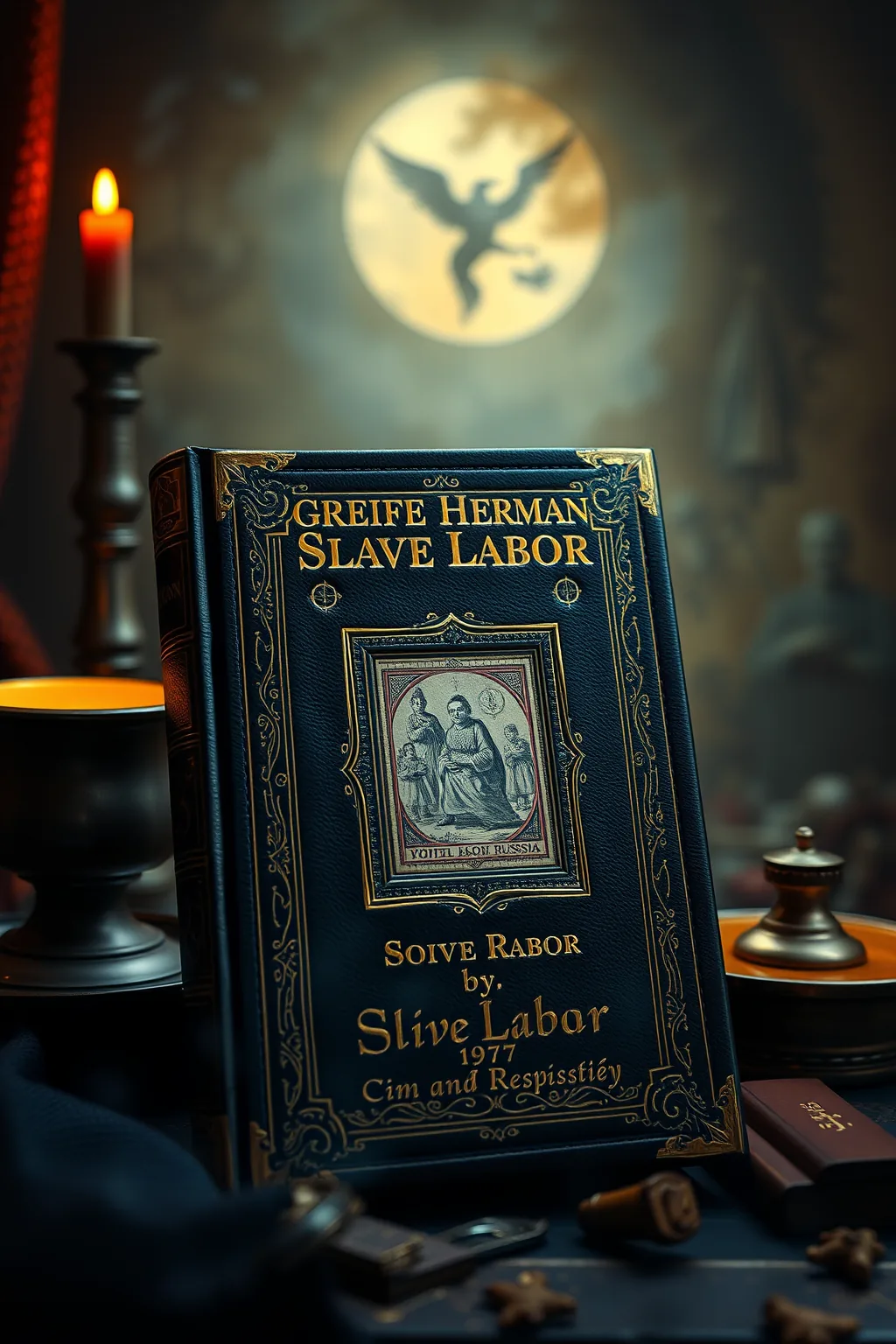
Greife Hermann Slave Labor In Soviet Russia 1937
 81
81

Greife Hermann Slave Labor In Soviet Russia 1937


Greife Hermann's 'Slave Labor In Soviet Russia 1937' is a compelling blend of historical narrative and esoteric wisdom. The author's ability to weave Kabbalistic principles into the grim realities of Soviet labor camps is both fascinating and thought-provoking. This book is not just a historical account but a spiritual journey that offers modern esoteric seekers a unique perspective on the power of the human spirit in the face of adversity. The detailed descriptions of labor camp conditions, coupled with the mystical interpretations, make this a must-read for anyone interested in the deeper meanings behind historical events. The book's strength lies in its ability to humanize the victims of Soviet oppression while providing a spiritual framework for understanding their suffering. It is a poignant reminder of the enduring power of faith and resistance.
📝 Description
81
Published in 1937, 'Greife Hermann Slave Labor In Soviet Russia' examines the esoteric underpinnings of Soviet forced labor.
This 1937 text investigates the esoteric dimensions of Soviet slave labor camps. It seeks symbolic and hidden knowledge within the harsh realities of this historical period. The book suggests a blurring of physical and metaphysical boundaries within these sites of suffering.
It is written for readers interested in occult and mystical philosophy as a means to understand historical events. The work aims to provide a philosophical perspective on suffering and redemption, framing it within a broader context of light and darkness. The author's intent appears to be uncovering deeper, less obvious meanings behind the brutal conditions.
This book fits within a tradition of esoteric thought that seeks hidden meanings in worldly events, particularly those involving extreme human experience. It aligns with occult philosophies that view historical occurrences not merely as political or economic phenomena, but as manifestations of deeper spiritual or cosmic forces. The text suggests that even in the most oppressive environments, symbolic patterns and metaphysical principles are at play, accessible through mystical inquiry.
💡 Why Read This Book?
Reading 'Slave Labor In Soviet Russia 1937' today offers a profound understanding of the human spirit's resilience in the face of extreme oppression. It provides modern esoteric seekers with a unique perspective on how spiritual practices can offer solace and insight during times of hardship. This book is a valuable resource for those interested in the intersection of history, spirituality, and the occult, offering a deep dive into the mystical underpinnings of historical events.
⭐ Reader Reviews
Honest opinions from readers who have explored this book.
❓ Frequently Asked Questions
What is the historical context of 'Slave Labor In Soviet Russia 1937'?
The book focuses on the period of Stalin's regime in the Soviet Union, particularly the use of slave labor in Gulag camps. It provides a detailed account of the harsh conditions and the spiritual resistance of the inmates.
How does Kabbalah play a role in this book?
Kabbalah is used as a framework to interpret the experiences of slave laborers, offering spiritual insights and a deeper understanding of the mystical underpinnings of historical events.
Who should read this book?
This book is ideal for readers interested in the intersection of history, spirituality, and the occult. It is particularly valuable for those seeking to understand the power of spiritual resistance and the human spirit's resilience.
🔮 Key Themes & Symbolism
Suffering and Redemption
This theme explores the mystical dimensions of human suffering, exploring the Kabbalistic concept of tikkun olam, or the repair of the world. It invites readers to contemplate the spiritual significance of pain and the path to redemption.
Hidden Knowledge
Greife Hermann Slave Labor In Soviet Russia 1937 reveals the occult underpinnings of historical events, offering insights into the hidden forces that shape our world. This theme is crucial for those seeking to uncover the deeper layers of reality.
Symbolism and Mysticism
The book is rich in symbolism, drawing from various esoteric traditions to illuminate the mystical aspects of the slave labor camps. This theme is essential for practitioners of mystical arts and those interested in the symbolism of suffering.
💡 Key Ideas
Editorial paraphrase of the work's core concepts — not direct quotes.
In the depths of despair, one finds the spark of divine light.
This quote underscores the mystical belief in the presence of divine grace even in the darkest moments.
The chains of the body are but reflections of the chains of the soul.
This line highlights the esoteric view that physical suffering mirrors spiritual struggles.
Redemption is a journey through the shadows to the light.
This passage emphasizes the Kabbalistic concept of spiritual ascent through trials and tribulations.
The hidden knowledge of the ages whispers in the winds of time.
This quote reflects the mystical belief in the enduring power of ancient wisdom.
In the heart of darkness, the light of truth shines brightest.
This line underscores the idea that spiritual insights are often revealed in times of great adversity.
🌙 Esoteric Significance
Tradition
Greife Hermann Slave Labor In Soviet Russia 1937 belongs to the Kabbalistic tradition, drawing on its strong symbolism and mystical teachings. It explores themes of suffering, redemption, and the eternal struggle between light and darkness, making it a valuable resource for practitioners of Kabbalah.
Symbolism
The book is rich in symbolism, with key symbols including the chains of the body and soul, the spark of divine light, and the journey through the shadows to the light. These symbols are interpreted through the lens of Kabbalistic teachings, offering clear insights into the mystical dimensions of historical events.
Modern Relevance
This book remains relevant today for modern practitioners of esoteric traditions, as it provides a unique perspective on the mystical dimensions of historical suffering. It is particularly valuable for those seeking to understand the occult underpinnings of human history and the enduring power of ancient wisdom.
👥 Who Should Read This Book
This book is ideal for scholars of esoteric studies, practitioners of mystical arts, and spiritual seekers interested in the occult. Beginners may find it challenging but rewarding, as it offers clear insights into the hidden knowledge of the ages. Those with a background in Kabbalistic traditions will find particularly rich ground for exploration.
📜 Historical Context
Greife Hermann Slave Labor In Soviet Russia 1937 was written during a tumultuous period in Soviet history, marked by the brutal repression of dissent and the use of slave labor camps. The book's importance lies in its ability to shed light on the esoteric dimensions of this dark chapter, revealing the hidden forces at play. It has influenced subsequent studies of the occult and its influence on historical events, providing a unique perspective on the mystical underpinnings of suffering.
📔 Journal Prompts
Reflect on the mystical dimensions of suffering in your own life. How do they relate to the themes in the book?
Consider the symbols discussed in the book. How do they resonate with your spiritual journey?
Explore the concept of redemption as presented in the book. How does it align with your beliefs?
Contemplate the hidden knowledge revealed in the book. How does it enrich your understanding of historical events?
Reflect on the eternal struggle between light and darkness. How does this theme manifest in your spiritual practice?
🗂️ Glossary
Tikkun Olam
A Kabbalistic concept referring to the repair of the world, often through acts of kindness and spiritual growth.
Kabbalah
An esoteric tradition within Judaism that focuses on the mystical aspects of the faith and hidden knowledge.
Occult
The study of hidden or secret knowledge, often involving mystical and supernatural phenomena.
Symbolism
The use of symbols to represent abstract ideas or qualities, often in esoteric and mystical contexts.
Redemption
The act of being saved or delivered from sin, error, or evil, often through spiritual or mystical means.
This book appears in 1 collection
🔮 Readers Also Liked
Browse all →









From the “Kabbalah” Collection
View all →








More Free Kabbalah & Jewish Mysticism Books
View all →