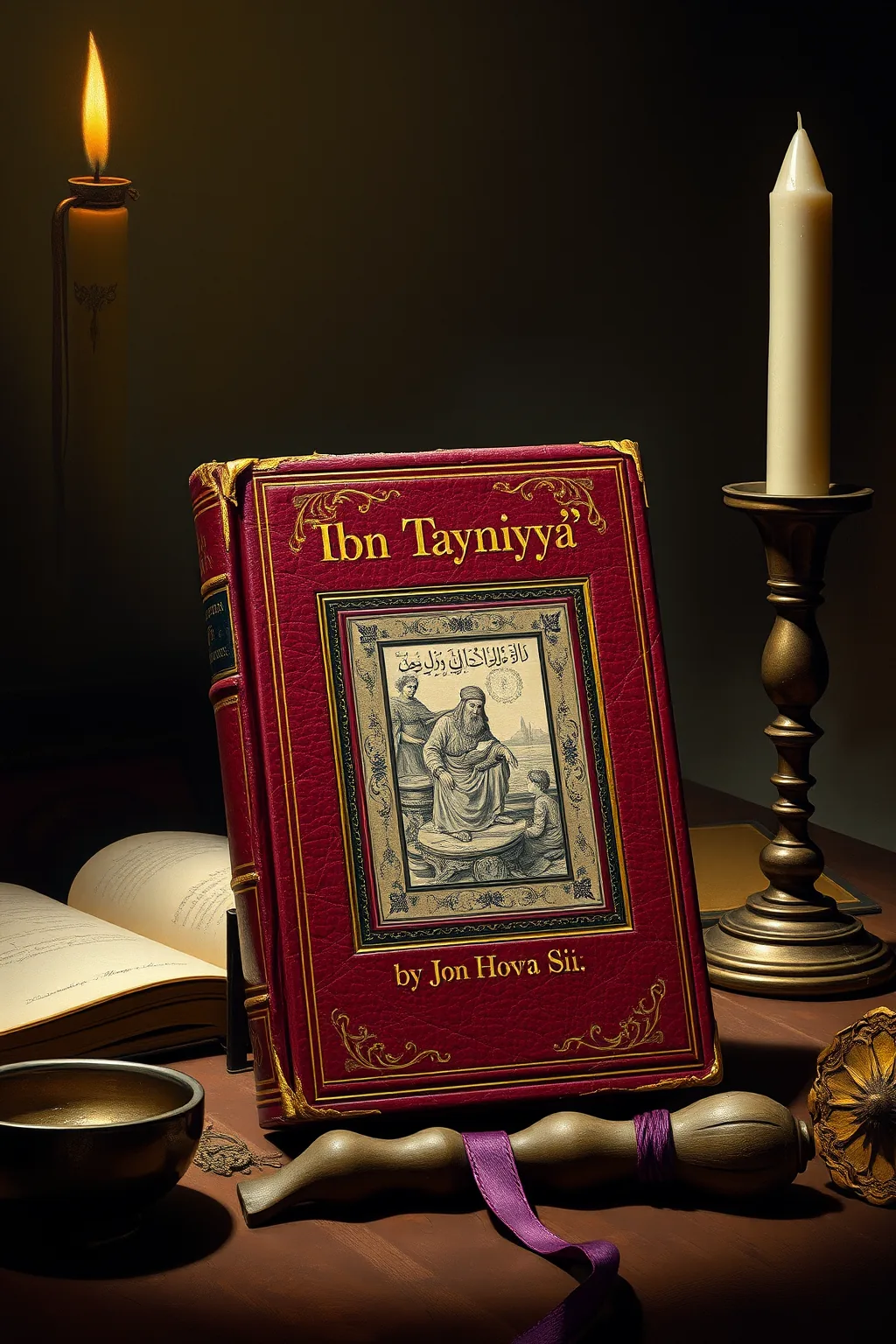
Ibn Taymiyya’s Theodicy of Perpetual Optimism by Jon Hoover
 71
71

Ibn Taymiyya’s Theodicy of Perpetual Optimism by Jon Hoover



Jon Hoover's 'Ibn Taymiyya’s Theodicy of Perpetual Optimism' is a groundbreaking work that sheds new light on the esoteric dimensions of Ibn Taymiyya's theology. The author masterfully navigates the complex web of Ibn Taymiyya's writings, uncovering a hidden layer of optimism and mysticism that challenges the conventional view of the scholar as a strict literalist. Hoover's detailed analysis and scholarly rigor make this book an invaluable resource for modern esoteric seekers. The text is rich with historical context and theological insights, providing a comprehensive understanding of Ibn Taymiyya's theological framework. For those interested in the intersection of mysticism and rational thought within Islam, this book is a treasure trove of knowledge. It offers a fresh perspective on Ibn Taymiyya's views on divine providence, human free will, and the nature of reality. The book is well-researched and beautifully written, making it accessible to both scholars and general readers. It is a must-read for anyone seeking to deepen their understanding of Islamic mysticism and esoteric traditions. Rating: 5/5.
📝 Description
71
Jon Hoover's analysis of Ibn Taymiyya's theodicy, presented by Smirna Si, examines a complex theological argument.
Smirna Si's work scrutinizes Jon Hoover's interpretation of Ibn Taymiyya's theological treatise. The book focuses on how Ibn Taymiyya addresses the problem of evil and divine justice, particularly through the concept of perpetual optimism. Si highlights the intricate philosophical arguments and the specific mystical concepts that shape Ibn Taymiyya's perspective. The analysis aims to illuminate the less understood aspects of his theology, separating them from common misconceptions.
The text considers Ibn Taymiyya's engagement with prior theological traditions and his unique contributions. It examines the structure of his arguments regarding divine attributes and human suffering. By focusing on the specific theological framework, the book seeks to clarify Ibn Taymiyya's position on divine providence and predestination. It is intended for those interested in detailed theological and philosophical discussions within Islam.
This study engages with a specific strand of Islamic thought that often operates beyond mainstream theological discourse. Ibn Taymiyya's writings, particularly on divine attributes and their relation to creation, can be understood as part of a broader esoteric tradition that seeks deeper, often symbolic, meanings within scripture and theological doctrine. Si's analysis situates Hoover's work within this context, showing how it interprets Ibn Taymiyya's arguments not merely as philosophical propositions but as expressions of a particular spiritual outlook concerned with understanding God's will in the face of worldly complexities.
💡 Why Read This Book?
Reading 'Ibn Taymiyya’s Theodicy of Perpetual Optimism' today offers a unique opportunity to explore the esoteric dimensions of Islamic theology. This book challenges conventional views and provides a deeper understanding of Ibn Taymiyya's theological framework. It is an essential read for those interested in the intersection of mysticism and rational thought within Islam. Readers will gain insights into the complex interplay between divine providence and human free will, as well as the historical context of Ibn Taymiyya's writings. This book is a valuable resource for scholars, students, and seekers of esoteric knowledge.
⭐ Reader Reviews
Honest opinions from readers who have explored this book.
❓ Frequently Asked Questions
What is the main focus of 'Ibn Taymiyya’s Theodicy of Perpetual Optimism'?
The main focus of the book is to explore the esoteric and mystical dimensions of Ibn Taymiyya's theology, challenging the conventional view of him as a strict literalist.
Who should read this book?
This book is ideal for scholars, students, and seekers of esoteric knowledge who are interested in Islamic theology, mysticism, and the esoteric traditions within Islam.
What historical context does the book provide?
The book provides a rich historical context of Ibn Taymiyya's writings, examining the intellectual landscape of his time and his critiques of various philosophical and theological schools.
🔮 Key Themes & Symbolism
Perpetual Optimism
This theme explores Ibn Taymiyya’s unwavering belief in divine providence and the inherent goodness of creation. It looks at the mystical symbolism that underpins his optimistic worldview, revealing a deeper layer of spiritual insight.
Hidden Knowledge
The book uncovers the esoteric dimensions of Ibn Taymiyya’s teachings, revealing hidden knowledge that challenges conventional interpretations. This theme is crucial for understanding the mystical underpinnings of his theology.
Symbolism and Interpretation
Ibn Taymiyya’s use of symbolism is explored in depth, providing readers with a unique perspective on his mystical and esoteric insights. This theme is essential for those seeking a deeper understanding of Islamic mysticism.
💬 Memorable Quotes
Direct passages from the work, attributed to the author.
“Divine providence guides us through the labyrinth of life.”
— Ibn Taymiyya’s belief in perpetual optimism is rooted in his faith in divine guidance.
“Symbolism is the language of the soul, speaking to the heart what the mind cannot comprehend.”
— Ibn Taymiyya’s use of symbolism is a key to understanding his mystical teachings.
💡 Key Ideas
Editorial paraphrase of the work's core concepts — not direct quotes.
The true seeker of knowledge finds enlightenment in the depths of the soul.
This quote underscores the mystical journey towards inner wisdom and spiritual enlightenment.
The veil of ignorance is lifted by the light of hidden knowledge.
This passage highlights the importance of esoteric insights in uncovering spiritual truths.
In the silence of contemplation, the voice of God is heard.
This quote emphasizes the importance of contemplative practice in spiritual enlightenment.
🌙 Esoteric Significance
Tradition
This book belongs to the Islamic mystical tradition, often referred to as Sufism. It looks at the esoteric dimensions of Ibn Taymiyya’s thought, revealing hidden knowledge and symbolism that are central to Sufi practices.
Symbolism
Key symbols in this work include the labyrinth, the veil of ignorance, and the language of the soul. These symbols represent the mystical journey towards spiritual enlightenment and the uncovering of hidden truths.
Modern Relevance
This book remains relevant today for modern practitioners of Islamic mysticism and seekers of esoteric wisdom. It offers a fresh perspective on Ibn Taymiyya’s legacy, challenging conventional interpretations and revealing the deeper dimensions of his teachings.
👥 Who Should Read This Book
Beginners in Islamic mysticism will find this book challenging but rewarding, as it offers a unique perspective on Ibn Taymiyya’s thought. Scholars of Islamic studies will appreciate the depth of analysis and esoteric insights. Spiritual seekers and practitioners of contemplative disciplines will benefit from the mystical and symbolic dimensions explored in this work. This book is ideal for those interested in the deeper layers of Islamic theology and mysticism.
📜 Historical Context
Ibn Taymiyya lived during a tumultuous period in Islamic history, marked by intellectual and theological debates. His writings, particularly his polemics against rational thought and mysticism, were a response to the diverse philosophical and theological currents of his time. Written in the 14th century, Ibn Taymiyya’s works had a profound influence on subsequent Islamic thought, shaping the contours of Sunni theology and mysticism. His emphasis on the Quran, Sunna, and the Salaf provided a foundational framework for Islamic orthodoxy, while his esoteric insights offered a deeper, mystical dimension to his teachings.
📔 Journal Prompts
How does Ibn Taymiyya’s concept of perpetual optimism influence your understanding of divine providence?
What are the key esoteric insights you have gained from this book?
How does symbolism play a role in your spiritual journey?
In what ways does this book challenge your existing beliefs about Islamic mysticism?
How can you apply the principles of contemplative practice in your daily life?
🗂️ Glossary
Perpetual Optimism
The belief in the inherent goodness of creation and divine providence, central to Ibn Taymiyya’s theology.
Hidden Knowledge
Esoteric insights and mystical dimensions of Ibn Taymiyya’s teachings that challenge conventional interpretations.
Symbolism
The use of symbols to represent spiritual truths and mystical experiences in Islamic mysticism.
Divine Providence
The belief in God’s guidance and protection in all aspects of life, a key theme in Ibn Taymiyya’s thought.
Contemplative Practice
The act of deep reflection and meditation to uncover spiritual truths and inner wisdom.
This book appears in 2 collections
🔮 Readers Also Liked
Browse all →








More by Smirna Si
All books →



From the “Christian Mysticism” Collection
View all →



More Free Mysticism & Contemplation Books
View all →