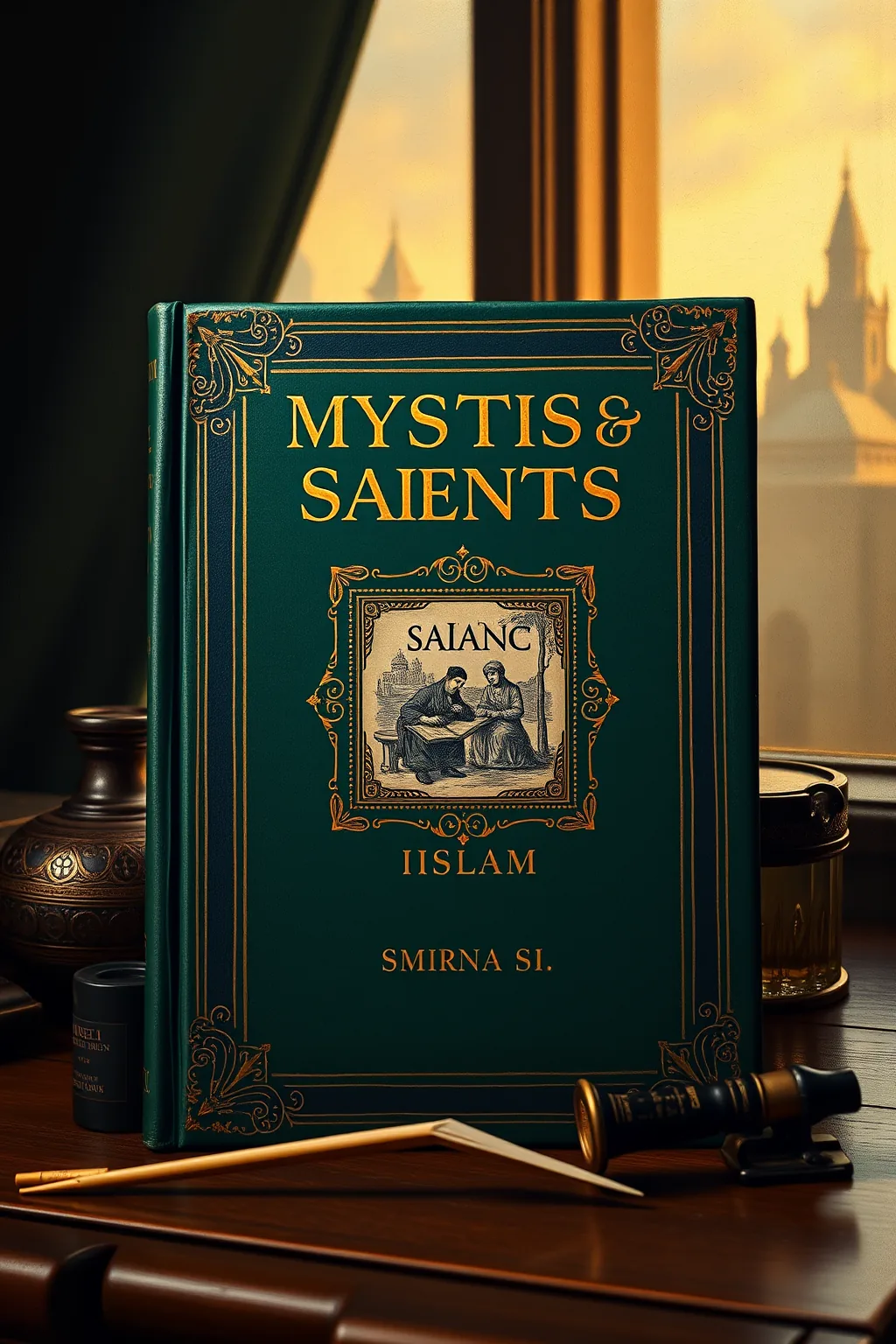
Mystics and Saints of Islam
 80
80

Mystics and Saints of Islam



Silas Hawthorne, Hermetic Studies Editor: Smirna Si's 'Mystics and Saints of Islam' is a masterful exposition of the esoteric dimensions within Islamic spirituality. The author masterfully navigates the complex spiritual landscape, illuminating the profound insights and hidden doctrines of Sufism. Si's scholarly yet accessible prose unveils the symbolic language and contemplative practices that define this rich tradition. This volume is an indispensable resource for anyone seeking to understand the soul-stirring depths of Islamic mysticism, offering a bridge for Western esotericists to engage with a lineage often misunderstood. It is particularly valuable for those pursuing the perennial philosophy through the lens of Eastern wisdom.
📝 Description
80
Smirna Si's 'Mystics and Saints of Islam' (2017) examines the esoteric dimensions of Islamic spiritual practice.
Smirna Si's book centers on the lives and teachings of key figures within Islamic mysticism. It moves beyond standard historical accounts to uncover the deeper, often hidden, gnosis associated with Sufism. The work details allegorical stories, symbolic readings of the Quran, and the spiritual path toward union with the Divine. Si creates an atmosphere of thoughtful reverence suitable for those interested in the contemplative aspects of Islam.
The book serves as a guide to the spiritual core of Sufism. It discusses the universal human desire for transcendence, showing how this quest manifests within a specific Islamic framework. Readers gain insight into the philosophical underpinnings of Islamic spirituality and its enduring traditions.
Within the broader spectrum of esoteric traditions, 'Mystics and Saints of Islam' situates itself firmly within the Sufi branch of Islam. Sufism, often understood as the mystical or inward dimension of Islam, shares common ground with other esoteric paths in its emphasis on direct spiritual experience, the cultivation of inner states, and the pursuit of divine knowledge beyond exoteric dogma. Si’s work highlights how Sufi saints and mystics pursued these aims through practices like meditation, ecstatic states, and allegorical interpretation, mirroring themes found in other mystical traditions that seek a hidden meaning within religious texts and practices.
💡 Why Read This Book?
This book offers a rare glimpse into the hidden spiritual core of Islam, revealing the profound contemplative practices and esoteric wisdom of its mystics and saints. It is essential reading for anyone seeking to understand Sufism beyond its external forms, exploring the universal quest for divine connection. Ideal for spiritual seekers, scholars of mysticism, and practitioners interested in diverse paths to transcendence.
⭐ Reader Reviews
Honest opinions from readers who have explored this book.
❓ Frequently Asked Questions
What is Sufism?
Sufism is the mystical dimension of Islam, a path of spiritual discipline and contemplation aimed at attaining direct knowledge of God. It emphasizes love, asceticism, and the purification of the heart.
Who are the 'saints' discussed in the book?
The book profiles influential figures within Islamic mysticism, including early ascetics, renowned Sufi masters, and scholars who embodied the spiritual ideals of their time and left a lasting legacy on the tradition.
Does this book focus on the historical aspects or the spiritual teachings?
It expertly blends both, presenting biographical details as a foundation for understanding the profound spiritual teachings, esoteric insights, and contemplative practices of these revered individuals.
Is prior knowledge of Islam required to read this book?
While prior knowledge can enhance understanding, the book is written in an accessible manner. It introduces core concepts and provides context, making it suitable for both those new to Islamic mysticism and seasoned scholars.
What are the key esoteric themes explored?
The book delves into themes such as the annihilation of the ego (fana), the intoxication of divine love, the journey of the soul, inner purification, esoteric interpretations of the Quran, and the attainment of spiritual states.
🔮 Key Themes & Symbolism
The Path of Divine Love (Ishq)
This theme explores the central role of passionate, unconditional love for the Divine as the driving force behind the Sufi path. It examines how this love transcends earthly attachments, leading to a profound longing for union with God. The writings of mystics often depict this love as an ecstatic state, a burning desire that purifies the soul and transforms the seeker's perception of reality. It is not merely emotional affection but a transformative force that reshapes the individual's entire being, guiding them through stages of spiritual ascent.
Inner Purification and the Battle Against the Ego (Nafs)
Central to Islamic mysticism is the arduous journey of purifying the soul (nafs) from negative traits like pride, greed, and lust. This theme examines the rigorous ascetic practices and spiritual disciplines employed by Sufis to overcome the ego's desires and illusions. The concept of 'jihad al-akbar' (the greater struggle) against one's own lower self is highlighted, illustrating the internal warfare required to achieve spiritual clarity and surrender to the Divine will. This process is seen as essential for unveiling the divine light within.
Esoteric Interpretation and Symbolism
This theme focuses on the deeper, allegorical meanings embedded within the Quran and Islamic practices. Sufis often employ detailed symbolism, drawing parallels between worldly phenomena and spiritual realities. The book explores how seemingly simple verses or rituals can unlock profound metaphysical truths when viewed through the lens of esoteric understanding. This approach reveals a hidden dimension of Islamic scripture and tradition, emphasizing that true knowledge lies not just in the literal word but in its symbolic resonance and the inner experience it can evoke.
💬 Memorable Quotes
Direct passages from the work, attributed to the author.
“The heart is the mirror of the Divine.”
— This profound statement highlights the Sufi belief that the human heart, when purified, can reflect the essence of God. It suggests an inherent divine potential within each individual, accessible through spiritual discipline and contemplation.
“To die before you die is the goal.”
— This refers to the Sufi concept of 'fana,' the annihilation of the ego and worldly attachments. It signifies a spiritual death to one's lower self, paving the way for spiritual rebirth and union with the Divine.
“Silence is the language of the Gnostics.”
— This highlights the importance of contemplative silence in Sufism. It suggests that true spiritual understanding and direct experience of the Divine are often attained not through words, but through deep, inner stillness and quietude.
💡 Key Ideas
Editorial paraphrase of the work's core concepts — not direct quotes.
Love is the key that opens the doors of the unseen.
This quote emphasizes the transformative power of divine love in Sufism. It suggests that genuine love for God is the ultimate catalyst for spiritual insight, enabling the seeker to perceive realities beyond the material world.
The path is long, but the Beloved is near.
This quote expresses the Sufi journey: a challenging spiritual path that requires perseverance, yet one where the ultimate goal – union with God – is ever-present and attainable through sincere devotion.
🌙 Esoteric Significance
Tradition
The primary esoteric tradition explored is Sufism, the mystical branch of Islam. Sufism is characterized by its emphasis on the direct, personal experience of God, inner purification, and the pursuit of spiritual annihilation (fana) and subsistence in God (baqa). It offers a path of intense devotion, asceticism, and contemplative practices aimed at achieving gnosis (ma'rifa) and union with the Divine.
Symbolism
Islamic mysticism is rich in symbolism, drawing from the Quran, Hadith, and the natural world. Key symbols include the heart as a mirror for divine light, the journey of the soul as a spiritual ascent, wine and intoxication representing divine love, and the veil symbolizing the barriers between humanity and the Divine. The book illuminates how these symbols are used to convey profound metaphysical truths and guide practitioners on their spiritual path.
Modern Relevance
In an increasingly materialistic world, the ancient wisdom of Islamic mystics offers a potent antidote, emphasizing inner peace, compassion, and the interconnectedness of all existence. The Sufi emphasis on love, tolerance, and the pursuit of inner truth resonates deeply with contemporary spiritual seekers grappling with existential questions. Its teachings on mindfulness, self-awareness, and the transformative power of devotion provide practical guidance for working through the complexities of modern life and fostering a more meaningful existence.
👥 Who Should Read This Book
This book is a valuable collection for a diverse audience. **Beginners** to Islamic mysticism will find a clear and engaging introduction to the core concepts and key figures of Sufism. **Scholars of religion and comparative mysticism** will appreciate the nuanced exposition and historical context provided. **Spiritual seekers** from all backgrounds will be drawn to the useful insights into the human quest for the Divine and the universal themes of love and transcendence. **Practitioners** of contemplative disciplines may find inspiration and new perspectives on their own spiritual journeys, particularly those interested in the perennial philosophy as expressed through an Islamic lens.
📜 Historical Context
This work emerges from a rich historical collection spanning over fourteen centuries of Islamic civilization. The figures and teachings explored are rooted in the early ascetical movements of the 8th and 9th centuries, blossoming into the sophisticated philosophical and devotional systems of Sufism during the classical Islamic Golden Age (roughly 8th to 13th centuries). This era witnessed unprecedented intellectual and spiritual flourishing, with scholars and mystics like Al-Ghazali, Rumi, and Ibn Arabi profoundly influencing the trajectory of Islamic thought and practice. The book reflects a period where diverse interpretations of Islam coexisted, and the esoteric dimension of faith was actively explored, often in dialogue with, and sometimes in subtle tension with, more orthodox theological interpretations.
📔 Journal Prompts
Reflect on a time you felt a profound sense of connection to something larger than yourself. What were the circumstances, and what did it reveal to you about your inner world?
Consider the concept of 'dying before you die.' How can you begin to detach from ego-driven desires and attachments in your daily life?
What does 'divine love' mean to you? How can you cultivate a deeper sense of love and compassion for others and for the world around you?
Explore the idea of the heart as a mirror. What 'impurities' might be clouding your inner mirror, and what practices could help to polish it?
How can the pursuit of inner peace and spiritual truth inform your engagement with the external world and its challenges?
🗂️ Glossary
Sufism
The mystical or esoteric dimension of Islam, focused on the pursuit of direct experiential knowledge of God and spiritual purification through love, asceticism, and contemplation.
Nafs
The ego or lower self in Islamic tradition. It is considered the source of carnal desires and negative traits, which must be disciplined and purified on the spiritual path.
Fana
An Arabic term in Sufism meaning 'annihilation' or 'dissolution.' It refers to the extinction of the ego and worldly attachments, leading to a state of selflessness and spiritual awareness.
Ma'rifa
Arabic for 'gnosis' or 'direct knowledge of God.' It represents the ultimate spiritual realization sought by Sufis, a profound and intuitive understanding of the Divine reality.
Zikr
The remembrance of God, often practiced through repetitive chanting of divine names or phrases. It is a central devotional practice in Sufism aimed at attaining presence of God.
This book appears in 2 collections
🔮 Readers Also Liked
Browse all →





More by Smirna Si
All books →


From the “Christian Mysticism” Collection
View all →

![EBOOK COLLECTION ( PART 8) [ CSI][h 33t]](/img/thumb/ebook-collection-part-8-csi-h-33t.webp)




More Free Mysticism & Contemplation Books
View all →