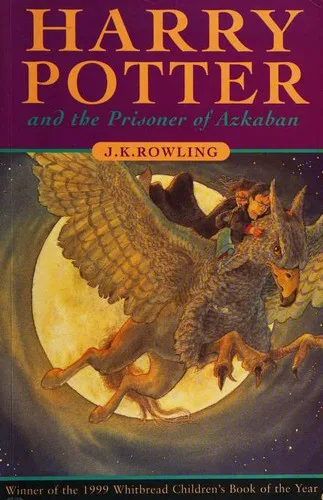
Harry Potter and the Prisoner of Azkaban
 78
78

Harry Potter and the Prisoner of Azkaban

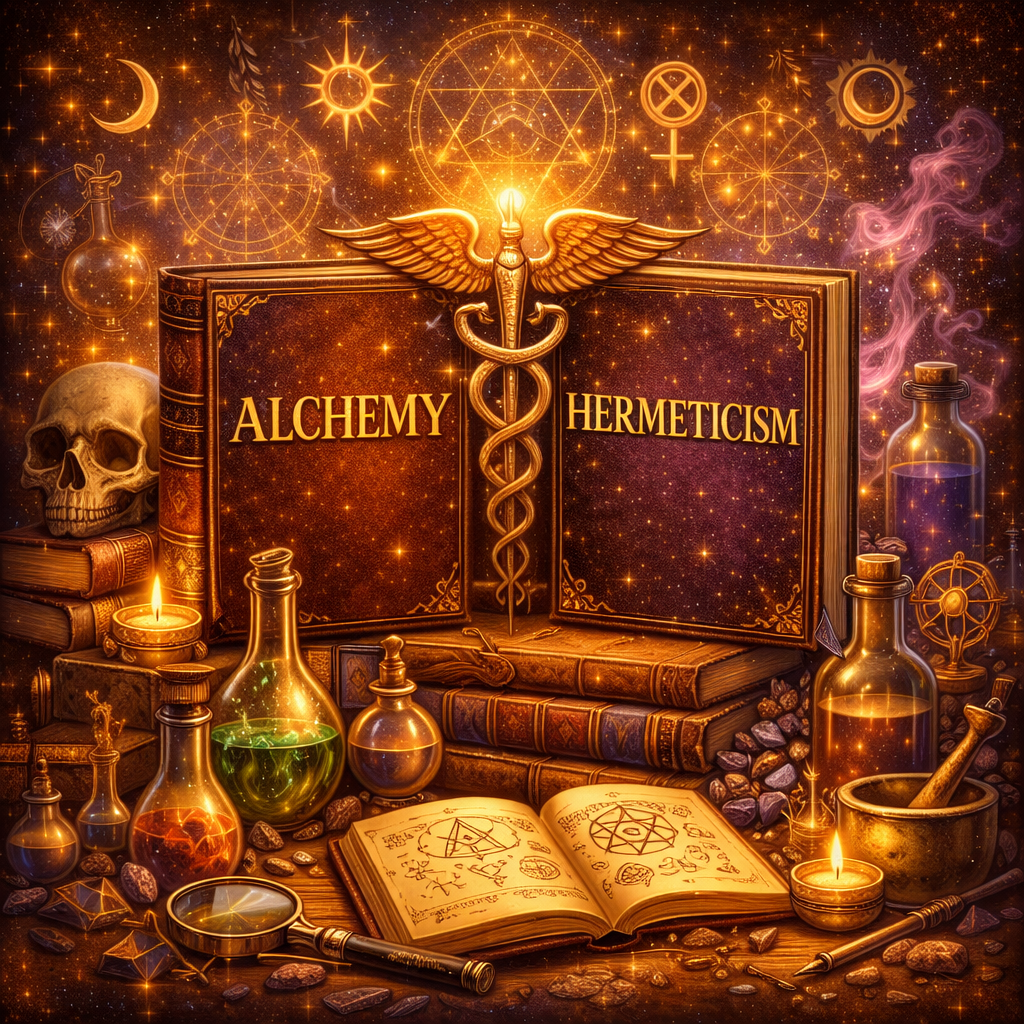

Review by Cassian Rothmann (Senior Critic, Ancient Wisdom) — Harry Potter and the Prisoner of Azkaban stands out as a beacon of esoteric insight within the realm of juvenile fantasy fiction. Rowling's intricate weaving of alchemical symbols and hermetic principles elevates the narrative beyond mere entertainment, offering readers a profound journey into the mysteries of the occult. The book's strength lies in its ability to present complex philosophical ideas in an accessible and engaging manner, making it an invaluable resource for seekers of hidden knowledge. Ideal for both novice and seasoned practitioners of the mystical arts.
📝 Description
78
In 1999, J.K. Rowling published Harry Potter and the Prisoner of Azkaban, weaving alchemical symbolism into its plot.
The third novel in the Harry Potter series unfolds during Harry's third year at Hogwarts School of Witchcraft and Wizardry. The narrative centers on Sirius Black's escape from Azkaban prison and the resulting fear that he intends to harm Harry. As Harry learns more about Black's past and his connection to his parents, he confronts difficult truths about his family history and the wizarding world.
The story introduces key elements like the Marauder's Map, a magical object that reveals Hogwarts' secrets, and the Dementors, soul sucking creatures that represent despair. Harry's personal growth is marked by his increasing understanding of loyalty, friendship, and the complexities of good versus evil. The plot also touches upon themes of perception versus reality, as characters and events are not always what they initially appear to be.
This installment of the Harry Potter saga engages with alchemical concepts, particularly the idea of transformation and the philosopher's stone, which is alluded to through the character of Nicolas Flamel. The narrative also incorporates elements reminiscent of hermetic philosophy, focusing on hidden knowledge and the inner journey of the protagonist. The introduction of creatures like Dementors and the use of time travel through the Time Turner can be interpreted through symbolic lenses common in esoteric traditions, reflecting cycles of growth and the manipulation of personal timelines.
💡 Why Read This Book?
Why read Harry Potter and the Prisoner of Azkaban? This book is a treasure trove of esoteric wisdom, offering seekers and scholars a unique perspective on alchemy and hermeticism. Ideal for those interested in the mystical dimensions of literature, this novel provides a rich exploration of symbolism and hidden knowledge, making it a must-read for practitioners and enthusiasts of the occult.
⭐ Reader Reviews
Honest opinions from readers who have explored this book.
❓ Frequently Asked Questions
What is the esoteric significance of the Time-Turner in the story?
The Time-Turner symbolizes the hermetic principle of 'as above, so below,' representing the cyclical nature of time and the ability to manipulate it for personal growth and transformation.
How does the Prisoner of Azkaban relate to alchemical themes?
The character of Sirius Black embodies the alchemical process of purification and redemption, serving as a catalyst for Harry's own journey of self-discovery and transformation.
What role does hidden knowledge play in the narrative?
Hidden knowledge is a central theme, with characters like Dumbledore and Hermione Granger embodying the seekers of ancient wisdom and secret truths.
Why is Hogwarts an important setting for esoteric exploration?
Hogwarts serves as a microcosm of the mystical world, where alchemical processes and hermetic principles are explored through the characters' interactions and the school's magical curriculum.
How does the story of Harry Potter and the Prisoner of Azkaban influence modern occult practices?
The novel's exploration of time manipulation, alchemical transformation, and hidden knowledge has inspired modern practitioners to delve deeper into these themes, integrating them into their spiritual and magical practices.
🔮 Key Themes & Symbolism
Alchemical Transformation
The narrative is infused with alchemical symbols and processes, particularly through the characters' journeys of self-discovery and redemption. The Time-Turner, for instance, represents the alchemical principle of transformation and the cyclical nature of time.
Hermetic Principles
Rowling's storytelling is deeply rooted in hermetic philosophy, with themes of hidden knowledge, the interconnectedness of all things, and the pursuit of ancient wisdom permeating the plot. Characters like Dumbledore embody the hermetic ideal of the wise sage.
Symbolism and Hidden Knowledge
The book is rich in symbolism, with each character and setting holding deeper esoteric meanings. The Prisoner of Azkaban, for example, serves as a symbol of the shadow self and the need for inner purification.
💡 Key Ideas
Editorial paraphrase of the work's core concepts — not direct quotes.
Happiness can be found even in the darkest of times if one only remembers to turn on the light.
This quote expresses the hermetic principle of light overcoming darkness, symbolizing the transformative power of knowledge and wisdom.
It does not do to dwell on dreams and forget to live.
This line underscores the importance of balancing the pursuit of hidden knowledge with practical living, a key tenet of alchemical practice.
Do not pity the dead Harry. Pity the living, and above all, those who live without love.
This quote highlights the esoteric significance of love as a transformative force, essential for spiritual growth and redemption.
The truth. It is a beautiful and terrible thing, and should therefore be treated with great caution.
This passage reflects the hermetic view of truth as a powerful, dual-natured entity that must be approached with wisdom and caution.
To the well-organized mind, death is but the next great adventure.
This quote embodies the alchemical belief in the cyclical nature of life and death, viewing the latter as a necessary step in the process of transformation.
🌙 Esoteric Significance
Tradition
Harry Potter and the Prisoner of Azkaban belongs to the hermetic tradition, with its emphasis on hidden knowledge, the pursuit of ancient wisdom, and the transformative power of alchemy. The narrative is rich with symbols and themes that resonate with hermetic principles, making it a valuable resource for modern practitioners.
Symbolism
Key symbols include the Time-Turner, representing the alchemical principle of transformation and the cyclical nature of time, and the character of Sirius Black, embodying the process of purification and redemption. The Prisoner of Azkaban itself serves as a symbol of the shadow self and the need for inner purification.
Modern Relevance
The book's exploration of alchemical transformation and hermetic principles continues to inspire modern practitioners, who integrate these themes into their spiritual and magical practices. The story's enduring popularity attests to its relevance in contemporary esoteric discourse.
👥 Who Should Read This Book
Beginners in the mystical arts will find Harry Potter and the Prisoner of Azkaban an accessible and engaging introduction to alchemical and hermetic principles. Scholars of esoteric literature will appreciate the depth and complexity of the narrative's symbolism. Spiritual seekers will be drawn to the book's exploration of hidden knowledge and the transformative power of wisdom. Practitioners of the occult will find valuable insights into the integration of mystical themes into modern life.
📜 Historical Context
Published in 1999, Harry Potter and the Prisoner of Azkaban emerged during a time when interest in the occult and mystical arts was resurging. Rowling's series tapped into this cultural zeitgeist, offering a fresh and accessible approach to esoteric themes. The book's influence can be seen in the renewed interest in alchemy, hermeticism, and the pursuit of hidden knowledge, inspiring a new generation of seekers and practitioners.
📔 Journal Prompts
How does the concept of alchemical transformation manifest in your own life?
Reflect on a time when you sought hidden knowledge. What did you discover?
Consider the hermetic principle of 'as above, so below.' How does this principle apply to your spiritual journey?
Explore the symbolism of the Time-Turner. How might time manipulation be relevant to your personal growth?
What role does the shadow self play in your spiritual practice, and how can you work towards its purification?
🗂️ Glossary
Alchemy
The ancient practice of transforming base materials into gold, often symbolizing the process of spiritual and personal transformation.
Hermeticism
A philosophical and spiritual tradition based on the teachings of Hermes Trismegistus, emphasizing hidden knowledge and the pursuit of wisdom.
Time-Turner
A magical device in the story that allows the user to travel back in time, symbolizing the alchemical principle of transformation and the cyclical nature of time.
Shadow Self
The repressed or hidden aspects of the psyche, often represented by the character of Sirius Black in the narrative.
Hidden Knowledge
Ancient wisdom and secret truths sought by characters like Dumbledore and Hermione Granger, embodying the hermetic ideal of the pursuit of wisdom.
This book appears in 3 collections
🔮 Readers Also Liked
Browse all →






More by J. K. Rowling
All books →

From the “Hermeticism” Collection
View all →








More Free Alchemy & Hermeticism Books
View all →