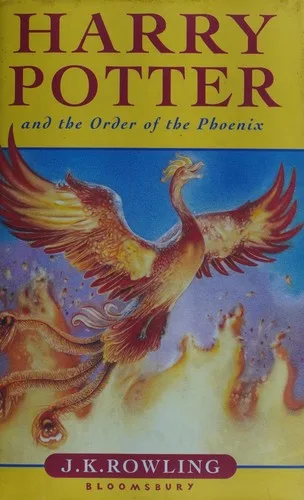
Harry Potter and the Order of the Phoenix
 78
78

Harry Potter and the Order of the Phoenix

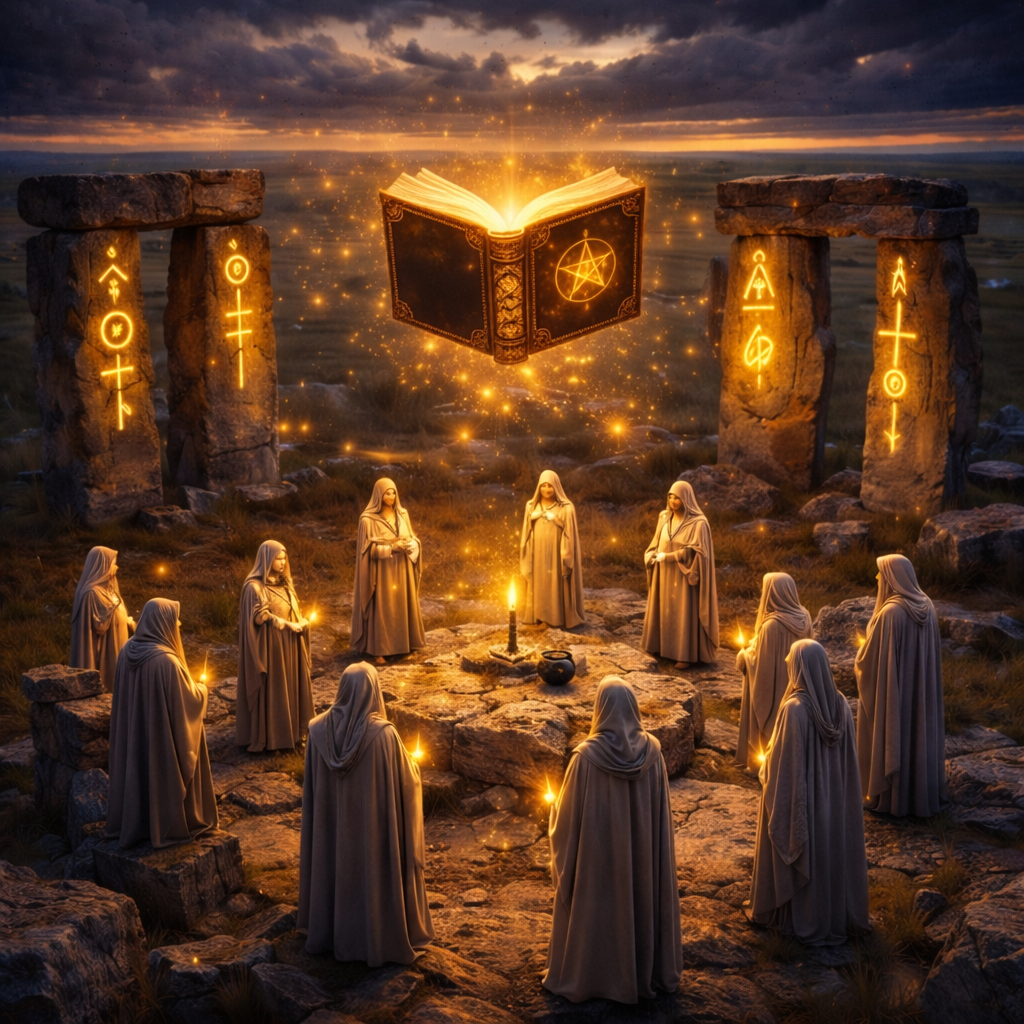

Evander Ashcroft (Alchemy & Hermeticism Editor) — J.K. Rowling's 'Order of the Phoenix' transcends mere fantasy; it’s a potent allegory for the challenges of societal control and the seeker’s path. The clandestine Order itself embodies the hidden brotherhoods of esoteric traditions, working in the unseen to preserve balance against a rising totalitarian darkness. Harry's internal struggles, particularly his connection to Voldemort, mirror the alchemist's confrontation with the shadow self. The Ministry's denial of reality and manipulation of information speaks volumes about the dangers of ignorance and the suppression of truth. This volume is a compelling exploration of courage, integrity, and the vital importance of discerning truth amidst pervasive deceit, resonating deeply with those who understand the power of hidden knowledge.
📝 Description
78
Published in 2003, Order of the Phoenix is the longest Harry Potter novel.
The fifth installment in the Harry Potter series sees Harry returning to Hogwarts after a summer of isolation. He finds that the wizarding community is in denial about Lord Voldemort's return, and the Ministry of Magic actively works to discredit both Harry and Albus Dumbledore. A new, oppressive figure, Dolores Umbridge, takes control at Hogwarts, enforcing draconian rules. Harry, along with his closest friends, forms a secret defense group to learn practical magic, as the magical world grows increasingly dangerous.
This book focuses on Harry's internal struggles, including his anger and his unwanted psychic link to Voldemort. It also introduces the Order of the Phoenix, a secret society working against Voldemort, and details their efforts to fight the rising darkness. The narrative builds towards a confrontation that reveals a prophecy concerning Harry and Voldemort.
Within esoteric traditions, this novel reflects themes found in initiatory societies and narratives of psychic development. Harry's connection to Voldemort can be seen as a metaphor for the shadow self, a concept explored in Jungian psychology and various mystical paths. The formation of Dumbledore's Army mirrors secret colleges or mystery schools where forbidden knowledge is passed on in defiance of external authorities. The struggle against a seemingly powerful, malevolent entity also echoes Gnostic ideas of spiritual warfare and the search for hidden truth against a backdrop of ignorance and deception.
💡 Why Read This Book?
Embark on a journey where courage clashes with oppression and hidden knowledge is the key to survival. "Order of the Phoenix" is essential for seekers of truth, young scholars of symbolism, and practitioners of resilience. It offers profound insights into confronting dogma, the power of collective action, and the enduring strength of the human spirit against encroaching darkness, illuminating the path for those who dare to question and resist.
⭐ Reader Reviews
Honest opinions from readers who have explored this book.
❓ Frequently Asked Questions
What is the primary esoteric theme explored in 'Order of the Phoenix'?
The primary esoteric theme is the struggle against oppressive, controlling forces and the importance of hidden knowledge and clandestine resistance. It explores the dangers of institutionalized denial and the individual's quest for truth.
How does the book explore the concept of 'truth' and 'deception'?
The book masterfully illustrates how truth can be actively suppressed and manipulated by those in power, forcing protagonists to seek out hidden sources of information and trust their intuition over official narratives.
What role does the 'Order of the Phoenix' play in the narrative's mystical undertones?
The Order functions as a representation of secret societies and hidden brotherhoods dedicated to preserving balance and combating a dark, encroaching force, mirroring archetypal structures found in various esoteric traditions.
Can Harry's psychic link with Voldemort be interpreted esoterically?
Yes, Harry's connection can be seen as an alchemical metaphor for confronting one's shadow self or a darker aspect of consciousness, forcing an intimate and often painful understanding of the antagonist.
What is the significance of the Umbridge character from an esoteric perspective?
Dolores Umbridge embodies the destructive force of dogmatic, unyielding authority and the suppression of free thought and emotional expression, representing a perversion of order rather than true balance.
🔮 Key Themes & Symbolism
The Struggle Against Authoritarianism and Deception
This volume intensely scrutinizes the insidious nature of authoritarianism, personified by the Ministry of Magic's deliberate dissemination of falsehoods and suppression of inconvenient truths. It highlights how official narratives can be weaponized to control public perception, mirroring historical and contemporary examples of propaganda and censorship. The narrative champions critical thinking and the courage to seek unfiltered knowledge, even when it challenges established doctrines. The resistance mounted by the Order of the Phoenix and Harry himself underscores the vital importance of individual integrity and collective action in the face of pervasive deception, a core tenet in many esoteric philosophies that value illumination over enforced ignorance.
The Burden of Prophecy and Psychic Connection
Harry's involuntary psychic link with Lord Voldemort serves as a powerful esoteric symbol. It represents the dangerous intimacy that can develop between opposing forces, a concept explored in various mystical traditions where understanding one's adversary is crucial, yet fraught with peril. This connection forces Harry to confront not only external evil but also the potential darkness within himself, a profound psychological and spiritual trial. The burden of his prophecy and the visions it brings highlight the esoteric notion of destiny and the personal cost of bearing such knowledge, demanding immense fortitude and self-awareness to navigate without succumbing to despair or corruption.
The Power of Secret Societies and Hidden Resistance
The titular Order of the Phoenix embodies the archetype of the secret society, a recurring motif in esoteric lore. Operating in the shadows, these groups often preserve vital knowledge and counter malevolent forces when overt action is impossible or dangerous. The Order's clandestine meetings, coded communication, and unwavering dedication to a cause greater than themselves resonate with the ideals of hidden brotherhoods focused on spiritual or societal transformation. Their existence underscores the belief that true change often begins unseen, fueled by conviction and a shared commitment to a higher purpose, even when facing overwhelming odds and public disbelief.
💬 Memorable Quotes
Direct passages from the work, attributed to the author.
“The truth is a beautiful and terrible thing, and should therefore be treated with great caution.”
— A profound statement on the nature of gnosis; uncovering profound truths can be both liberating and dangerous, requiring wisdom and discernment in their application.
“Dumbledore's Army”
— More than just a name, it represents a secret society of young seekers training in forbidden arts, a microcosm of hidden schools and esoteric orders throughout history.
“Don't let the Muggles get you down.”
— A reminder to maintain one's inner spiritual integrity and not be swayed by the mundane or ignorant perspectives of the unenlightened world.
“We are only as strong as we are united, as weak as we are divided.”
— A timeless esoteric principle emphasizing the power of collective consciousness and the dangers of schism and discord, vital for any spiritual or magical endeavor.
💡 Key Ideas
Editorial paraphrase of the work's core concepts — not direct quotes.
It is our choices, Harry, that show what we truly are, far more than our abilities.
This quote emphasizes the alchemical process of character development, where actions and moral decisions forge true identity, surpassing innate talents or potentials.
🌙 Esoteric Significance
Tradition
The novel deeply engages with archetypal themes found across numerous esoteric traditions, particularly Gnosticism and Hermeticism. The struggle against a deceptive, controlling authority (the Ministry) and the pursuit of hidden truth echo Gnostic ideals of escaping illusionary systems. The emphasis on inner strength, personal choice, and the development of psychic abilities aligns with Hermetic principles of self-mastery and the understanding of hidden correspondences within the universe.
Symbolism
Key symbols abound: the Order of the Phoenix represents secret brotherhoods and the eternal fight of light against darkness; the Room of Requirement symbolizes the subconscious mind and the manifestation of one's deepest needs; Harry's psychic link to Voldemort is a potent metaphor for confronting the shadow self and the dangers of entanglement with primal forces; and the prophecy itself speaks to the esoteric concept of destiny and its often burdensome nature.
Modern Relevance
In an age saturated with misinformation and societal pressures, 'Order of the Phoenix' remains profoundly relevant. Its portrayal of institutional denial and the courage required to seek truth speaks directly to contemporary challenges. The novel encourages critical thinking, resilience, and the understanding that true power often lies not in overt control but in hidden knowledge, inner conviction, and the strength of unified resistance against oppressive forces.
👥 Who Should Read This Book
This volume is a compelling read for young seekers of truth and budding scholars of symbolism, offering a gateway into complex themes of resistance and hidden knowledge. Experienced practitioners of the esoteric arts will find rich allegorical layers, particularly in the portrayal of clandestine organizations and the confrontation with internal darkness. Beginners exploring themes of magic and metaphysics will appreciate the accessible narrative that subtly combines profound philosophical questions into an engaging adventure. It is a must-read for anyone drawn to narratives that explore the power of belief, the struggle against deception, and the enduring human quest for illumination.
📜 Historical Context
Published in 2003, "Harry Potter and the Order of the Phoenix" emerged during a period of heightened global awareness regarding political manipulation, the war on terror, and the increasing skepticism towards authority. The novel's themes of governmental deception, the suppression of information, and the rise of a totalitarian-like figure in Dolores Umbridge resonated deeply with readers grappling with contemporary issues of propaganda and authoritarian tendencies. The book’s immense popularity also coincided with a broader cultural fascination with fantasy and the occult, making it a touchstone for a generation raised on tales of magic and hidden worlds. It tapped into a zeitgeist that was both increasingly interconnected digitally and, paradoxically, experiencing anxieties about truth and trust in institutions, lending its fantastical narrative a surprising, potent relevance.
📔 Journal Prompts
Reflect on a time you felt societal pressure to believe something untrue. How did you navigate this, and what esoteric principles guided you?
Consider Dolores Umbridge's methods of control. How can we recognize and resist similar forms of 'magical' manipulation in our own lives?
Analyze the symbolic significance of the Room of Requirement. What hidden rooms or resources exist within your own consciousness, and how can you access them?
Harry's psychic link with Voldemort is a source of both strength and vulnerability. Explore the concept of confronting your 'shadow self' and its potential for growth.
The Order of the Phoenix operates in secret. What are the benefits and drawbacks of 'hidden work' in pursuing spiritual or societal change, and where do you see such examples today?
🗂️ Glossary
Horcrux
A magically protected object containing a fragment of a sorcerer's soul, used to achieve immortality. Represents the ultimate corruption of self and the severing of spiritual integrity.
Prophecy
A foretelling of future events, often cryptic and burdensome. In esoteric traditions, prophecies can represent destiny or potential paths, requiring wisdom to interpret and navigate.
Legilimency
The magical ability to mentally penetrate another person's mind, akin to telepathy or psychic intrusion. Highlights the esoteric concept of mind-reading and its ethical implications.
Occlumency
The magical defense of the mind against Legilimency. Represents the esoteric practice of mental shielding and controlling one's inner landscape to protect against external influence.
Detention
A form of magical punishment. Symbolically, it can represent periods of enforced introspection or karmic consequence, requiring the individual to confront their actions.
This book appears in 2 collections
🔮 Readers Also Liked
Browse all →



More by J. K. Rowling
All books →


From the “Ceremonial Magic” Collection
View all →





More Free Magic & Ritual Books
View all →