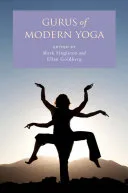
Gurus of Modern Yoga
 78
78

Gurus of Modern Yoga
Singleton and Goldberg’s meticulous study offers a refreshing antidote to the often-uncritical reverence surrounding modern yoga’s key figures. By dissecting the specific methodologies and ideological frameworks of various gurus, the authors expose the constructed nature of contemporary yogic authority. A particular strength lies in their nuanced analysis of how figures like B.K.S. Iyengar not only codified physical postures but also shaped the very language and philosophy associated with them. However, the book occasionally suffers from an academic dryness that might alienate some practitioners seeking more accessible narratives. The chapter on Pattabhi Jois, for instance, while informative, could benefit from a more direct engagement with the lived experiences of his students. Ultimately, 'Gurus of Modern Yoga' provides an essential, if occasionally dense, critical lens for understanding yoga's modern incarnation.
📝 Description
78
Mark Singleton and Ellen Goldberg's 2014 book examines the individuals who shaped modern yoga.
'Gurus of Modern Yoga' by Mark Singleton and Ellen Goldberg provides a scholarly look at the key figures who influenced contemporary yoga practices and philosophies. The authors move past simple praise to analyze how specific teachers contributed to both the physical and theoretical aspects of yoga as it is practiced today. They detail how these gurus, through their teachings and writings, changed how yoga was perceived and performed globally, moving it from its historical origins into modern settings.
This work is for serious yoga students, religious studies scholars, and anyone interested in how spiritual practices have changed historically. It will appeal to those who question common yoga stories and want a more critical understanding of its current form. Readers interested in how Eastern traditions blend with Western adaptations, especially concerning the influence of important individuals, will find this book especially useful. It contextualizes modern yoga's development within wider cultural and intellectual changes, recognizing the impact of figures like T. Krishnamacharya and Swami Vivekananda.
This book enters the discussion around the historical development of yoga, a tradition often presented with a mythic or timeless quality. By focusing on specific historical figures and their direct impact, it grounds the evolution of yoga in concrete actions and teachings rather than solely in abstract spiritual principles. It acknowledges the role of charismatic individuals and their teaching methods in shaping how yoga is understood and practiced, moving beyond idealized notions of ancient wisdom to a more human and historically situated account of its modern form.
💡 Why Read This Book?
• Gain a critical perspective on the formation of modern yoga, understanding how specific gurus like T. Krishnamacharya in the early 20th century established foundational lineages that continue to influence global practice today. • Analyze the discursive strategies employed by influential figures to legitimize their teachings, revealing how concepts like 'Ashtanga Vinyasa' were popularized and adapted for Western practitioners. • Examine the complex interplay between tradition and innovation in spiritual movements, recognizing how the 2014 publication date places this analysis within a contemporary debate about yoga's authenticity and global reach.
⭐ Reader Reviews
Honest opinions from readers who have explored this book.
❓ Frequently Asked Questions
What is the primary focus of 'Gurus of Modern Yoga'?
The book examines the specific contributions of individual gurus to the development of modern yoga practices and discourses, analyzing how their teachings shaped global yoga as we know it today.
Who are some of the gurus discussed in the book?
While the book explores a range of influential figures, it critically analyzes the impact of pioneers such as T. Krishnamacharya and B.K.S. Iyengar, who were instrumental in shaping early 20th-century yoga lineages.
When was 'Gurus of Modern Yoga' first published?
The work was first published in 2014, positioning it as a contemporary analysis of yoga's recent historical development and its influential personalities.
What academic disciplines does this book draw upon?
It draws from religious studies, history, and cultural studies to provide a scholarly examination of yoga's transformation from ancient practices to a global phenomenon.
Does the book offer practical yoga instruction?
No, the book is primarily an academic and critical study of the historical figures and concepts that shaped yoga, rather than a guide to physical practice.
What distinguishes this book from popular yoga literature?
Unlike popular accounts, 'Gurus of Modern Yoga' offers a critical, analytical perspective, focusing on the historical context and the constructed nature of guru authority and yogic traditions.
🔮 Key Themes & Symbolism
Guru Authority and Lineage
The work scrutinizes how individual gurus established and maintained authority, often through claims of direct lineage transmission from ancient traditions. It examines the mechanisms by which their teachings were codified, disseminated, and accepted globally, particularly focusing on the period from the early 20th century onwards. The authors explore the power dynamics inherent in the guru-disciple relationship and how this structure facilitated the spread of specific yogic methodologies, such as those popularized by B.K.S. Iyengar and Pattabhi Jois.
The Construction of Modern Yoga
This theme addresses how yoga, as practiced globally today, is a product of historical contingencies and individual interventions, rather than a static, unbroken tradition. The book analyzes the selective adaptation of ancient practices, the invention of new forms, and the philosophical justifications developed by various gurus to suit contemporary contexts. It highlights the role of figures like T. Krishnamacharya in reinterpreting and repackaging yoga for a changing world.
Discourse and Practice
The book investigates the intricate relationship between the language used by gurus and the physical practices they taught. It explores how specific terminologies, narratives, and philosophical frameworks were constructed to legitimize certain practices and differentiate them from others. The authors analyze how this discourse shaped practitioners' understanding and experience of yoga, influencing everything from posture alignment to the spiritual goals pursued.
East Meets West Dynamics
A significant focus is placed on how yoga was introduced, received, and transformed within Western cultural frameworks. The work examines the ways in which gurus navigated intercultural exchange, often tailoring their teachings to appeal to Western audiences while simultaneously preserving a sense of authentic Indian tradition. This section dissects the complex negotiations of identity, authenticity, and commercialization that characterized yoga's global expansion.
💬 Memorable Quotes
Direct passages from the work, attributed to the author.
“The shaping of yoga in the 20th century was not solely a process of rediscovery but also of invention.”
— This statement highlights that modern yoga is not merely a revival of ancient practices but incorporates significant innovation and adaptation driven by its key figures.
“Guru authority often relied on the careful curation of lineage and the performance of spiritual expertise.”
— This interpretation suggests that the perceived spiritual authority of gurus was frequently constructed through deliberate presentation of their place within a tradition and their demonstrated mastery.
“The global spread of yoga involved significant reinterpretation of its philosophical and physical elements.”
— This concept points to the dynamic process of how yoga’s original tenets were modified and reshaped to become understandable and applicable within diverse cultural contexts worldwide.
“Modern yoga practices are deeply indebted to the pedagogical innovations of figures active in the mid-20th century.”
— This highlights the critical role played by specific teachers and their methods, originating around the mid-1900s, in forming the yoga landscape prevalent today.
“The discourse surrounding yoga often served to legitimize particular lineages and practices over others.”
— This idea emphasizes how the way yoga was talked about and explained by its proponents actively worked to establish the validity and superiority of certain schools or styles.
🌙 Esoteric Significance
Tradition
While not strictly adhering to a single esoteric lineage, 'Gurus of Modern Yoga' engages with the broader tradition of spiritual transmission and the role of charismatic figures often found in esoteric movements. It examines how gurus, acting as intermediaries between ancient wisdom and modern seekers, fulfill a function analogous to initiators or channelers within Hermetic, Theosophical, or Tantric frameworks, albeit often secularized or adapted.
Symbolism
The book implicitly explores the symbolism of the 'guru' as a figure embodying both tradition and innovation—a living symbol of yogic potential. The 'lineage' itself functions symbolically, representing a connection to a perceived authentic source. Furthermore, the physical postures (asanas) and breathing techniques (pranayama) discussed are analyzed not just as exercises but as symbolic vehicles for spiritual transformation, as interpreted and presented by specific gurus.
Modern Relevance
Contemporary yoga practitioners, teachers, and scholars who question the authenticity and historical accuracy of popular yoga narratives find significant relevance in this work. Thinkers exploring the sociology of religion, the globalization of spiritual practices, and the psychology of influence draw upon its critical analyses. It informs discussions on ethical leadership within spiritual communities and the ongoing negotiation of yoga’s identity in the 21st century.
👥 Who Should Read This Book
• Serious yoga practitioners seeking to understand the historical forces that shaped their practice beyond popularized accounts. • Scholars of religious studies and cultural history interested in the evolution of spiritual traditions in the modern era. • Individuals intrigued by the dynamics of charisma, authority, and influence within social and spiritual movements.
📜 Historical Context
Published in 2014, 'Gurus of Modern Yoga' emerged during a period of intense academic scrutiny and popular fascination with yoga's global trajectory. The early 21st century witnessed yoga's widespread commercialization and diversification, prompting scholars to critically examine its historical roots and the roles of key figures. The book builds upon earlier scholarship by scholars like Joseph Alter and Mark Singleton himself, who have explored the colonial influences and physical culture movements that shaped early modern yoga. It engages with the legacy of figures like T. Krishnamacharya, whose students, including B.K.S. Iyengar and Pattabhi Jois, became titans of the global yoga scene in the latter half of the 20th century. The work implicitly contrasts with the more hagiographic biographies often found in popular yoga literature, offering a more analytical approach to understanding the construction of guru authority and practice.
📔 Journal Prompts
The construction of guru authority and its impact on yogic lineages.
How T. Krishnamacharya's pedagogical innovations influenced global yoga.
The role of discourse in legitimizing specific yoga practices.
Analyzing the adaptation of yogic philosophy for Western audiences.
Reflecting on the invention versus rediscovery of modern yoga forms.
🗂️ Glossary
Asana
A physical posture or position practiced in yoga, often interpreted and codified differently by various gurus.
Pranayama
Breathing techniques central to yoga, focused on controlling the vital life force (prana).
Lineage
A succession of teachers and disciples, often claimed to transmit teachings and practices authentically from an ancient source.
Discourse
The way language, concepts, and narratives are used to shape understanding and legitimize ideas or practices.
Pedagogical Innovations
New or distinctive methods and approaches to teaching and learning, as developed by influential yoga instructors.
Hagiography
The writing of the lives of saints or revered figures, often presenting a highly idealized and uncritical account.
20th Century Yoga
Refers to the period of significant transformation and global spread of yoga practices, largely influenced by specific teachers and changing cultural contexts.