Ghosts
 79
79

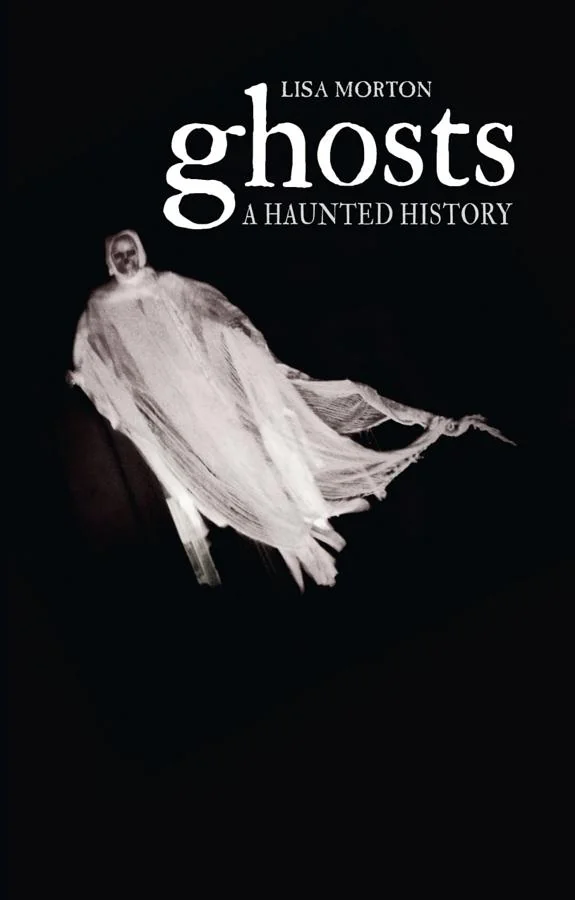
Ghosts
Lisa Morton's "Ghosts" sidesteps the sensationalism often associated with its subject, opting instead for a scholarly examination of a universal archetype. The book's strength lies in its sweeping historical perspective, demonstrating how the concept of the spectral has permeated human culture from antiquity to the present. Morton skillfully connects ancient beliefs, such as those found in the Epic of Gilgamesh, to modern manifestations like reality television ghost hunts, providing a compelling through-line. A particular highlight is the analysis of how different cultures conceptualize and interact with their spectral inhabitants, moving beyond a Western-centric view. However, at times, the sheer breadth of coverage can feel overwhelming, with certain periods or cultures receiving less detailed attention than one might wish. The work explores the persistent archetypal nature of the ghost, a concept that resonates with enduring human anxieties about mortality and the unknown. Ultimately, "Ghosts" serves as an authoritative and insightful overview for anyone seeking to understand the enduring spectral presence in our collective imagination.
📝 Description
79
Lisa Morton's 2019 book "Ghosts" examines spectral beliefs from Gilgamesh to ghost hunting shows.
Lisa Morton's "Ghosts" is a scholarly survey of how cultures worldwide have understood and depicted spirits. It moves beyond simple ghost stories to analyze the historical development of ghost lore, connecting ancient texts like the Epic of Gilgamesh to modern media. The book considers ghosts not just as supernatural beings but as reflections of human consciousness, anxieties, and cultural preoccupations. Morton traces how these narratives adapt across different eras and technologies, showing their continuous role in shaping human fears and desires.
"Ghosts" distinguishes the spectral archetype from other supernatural figures and discusses how cultural frameworks influence ghost appearances and interpretations. It also explores how ghost stories function as a way to address themes of death, remembrance, justice, and the afterlife. The analysis centers on the ghost's lasting impact on storytelling and its psychological effect on audiences. This work is suited for those interested in folklore, the anthropology of belief, and the history of supernatural narratives.
This book situates the study of ghosts within a long tradition of spiritualism and afterlife beliefs that spans millennia. It acknowledges the persistent human interest in phenomena beyond the material world, a core concern in many esoteric systems. By examining how different cultures conceptualize and interact with spirits, Morton touches upon a universal aspect of human experience that has been a subject of inquiry in spiritualist, occult, and philosophical traditions seeking to understand consciousness and existence beyond death.
💡 Why Read This Book?
• Understand the ghost as a persistent cultural artifact, tracing its origins from ancient texts like the Epic of Gilgamesh to its modern forms, providing a unique historical perspective. • Gain insight into how societal anxieties and beliefs about death shape the manifestations of ghosts across different eras and cultures, offering a anthropological lens. • Analyze the enduring power of spectral narratives in storytelling and media, exploring why ghosts continue to capture the human imagination, fulfilling a critical need for understanding narrative archetypes.
⭐ Reader Reviews
Honest opinions from readers who have explored this book.
❓ Frequently Asked Questions
What are the earliest known references to ghosts?
The book references ancient texts such as the Epic of Gilgamesh, dating back to approximately 2100-1200 BCE, as early examples of human engagement with the concept of spectral beings and the afterlife.
How does Lisa Morton define a ghost?
Morton distinguishes the ghost from other supernatural entities, focusing on apparitions that represent the deceased or lingering spirits, often tied to specific locations or unresolved issues.
Does the book cover ghost sightings in specific locations?
While the book's focus is broader, it contextualizes ghost lore within various cultural settings, acknowledging how location and history influence spectral narratives across different regions and eras.
What is the historical relationship between ghosts and religious beliefs?
The work explores how ghost beliefs are interwoven with religious and spiritual traditions worldwide, often serving as expressions of anxieties about death, judgment, and the continuity of existence beyond the physical body.
How has the portrayal of ghosts changed over time?
Morton traces this evolution, from ancient accounts to modern ghost-hunting reality TV shows, demonstrating how technological advancements and evolving cultural anxieties have reshaped spectral narratives.
Is 'Ghosts' suitable for academic study?
Yes, with its scholarly approach and extensive historical and cultural analysis, the book is well-suited for academic study in fields like folklore, anthropology, and comparative literature.
🔮 Key Themes & Symbolism
The Ghost as Archetype
Morton posits the ghost not merely as a supernatural entity but as a potent archetype that reflects fundamental human concerns. From the earliest recorded narratives like the Epic of Gilgamesh to contemporary media, the spectral figure serves as a vessel for exploring mortality, memory, and the unresolved. This archetype persists because it taps into deep-seated anxieties about death, loss, and the unknown nature of existence beyond the physical realm, making it a consistent feature across diverse cultures and historical periods.
Cultural Evolution of Spectral Beliefs
This work meticulously charts how the concept and portrayal of ghosts have transformed across different societies and eras. It moves beyond Western traditions to examine spectral folklore globally, illustrating how cultural contexts, religious beliefs, and even technological advancements influence the form and function of ghost narratives. From ancient spiritual beliefs to modern ghost-hunting shows, Morton demonstrates that the ghost is a fluid concept, shaped by the collective consciousness and prevailing anxieties of its time.
Ghosts and Human Psychology
Morton's analysis looks at the psychological underpinnings of why humans are so captivated by ghosts. The spectral figure often embodies repressed fears, societal guilt, or the desire for connection with the deceased. By examining ghost stories and sightings, the book explores how these narratives function as a means to process grief, confront mortality, and grapple with the limits of empirical understanding, offering a unique perspective on the human psyche.
The Ghost in Media and Art
The book examines the pervasive presence of ghosts in literature, film, and popular culture, analyzing their narrative function and impact. From classic literary hauntings to contemporary ghost-hunting reality television, Morton dissects how these spectral manifestations are employed to evoke emotion, explore thematic concerns, and reflect societal attitudes toward the supernatural. This analysis highlights the enduring power of the ghost as a storytelling device across various artistic and media platforms.
💬 Memorable Quotes
Direct passages from the work, attributed to the author.
“From that cheerful puff of smoke known as Casper to the hunkiest potter living or dead, Sam Wheat, there is probably no more iconic entity in supernatural history than the ghost.”
— This opening observation immediately grounds the discussion in familiar cultural touchstones, signaling the book's intention to analyze the ghost's enduring and widespread appeal across different media and eras.
“In this book, Lisa Morton uses her scholarly prowess—more powerful than any proton pack—to wrangle to”
— This excerpt, though incomplete, playfully suggests Morton's rigorous academic approach to the subject matter, likening her research to a powerful tool for dissecting and understanding the complex phenomenon of ghosts.
“The work explores the enduring power of the ghost figure in storytelling and its psychological impact on audiences.”
— This concept underscores Morton's focus on the ghost not just as a folklore element but as a powerful psychological and narrative device that continues to resonate with human consciousness.
“Ghosts have chilled the air of nearly every era and every culture in human history.”
— This declarative statement captures the book's central thesis: the pervasive and persistent nature of ghost beliefs and narratives across the entirety of human civilization and cultural expression.
💡 Key Ideas
Editorial paraphrase of the work's core concepts — not direct quotes.
And these are just recent examples. From the earliest writings such as the Epic of Gilgamesh to today’s ghost-hunting reality TV shows, ghosts have chilled the air of nearly every era and every culture in human history.
This passage highlights the book's vast temporal and cultural scope, emphasizing the ghost's near-universal presence throughout recorded human history and its adaptation to various forms of storytelling and belief systems.
🌙 Esoteric Significance
Tradition
While not strictly tied to a single esoteric lineage, "Ghosts" engages with themes common in Western esotericism, particularly those concerning the nature of consciousness, the afterlife, and the persistence of identity beyond physical death. It touches upon concepts explored in spiritualism and certain occult traditions that posit the existence of a spirit world and the possibility of communication with departed souls. Morton's work provides a historical and anthropological framework for understanding the universal human impulse that underpins many esoteric beliefs about spirits and the veil between worlds.
Symbolism
The primary symbol explored is the ghost itself, representing the unresolved, the memory of the departed, and the liminal space between life and death. Other symbolic aspects include the haunted house or location, which often signifies a psychic imprint or the residual energy of past events, and the spectral apparition, which can symbolize guilt, justice, or a yearning for closure. These symbols function as recurring motifs in human storytelling, reflecting deep-seated psychological and existential concerns about mortality and the unknown.
Modern Relevance
Contemporary thinkers and practitioners in fields like comparative mythology, folklore studies, and even certain branches of parapsychology continue to draw on the historical and cultural analyses presented in works like Morton's. The book's exploration of how ghost narratives evolve with societal changes remains relevant for understanding modern media portrayals of the supernatural and the enduring appeal of ghost stories. It informs discussions on collective memory, cultural anxieties surrounding death, and the psychological need to believe in some form of existence beyond the physical.
👥 Who Should Read This Book
• Scholars of folklore and mythology seeking a comprehensive historical overview of spectral beliefs across cultures. • Enthusiasts of supernatural narratives interested in the anthropological and psychological underpinnings of ghost stories. • Writers and media creators looking for a deep understanding of the ghost archetype and its evolution in storytelling.
📜 Historical Context
Lisa Morton's "Ghosts," first published in 2015, arrived at a time when paranormal investigation shows dominated reality television and interest in folklore and supernatural narratives remained high. The work emerged within a broader academic landscape that increasingly recognized the value of studying popular culture and the anthropology of belief. While direct engagement with specific academic contemporaries is not detailed in the blurb, Morton's approach builds upon decades of folkloric scholarship that examines the social and psychological functions of myth and legend. She situates her study against a backdrop where spectral narratives, from ancient epics like the Epic of Gilgamesh to modern ghost stories, are understood not merely as fiction but as cultural expressions reflecting societal anxieties and beliefs. The book's comprehensive historical sweep implicitly engages with earlier works that explored demonology, spiritualism, and the history of the uncanny, offering a contemporary synthesis.
📔 Journal Prompts
The spectral entity's persistence across cultures and eras.
Reflections on the ghost as a cultural mirror for societal anxieties.
Analysis of the ghost archetype's function in narrative across historical periods.
Exploring the psychological resonance of spectral apparitions.
The evolution of ghost lore from ancient texts to modern media.
🗂️ Glossary
Apparition
A ghost or ghostlike image of someone. In folklore and paranormal studies, it refers to a visual manifestation of a spirit or deceased person.
Spectral Phenomenon
Relating to or of the nature of a specter or ghost. This broader term encompasses all aspects of ghost lore, including sightings, stories, and beliefs.
Archetype
A very typical example of a certain person or thing; a recurring symbol or motif in literature and mythology. In this context, the ghost serves as a fundamental human archetype.
Folklore
The traditions, customs, and beliefs of a community or nation, passed down orally or by practice. Ghost stories are a significant component of folklore worldwide.
Supernatural History
The study or narrative of phenomena believed to exceed the normal or known laws of nature. This book examines the historical trajectory of such beliefs concerning ghosts.
Cultural Context
The social, historical, and environmental circumstances that shape the meaning and interpretation of beliefs, practices, and narratives within a particular society.
Ghost Lore
The body of stories, beliefs, and traditions concerning ghosts and spirits. This encompasses a wide range of cultural expressions throughout history.
This book appears in 1 collection
🔮 Readers Also Liked
Browse all →







From the “Haunted Places” Collection
View all →







More Free Esoteric History & Biography Books
View all →