The Beats
 77
77

The Beats
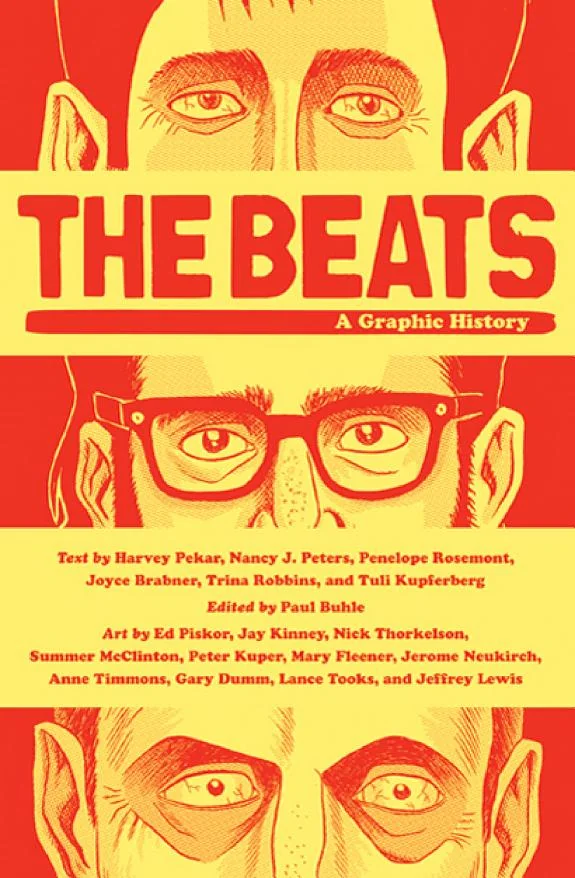
Harvey Pekar and Ed Piskor’s "The Beats" offers a welcome graphic narrative of a literary movement often shrouded in myth. Piskor’s artwork, reminiscent of classic comic strips but with a distinct grittiness, effectively captures the era's atmosphere and the raw energy of its protagonists. The book shines in its direct presentation of biographical facts and literary milestones, particularly its detailed look at Allen Ginsberg’s early struggles and the publication of "Howl." However, the sheer density of information, while commendable, occasionally feels rushed, leaving little room for deeper thematic exploration beyond the surface-level chronology. Pekar’s characteristic observational style, while informative, sometimes lacks the critical edge one might expect when dissecting such a complex cultural phenomenon. Ultimately, "The Beats" serves as a solid, visually engaging primer for those new to the subject.
📝 Description
77
Harvey Pekar and Ed Piskor's 2010 graphic novel, 'The Beats,' chronicles the lives of the Beat Generation writers.
Published in 2010, 'The Beats' by Harvey Pekar and Ed Piskor details the lives and literary output of the Beat Generation. The graphic novel examines the early lives and cultural influence of writers such as Jack Kerouac, Allen Ginsberg, and William S. Burroughs. It places the Beat movement within the post-World War II era, a time marked by social conformity alongside a growing artistic rebellion.
The book shows how these authors pushed against established norms with their experimental writing, prose influenced by jazz, and their interest in Eastern philosophies and different ways of living. It breaks down core ideas of the movement, including spontaneous prose, criticism of consumer society, and the pursuit of spiritual understanding. The work demonstrates how these themes appeared in the personal lives and creative work of the Beats, contributing to their lasting impact.
The Beat Generation's engagement with Eastern philosophies, particularly Zen Buddhism, places their work within a broader esoteric tradition that sought spiritual enlightenment outside mainstream Western religious and philosophical frameworks. Figures like Gary Snyder and Allen Ginsberg actively incorporated Buddhist concepts and practices into their lives and writing, viewing them as a path to liberation from societal constraints and a means of achieving a more authentic existence. This interest reflects a post-war American search for meaning that drew upon non-Western traditions, aligning with a wider esoteric current that challenged established dogma and pursued direct, personal experience of the spiritual or ultimate reality.
💡 Why Read This Book?
• Gain a visual understanding of the post-WWII literary landscape, learning how figures like Jack Kerouac reacted against the prevailing social climate. • Explore the specific creative processes and influences on writers such as William S. Burroughs, understanding his unique approach to narrative and form. • Grasp the foundational texts and manifestos of the Beat Generation, such as Allen Ginsberg's "Howl," and their immediate reception in the 1950s.
⭐ Reader Reviews
Honest opinions from readers who have explored this book.
❓ Frequently Asked Questions
When did the Beat Generation movement officially begin according to 'The Beats' graphic novel?
The graphic novel indicates that the Beat Generation movement began in the 1940s, emerging from a post-World War II cultural climate of conformity and artistic discontent.
What is the primary artistic style used in 'The Beats' by Pekar and Piskor?
The book employs a graphic novel format with artwork by Ed Piskor that blends classic comic strip aesthetics with a gritty, realistic portrayal of the Beat figures and their environment.
Besides Kerouac and Ginsberg, who else is prominently featured in 'The Beats'?
William S. Burroughs is a central figure, alongside other writers, artists, and significant events that defined the Beat Generation's cultural impact.
Does 'The Beats' graphic novel cover the later lives or the full impact of the Beat writers?
While it details their formative years and key works, the graphic novel primarily focuses on the genesis and early development of the Beat movement and its core figures.
Is 'The Beats' a suitable introduction for someone unfamiliar with the Beat Generation?
Yes, its graphic novel format makes complex literary history accessible, providing a clear overview of the key individuals, their writings, and the era's countercultural significance.
What historical period does 'The Beats' graphic novel primarily depict?
The book focuses on the mid-20th century, specifically detailing the rise of the Beat Generation from the 1940s through their influential period in the 1950s and early 1960s.
🔮 Key Themes & Symbolism
Countercultural Genesis
The work details the emergence of the Beat Generation as a direct response to the perceived spiritual and intellectual emptiness of post-war American society. It illustrates how figures like Jack Kerouac and Allen Ginsberg, disillusioned with conformity, sought alternative modes of expression and existence. The book highlights their engagement with jazz, Eastern philosophies, and unconventional lifestyles as deliberate rejections of mainstream values, setting the stage for broader cultural shifts.
Spontaneous Prose and Artistic Innovation
Central to the Beat ethos, as presented in this graphic novel, is the concept of spontaneous prose. The work explores how writers like Kerouac aimed to capture the flow of consciousness and raw experience without the constraints of traditional literary structures. This emphasis on immediate, unedited expression is shown as a radical departure, influencing subsequent generations of writers and artists seeking authenticity in their creative output.
The Quest for the Sacred
Beyond mere rebellion, 'The Beats' illuminates the profound spiritual searching that characterized the movement. It depicts the writers' fascination with Buddhism, mysticism, and various forms of ecstatic experience as attempts to find meaning and transcendence in a secularizing world. This spiritual dimension is portrayed not as a rejection of life, but as an intense engagement with its deepest possibilities, often through art, drugs, and travel.
Literary and Artistic Interconnections
The graphic novel emphasizes the interconnectedness of the Beat writers and their milieu. It showcases how figures like Ginsberg, Burroughs, and Kerouac influenced each other's work and how their literary endeavors were intertwined with the jazz scene, visual arts, and nascent countercultural movements. This dynamic interplay is presented as crucial to understanding the collective impact and lasting resonance of the Beat Generation.
💬 Memorable Quotes
Direct passages from the work, attributed to the author.
“The Beats began in the 1940s.”
— This factual anchor immediately grounds the narrative, pinpointing the origins of the movement not as a spontaneous outburst, but as a development rooted in a specific post-war decade characterized by societal shifts and emerging artistic consciousness.
“Allen Ginsberg wrote 'Howl'.”
— This simple statement points to an important moment and a key work. 'Howl' became an anthem for the Beats and a symbol of literary rebellion, its publication and subsequent obscenity trial highlighting the era's censorship battles and the movement's challenge to convention.
“Jack Kerouac pioneered spontaneous prose.”
— This highlights a key literary technique associated with Kerouac and the Beats. Spontaneous prose aimed to capture unfiltered thought and experience, reflecting a desire for authenticity and a break from established literary forms.
“William S. Burroughs explored the darker aspects of society.”
— This captures the often transgressive and critical nature of Burroughs's work, contrasting with the more romanticized elements of the Beat image. It points to his unflinching examination of addiction, social control, and psychological fragmentation.
“The movement influenced artists and writers.”
— This underscores the lasting impact of the Beats. Their experimentation in literature, their lifestyle choices, and their critique of conformity provided a template and inspiration for subsequent countercultural movements and artistic expressions.
🌙 Esoteric Significance
Tradition
While not strictly adhering to a single esoteric lineage, the Beat Generation's work shows strong resonances with Gnostic and Eastern mystical traditions. Their search for direct, unmediated experience and their critique of materialistic society echo Gnostic ideas of escaping illusionary worldly systems. Their deep dive into Buddhism, particularly Zen, points to a practical application of mystical principles aimed at achieving enlightenment and understanding the nature of reality beyond conventional perception.
Symbolism
A key symbol is the open road, representing not just physical travel but a spiritual journey towards self-discovery and liberation from societal constraints, particularly evident in Kerouac's narratives. Another motif is the city as both a site of alienation and potential spiritual awakening; for figures like Ginsberg, urban landscapes could become stages for prophetic pronouncements and encounters with the sacred amidst the profane. The act of writing itself, especially spontaneous prose, symbolizes a direct channeling of consciousness, bypassing egoic filters.
Modern Relevance
Contemporary movements exploring mindfulness, conscious living, and alternative spirituality often draw implicitly or explicitly on the Beats' pioneering interest in Eastern thought and their emphasis on authentic experience. Artists and writers who prioritize raw expression, social critique, and the integration of altered states of consciousness into their work continue to find inspiration in the Beat legacy. Thinkers in fields like consciousness studies and experimental literature acknowledge their role in expanding the boundaries of acceptable discourse and artistic form.
👥 Who Should Read This Book
• Students of American Literature and Cultural History: Those seeking a visually engaging introduction to the key figures, texts, and socio-cultural context of the Beat Generation. • Aspiring Writers and Artists: Individuals interested in unconventional approaches to creativity, particularly those drawn to techniques like spontaneous prose and the integration of personal experience into art. • Seekers of Countercultural Movements: Readers curious about the roots of 1960s counterculture, exploring the foundational ideas and lifestyles that challenged post-war American norms.
📜 Historical Context
The Beat Generation emerged in the shadow of World War II, a period marked by Cold War anxieties and widespread social conformity in America. This graphic novel situates the Beats, including Jack Kerouac, Allen Ginsberg, and William S. Burroughs, within this milieu, highlighting their rejection of mainstream values. They found intellectual kinship with existentialist thinkers who also grappled with meaning in a post-war world, though the Beats channeled their concerns into a more overtly bohemian and artistic expression. The era saw a burgeoning interest in Eastern philosophies, particularly Buddhism, which offered an alternative spiritual framework to the dominant Judeo-Christian traditions. The Beats' embrace of these philosophies, alongside their experimentation with jazz, poetry, and drug use, represented a significant departure from the prevailing cultural norms. Their work, often challenging and unconventional, faced considerable censorship; Ginsberg's "Howl" famously went to trial for obscenity in 1957, a landmark event that ultimately affirmed the literary merit of their writings.
📔 Journal Prompts
The concept of spontaneous prose as a vehicle for consciousness.
Allen Ginsberg's "Howl" as a prophetic utterance.
Jack Kerouac's search for "IT" amidst everyday life.
William S. Burroughs's critique of societal control mechanisms.
The Beat Generation's engagement with Eastern spiritual practices.
🗂️ Glossary
Beat Generation
A literary and cultural movement that emerged in the United States in the 1950s, characterized by its rejection of mainstream values, exploration of spirituality, and experimental use of language.
Spontaneous Prose
A writing technique, notably employed by Jack Kerouac, aimed at capturing the flow of thought and experience directly onto the page without revision or adherence to traditional grammar and syntax.
Howl
A seminal long-form poem by Allen Ginsberg, first published in 1956, considered a manifesto of the Beat Generation for its raw depiction of societal alienation and its critique of conformity.
Zen Buddhism
A school of Mahayana Buddhism emphasizing meditation and intuition, which significantly influenced many Beat writers seeking spiritual enlightenment and a direct understanding of reality.
Counterculture
A subculture whose values and norms of behavior differ substantially from those of mainstream society, often in opposition to the established cultural and social order.
Existentialism
A philosophical movement emphasizing individual existence, freedom, and choice, which resonated with Beat writers grappling with meaning and authenticity in a post-war world.
Beatnik
A pejorative term that became associated with the Beat Generation, often implying a romanticized or superficial adoption of their lifestyle and artistic principles.
This book appears in 1 collection
🔮 Readers Also Liked
Browse all →







From the “Zen Buddhism” Collection
View all →




More Free Esoteric History & Biography Books
View all →