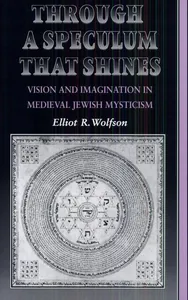
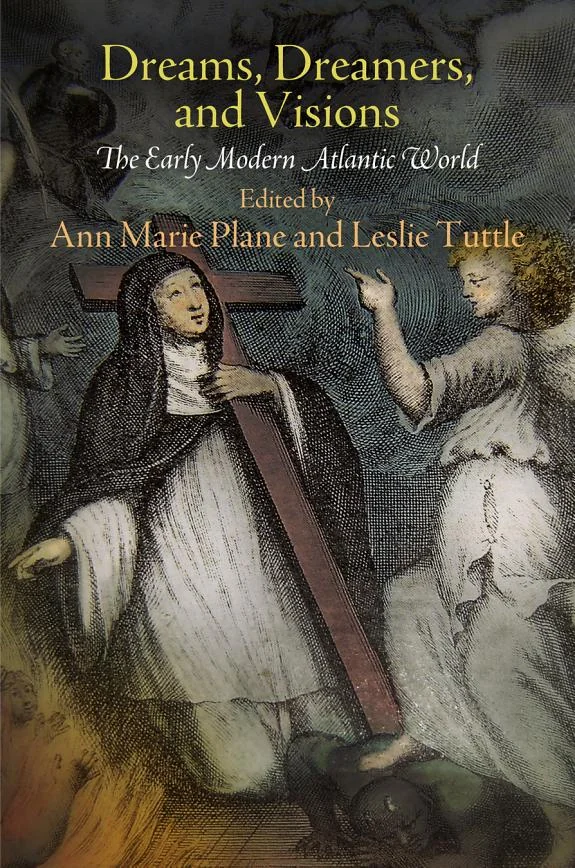
Dreams, Dreamers, and Visions
 76
76

Dreams, Dreamers, and Visions
Ann Marie Plane and Leslie Tuttle’s collection offers a vital corrective to viewing dreams as solely private or psychological phenomena. The strength lies in its granular approach, demonstrating through diverse essays how dream analysis served as a potent tool in the volatile geopolitical landscape of the early modern Atlantic. The essay detailing how dreams influenced decisions concerning the enslavement or liberation of individuals in colonial Brazil, for instance, is particularly striking. However, the academic density may present a barrier for readers less familiar with post-structuralist historical analysis. A slight limitation is the uneven distribution of focus across the different cultural groups represented. Nevertheless, the volume succeeds in illuminating a crucial, often overlooked, dimension of historical power struggles. It is an essential contribution for understanding the subtle, yet powerful, role of visionary experience in shaping colonial encounters.
📝 Description
76
Published in 2006, Dreams, Dreamers, and Visions examines how dream interpretation drove intercultural contact in the Atlantic world.
This volume analyzes how the interpretation of dreams influenced exchanges between cultures in the early modern Atlantic world. Essays by researchers from three continents examine specific case studies, showing how both indigenous and European methods of understanding dreams became sites for religious and political contestation. The book argues that these nocturnal visions were not simply personal experiences but active forces in historical processes.
During the 16th to 18th centuries, this era of global exploration, colonization, and religious conflict saw European powers encountering diverse indigenous cosmologies. The Reformation and Counter-Reformation also reshaped European societies. Within this context, the understanding and use of dream narratives became a key area where competing worldviews clashed, affecting colonial administration and missionary work. The book details the methods used across cultures for interpreting dreams, from shamanistic practices to theological analysis. Its central argument is that controlling and spreading knowledge about dreams was crucial for asserting authority by both colonizers and indigenous groups.
This work engages with traditions that view dreams not merely as psychological phenomena but as conduits for spiritual insight and historical influence. It situates dream interpretation within broader historical currents, showing its role in shaping belief systems and power structures. The book connects to historical inquiries into consciousness and the role of subjective experience in shaping collective realities, particularly during periods of intense cultural encounter and transformation.
💡 Why Read This Book?
• Understand how dream interpretation acted as a tool for asserting religious and political power during the early modern Atlantic period, moving beyond simplistic notions of personal dreams. • Analyze specific historical instances, such as the influence of dreams on colonial administration or missionary work, as presented in essays exploring the 16th to 18th centuries. • Gain insight into the clash between indigenous and European dream analysis frameworks, revealing how these differing interpretations became central to intercultural conflicts and negotiations.
⭐ Reader Reviews
Honest opinions from readers who have explored this book.
❓ Frequently Asked Questions
What specific historical period does 'Dreams, Dreamers, and Visions' focus on?
The book primarily examines the early modern Atlantic world, generally spanning the 16th to 18th centuries. This period is crucial for understanding the colonial encounters and religious transitions discussed.
Who were the primary authors contributing to this volume?
The volume features scholarly contributions from researchers across three continents, offering a diverse range of perspectives on the role of dreams in cultural transitions.
What is the central argument regarding dreams and power?
The central argument is that methods of understanding dream phenomena, both indigenous and European, became integral to contests over religious and political power during the early modern period.
Does the book focus on individual dream interpretation or broader cultural practices?
While individual dreams are discussed as case studies, the book's primary focus is on the broader cultural, religious, and political frameworks used to interpret dreams and how these systems intersected during significant historical transitions.
What kind of scholarly disciplines are represented in the book?
The disciplines involved include history, anthropology, religious studies, and the history of consciousness, reflecting an interdisciplinary approach to the subject.
When was 'Dreams, Dreamers, and Visions' first published?
The work was first published on April 26, 2013, making its scholarship relatively contemporary within academic discourse.
🔮 Key Themes & Symbolism
Dreams as Political Instruments
This theme explores how dreams were not merely private experiences but were actively employed as tools in political and religious contests during the early modern Atlantic world. The book illustrates how interpretations of dream phenomena could legitimize or challenge authority, influence decision-making in colonial administration, and serve as a medium for asserting cultural dominance. By examining specific historical instances, the essays demonstrate the tangible impact of visionary experiences on the assertion of power by both colonizers and indigenous populations.
Intercultural Dream Interpretation
A core focus is the dynamic interplay and conflict between indigenous and European methods of understanding dreams. The volume highlights how differing epistemologies regarding dream symbolism and meaning created arenas for negotiation, resistance, and conversion. It underscores that the way dreams were perceived and utilized varied significantly across cultures, and that these differences played an important role in the broader processes of cultural transition and exchange that characterized the period.
Dreams and Cultural Transitions
The book positions dreams as central to understanding significant cultural shifts in the early modern Atlantic. It argues that the interpretation of dream experiences was deeply intertwined with processes of social change, religious transformation, and the establishment of new political orders. By analyzing how dreams functioned within various societies, the work provides a nuanced perspective on how subjective experiences contributed to broader historical trajectories and the formation of new identities.
Religious and Spiritual Authority
This theme examines the connection between dream interpretation and the establishment or contestation of religious and spiritual authority. Essays explore how dreams were used in missionary endeavors, by indigenous spiritual leaders, and within European religious frameworks to validate doctrines, guide actions, and assert spiritual legitimacy. The volume reveals how the perceived divine or supernatural origins of dreams lent them significant weight in spiritual disputes and the construction of religious belief systems.
💬 Memorable Quotes
Direct passages from the work, attributed to the author.
“Indigenous and European methods of understanding dream phenomena became central to contests over religious and political power.”
— This core assertion highlights that dreams were not just personal visions but active participants in historical power struggles, shaping colonial encounters and internal politics.
“The volume traces the role of dreams in the cultural transitions of the early modern Atlantic world.”
— This expresses the book's scope, emphasizing its focus on how dream interpretation influenced societal changes and intercultural dynamics during a specific historical epoch.
“Scholars from three continents trace the role of dreams...”
— This points to the diverse, global perspective offered by the contributing authors, ensuring a multi-faceted examination of dream phenomena across different cultural contexts.
“The book examines how dreams informed decisions in colonial contexts.”
— This highlights a specific application of dream interpretation discussed, showing its practical and consequential role in the administration and experiences of colonial life.
💡 Key Ideas
Editorial paraphrase of the work's core concepts — not direct quotes.
Dreams functioned as crucial elements in asserting or challenging authority.
This paraphrased concept emphasizes the agency of dreams, illustrating how they were strategically used by individuals and groups to gain or contest influence in both religious and secular spheres.
🌙 Esoteric Significance
Tradition
While not strictly belonging to a single esoteric lineage like Hermeticism or Kabbalah, the work touches upon traditions that informed early modern understandings of the cosmos and the human soul, including Neoplatonism and various forms of Christian mysticism. It examines how 'visionary' experiences, often associated with esoteric practices, were integrated into or contested by dominant religious and political structures. The book's value lies in analyzing these experiences within their historical and cultural contexts, rather than solely through a dogmatic esoteric lens.
Symbolism
The book implicitly engages with the symbolic language of dreams, which varies greatly by cultural context. For instance, animal or natural imagery appearing in dreams could be interpreted differently by an indigenous shaman versus a European theologian. The 'vision' itself, as a symbolic manifestation of the divine, the subconscious, or spiritual forces, is a key motif. The interpretation of these symbols was crucial for deciphering divine will, psychological states, or political omens, depending on the interpretive framework.
Modern Relevance
Contemporary scholars and practitioners interested in altered states of consciousness, comparative religion, and the history of psychology find this work valuable. It informs modern discussions on shamanism, Jungian archetypes, and the cross-cultural study of religious experience. Thinkers exploring the intersection of subjective experience and social power, particularly in contexts of globalization and cultural exchange, draw upon its methodological approach to analyze historical phenomena.
👥 Who Should Read This Book
• Historians specializing in the early modern Atlantic, colonial encounters, and the history of religion, who will gain a nuanced understanding of how subjective experiences shaped political and social dynamics. • Anthropologists and religious studies scholars interested in comparative belief systems, particularly concerning the function and interpretation of dreams across diverse cultures. • Students and researchers of consciousness studies and the history of ideas, seeking to understand how dreams were conceptualized and utilized as potent forces in historical transitions.
📜 Historical Context
Published in 2013, *Dreams, Dreamers, and Visions* engages with scholarship concerning the early modern period (c. 1500-1800), a time marked by European expansion, intense religious conflict like the Reformation, and the encounter with diverse indigenous cosmologies across the Atlantic. This era saw burgeoning interest in understanding the human mind and spirit, often filtered through theological and nascent scientific lenses. The work situates itself within this context by exploring how dream interpretation became a critical battleground. It implicitly engages with historiographical debates about agency and power in colonial encounters, challenging Eurocentric narratives. While not directly citing a contemporary reviewer, the book’s multi-continental approach and focus on non-Western epistemologies reflect later 20th and early 21st-century trends in global history and post-colonial studies, moving beyond earlier scholarship that might have focused solely on European dream manuals or theological treatises.
📔 Journal Prompts
Analyze the concept of 'contests over religious and political power' as it relates to dream interpretation in the early modern Atlantic.
Reflect on the differing methodologies of indigenous versus European dream interpretation presented in the volume.
Consider how the 'cultural transitions' of the early modern period were influenced by the understanding of dreams.
Explore the role of 'visions' as a means of asserting or challenging authority in historical contexts.
Examine specific case studies where dream interpretation shaped decision-making during colonial encounters.
🗂️ Glossary
Early Modern Atlantic World
Refers to the period roughly from the late 15th century to the early 19th century, encompassing the regions bordering the Atlantic Ocean, particularly during the era of European exploration, colonization, and significant cultural exchange.
Indigenous Cosmologies
The diverse systems of belief, understanding the universe, and spiritual frameworks developed by the original inhabitants of various regions, particularly relevant here in the Americas and Africa.
Dream Phenomena
The occurrences, interpretations, and cultural significance attributed to dreams, encompassing their perceived origins, meanings, and effects on individuals and societies.
Cultural Transitions
Periods of significant change within a society or between societies, involving shifts in beliefs, practices, social structures, and power dynamics, often seen during encounters between different cultures.
Epistemology
The theory of knowledge, especially concerning its methods, validity, and scope. In this context, it refers to the different ways cultures established what counted as valid knowledge about dreams.
Contests over Power
Struggles and conflicts between different groups or individuals vying for control or influence, particularly in religious, political, or social spheres, as depicted in the book's analysis of dream interpretation.
Visionary Experience
An experience perceived as divinely inspired, supernatural, or profoundly insightful, often occurring in dreams or trances, which carried significant weight in belief systems and decision-making.
This book appears in 1 collection
🔮 Readers Also Liked
Browse all →







From the “Visions” Collection
View all →


More Free Esoteric History & Biography Books
View all →