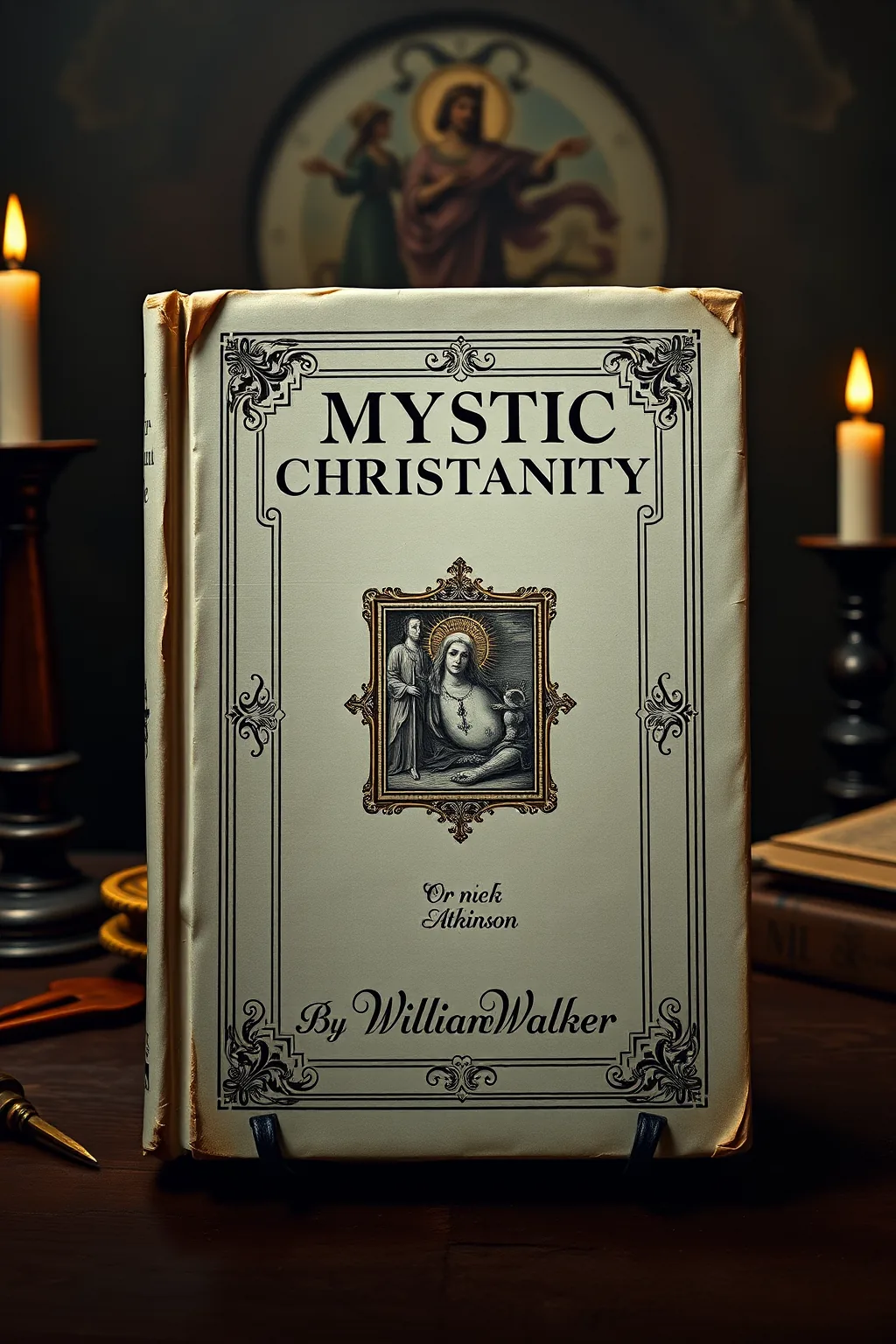
Mystic Christianity; Or, The Inner Teachings of the Master
 69
69

Mystic Christianity; Or, The Inner Teachings of the Master



William Walker Atkinson's 'Mystic Christianity; Or, The Inner Teachings of the Master' is a timeless classic that continues to resonate with modern esoteric seekers. Published in 1862, this book offers a unique perspective on the teachings of Jesus Christ, revealing the hidden mystical and occult dimensions that have often been overlooked by traditional Christian scholarship. Atkinson's exploration of the inner teachings of Jesus is both enlightening and thought-provoking, making it an essential read for anyone interested in the intersection of Christianity and esoteric traditions. The book's strength lies in its ability to draw parallels between the mystical interpretations of biblical events and the practices of yoga and contemplation. Atkinson's writing style is clear and engaging, making complex spiritual concepts accessible to a wide audience. For modern readers, 'Mystic Christianity' serves as a valuable resource for understanding the deeper, more spiritual aspects of Christianity. It challenges conventional beliefs and encourages readers to explore the mystical and occult dimensions of their faith. Overall, this book is a must-read for anyone seeking to deepen their spiritual journey and gain a new perspective on the teachings of Jesus. Rating: 4.5/5
📝 Description
69
William Walker Atkinson published 'Mystic Christianity' in 1908, detailing esoteric interpretations of Christ's teachings.
William Walker Atkinson's 1908 book, 'Mystic Christianity; Or, The Inner Teachings of the Master,' examines the esoteric dimensions of Jesus Christ's message. Atkinson, a key figure in the New Thought movement, sought to uncover deeper meanings within Christian scripture and practice. He connects these spiritual insights to yogic principles and ancient philosophies, suggesting a universal core to religious experience.
The text guides readers through the symbolic language and hidden doctrines of early Christianity. It aims to reveal a more mystical understanding of faith, moving beyond conventional interpretations. The book is suited for those interested in the spiritual underpinnings of religion and personal transformation.
Published during a period of intense interest in spiritualism and alternative religious thought, 'Mystic Christianity' is situated within the broader New Thought and Theosophical movements. These traditions sought to synthesize Eastern philosophies, Western esotericism, and Christian mysticism. Atkinson's work reflects a desire to find a unified spiritual truth, often presenting Christian concepts through a lens informed by yogic philosophy and occult studies. It was part of a larger effort to reveal 'hidden' teachings accessible to a select few.
✍️ Author
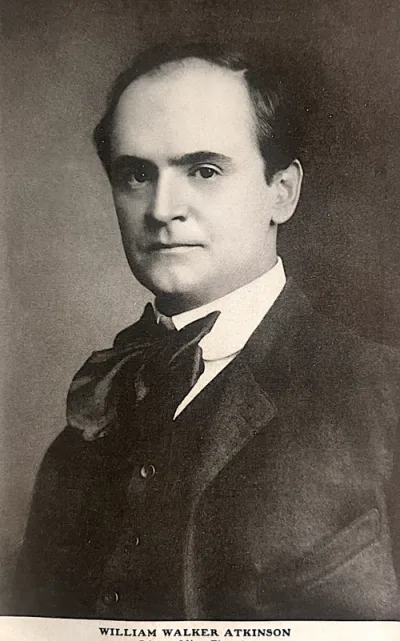
Atkinson, William Walker
William Walker Atkinson was an American attorney, publisher, author, and pioneer of the New Thought movement.
New Thought
💡 Why Read This Book?
Reading 'Mystic Christianity; Or, The Inner Teachings of the Master' today offers a unique opportunity to explore the esoteric dimensions of Christianity. This book provides valuable insights into the mystical and occult teachings of Jesus, helping readers deepen their spiritual understanding. By delving into the hidden wisdom of the biblical narratives, readers can gain a richer appreciation for the spiritual practices of contemplation and yoga. This book is particularly beneficial for those interested in the intersection of different spiritual traditions and seeking a more profound connection with their faith.
⭐ Reader Reviews
Honest opinions from readers who have explored this book.
❓ Frequently Asked Questions
What is the main focus of 'Mystic Christianity'?
The main focus of 'Mystic Christianity' is the exploration of the esoteric and mystical teachings of Jesus Christ, revealing the deeper spiritual dimensions often overlooked in mainstream Christianity.
How does Atkinson's book relate to other esoteric traditions?
Atkinson draws parallels between the mystical interpretations of biblical events and practices from other esoteric traditions, such as yoga and contemplation, providing a rich and diverse spiritual perspective.
Who would benefit from reading this book?
This book is ideal for spiritual seekers, occult enthusiasts, and those interested in the mystical dimensions of Christianity. It offers valuable insights for anyone looking to deepen their spiritual journey.
🔮 Key Themes & Symbolism
Esoteric Teachings
Atkinson unveils the hidden, mystical teachings of Jesus Christ, revealing layers of symbolism and spiritual practices that have long been shrouded in secrecy. This theme is central to understanding the deeper dimensions of Christian mysticism.
Symbolism and Hidden Knowledge
The book examines the detailed symbolism and hidden knowledge embedded within Christian teachings, offering readers a new perspective on familiar religious narratives.
Yoga and Spiritual Enlightenment
Atkinson integrates yogic principles with Christian spirituality, providing a unique pathway to spiritual enlightenment and a deeper understanding of the mystical aspects of faith.
💬 Memorable Quotes
Direct passages from the work, attributed to the author.
“The kingdom of heaven is within you.”
— Atkinson emphasizes the inner, mystical dimensions of spiritual enlightenment.
“The true seeker of spiritual knowledge must examine the hidden teachings.”
— This highlights the esoteric nature of Atkinson's exploration of Christianity.
“Yoga is the key to unlocking the mystical potentials within.”
— Atkinson's integration of yogic practices with Christian mysticism is a unique aspect of his teachings.
“The true master teaches through hidden knowledge.”
— Atkinson's focus on the inner teachings of Jesus Christ is central to his mystical approach.
💡 Key Ideas
Editorial paraphrase of the work's core concepts — not direct quotes.
The symbolism of the cross reveals deeper truths.
This quote underscores the importance of symbolism in understanding the esoteric dimensions of Christianity.
🌙 Esoteric Significance
Tradition
This book belongs to the Hermetic and Gnostic traditions, which emphasize the hidden, mystical dimensions of spiritual teachings. Atkinson's integration of yogic practices with Christian mysticism is a unique contribution to these traditions.
Symbolism
Key symbols in the book include the cross, the Holy Grail, and the concept of the kingdom of heaven within. These symbols are explored for their deeper, esoteric meanings, revealing hidden knowledge and spiritual practices.
Modern Relevance
Today, 'Mystic Christianity' is relevant for spiritual seekers and practitioners who wish to explore the deeper, mystical aspects of their faith. Modern practitioners often use Atkinson's insights to integrate yogic practices with their spiritual journeys.
👥 Who Should Read This Book
Beginners may find the esoteric content challenging but rewarding. Scholars of religious studies will appreciate Atkinson's meticulous exploration of Christian mysticism. Spiritual seekers will benefit from the book's unique perspective on spiritual enlightenment. Practitioners of meditation and yoga will find valuable insights into integrating these practices with their faith.
📜 Historical Context
Written in the early 20th century, 'Mystic Christianity' emerged during a time of renewed interest in esoteric and mystical traditions. Atkinson's work was influential in the New Thought movement, which sought to blend spiritual practices from various traditions. The book's exploration of the inner teachings of Jesus Christ was groundbreaking, offering a fresh perspective on Christian mysticism and its relevance to modern spiritual seekers.
📔 Journal Prompts
How do the esoteric teachings of Jesus Christ resonate with your spiritual journey?
What symbols in Christianity have deeper meanings that you have overlooked?
How can yogic practices enhance your understanding of Christian mysticism?
In what ways does Atkinson's exploration of hidden knowledge challenge your perceptions of faith?
What steps can you take to integrate Atkinson's insights into your daily spiritual practice?
🗂️ Glossary
Esoteric
Relating to knowledge that is intended for a small, select group of people.
Gnosticism
An ancient spiritual movement emphasizing secret knowledge and personal spiritual experiences.
Hermeticism
A philosophical and spiritual tradition based on writings attributed to Hermes Trismegistus.
Yoga
A spiritual practice involving physical postures, breathing exercises, and meditation.
Mysticism
A belief that direct knowledge of God or ultimate reality can be achieved through personal experience.
This book appears in 1 collection
🔮 Readers Also Liked
Browse all →





More by Atkinson, William Walker
All books →
From the “Christian Mysticism” Collection
View all →







More Free Mysticism & Contemplation Books
View all →