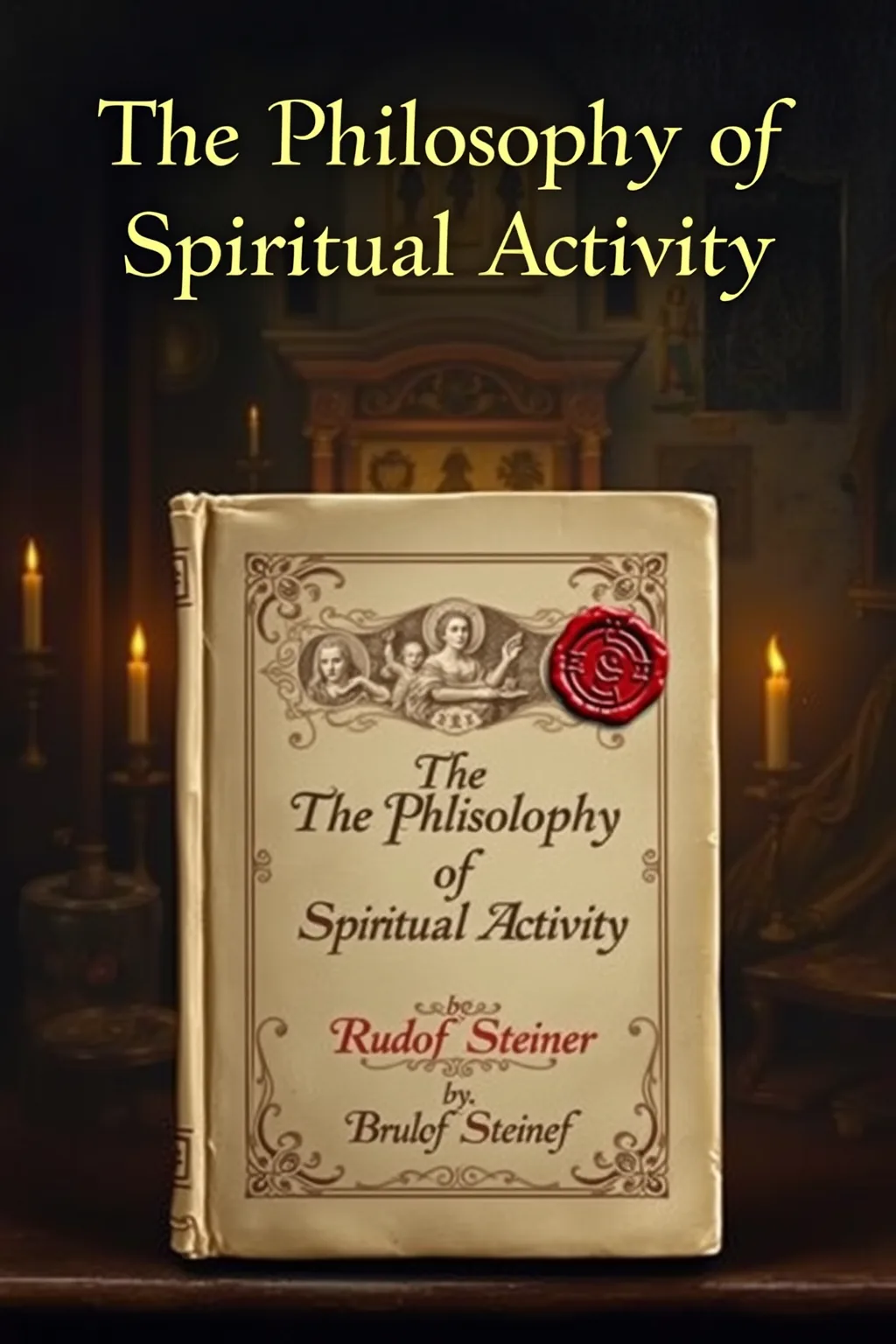
The Philosophy of Spiritual Activity: A Modern Philosophy of Life Developed by Scientific Methods
 69
69

The Philosophy of Spiritual Activity: A Modern Philosophy of Life Developed by Scientific Methods



Rudolf Steiner's 'The Philosophy of Spiritual Activity' is a seminal work that stands as a cornerstone of both Theosophy and Anthroposophy. Published in 1861, this book is a pioneering effort to integrate spiritual wisdom with scientific methodologies, making it a unique and valuable resource for modern esoteric seekers. Steiner's exploration of free will and determinism is particularly enlightening, as he delves into the philosophical underpinnings of these concepts with a clarity that is both rigorous and inspiring. For contemporary readers, this text offers a fresh perspective on the nature of knowledge and the pursuit of spiritual understanding. Steiner's insights into the theory of knowledge are especially relevant in today's world, where the boundaries between science and spirituality are often blurred. The book's historical context adds depth to its relevance, as it reflects the intellectual and spiritual currents of its time. Steiner's ability to weave together complex ideas into a coherent and accessible narrative is truly remarkable. Overall, 'The Philosophy of Spiritual Activity' is a must-read for anyone interested in the intersection of spirituality and science, and it deserves a solid 4-star rating for its enduring value and insight.
📝 Description
69
Rudolf Steiner published 'The Philosophy of Spiritual Activity' in 1918, proposing a scientific method for spiritual insight.
Rudolf Steiner's 1918 book, 'The Philosophy of Spiritual Activity,' outlines a path to spiritual knowledge using methodical thinking. He argues that human freedom arises from conscious spiritual activity, not from chance or external forces. The work details how individuals can develop their inner capacities to perceive spiritual realities. Steiner connects ethical action with a scientific understanding of the cosmos, suggesting that awareness of spiritual laws can guide moral development.
He asserts that by applying rigorous thought processes, similar to those used in natural science, one can achieve direct experience of the spiritual world. This approach aims to bridge the gap between the material and the spiritual, demonstrating that the latter is accessible through disciplined inner work. The book addresses concepts like karma, reincarnation, and the nature of the human soul, presenting them as subjects for empirical investigation through spiritual science.
This book is a central text within Anthroposophy, a spiritual philosophy Rudolf Steiner developed in the early 20th century. Anthroposophy seeks to understand the spiritual nature of humanity and the universe through a method Steiner called 'spiritual science.' Unlike purely mystical traditions, Steiner emphasized a disciplined, rational approach to accessing spiritual insights, aiming to make them verifiable through inner experience. 'The Philosophy of Spiritual Activity' lays out the epistemological and ethical foundations for this endeavor, positioning it within a lineage of thinkers who sought to integrate spiritual understanding with modern scientific and philosophical thought.
✍️ Author
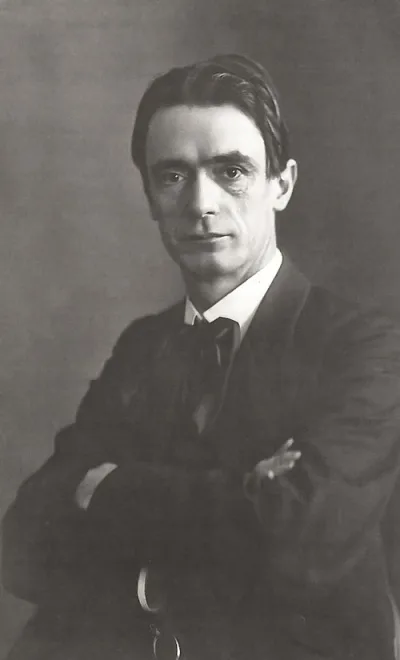
Steiner, Rudolf
Rudolf Steiner was an Austrian philosopher, esotericist, and social reformer, known for founding anthroposophy.
Occultist
💡 Why Read This Book?
Reading 'The Philosophy of Spiritual Activity' today offers readers a unique opportunity to explore the profound connections between spirituality and scientific inquiry. Steiner's work provides a holistic approach to understanding the world, integrating both spiritual insights and empirical evidence. By delving into the themes of free will and determinism, readers can gain a deeper understanding of their own lives and the complexities of human experience. This book is particularly valuable for those seeking to bridge the gap between different forms of knowledge and to develop a more comprehensive worldview. Whether you are a spiritual seeker, a philosopher, or a scientist, this text offers timeless insights that can enrich your understanding of the mysteries of existence.
⭐ Reader Reviews
Honest opinions from readers who have explored this book.
❓ Frequently Asked Questions
What is the main focus of 'The Philosophy of Spiritual Activity'?
The main focus of the book is the integration of spiritual wisdom with scientific methodologies, exploring themes such as free will, determinism, and the theory of knowledge.
Who should read this book?
This book is ideal for anyone interested in esoteric traditions, spiritual philosophy, and the intersection of science and spirituality. It is particularly valuable for those seeking a deeper understanding of the human condition and the nature of reality.
What makes this book relevant today?
The book's exploration of free will and determinism, as well as its holistic approach to knowledge, makes it highly relevant for contemporary readers. Steiner's insights offer a fresh perspective on the complexities of human experience and the pursuit of spiritual understanding.
🔮 Key Themes & Symbolism
Free Will and Determinism
Steiner looks at the age-old debate of free will versus determinism, offering insights into the esoteric dimensions of human choice and action. He explores how our spiritual selves interact with the physical world, revealing the hidden mechanisms that govern our lives.
The Quest for Knowledge
The book examines the nature of knowledge and the methods by which we acquire it. Steiner's scientific approach to esoteric themes provides a unique perspective on the pursuit of truth and the hidden knowledge that lies beyond the veil of ordinary experience.
The Spiritual Dimensions of Life
Steiner's work is deeply rooted in the mystical traditions of Anthroposophy, exploring the spiritual dimensions of human existence. He reveals the interconnectedness of the physical and spiritual realms, offering readers a deeper understanding of the occult truths that underlie our reality.
💬 Memorable Quotes
Direct passages from the work, attributed to the author.
“True knowledge comes from within.”
— Steiner emphasizes the importance of inner exploration and spiritual practice in the quest for hidden knowledge.
“Free will is the expression of the spirit's desire for self-realization.”
— Steiner's exploration of free will reveals the esoteric dimensions of human choice and action.
💡 Key Ideas
Editorial paraphrase of the work's core concepts — not direct quotes.
The human being is a microcosm reflecting the macrocosm.
This quote underscores Steiner's belief in the interconnectedness of all things, revealing the esoteric truths hidden within the human experience.
The spirit is the hidden essence of the material world.
This quote highlights Steiner's unique perspective on the relationship between the physical and spiritual realms.
The path to enlightenment lies in the integration of science and spirituality.
This quote expresses Steiner's methodical approach to blending scientific inquiry with mystical insights.
🌙 Esoteric Significance
Tradition
This book belongs to the Anthroposophical tradition, which emphasizes the spiritual dimensions of human existence and the interconnectedness of the physical and spiritual realms. Steiner's work is deeply rooted in esoteric wisdom, offering insights into the occult truths that underlie our reality.
Symbolism
Key symbols in the book include the microcosm-macrocosm relationship, the integration of science and spirituality, and the pursuit of hidden knowledge. These symbols reflect Steiner's belief in the unity of all things and the esoteric dimensions of human experience.
Modern Relevance
Today, Steiner's work continues to influence esoteric practitioners and scholars, providing a framework for understanding the spiritual dimensions of life. Modern practitioners use his insights to deepen their spiritual practices and explore the hidden knowledge that lies beyond the veil of ordinary experience.
👥 Who Should Read This Book
Beginners in esoteric studies will find Steiner's clear and methodical approach accessible, while scholars and spiritual seekers will appreciate the depth of his insights. Practitioners of Anthroposophy and other esoteric traditions will benefit from his unique perspective on the interconnectedness of the physical and spiritual realms. Those interested in the occult and theosophical traditions will find this book an invaluable resource for understanding the hidden dimensions of human existence.
📜 Historical Context
Written in the early 20th century, 'The Philosophy of Spiritual Activity' emerged during a time of significant intellectual and spiritual ferment. Steiner's work was influential in shaping the Anthroposophical movement, which sought to reconcile scientific knowledge with esoteric traditions. The book's exploration of free will and determinism, knowledge theory, and the spiritual dimensions of life resonated with readers seeking a deeper understanding of the human experience.
📔 Journal Prompts
How does Steiner's exploration of free will and determinism resonate with your own experiences?
In what ways does Steiner's work challenge or confirm your beliefs about the nature of knowledge?
Reflect on the symbolism of the microcosm-macrocosm relationship in your own life.
How does Steiner's integration of science and spirituality influence your spiritual practices?
What insights from Steiner's work can you apply to your quest for hidden knowledge?
🗂️ Glossary
Anthroposophy
A spiritual philosophy founded by Rudolf Steiner, emphasizing the interconnectedness of the physical and spiritual worlds.
Free Will
The ability to make choices independent of external influences, a central theme in Steiner's exploration of human experience.
Determinism
The belief that all events, including human actions, are ultimately determined by causes external to the will.
Esoteric Knowledge
Hidden or secret knowledge that is revealed only to those who are initiated into the mysteries of a particular tradition.
Microcosm-Macrocosm
The relationship between the individual (microcosm) and the universe (macrocosm), reflecting the interconnectedness of all things.
This book appears in 2 collections
🔮 Readers Also Liked
Browse all →









More by Steiner, Rudolf
All books →


From the “Theosophy” Collection
View all →








More Free Theosophy & Anthroposophy Books
View all →