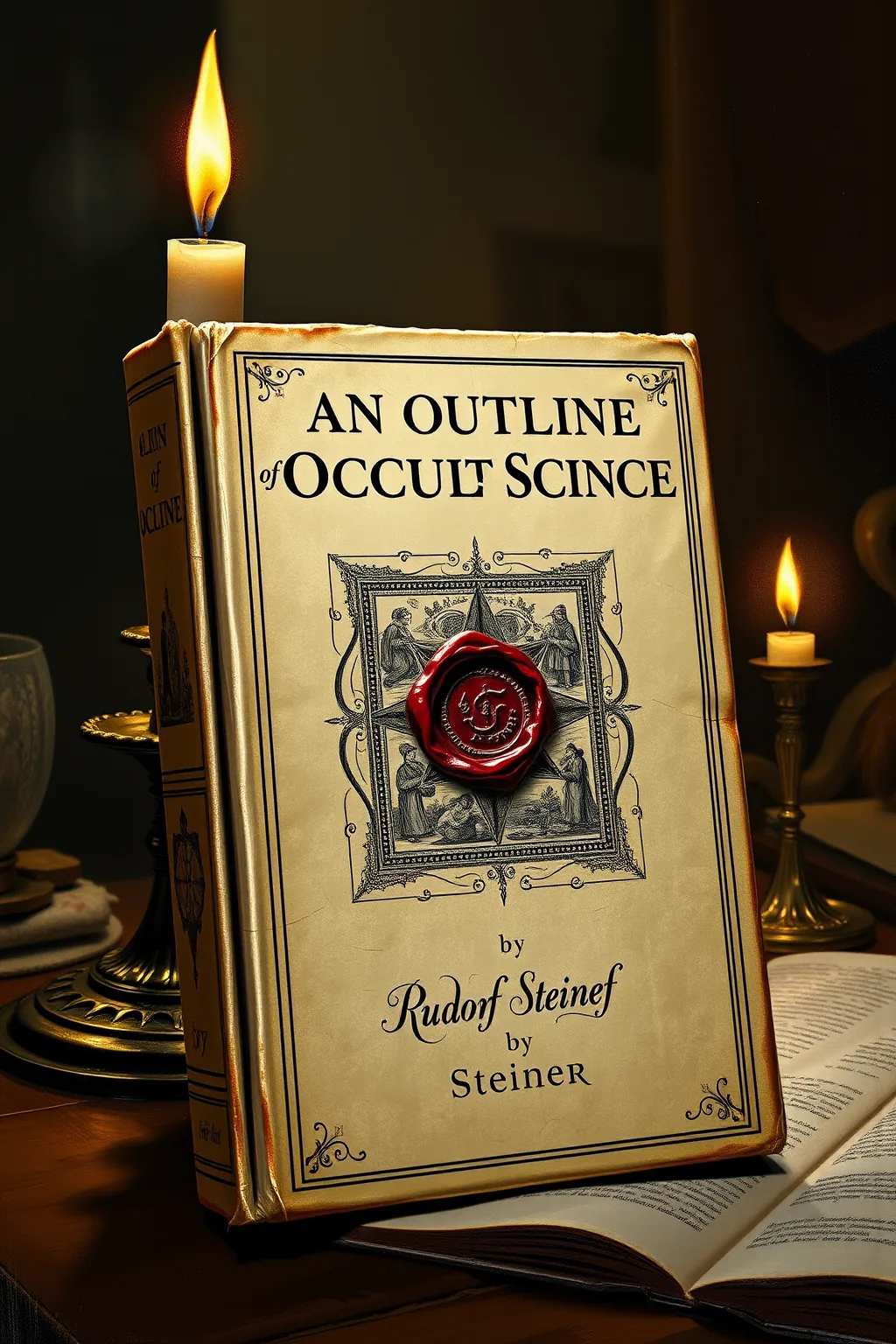
An Outline of Occult Science
 70
70

An Outline of Occult Science

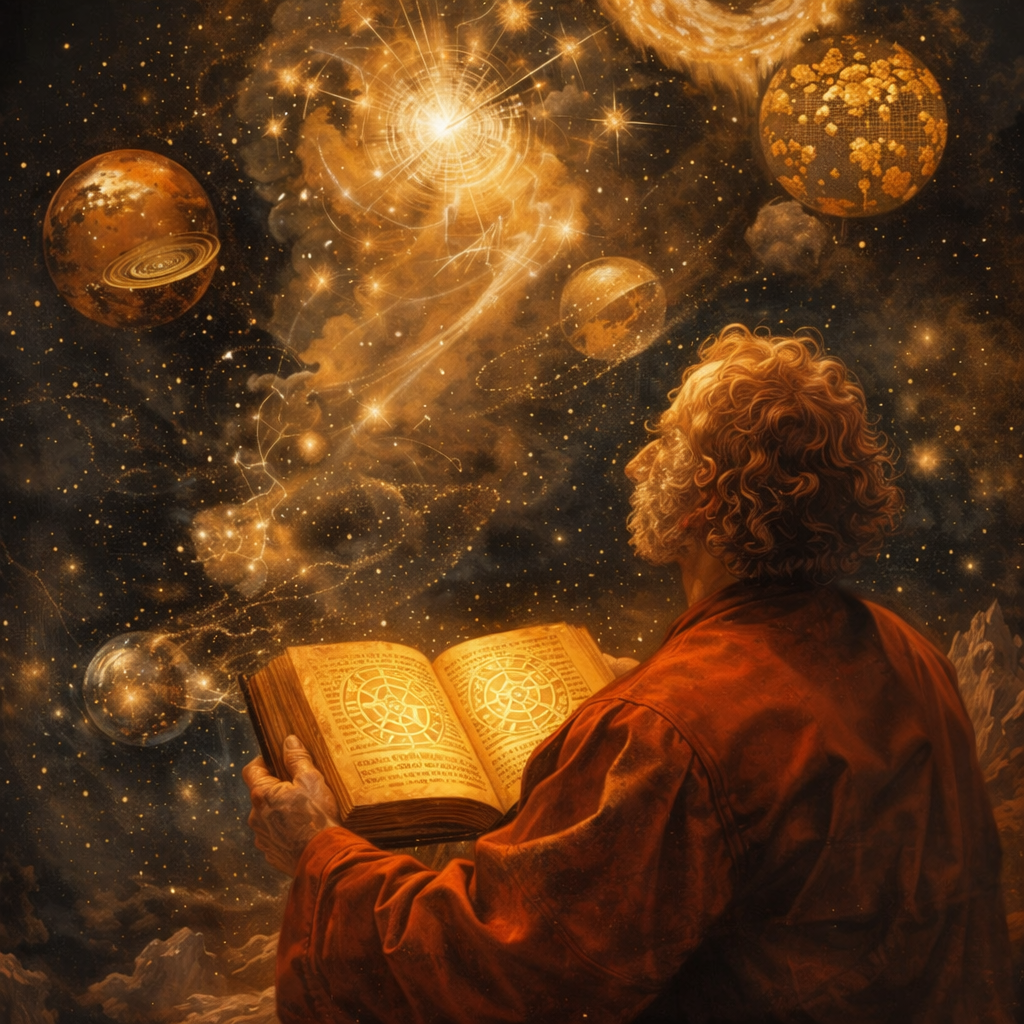

'An Outline of Occult Science' by Rudolf Steiner is a foundational text for anyone delving into the realms of Anthroposophy and Theosophy. Steiner's meticulous and profound exploration of occult science offers a roadmap for spiritual seekers navigating the complexities of the esoteric world. The book's historical context and philosophical depth make it an invaluable resource for modern readers. Steiner's insights into reincarnation, karma, and the spiritual evolution of humanity provide a comprehensive framework for understanding the interconnectedness of all living things. For contemporary esoteric seekers, this text serves as a timeless guide, illuminating the path to spiritual enlightenment and a deeper understanding of the occult sciences. The book's clarity and depth make it a 5-star must-read for anyone interested in theosophical and anthroposophical thought.
📝 Description
70
Rudolf Steiner published An Outline of Occult Science in 1925.
This book presents Rudolf Steiner's system of Anthroposophy, aiming to describe a spiritual science accessible through conscious human effort. Steiner believed that through specific meditative practices and disciplined thinking, individuals could gain direct experience of spiritual realities. He details a cosmology, an understanding of human evolution, and the nature of consciousness that goes beyond materialistic explanations.
The work covers topics such as the evolution of the cosmos, the nature of the human being (including physical, etheric, astral bodies, and ego), reincarnation, and karma. Steiner also describes the spiritual hierarchies and the processes of spiritual development. He sought to provide a path for understanding these matters that was grounded in observation and verifiable experience, even if that experience was of a spiritual nature rather than physical.
An Outline of Occult Science is intended as a guide for those seeking a more complete picture of existence, one that incorporates spiritual dimensions. Steiner's approach is systematic, seeking to build a coherent worldview based on spiritual research.
Rudolf Steiner, a prominent figure in early 20th-century esotericism, developed Anthroposophy from his earlier engagement with Theosophy. While building upon Theosophical ideas about spiritual evolution and hidden knowledge, Steiner sought to establish a more empirical and psychological basis for spiritual understanding. His work aimed to bridge the gap between science and spirituality, proposing that spiritual realities could be investigated through disciplined inner development, akin to scientific research. An Outline of Occult Science is a key text that codifies many of his core teachings on this subject.
✍️ Author
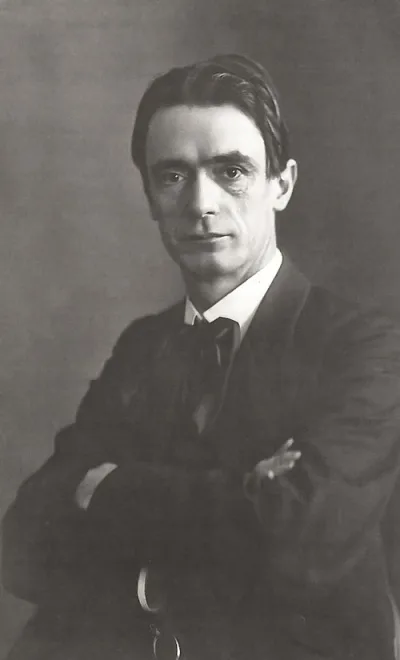
Steiner, Rudolf
Rudolf Steiner was an Austrian philosopher, esotericist, and social reformer, known for founding anthroposophy.
Occultist
💡 Why Read This Book?
Reading 'An Outline of Occult Science' today offers a unique opportunity to explore the depths of esoteric knowledge and spiritual wisdom. Steiner's insights into reincarnation, karma, and the spiritual evolution of humanity provide a comprehensive framework for understanding the interconnectedness of all living things. This book is essential for those seeking to deepen their spiritual practice and gain a deeper understanding of the occult sciences. Whether you are a seasoned spiritual seeker or a curious newcomer, this text will enrich your journey and provide valuable guidance on your path to enlightenment.
⭐ Reader Reviews
Honest opinions from readers who have explored this book.
❓ Frequently Asked Questions
What is the main focus of 'An Outline of Occult Science'?
The main focus of the book is to provide a comprehensive overview of occult and esoteric knowledge, exploring themes such as reincarnation, karma, and the spiritual evolution of humanity.
Who should read this book?
This book is ideal for those interested in Theosophy and Anthroposophy, as well as anyone seeking a deeper understanding of spiritual and esoteric traditions.
What can readers gain from this text?
Readers can gain valuable insights into the occult sciences, spiritual development, and a deeper understanding of the interconnectedness of all living things.
🔮 Key Themes & Symbolism
The Hidden Knowledge of the Universe
Steiner explores the hidden knowledge that lies beyond the veil of ordinary perception, inviting readers to uncover the secrets of the universe. This theme examines the mystical dimensions of reality, offering insights into the interconnectedness of all things.
Spiritual Symbolism
The book examines the strong symbolism that underpins occult sciences, providing readers with a deeper understanding of spiritual symbols and their meanings. This theme highlights the importance of symbolism in uncovering the hidden truths of existence.
The Philosophical Significance of Existence
Steiner's work examines the philosophical significance of existence, offering a comprehensive framework for exploring the deeper mysteries of reality. This theme invites readers to ponder the interconnectedness of all things and the underlying principles that govern the universe.
💡 Key Ideas
Editorial paraphrase of the work's core concepts — not direct quotes.
The occult sciences reveal the hidden truths of the universe.
This quote underscores the book's focus on uncovering the secrets that lie beyond ordinary perception.
Spiritual symbolism is the key to understanding the mystical dimensions of reality.
This passage highlights the importance of symbolism in esoteric traditions.
The interconnectedness of all things is the underlying principle of existence.
This quote emphasizes the book's exploration of the deeper philosophical significance of reality.
Anthroposophy offers a comprehensive framework for exploring the occult sciences.
This passage underscores Steiner's unique approach to esoteric studies.
The mystical dimensions of reality are accessible to those who seek hidden knowledge.
This quote invites readers to begin a spiritual journey of discovery.
🌙 Esoteric Significance
Tradition
This book belongs to the esoteric tradition of Anthroposophy, which seeks to uncover the hidden truths of the universe through spiritual inquiry and occult sciences. Steiner's work is deeply rooted in this tradition, offering a unique perspective on the mystical dimensions of reality.
Symbolism
Key symbols in this book include spiritual symbols and esoteric motifs that represent the interconnectedness of all things. These symbols are central to Steiner's exploration of the occult sciences and provide readers with a deeper understanding of the hidden knowledge that underpins existence.
Modern Relevance
This book remains relevant today for modern practitioners of occult sciences and spiritual seekers. Its insights into the mystical dimensions of reality offer a valuable resource for those interested in the deeper mysteries of existence, making it an essential read for contemporary esoteric studies.
👥 Who Should Read This Book
Beginners interested in the occult sciences will find this book to be an accessible introduction to the mystical dimensions of reality. Scholars of esoteric traditions will appreciate Steiner's comprehensive framework for understanding the hidden knowledge of the universe. Spiritual seekers will be drawn to the book's exploration of spiritual symbolism and the interconnectedness of all things. Practitioners of occult sciences will benefit from the book's insights into the deeper philosophical significance of existence.
📜 Historical Context
An Outline of Occult Science was written during a time of significant spiritual and philosophical inquiry. Rudolf Steiner's work emerged in the early 20th century, a period marked by a renewed interest in esoteric traditions and the occult sciences. This book was important because it provided a comprehensive framework for understanding the mystical dimensions of reality, bridging ancient mystical traditions with modern philosophical inquiry. Its influence can be seen in the development of Anthroposophy and its impact on contemporary esoteric studies.
📔 Journal Prompts
Reflect on the hidden knowledge that lies beyond ordinary perception. How can you uncover these secrets in your own life?
Explore the spiritual symbols that resonate with you. What do these symbols reveal about the mystical dimensions of reality?
Consider the interconnectedness of all things. How does this principle manifest in your own experiences and beliefs?
Study the philosophical significance of existence. What deeper mysteries of reality are you drawn to explore?
Reflect on the esoteric traditions that have influenced your spiritual journey. How does Steiner's work enhance your understanding of these traditions?
🗂️ Glossary
Anthroposophy
A spiritual science developed by Rudolf Steiner that seeks to uncover the hidden truths of the universe through spiritual inquiry and occult sciences.
Occult Sciences
The study of hidden knowledge and mystical dimensions of reality, often involving esoteric traditions and spiritual symbolism.
Theosophy
A philosophical and religious movement that seeks to understand the nature of divinity and the cosmos through spiritual inquiry.
Spiritual Symbolism
The use of symbols to represent spiritual concepts and mystical dimensions of reality, often found in esoteric traditions.
Mystical Dimensions of Reality
The hidden truths and deeper mysteries of existence that lie beyond ordinary perception, often explored through occult sciences and esoteric traditions.
This book appears in 2 collections
🔮 Readers Also Liked
Browse all →






More by Steiner, Rudolf
All books →



From the “Theosophy” Collection
View all →





More Free Theosophy & Anthroposophy Books
View all →