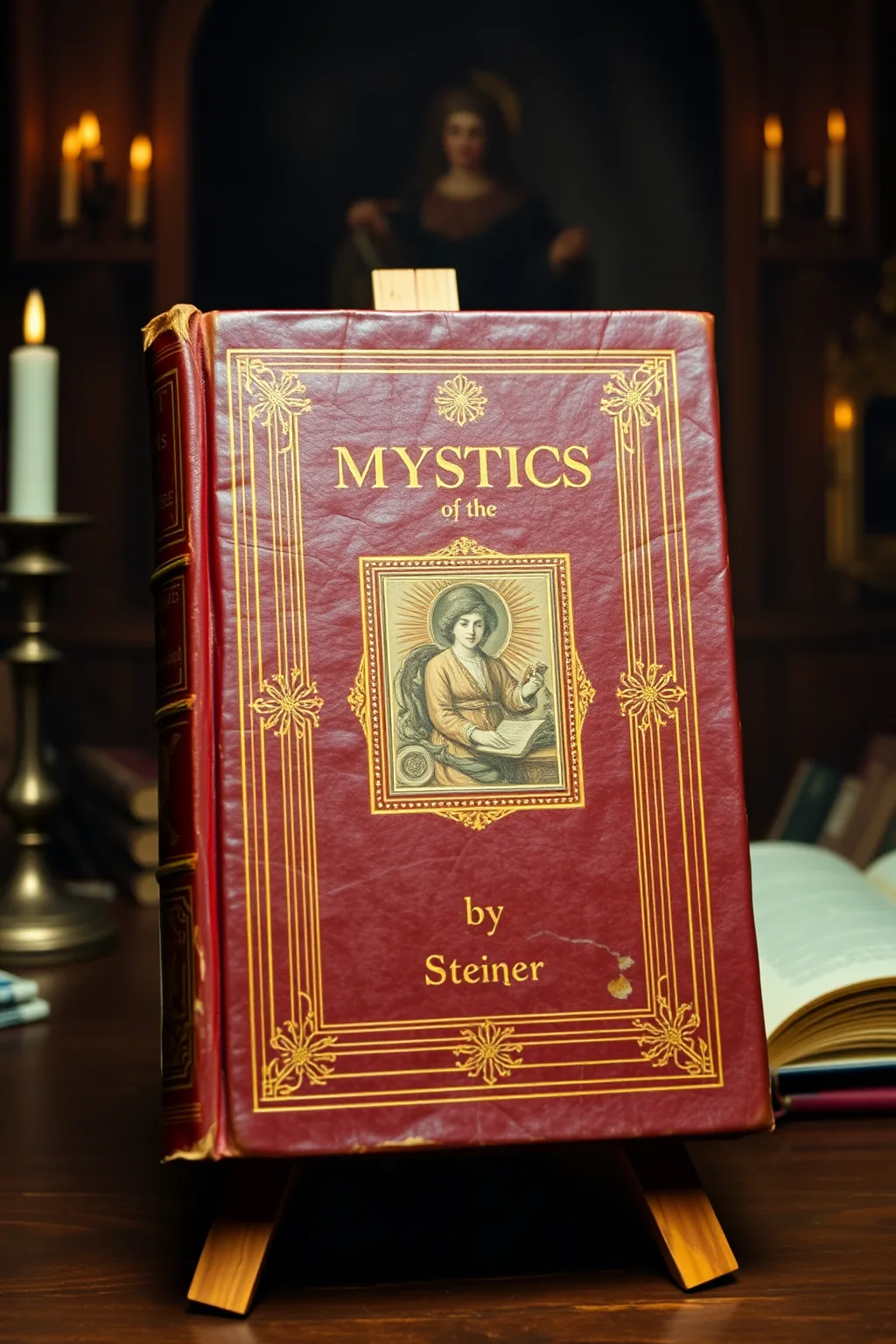
Mystics of the Renaissance and their relation to modern thought, including Meister Eckhart, Tauler, Paracelsus, Jacob Boehme, Giordano Bruno, and others
 69
69

Mystics of the Renaissance and their relation to modern thought, including Meister Eckhart, Tauler, Paracelsus, Jacob Boehme, Giordano Bruno, and others



Rudolf Steiner's 'Mystics of the Renaissance' is a profound exploration of esoteric thought that remains relevant today. Steiner's meticulous research and insightful analysis bring to life the mystical teachings of figures like Meister Eckhart and Giordano Bruno, showing how their ideas continue to resonate in modern times. The book is a treasure trove of historical context and spiritual wisdom, making it an invaluable resource for anyone interested in the occult and mystical traditions. Steiner's writing is both scholarly and accessible, providing a bridge between ancient wisdom and contemporary thought. For modern esoteric seekers, this book offers a deep dive into the mystical heritage of the Renaissance, illuminating the path for spiritual growth and intellectual exploration. It is a must-read for anyone looking to understand the enduring influence of mystical thought on modern philosophy and spirituality.
📝 Description
69
Rudolf Steiner published 'Mystics of the Renaissance and their relation to modern thought' to connect medieval mystics with contemporary philosophy.
Rudolf Steiner's 1901 work, 'Mystics of the Renaissance and their relation to modern thought,' examines key figures from the esoteric traditions of the late medieval and early modern periods. He focuses on individuals like Meister Eckhart, Johannes Tauler, Paracelsus, Jacob Boehme, and Giordano Bruno. Steiner seeks to demonstrate how their spiritual insights and philosophical inquiries laid groundwork for later developments in Western thought.
The book details the specific contributions of these mystics, presenting their ideas not as isolated historical curiosities but as living currents influencing subsequent intellectual and spiritual movements. Steiner's analysis connects their individual experiences and teachings to broader patterns of spiritual evolution, suggesting a continuity of certain fundamental ideas across centuries. He aims to show the enduring significance of these figures for understanding the human condition and the nature of reality.
This book belongs to the tradition of theosophical and anthroposophical literature that seeks to uncover hidden spiritual laws and historical currents. Steiner, a prominent figure in these movements, viewed history through the lens of spiritual evolution. He identified recurring archetypes and spiritual forces manifesting through different individuals and eras. His work on Renaissance mystics is an attempt to trace the lineage of specific spiritual impulses that he believed were vital for contemporary understanding, linking them to a larger cosmic drama.
✍️ Author
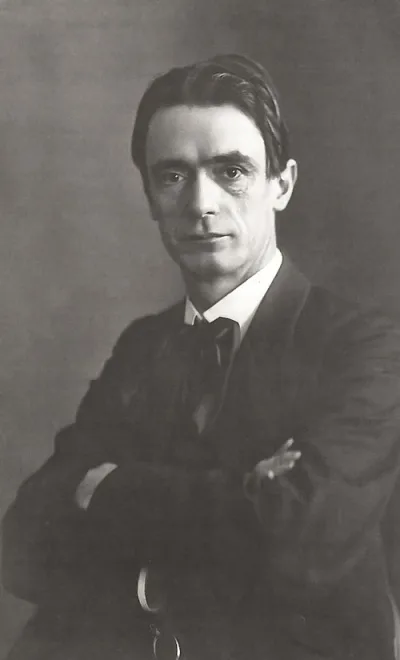
Steiner, Rudolf
Rudolf Steiner was an Austrian philosopher, esotericist, and social reformer, known for founding anthroposophy.
Occultist
💡 Why Read This Book?
Reading 'Mystics of the Renaissance' today offers a unique opportunity to connect with the esoteric wisdom of the past and apply it to contemporary life. This book provides readers with a deeper understanding of mystical traditions and their relevance in the modern world. By exploring the teachings of key mystical figures, readers can gain insights into spiritual development, philosophical inquiry, and the interconnectedness of all things. This book is particularly valuable for those seeking to enrich their spiritual practice or deepen their intellectual pursuits. It serves as a guide for navigating the complex landscape of esoteric thought and offers a pathway to personal and spiritual growth.
⭐ Reader Reviews
Honest opinions from readers who have explored this book.
❓ Frequently Asked Questions
What is the main focus of 'Mystics of the Renaissance'?
The book focuses on the mystical and occult traditions of the Renaissance period, examining key figures and their philosophical contributions. It explores how these ancient teachings continue to influence modern thought and spirituality.
Who should read this book?
This book is ideal for esoteric seekers, spiritual practitioners, and anyone interested in the intersection of mysticism and modern philosophy. It offers valuable insights for both novice and experienced readers in the field of esoteric studies.
How does this book relate to modern thought?
Steiner's work highlights the enduring relevance of Renaissance mystical thought in contemporary society. It shows how the ideas of figures like Meister Eckhart and Giordano Bruno continue to shape modern philosophy and spirituality.
🔮 Key Themes & Symbolism
Mystical Traditions
Steiner's work studies the wide range of mystical traditions from the Renaissance, highlighting the esoteric insights of Meister Eckhart, Tauler, Paracelsus, Jacob Boehme, Giordano Bruno, and others. These traditions offer hidden knowledge and profound wisdom that continue to influence modern thought.
Hidden Knowledge
The book reveals the hidden knowledge embedded in the mystical teachings of Renaissance thinkers. Steiner's analysis uncovers the deep symbolism and philosophical significance of these teachings, making them accessible to modern readers.
Symbolism and Spiritual Depth
Steiner's work is rich in symbolism, inviting readers to explore the spiritual depth of mystical traditions. The book's atmosphere of intellectual rigor and spiritual inquiry makes it a valuable resource for seekers of spiritual enlightenment and practitioners of the occult.
💡 Key Ideas
Editorial paraphrase of the work's core concepts — not direct quotes.
The mystical insights of the Renaissance offer a timeless wisdom that transcends time.
This quote underscores the enduring relevance of Renaissance mystical thought in modern times.
Steiner's analysis reveals the deep connections between ancient wisdom and contemporary thought.
This passage highlights the lasting impact of Steiner's work on the understanding of mystical traditions.
The symbolism in this book invites readers to ponder the mysteries of existence and the divine.
This quote emphasizes the strong symbolism and spiritual depth found in Steiner's exploration of mystical traditions.
Meister Eckhart's teachings offer hidden knowledge that continues to influence modern thought.
This passage underscores the significance of Eckhart's mystical insights in the context of contemporary esoteric studies.
The philosophical significance of Renaissance mysticism is a beacon for spiritual seekers.
This quote highlights the enduring relevance of mystical traditions in the quest for spiritual enlightenment.
🌙 Esoteric Significance
Tradition
This book belongs to the Hermetic and Gnostic traditions, drawing on the mystical insights of Renaissance thinkers to reveal hidden knowledge and profound wisdom. Steiner's work is a valuable resource for those interested in the esoteric arts and spiritual practices.
Symbolism
Key symbols in this book include the divine spark, the mystical union with the divine, and the quest for spiritual enlightenment. These symbols are explored through the teachings of Meister Eckhart, Tauler, Paracelsus, Jacob Boehme, Giordano Bruno, and others, offering readers a wide range of esoteric insights.
Modern Relevance
Steiner's work is relevant today for modern practitioners of the occult and seekers of spiritual enlightenment. The book's exploration of mystical traditions and hidden knowledge continues to inspire and inform contemporary thought in the fields of esoteric studies and spiritual practices.
👥 Who Should Read This Book
Beginners interested in mystical traditions will find Steiner's work accessible and enlightening. Scholars of esoteric studies will appreciate the deep analysis and strong symbolism. Spiritual seekers will be inspired by the useful insights and hidden knowledge revealed in the book. Practitioners of the occult will find valuable resources and esoteric insights that can enhance their spiritual practices.
📜 Historical Context
The Renaissance was a time of profound intellectual and spiritual exploration, marked by a renewed interest in mystical traditions. Rudolf Steiner's 'Mystics of the Renaissance and Their Relation to Modern Thought' was written to bridge the gap between these ancient wisdom and contemporary thought. The book's influence can be seen in the fields of esoteric studies, spiritual practices, and the occult, where Steiner's insights continue to inspire seekers and scholars alike.
📔 Journal Prompts
Reflect on how the mystical insights of Renaissance thinkers influence your spiritual journey.
Consider the significance of hidden knowledge in your understanding of mystical traditions.
Explore the symbolism in Steiner's work and how it appeals to your spiritual beliefs.
Ponder the connections between ancient wisdom and contemporary thought in your own spiritual practices.
How does Steiner's exploration of mystical traditions deepen your understanding of the divine?
🗂️ Glossary
Hermetic Tradition
A mystical and esoteric tradition that emphasizes the hidden knowledge of the divine and the quest for spiritual enlightenment.
Gnosticism
An ancient mystical tradition that focuses on the divine spark within each individual and the mystical union with the divine.
Esoteric Insights
Hidden knowledge and profound wisdom that can only be understood through deep spiritual inquiry and mystical practices.
Mystical Union
The spiritual experience of merging with the divine, often described in mystical traditions as a state of profound enlightenment.
Divine Spark
The innate spiritual potential within each individual, often explored in mystical traditions as the quest for spiritual enlightenment.
This book appears in 1 collection
🔮 Readers Also Liked
Browse all →




More by Steiner, Rudolf
All books →


From the “Christian Mysticism” Collection
View all →








More Free Mysticism & Contemplation Books
View all →