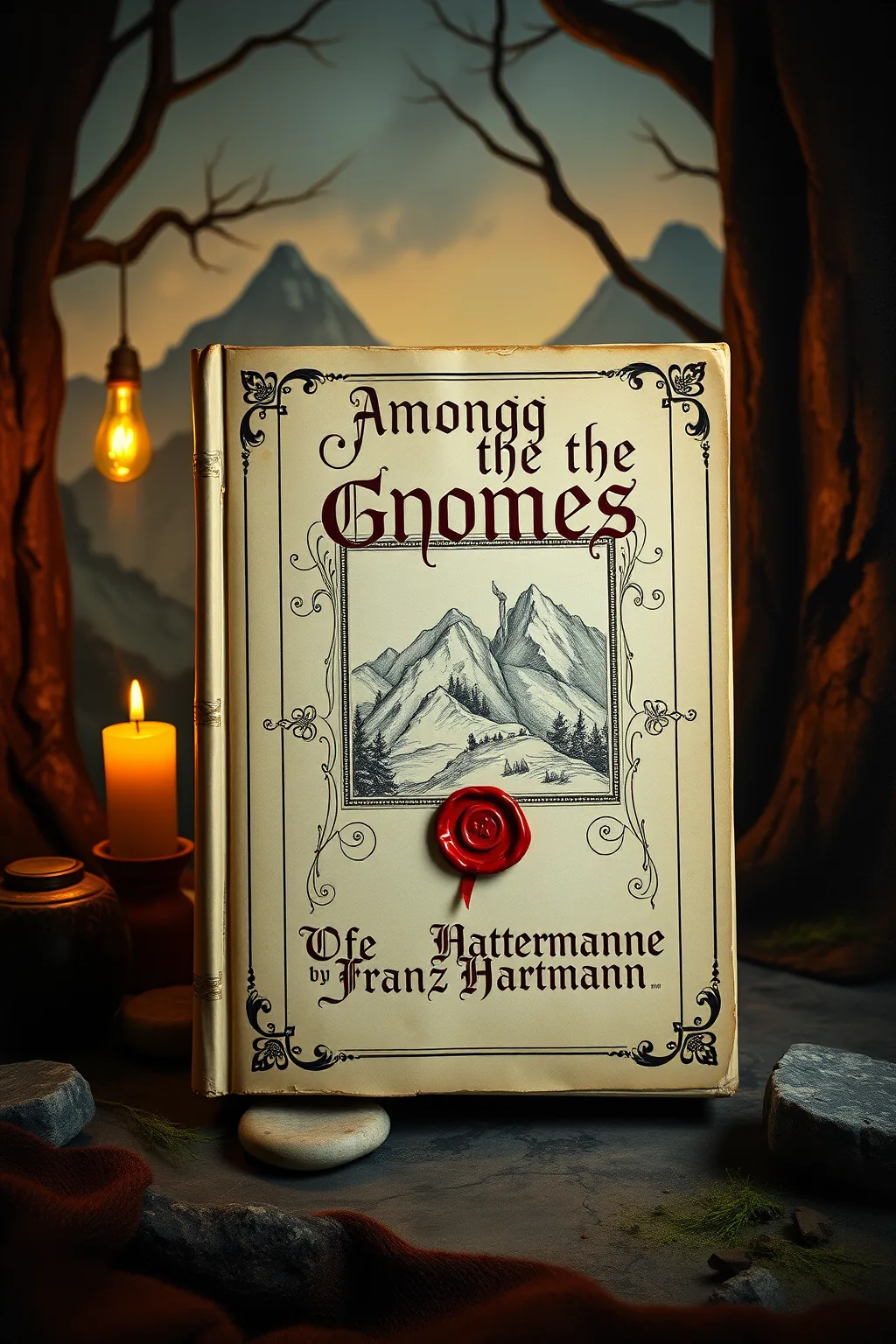
Among the gnomes: An occult tale of adventure in the Untersberg
 69
69

Among the gnomes: An occult tale of adventure in the Untersberg


Franz Hartmann's 'Among the Gnomes' is a hidden gem in the realm of esoteric literature. Published in 1838, this occult tale of adventure in the Untersberg mountain offers a profound exploration of mystical themes and spiritual quests. Hartmann's narrative is rich with alchemical symbolism and ancient mystical traditions, making it a valuable resource for modern esoteric seekers. The story's setting in the Unterwelt, a subterranean realm inhabited by gnomes and other mythical creatures, provides a vivid backdrop for the protagonist's journey of spiritual transformation. Hartmann's prose is both engaging and thought-provoking, inviting readers to reflect on the interplay between the material and spiritual worlds. For those interested in German fiction and occult philosophy, 'Among the Gnomes' is a must-read. It offers a deep dive into the esoteric traditions of the 19th century, a time of renewed interest in spiritualism and occultism. Hartmann's work is a testament to the enduring appeal of mystical quests and the search for hidden knowledge.
📝 Description
69
Franz Hartmann's 1893 novel, 'Among the Gnomes,' details an occult adventure in the Untersberg.
This 1893 novel by Franz Hartmann follows an adventure story set in the Untersberg mountain region. The narrative unfolds a tale of mystical intrigue and esoteric knowledge. Hartmann uses rich symbolism to depict a world where the mundane and magical are closely connected.
The book's descriptive prose aims to immerse readers in a setting filled with ancient secrets. It touches upon philosophical ideas and encourages contemplation of consciousness and universal mysteries. The story is suited for individuals interested in the occult and spiritual exploration.
Published in 1893, 'Among the Gnomes' emerges from the late 19th-century European esoteric revival. This period saw renewed interest in occultism, spiritualism, and secret societies, often blending Christian mysticism with Eastern philosophies and pre-Christian European traditions. Hartmann, a proponent of Theosophy and Freemasonry, placed his narrative within this intellectual climate. The story engages with themes of hidden knowledge and spiritual transformation, reflecting the era's broader fascination with the unseen world and ancient wisdom traditions.
✍️ Author
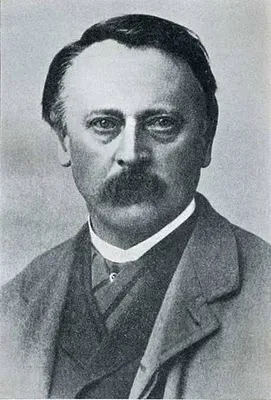
Hartmann, Franz
Franz Hartmann (22 November 1838, Donauwörth – 7 August 1912, Kempten im Allgäu) was a German medical doctor, theosophist, occultist, geomancer, astrologer, and author..
💡 Why Read This Book?
Reading 'Among the Gnomes' today offers a unique opportunity to explore the rich traditions of esoteric literature. This occult tale provides insights into the mystical quests and spiritual transformations that have captivated seekers for centuries. For modern readers, the book offers a bridge to ancient mystical traditions and alchemical symbolism, enriching their understanding of the occult. Hartmann's narrative is a timeless exploration of the human spirit's journey towards enlightenment and hidden knowledge.
⭐ Reader Reviews
Honest opinions from readers who have explored this book.
❓ Frequently Asked Questions
What is the main theme of 'Among the Gnomes'?
The main theme of 'Among the Gnomes' is the spiritual quest for hidden knowledge and transformation. The book explores the interplay between the material and spiritual worlds through the protagonist's journey in the mystical Untersberg mountain.
Is this book suitable for readers new to esoteric literature?
Yes, 'Among the Gnomes' is accessible to readers new to esoteric literature. Hartmann's engaging narrative and rich symbolism make it a valuable introduction to occult philosophy and mystical traditions.
What makes 'Among the Gnomes' a significant work in German fiction?
'Among the Gnomes' is significant in German fiction for its exploration of mystical themes and occult philosophy. Published in the 19th century, a time of renewed interest in spiritualism, the book offers a deep dive into the esoteric traditions that have influenced German literature and thought.
🔮 Key Themes & Symbolism
Hidden Knowledge
The book looks at the concept of hidden knowledge, exploring ancient secrets and mystical wisdom that have been passed down through generations. Hartmann's narrative encourages readers to seek out these truths and uncover the mysteries of the universe.
Symbolism and Allegory
Rich in symbolism and allegory, Among the Gnomes uses these literary devices to convey deeper philosophical and spiritual insights. Each symbol is carefully crafted to represent complex ideas, making the story a body of meaning.
Spiritual Enlightenment
The journey into the Untersberg mountain serves as a metaphor for the quest for spiritual enlightenment. Readers are invited to explore their own consciousness and seek out the hidden truths that lie within, making this book a guide to inner transformation.
💡 Key Ideas
Editorial paraphrase of the work's core concepts — not direct quotes.
The path to wisdom is often hidden in the shadows.
This line underscores the idea that true knowledge is not easily accessible and requires a deep search.
In the heart of the mountain, ancient secrets await.
This passage highlights the mystical and esoteric themes, suggesting that hidden wisdom can be found in unexpected places.
The veil between worlds is thin, and magic is closer than you think.
This quote emphasizes the thin boundary between the mundane and the magical, encouraging readers to explore the mystical.
Symbols hold the key to unlocking the mysteries of the universe.
This line underscores the importance of symbolism in understanding deeper truths and philosophical insights.
The journey within is the true path to enlightenment.
This passage emphasizes the importance of inner exploration and self-discovery in the quest for spiritual growth.
🌙 Esoteric Significance
Tradition
Among the Gnomes belongs to the Hermetic tradition, which emphasizes the pursuit of hidden knowledge and the exploration of mystical realms. Hartmann's work draws from various esoteric sources, making it a body of Hermetic wisdom.
Symbolism
Key symbols in the book include the mountain, the gnomes, and various magical artifacts. Each symbol represents deeper philosophical and spiritual insights, encouraging readers to explore their meanings and uncover hidden truths.
Modern Relevance
Today, Among the Gnomes remains relevant for modern practitioners of the occult and seekers of spiritual enlightenment. Its strong symbolism and philosophical depth make it a valuable resource for those exploring the mysteries of the universe.
👥 Who Should Read This Book
Beginners in the field of the occult will find Among the Gnomes an accessible and enlightening read, offering a gentle introduction to mystical themes. Scholars of occult philosophy will appreciate the deep symbolism and philosophical insights, making it a valuable resource for academic study. Spiritual seekers will find inspiration and guidance in their quest for enlightenment, while practitioners of the occult will discover new avenues for exploration and understanding.
📜 Historical Context
Among the Gnomes was written during a time when interest in the occult and mystical literature was growing. Franz Hartmann, a renowned occultist and scholar, drew from various esoteric traditions to create a narrative that resonated with readers seeking hidden knowledge. The book's influence can be seen in later works of fantasy and occult literature, inspiring authors to explore similar themes and settings.
📔 Journal Prompts
Reflect on the significance of hidden knowledge in your own life.
Explore the symbolism in the book and how it relates to your personal journey.
Consider the thin veil between the mundane and the magical in your experiences.
Write about a time when you sought out ancient secrets and what you discovered.
How does the quest for spiritual enlightenment resonate with your own quest?
🗂️ Glossary
Hermetic
Relating to the teachings of Hermes Trismegistus, emphasizing hidden knowledge and spiritual transformation.
Occult
Pertaining to knowledge of the hidden or secret, often involving mystical and supernatural elements.
Symbolism
The use of symbols to represent abstract ideas or qualities, often found in literature and art.
Esoteric
Intended for or likely to be understood by only a small number of people with a specialized knowledge or interest.
Gnomes
Mythical creatures often associated with earth and hidden treasures, symbolizing the guardians of ancient wisdom.
This book appears in 5 collections
🔮 Readers Also Liked
Browse all →
More by Hartmann, Franz
All books →
From the “Transcendental Meditation” Collection
View all →






More Free Occult Philosophy Books
View all →