Simple Meditation & Relaxation
 78
78

Simple Meditation & Relaxation
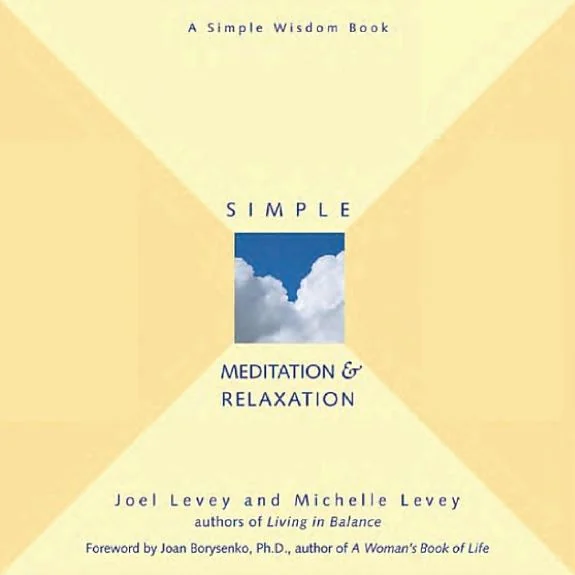
Joel and Michelle Levey's "Simple Meditation & Relaxation" arrives with a disarmingly straightforward title, promising exactly what it aims to deliver. In an era saturated with complex mindfulness methodologies, its strength lies in its unwavering commitment to accessibility. The early chapters, detailing techniques for breath awareness, are particularly effective, offering a concrete anchor for beginners. The limitation, however, is that this very simplicity might leave seasoned practitioners seeking deeper philosophical underpinnings or more nuanced explorations of consciousness. The passage discussing the 'observer' state, while clear, could benefit from a more robust exploration of its implications for self-perception. Ultimately, it serves as a highly functional primer, shedding light on the practical application of stillness.
📝 Description
78
Joel and Michelle Levey's 1999 book, Simple Meditation & Relaxation, offers accessible methods for mental quietude.
This guide presents practical strategies for achieving inner peace amidst the pressures of daily life. The Leveys outline clear methods to quiet mental chatter and foster deep relaxation. Readers receive tools designed for easy integration into their routines, aiming for greater contentment and mental balance regardless of outside conditions.
The book is for anyone feeling overwhelmed by modern life and seeking straightforward, non-dogmatic ways to reduce stress and gain mental clarity. It supports both newcomers to contemplative practices and those who find consistency a challenge. The work is especially helpful for individuals experiencing anxiety, burnout, or a feeling of disconnection.
It addresses meditation and relaxation not as obscure rituals, but as learnable skills. The authors highlight focused attention, particularly through breath awareness, as a way to stabilize the mind. Cultivating internal quietude through regular practice is a central idea, along with managing distractions.
Published in 1999, this book arrived as interest in mindfulness and stress reduction grew, fueled partly by the internet. The late 1990s saw increased awareness of the psychological impact of technology and consumerism. This period also marked the wider adoption of Eastern contemplative traditions in the West. The Leveys' work contributed to making these practices accessible, moving them from specialized spiritual or academic circles into mainstream self-help.
💡 Why Read This Book?
• Learn foundational breath-awareness techniques directly from Joel and Michelle Levey's 1999 guide, offering a clear starting point for managing mental clutter. • Gain practical strategies for finding calm, as detailed in the book's straightforward instructions, enabling you to cultivate contentment amidst modern pressures. • Understand the core principles of disengagement from distractions, a key concept presented in the book, to foster a more centered and peaceful internal state.
⭐ Reader Reviews
Honest opinions from readers who have explored this book.
❓ Frequently Asked Questions
When was "Simple Meditation & Relaxation" first published?
The book "Simple Meditation & Relaxation" by Joel and Michelle Levey was first published on July 1, 1999. This places its initial release at the cusp of the 21st century, a period of significant technological and cultural change.
What are the main benefits of the relaxation techniques presented?
The primary benefits highlighted include tuning out modern distractions, finding calm, and cultivating contentment. The techniques aim to reduce mental noise and foster a greater sense of peace and equilibrium.
Is this book suitable for absolute beginners to meditation?
Yes, the book is explicitly designed for beginners. Its clear guidance and effective, simple techniques aim to make meditation and relaxation accessible to those with no prior experience.
Who are Joel and Michelle Levey?
Joel and Michelle Levey are the authors of "Simple Meditation & Relaxation." They are known for their work in teaching meditation and mindfulness techniques, focusing on practical application for modern life.
Does the book discuss the impact of modern life on well-being?
Yes, the book directly addresses how modern life, with its material wealth and technology, can paradoxically lead to unhappiness. It offers meditation and relaxation as antidotes to these pressures.
What is the core message regarding contentment?
The core message is that contentment is not solely derived from external factors like wealth or possessions. The book guides readers to cultivate inner states of calm and peace as the foundation for lasting contentment.
🔮 Key Themes & Symbolism
Cultivating Inner Quiet
The book emphasizes the deliberate practice of mental quietude as a skill, rather than an innate talent. It provides actionable steps to systematically reduce the barrage of external and internal stimuli that characterize modern existence. This theme moves beyond mere stress reduction, suggesting that sustained inner quietude can lead to profound shifts in perception and well-being, aligning with contemplative traditions that seek clarity through stillness.
Detachment from Materialism
A central tenet explores the paradox of modern abundance leading to dissatisfaction. The authors contrast the potential for contentment found in simpler internal states with the often-illusory promise of happiness through consumer goods and technological advancement. This critique speaks to various philosophical and spiritual traditions that advocate for non-attachment as a path to liberation from suffering.
Accessible Contemplation
The work champions the idea that profound contemplative practices do not require complex rituals or years of secluded study. By offering straightforward guidance, it democratizes access to techniques historically associated with monastic or highly disciplined practitioners. This approach bridges the gap between esoteric knowledge and everyday life, making mental well-being a practical pursuit for anyone.
Mindfulness as an Anchor
The book highlights the power of focused attention, particularly on the breath, as a grounding mechanism. This technique serves as a practical tool to anchor the mind amidst mental turbulence, preventing it from being swept away by distracting thoughts or anxieties. This is a core practice found in many meditative traditions aiming for present-moment awareness.
💬 Memorable Quotes
Direct passages from the work, attributed to the author.
“Tune out the distractions of the modern world—and find calm and contentment.”
— This concise statement expresses the book's primary objective: to offer a practical escape route from the sensory overload and mental clutter prevalent in contemporary society, leading to a state of inner peace.
“Most of us have much more than our grandparents and great-grandparents did... Unfortunately, it doesn't always make us happier and more content than they were.”
— This observation critiques the modern pursuit of happiness through material accumulation, suggesting that true contentment may lie in internal states rather than external possessions, a concept explored across various philosophical schools.
“In this simple, straightforward guide, Joel and Michelle Levey reveal their tools for leading a conscious life.”
— This highlights the authors' intention to provide accessible, actionable methods for enhancing awareness and presence, positioning the book as a practical manual for personal development and mindful living.
“It can even have the opposite effect [of making us happier].”
— This interpretation points to the potential negative impact of excessive material wealth and technological engagement on well-being, setting the stage for the book's exploration of alternative paths to happiness.
“Clear guidance and effective techniques to tune out the distractions of the modern world.”
— This phrase emphasizes the book's direct approach, promising readers easily understandable instructions and proven methods to achieve mental clarity by filtering out external noise.
🌙 Esoteric Significance
Tradition
While not explicitly tied to a single esoteric lineage, "Simple Meditation & Relaxation" draws heavily from the practical application of contemplative techniques found in Buddhist Vipassanā and Zen traditions, as well as yogic prāṇāyāma (breath control). Its focus on immediate, secular application places it within the broader modern esoteric movement that seeks to distill and adapt ancient wisdom for contemporary, often non-religious, practitioners seeking self-transformation and psychological well-being.
Symbolism
The primary 'symbol' or motif is the breath itself – a universal, ever-present anchor. It functions as a direct link to the present moment, symbolizing the cessation of discursive thought and the return to pure awareness. Another implicit symbol is 'stillness,' representing the unmanifest potential from which clarity arises, a concept echoed in many mystical traditions that equate silence with divine presence or ultimate reality.
Modern Relevance
The work's principles remain highly relevant today, influencing numerous modern mindfulness apps, corporate wellness programs, and therapeutic interventions. Thinkers and practitioners in secularized Buddhism, cognitive behavioral therapy (CBT), and positive psychology often employ similar breath-awareness and attention-training techniques. Its emphasis on accessible mental hygiene continues to resonate with a public increasingly aware of mental health challenges and seeking practical, non-pharmacological solutions.
👥 Who Should Read This Book
• Individuals new to meditation and mindfulness practices seeking a clear, step-by-step introduction without esoteric jargon. • Busy professionals experiencing stress and burnout who need practical, time-efficient techniques to regain focus and calm, as detailed in the book's 1999 guide. • Anyone feeling overwhelmed by the pace and demands of modern life and looking for accessible tools to cultivate contentment and mental equilibrium.
📜 Historical Context
Published in 1999, "Simple Meditation & Relaxation" emerged during a period when secular mindfulness and stress-reduction techniques were gaining significant traction in the West. The late 20th century saw a surge in popular interest in Eastern contemplative practices, partly fueled by figures like Jon Kabat-Zinn, whose Mindfulness-Based Stress Reduction (MBSR) program, developed in the late 1970s, had already established a strong presence. This era was marked by a growing awareness of the psychological costs of rapid technological advancement and consumerism, leading many to seek practical methods for managing stress and finding inner peace. The book's straightforward, non-dogmatic approach aligned with this cultural shift, offering accessible tools distinct from more religiously or philosophically dense spiritual texts. While not facing overt censorship, its 'simplicity' may have been perceived by some as less rigorous than established Buddhist or yogic traditions, though its accessibility was precisely its strength in reaching a broader audience.
📔 Journal Prompts
The observer state's detachment from distractions, as discussed in the book.
Your personal experience with the paradox of modern abundance and contentment.
The effectiveness of breath awareness as an anchor during stressful moments.
Integrating the book's simple techniques into a busy daily schedule.
The contrast between external accumulation and internal peace.
🗂️ Glossary
Distractions
External stimuli (noise, demands) and internal mental chatter (worries, plans) that pull attention away from the present moment and hinder relaxation.
Contentment
A state of satisfaction and peace that is not dependent on external circumstances, possessions, or achievements, cultivated through inner practice.
Modern World
Refers to contemporary society characterized by advanced technology, consumerism, and a fast-paced lifestyle that often leads to stress and mental overstimulation.
Effective Techniques
Specific, actionable methods presented in the book designed to reliably produce the desired outcome of relaxation and mental quietude.
Clear Guidance
Instructions and explanations provided in a straightforward, easy-to-understand manner, making complex practices accessible to the reader.
Inner Peace
A state of mental and emotional tranquility, achieved through self-awareness and the management of thoughts and emotions, independent of external conditions.
Mental Equilibrium
A balanced state of mind where emotions and thoughts are managed effectively, preventing overwhelm and promoting stability and clarity.
This book appears in 1 collection
🔮 Readers Also Liked
Browse all →








From the “Dream Yoga” Collection
View all →







More Free Occult Philosophy Books
View all →