What are Elementals?
Elementals are considered nature spirits or beings associated with the classical elements: earth, air, fire, and water. In esoteric traditions, they are often described as intermediaries between the physical world and higher spiritual realms, or as the consciousness animating natural phenomena. Their study is central to understanding animistic beliefs and certain magical practices, as explored in texts ranging from folklore to specific occult systems.
Best Books for Complete Beginners
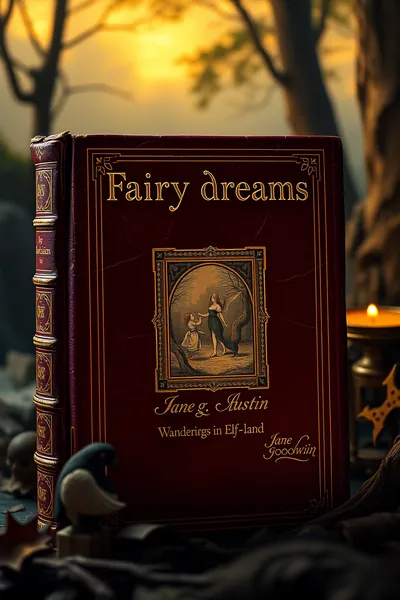
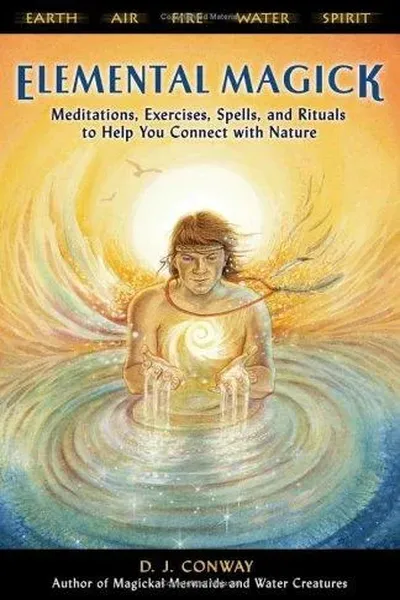
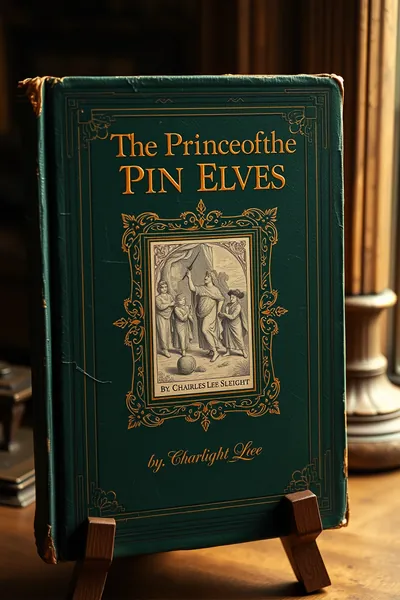
For those new to the subject, "Faeries & Elementals for Beginners" by Alexandra Chauran provides an accessible introduction. "Elemental Magick" by D. J. Conway offers practical guidance on understanding and interacting with elemental forces. "The Prince of the Pin Elves" by Charles Lee Sleight presents a narrative exploration of elemental beings. "Fairy dreams" by Jane G. Austin offers a glimpse into folkloric traditions. These texts serve as excellent starting points for grasping fundamental concepts and common portrayals.
Intermediate Reading
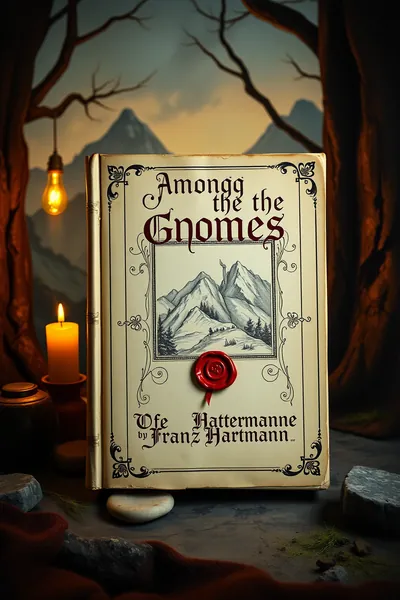
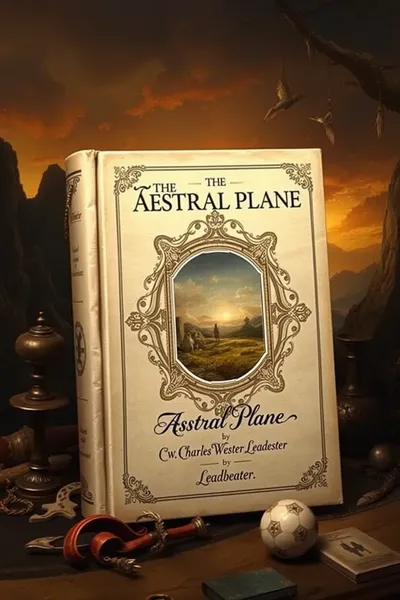
Moving beyond introductory material, "The Astral Plane" by C. W. Leadbeater explores the inhabitants and phenomena of subtle realms, including elementals. Franz Hartmann’s "Among the gnomes" offers an occult tale set in the context of elemental beings. "The Magic Nuts" by Mrs. Molesworth provides a narrative rich with elemental themes. "Answering the Call of the Elementals" by Thomas Mayer explores a more direct engagement with these entities. These works deepen understanding of elemental roles and interactions.
Classical / Advanced Texts
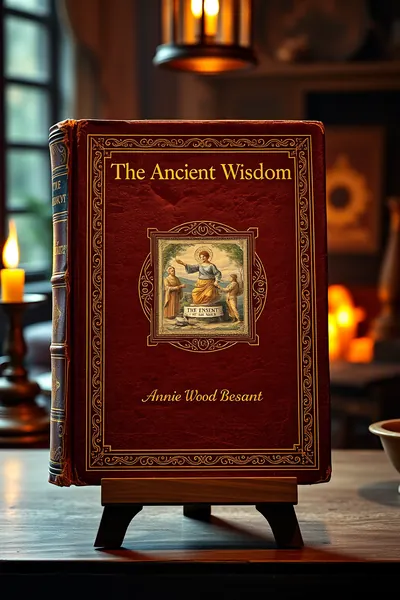
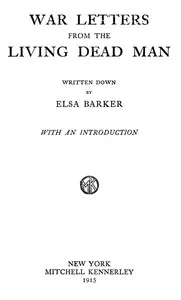
Primary sources offer deeper dives into historical and philosophical underpinnings. "The Ancient Wisdom" by Annie Wood Besant (1897) outlines Theosophical teachings relevant to elemental hierarchies. Rudolf Steiner’s "Theosophy" (1878) discusses spiritual beings and their relation to matter. "War letters from the living dead man" by David Patterson Hatch includes communications with non-physical entities. Jack Parsons' "THE COLLECTED WRITINGS" explores advanced occult concepts, including elemental forces.
Reading Order — Step by Step
Begin with foundational guides like "Faeries & Elementals for Beginners" (Chauran) and "Elemental Magick" (Conway) for basic concepts and practical approaches. In Month 2, explore narrative and folkloric aspects with "The Prince of the Pin Elves" (Sleight) and "Fairy dreams" (Austin), then study occult descriptions with "Among the gnomes" (Hartmann). Month 3 and beyond, tackle advanced texts: "The Astral Plane" (Leadbeater), "The Ancient Wisdom" (Besant), and "Theosophy" (Steiner) for theoretical depth.
Frequently Asked Questions
Which elemental book should I read first?
For a gentle introduction, start with Alexandra Chauran's 'Faeries & Elementals for Beginners'. It covers basic concepts clearly. If you prefer a practical approach, D. J. Conway's 'Elemental Magick' is also a good starting point for beginners.
Are elementals real beings?
Esoteric traditions and many spiritual philosophies posit elementals as real, non-physical entities. They are often described as nature spirits or consciousness animating natural forces. Their existence is a matter of belief within these systems.
What is the difference between elementals and fairies?
While often used interchangeably, 'elemental' typically refers to beings directly tied to the classical elements (earth, air, fire, water). 'Fairy' is a broader term encompassing various nature spirits, including elementals, but also beings from folklore with distinct characteristics.
Can elementals be dangerous?
Like any force of nature, elemental energies can be powerful and potentially disruptive if not approached with respect and understanding. Esoteric texts often advise caution and proper preparation when attempting to interact with them.
Where do elementals live?
Elementals are believed to inhabit the natural world, with specific types associated with their respective elements. Earth elementals (gnomes) are found underground, water elementals (undines) in bodies of water, air elementals (sylphs) in the atmosphere, and fire elementals (salamanders) in flames.
What is the role of elementals in magic?
In elemental magic, these beings are invoked or worked with to harness the specific qualities of earth, air, fire, and water. They can be seen as allies, sources of power, or intelligences that help manifest intentions related to their elemental domain.
How do Theosophical texts describe elementals?
Theosophical works, like those by Besant and Leadbeater, often categorize elementals within a larger spiritual hierarchy. They are described as evolving beings of varying complexity, closely associated with the physical and subtle matter of the planet.





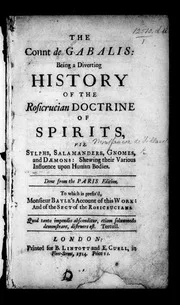
![[Comte de Gabalis. English]. The diverting history of the Count de Gabalis: containing, I. An account of the Rosicrucian doctrine of spirits, viz. sylphs, salamanders, gnomes, and d¶mons; ... To which is prefix'd, Monsieur Bayle's account of this work, ... 1714](/img/thumb/comte-de-gabalis-english-the-diverting-history-of-the-count-de-gabalis-containing-i-an-account-of-the-rosicrucian-doctrine-of-spirits-viz-sylphs-salamanders-gnomes-and-d-mons-to-which-is-prefix-d-mons.webp)