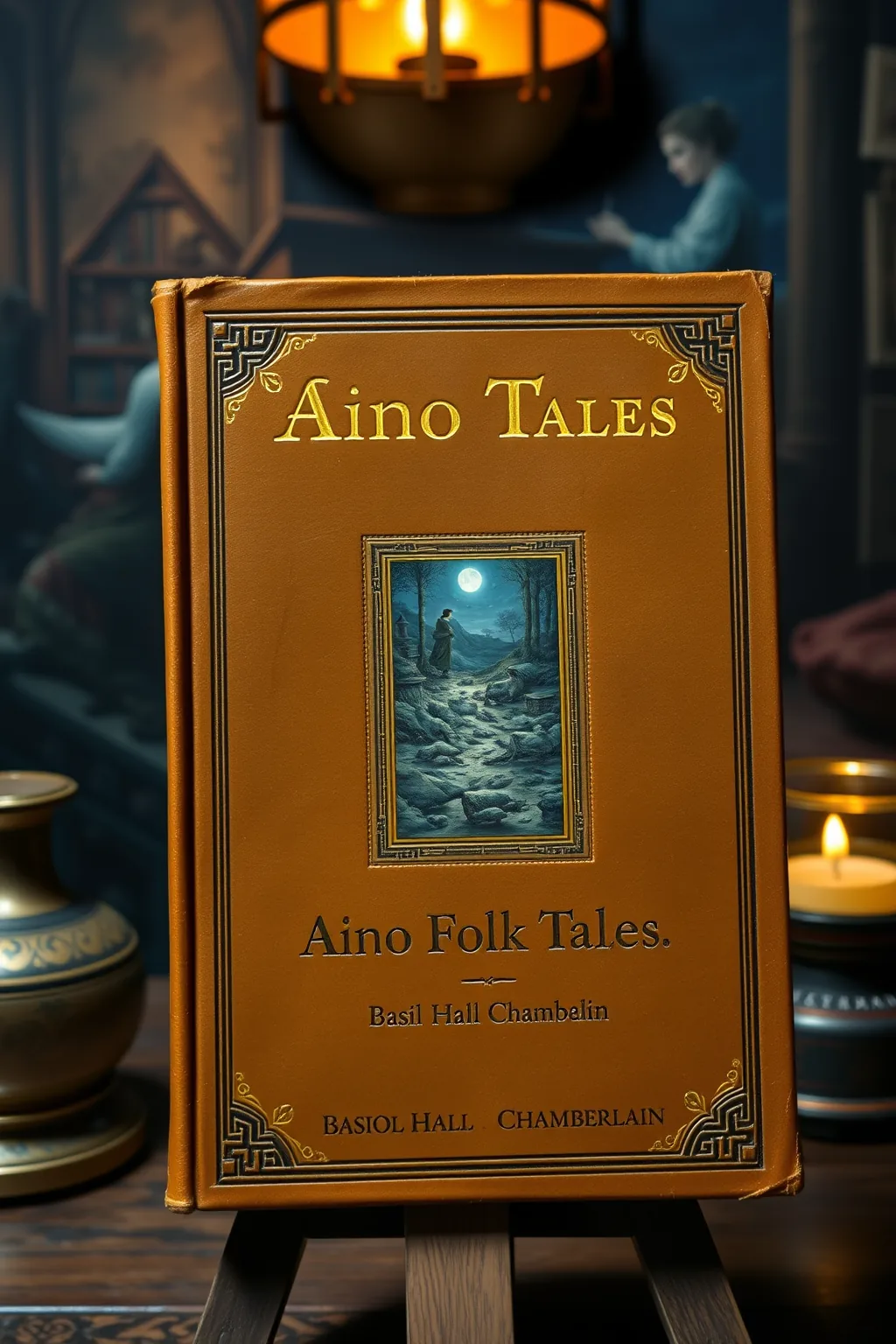
Aino Folk Tales
 82
82

Aino Folk Tales


Ophelia Vance, Mystical Literature Reviewer: Basil Hall Chamberlain's 'Aino Folk Tales' is a seminal work, offering a rare and invaluable glimpse into the soul of the Ainu people. Chamberlain masterfully translates not just words, but the very essence of Ainu cosmology and their profound connection to the spirit world. The collection is rich with archetypal symbolism, revealing a worldview where nature is imbued with consciousness and myth intertwines seamlessly with daily life. For scholars of comparative mythology, practitioners of animistic traditions, and anyone fascinated by indigenous spiritualities, this book is an indispensable key to unlocking ancient wisdom and understanding the deep roots of human belief. Its enduring power lies in its authentic preservation of a vibrant, pre-modern consciousness.
📝 Description
82
First published in 1888, Basil Hall Chamberlain's 'Aino Folk Tales' collects myths and legends from Hokkaido.
Basil Hall Chamberlain's 'Aino Folk Tales,' first published in 1888, presents a collection of Ainu oral traditions. Chamberlain gathered these myths and legends from Hokkaido, translating them into English with careful attention. His work includes field notes and commentary that shed light on the Ainu people's worldview. The narratives cover creation stories, the roles of spirit beings, and tales of animal tricksters.
These stories reveal a deep connection to the natural world and hint at shamanic practices. They offer insight into a past where ecological respect and spiritual beliefs were central to existence. The collection serves as a window into a distinct cultural heritage and its unique way of understanding the cosmos and its inhabitants. It documents a tradition rich in animistic beliefs and the significance of the spiritual realm in daily life.
This collection falls within the broader study of animistic traditions and indigenous mythologies that gained academic interest in the late 19th century. Chamberlain's work documents beliefs where natural phenomena and the spiritual world are deeply intertwined. It reflects a scholarly pursuit to record oral traditions before they potentially faded, placing it alongside ethnographical efforts to understand non-Western spiritual systems. The focus on spirit beings and shamanic undertones connects it to early anthropological explorations of belief systems that existed outside mainstream Western religious frameworks.
✍️ Author
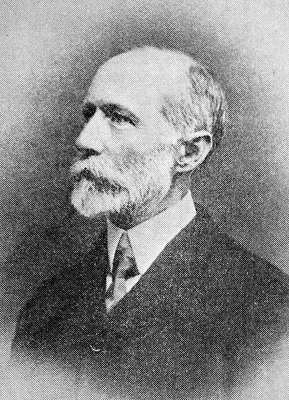
Basil Hall Chamberlain
Basil Hall Chamberlain (18 October 1850 – 15 February 1935) was a British academic and Japanologist. He was a professor of the Japanese language at Tokyo Imperial University and one of the foremost British Japanologists active in Japan during the late 19th …
💡 Why Read This Book?
Uncover the animistic heart of the Ainu people, revealing their profound connection to nature and the spirit realm. 'Aino Folk Tales' offers a rare window into creation myths, spirit lore, and the wisdom of indigenous traditions. Ideal for seekers of ancient spiritualities, folklorists, and scholars of comparative mythology who wish to explore humanity's deep, often-forgotten roots.
⭐ Reader Reviews
Honest opinions from readers who have explored this book.
❓ Frequently Asked Questions
Who were the Ainu people?
The Ainu are the indigenous inhabitants of Japan's northernmost island, Hokkaido, as well as the Kuril Islands and Sakhalin. They possess a distinct culture and language, often considered to be of ancient Eurasian origin.
What is the spiritual significance of these tales?
The tales are steeped in animism, revealing a worldview where all natural phenomena possess spirits and consciousness. They offer insights into creation myths, the roles of deities and spirits, and the Ainu's harmonious relationship with the natural world.
What does Basil Hall Chamberlain contribute?
Chamberlain provides meticulous translation, invaluable field-notes, and insightful commentary, acting as a bridge between the Ainu oral traditions and the Western reader. His work preserves these narratives with scholarly care and cultural sensitivity.
Are these tales suitable for beginners in esoteric studies?
Yes, while rich in depth, the narrative style is accessible, making it an excellent starting point for those new to indigenous spiritualities and animistic beliefs.
What is the historical context of this publication?
Published in 1888, the book emerged during a period of increasing Western interest in non-European cultures and mythologies, yet Chamberlain's approach was notably respectful and detailed for its time.
🔮 Key Themes & Symbolism
Animism and the Sentient World
This collection is a profound evidence of animism, portraying a world where every element—from the smallest insect to the vastest mountain—is imbued with spirit and agency. The Ainu worldview, as presented in these tales, underscores a deep, reciprocal relationship with nature, where humans are not masters but participants in a living, conscious cosmos. These stories reveal the sacredness inherent in the natural order, the intricate web of spiritual connections that bind all beings, and the understanding that the unseen world actively shapes the physical realm. It's a powerful reminder of a holistic existence often overlooked in modern, anthropocentric perspectives.
Creation Myths and Cosmic Origins
Central to the Ainu tradition are vivid creation narratives that explain the genesis of the world, humanity, and the pantheon of spirits. These myths often feature divine beings and ancestral heroes who shape the earth through acts of will, struggle, and transformation. They provide a foundational understanding of the Ainu cosmology, outlining the structures of the universe and the underlying principles that govern existence. Exploring these origin stories offers a unique perspective on humanity's perennial quest to understand its place in the grand design, revealing diverse pathways of meaning-making that have shaped cultures for millennia.
The Trickster and the Archetypal Hero
The Ainu pantheon includes a vibrant cast of characters, prominently featuring trickster figures and archetypal heroes who embody fundamental human experiences and societal values. These characters work through the complex interplay between order and chaos, wisdom and folly, often through cunning, bravery, or sheer persistence. Their adventures serve as moral compasses, illustrating the consequences of actions, the nature of courage, and the enduring power of the human spirit to overcome adversity. The presence of these archetypes offers a timeless exploration of the human condition and the symbolic journeys we undertake.
💬 Memorable Quotes
Direct passages from the work, attributed to the author.
“The world is full of spirits.”
— This simple yet profound statement expresses the animistic core of Ainu belief, suggesting a universe alive with unseen forces and conscious entities influencing every aspect of existence.
“From the void, creation arose.”
— A classic motif found in many creation myths, this phrase signifies the primordial state from which existence emerged, emphasizing the mystery and power of origin.
“The old stories hold the wisdom of the ancestors.”
— This emphasizes the oral tradition's role in transmitting ancestral knowledge, values, and spiritual understanding across generations.
“The trickster dances between worlds.”
— Illustrates the liminal nature of trickster figures, who often bridge the human, spirit, and animal realms, embodying chaos and renewal.
💡 Key Ideas
Editorial paraphrase of the work's core concepts — not direct quotes.
The bear is the messenger of the gods.
Highlighting the sacredness of animals, this quote points to the Ainu's deep reverence for the natural world and their belief in the interconnectedness between earthly and divine realms.
🌙 Esoteric Significance
Tradition
The primary esoteric tradition illuminated by 'Aino Folk Tales' is **animism**, a belief system prevalent in many indigenous cultures that posits consciousness and spirit pervade all of nature. This worldview forms the bedrock of Ainu spirituality, where the natural world is not merely a resource but a dynamic, sentient entity with which humans must live in balance and respect. The tales reveal shamanic practices, spirit communication, and a profound understanding of energetic flows within the cosmos, linking it to broader shamanistic and nature-based esoteric traditions worldwide.
Symbolism
The symbolism within Ainu folklore is rich and many-sided, deeply rooted in their environment and spiritual beliefs. Animals, particularly the bear and the fox, often serve as powerful totems or spirit guides, representing strength, cunning, and the bridge between realms. Natural phenomena like the sun, moon, and wind are personified as deities or powerful spirits, reflecting their vital importance to survival and cosmic order. Objects such as amulets and ritualistic items carry specific symbolic weight, representing protection, spiritual potency, and connection to the ancestral realm, providing a visual language of the sacred.
Modern Relevance
In an age increasingly disconnected from nature, 'Aino Folk Tales' offers a vital counter-narrative. Its emphasis on animism and ecological harmony resonates powerfully with contemporary movements advocating for environmental stewardship and a more holistic understanding of existence. The book provides a source of inspiration for those seeking to reconnect with primal spiritualities, offering insights into sustainable living and the profound wisdom found in traditional ecological knowledge. It challenges modern assumptions about consciousness and reality, urging a reconsideration of our place within the grand, interconnected web of life.
👥 Who Should Read This Book
This collection is a treasure for **seekers** of ancient wisdom and indigenous spiritualities, offering a direct portal into the Ainu worldview. **Scholars** of comparative mythology, anthropology, and religious studies will find it an indispensable primary source, rich with ethnographic detail and cultural nuance. **Practitioners** of nature-based spiritualities and animistic traditions can draw profound inspiration and archetypal patterns from these narratives. Even **beginners** curious about the diverse expressions of human belief will find the stories engaging and useful, providing a gentle yet deep introduction to a fascinating and often overlooked spiritual heritage.
📜 Historical Context
Published in 1888, 'Aino Folk Tales' emerged during a period of burgeoning global ethnographic interest, a time when Western scholars began actively documenting and translating the oral traditions of indigenous peoples. This era, often termed the 'Age of Exploration' for cultural anthropology, saw a drive to categorize and understand diverse worldviews. Basil Hall Chamberlain, a prominent scholar of Japanese language and culture, approached the Ainu with a blend of academic rigor and a genuine fascination for their unique heritage. His work contributed to a growing body of literature that sought to preserve what were perceived as vanishing cultures, offering a vital, albeit often filtered, window into societies distinct from the rapidly industrializing West. The book stands as a product of its time, reflecting both the era's intellectual curiosity and the burgeoning awareness of cultural diversity.
📔 Journal Prompts
Reflect on a time you felt a deep connection to nature. What spirits or energies did you perceive?
Imagine you are an Ainu storyteller. How would you tie the essence of the bear into a tale of creation?
Consider the trickster archetype. How do these ancient stories inform your understanding of chaos and transformation in your own life?
What lessons about balance and respect for the natural world can be drawn from the Ainu worldview presented here?
If the wind could speak, what ancient secrets would it whisper to you?
🗂️ Glossary
Animism
The belief that all natural objects, phenomena, and the universe itself possess an animating spirit or soul. It's a worldview where the spiritual and physical realms are intimately interconnected.
Cosmology
A theory or doctrine, especially a mythical or religious one, concerning the origin and structure of the universe. It outlines the fundamental order and makeup of existence.
Shamanism
A religious practice characterized by the belief in and ability to communicate with the spirit world, often through altered states of consciousness, to perform healing or divination.
Archetype
A universal, inherited pattern of thought or imagery derived from the past experiences of the human race and present in the individual unconscious. Common figures like the hero or trickster.
Totem
A natural object or animal believed by a particular society to be its spiritual ancestor or symbol, often associated with protective powers or kinship.
This book appears in 1 collection
🔮 Readers Also Liked
Browse all →








From the “Transcendental Meditation” Collection
View all →

![CIA Reading Room cia-rdp84-00022r000200150084-5: ORIENTATION COURSE LECTURE ON 'SERVICES OF [ ] [ ]'](/img/thumb/cia-reading-room-cia-rdp84-00022r000200150084-5-orientation-course-lecture-on-services-of-cia-reading-room.webp)


![CIA Reading Room cia-rdp78t05439a000400230090-7: MENSURATION OF THE [ ]-BUKHARA CANAL, USSR](/img/thumb/cia-reading-room-cia-rdp78t05439a000400230090-7-mensuration-of-the-bukhara-canal-ussr-cia-reading-room.webp)



More Free Esoteric History & Biography Books
View all →