Beowulf
 82
82

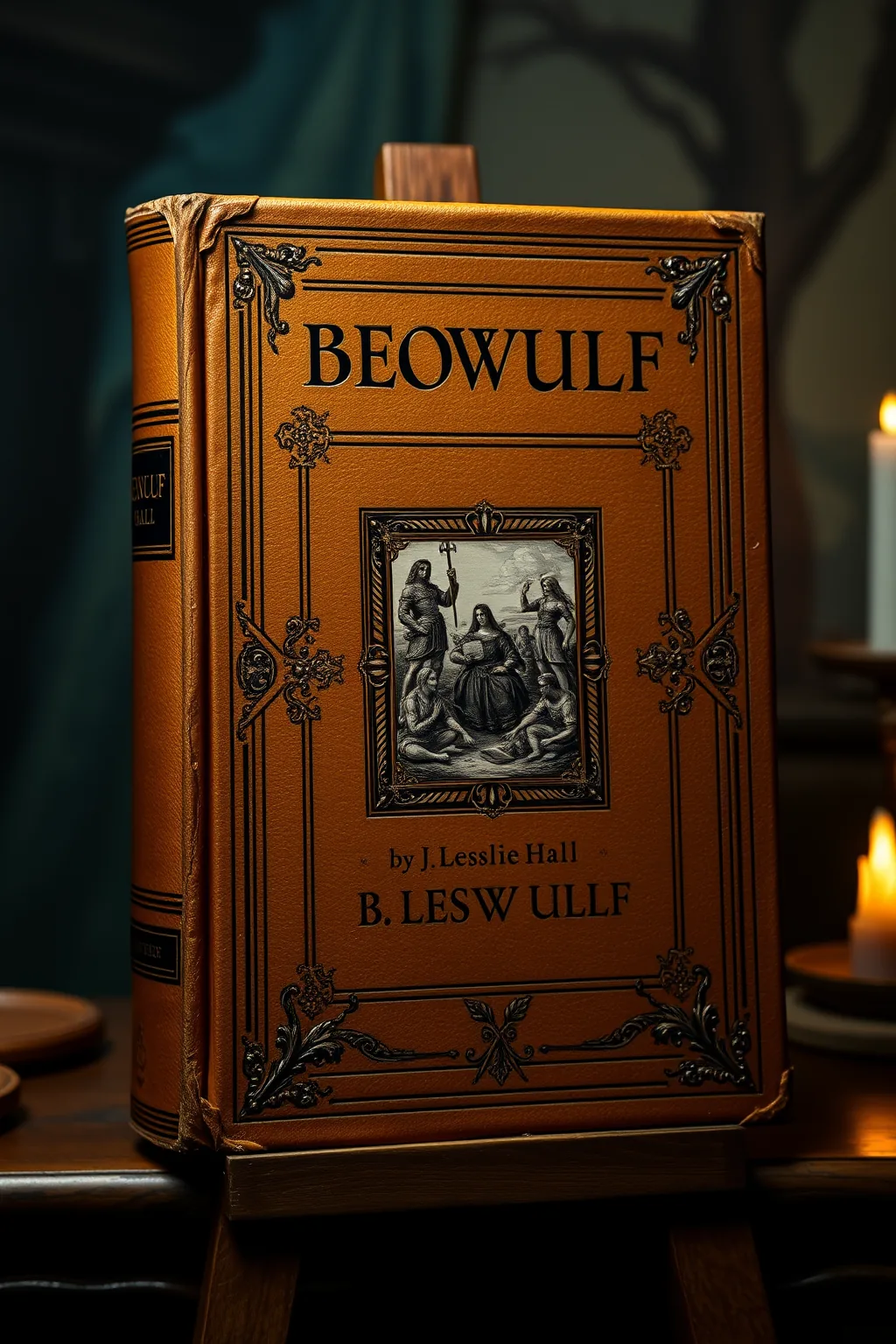
Beowulf


J. Lesslie Hall's 1892 rendition of *Beowulf* remains a vital conduit to the heart of Old English esoteric thought. Far from a simple adventure, the epic reveals a worldview where fate (wyrd) is paramount, and the hero's courage is a bulwark against elemental chaos and spectral malevolence. Hall masterfully captures the grim, incantatory rhythm, hinting at forgotten rituals and the deep-seated anxieties of a pre-Christian society grappling with unseen forces. This translation is indispensable for scholars of comparative mythology, practitioners of ancient rites, and seekers of primal archetypes, offering a rare, unvarnished glimpse into the soul of a warrior culture steeped in mystery and the profound awareness of mortality.
📝 Description
82
J. Lesslie Hall's 1892 translation of *Beowulf* brings an ancient epic to modern readers.
This edition of *Beowulf* presents J. Lesslie Hall's 1892 translation of the Old English poem. It recounts the story of the Geatish hero Beowulf, who travels to Denmark to defeat the monster Grendel and later his mother. He then returns home to become king and faces a final challenge from a dragon.
The poem's narrative contains more than just heroic action. It reflects a worldview where fate, magic, and the supernatural are deeply interwoven with human lives. Hall's translation aims to capture the original work's stark tone and the sense of struggle against overwhelming forces. It details Beowulf's battles, which can be seen as symbolic of larger conflicts between order and chaos, light and darkness.
This version invites readers to consider the poem's deeper meanings, connecting its themes to enduring human concerns. It offers a look at a culture where the boundaries between the physical and spiritual worlds were perceived differently, and where personal bravery was paramount.
This translation of *Beowulf* connects the epic poem to traditions such as Germanic shamanism and rune lore. It suggests that the poem's depiction of monsters and heroic deeds carries symbolic weight, reflecting ancient beliefs about fate, magic, and the human condition. The text hints at a worldview where the veil between the seen and unseen was permeable, and where courage played a vital role in confronting destructive forces.
✍️ Author
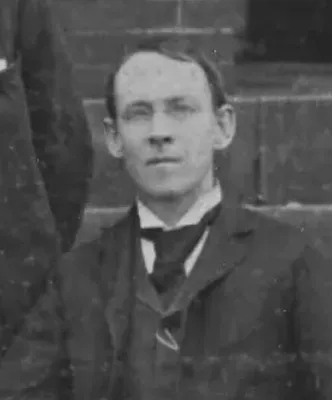
J Lesslie Hall
John Lesslie Hall (March 2, 1856 – February 23, 1928), also known as J. Lesslie Hall, was an American philologist and translator known primarily for his 1892 verse translation of Beowulf and role as one of the "Seven Wise Men" who helped revive the College…
💡 Why Read This Book?
Unearth the primal roots of Western myth and explore the enduring archetypes of courage and confronting darkness. *Beowulf* offers a glimpse into a world where fate reigns supreme and the veil between the mundane and the magical is permeable. Ideal for seekers of ancient wisdom, scholars of folklore, and anyone drawn to the potent symbolism of heroic struggle against monstrous forces.
⭐ Reader Reviews
Honest opinions from readers who have explored this book.
❓ Frequently Asked Questions
What is the historical period of Beowulf?
The poem is set in the 6th century, likely originating from oral traditions of the Germanic peoples. The manuscript itself dates from around the 10th century, placing its written form in the early medieval period.
What are the primary monsters Beowulf fights?
Beowulf famously battles Grendel, a monstrous descendant of Cain, Grendel's vengeful mother, and finally, a ferocious dragon that guards a treasure hoard.
What does 'wyrd' mean in the context of Beowulf?
'Wyrd' is a crucial concept representing fate or destiny in Old English culture. It signifies an inescapable, often grim, set of circumstances that dictates the course of events and the lives of individuals.
Is this translation considered accurate?
J. Lesslie Hall's translation is highly regarded for its fidelity to the original Old English text, capturing both its poetic nuances and its stark narrative power, making it a cornerstone for scholarly and general appreciation.
What esoteric themes are present in Beowulf?
The epic explores themes of fate, the battle against primal chaos, the liminal spaces between worlds, the spiritual significance of courage, and the cyclical nature of heroic deeds and their consequences.
🔮 Key Themes & Symbolism
The Primacy of Wyrd (Fate)
Central to the poem is the concept of 'wyrd,' the inescapable force of fate that governs the lives of heroes and kings. This fatalistic worldview, deeply ingrained in Germanic culture, imbues the narrative with a sense of cosmic inevitability. Beowulf's triumphs and eventual demise are framed not solely by his choices, but by the threads of destiny woven by unseen powers. This theme speaks to esoteric notions of cosmic order and the predetermined paths that individuals may walk, inviting contemplation on free will versus divine or ancestral decree.
The Battle Against Primeval Chaos
The monstrous adversaries—Grendel, his mother, and the dragon—represent the primal forces of chaos that threaten the ordered world of human society. These creatures are not mere beasts but embodiments of ancient darkness, descendants of Cain, suggesting a spiritual and existential conflict. Their defeat by Beowulf signifies humanity's ongoing struggle to maintain civilization and light against the encroaching, formless void. This speaks to occult philosophies concerning the constant need to hold back the abyss and maintain psychic and societal integrity.
The Heroic Archetype and its Shadow
Beowulf embodies the ultimate warrior archetype, a figure of immense strength and courage destined for greatness. However, the poem also subtly explores the 'shadow' of heroism: the potential for pride, the brutal nature of warfare, and the inevitable decline of power. His final battle against the dragon, while heroic, also marks his end, highlighting the transient nature of earthly glory and the heavy toll of a life dedicated to combat. This duality speaks to the esoteric understanding of the hero's journey, which involves not only outward conquest but also inner confrontation with one's own limitations and mortality.
💬 Memorable Quotes
Direct passages from the work, attributed to the author.
“Lo, we have heard of the glory of the Spear-Danes, in days of yore...”
— This opening sets a tone of ancient remembrance, invoking a lineage and a past filled with legendary deeds, hinting at a hidden history accessible through oral tradition and epic poetry.
“The fiend then seized the sleeping warrior, / And tore him asunder, and ate him limb-meal...”
— A stark depiction of primal violence, illustrating the raw, untamed power of the monstrous forces Beowulf confronts, and the brutal reality of survival in a world where such entities roam.
“Wyrd oft helpeth the unwary man, if his courage fail him not.”
— A profound statement on the interplay of fate and personal agency. While destiny is powerful, human courage and action can sometimes sway its course, reflecting a complex spiritual understanding.
“Then the hoard-watcher spake, the dragon of the barrow...”
— This introduces the final, ultimate challenge, linking material wealth (the hoard) with ancient, serpentine power, a common motif in mythologies exploring greed and primordial guardians.
💡 Key Ideas
Editorial paraphrase of the work's core concepts — not direct quotes.
For each of us must abide the end of his days.
A somber, universal truth about mortality. This line captures the poem's deep meditation on the finite nature of life and the inevitability of death, regardless of one's heroic stature.
🌙 Esoteric Significance
Tradition
The esoteric significance of *Beowulf* is deeply rooted in pre-Christian Germanic paganism and its transition into early medieval Christian cosmology. It echoes elements of shamanistic journeying (entering the lair of the dragon or mother's den), animistic beliefs in the power of nature and monstrous entities, and a fatalistic understanding of the cosmos akin to Norse mythology's concept of 'wyrd.' The poem can be viewed through the lens of archetypal psychology, exploring the hero's descent into the underworld and confrontation with the shadow self, aligning with Jungian and Hermetic interpretations of myth.
Symbolism
Key symbols abound: the 'mead-hall' represents civilization and community, constantly threatened by the wild; Grendel's 'mere' is a liminal space between worlds, a watery abyss symbolizing the unconscious or primordial chaos; the 'dragon' embodies ancient, untamed power, greed, and the ultimate adversary of the mortal hero, often associated with chthonic forces. The 'sword' and 'spear' are not just weapons but extensions of the warrior's will and connection to ancestral might. The 'hoard' guarded by the dragon symbolizes the allure and corrupting influence of material wealth and power.
Modern Relevance
In an era often characterized by existential anxieties and a sense of encroaching chaos, *Beowulf* offers a potent reminder of the enduring human need for courage, community, and the will to confront adversity. Its exploration of fate versus free will, the nature of heroism, and the battle against destructive forces continues to resonate. For esoteric practitioners, the poem provides a collection of archetypal imagery and a glimpse into a worldview where the spiritual and material realms were inextricably linked, offering inspiration for understanding personal struggles within a larger cosmic context.
👥 Who Should Read This Book
This profound translation of *Beowulf* is essential for a diverse audience. **Beginners** to epic poetry will find a compelling narrative that introduces fundamental Western archetypes. **Scholars** of literature, history, and mythology will appreciate Hall's scholarly approach and the poem's linguistic and cultural significance. **Seekers** of ancient wisdom and primal truths will connect with its deep explorations of fate, courage, and the human condition. **Practitioners** of esoteric traditions will find rich symbolic landscapes and elements of ancient belief systems that inform modern spiritual inquiries.
📜 Historical Context
The epic of *Beowulf*, though its manuscript dates to the 10th century, is believed to have originated from oral traditions of the Anglo-Saxons, likely composed between the 7th and 10th centuries. This was a period of significant cultural transition in England, marked by the lingering influence of pagan Germanic beliefs alongside the encroaching Christian faith. The poem reflects this syncretism, featuring heroic warrior codes, concepts of fate (wyrd), and blood feuds alongside Christian allusions and moral judgments. The societal backdrop is one of fragmented kingdoms, seafaring warrior cultures, and a constant struggle against both external threats and internal strife. Its survival, thanks to a single manuscript, makes it an invaluable window into the language, mythology, and worldview of early medieval England, a foundational text for understanding the development of English literature and identity.
📔 Journal Prompts
Reflect on a personal 'monster' (internal or external) you have faced. How did you confront it, and what did you learn?
Consider the concept of 'wyrd' (fate) in your own life. To what extent do you believe your path is predetermined, and how does your own agency play a role?
Imagine a modern-day 'mead-hall.' What does it represent, and what are the 'monsters' that threaten its stability?
Beowulf's final battle is heroic but fatal. What does this say about the nature of glory, sacrifice, and the inevitable cycle of life and death?
Explore the symbolism of the dragon's hoard. What are the 'treasures' in your life, and what are the potential dangers or responsibilities associated with them?
🗂️ Glossary
Wyrd
An Old English concept representing fate, destiny, or the inescapable course of events, often seen as a powerful, impersonal force governing all existence.
Hrothgar
The aged king of the Danes, who built the great mead-hall Heorot, but whose kingdom is terrorized by the monster Grendel.
Heorot
The magnificent mead-hall built by King Hrothgar, a symbol of Danish prosperity, community, and order, which becomes the target of Grendel's attacks.
Mere
A lake or marsh, often used in the poem to describe the dark, watery lair of Grendel and his mother, symbolizing a liminal space between the human world and the field of monsters.
Geat
A member of a Germanic people inhabiting southern Sweden, from which Beowulf hails. The Geats are depicted as valiant warriors.
This book appears in 1 collection
🔮 Readers Also Liked
Browse all →








From the “Transcendental Meditation” Collection
View all →






More Free Esoteric History & Biography Books
View all →