Pyramids
 79
79

Pyramids
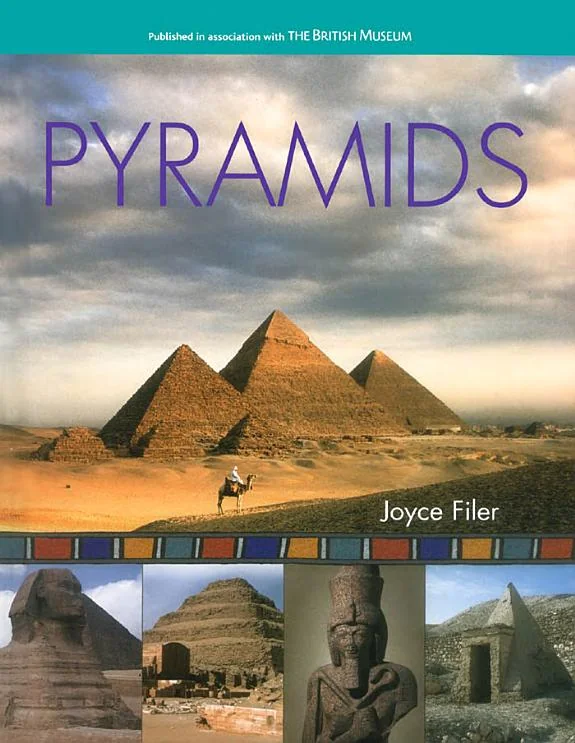
Joyce Filer's "Pyramids" distinguishes itself by presenting the development of these Egyptian monuments not as isolated achievements but as an evolving architectural and religious tradition. The author's strength lies in her clear, detailed exposition of the physical structures and their surrounding complexes, moving beyond superficial descriptions. For instance, the discussion of the transition from mastabas to the Step Pyramid, and subsequently to the true pyramids, is particularly illuminating, highlighting the incremental innovations. A minor limitation might be the book's focus primarily on the architectural and historical narrative, with less emphasis on speculative or more overtly esoteric interpretations that some readers might seek in a text bearing the Esoteric Library's imprimatur. However, for a grounded, factual account of pyramid evolution, Filer's work is rigorously researched and effectively presented. It provides a solid foundation for understanding the material reality of these ancient wonders.
📝 Description
79
Joyce Filer's 1994 book examines Egypt's pyramids, moving beyond simple architecture.
Published in 1994, Joyce Filer's "Pyramids" offers a detailed look at Egypt's most famous structures. It covers the development of pyramid construction, starting with Djoser's Step Pyramid and progressing to the Great Pyramid of Giza. The book also describes the surrounding temple complexes, enclosure walls, and mortuary structures, giving a complete picture of these large ancient projects.
Filer focuses on eight specific pyramid sites, chosen for their importance in the evolution of pyramid building. The book follows a chronological order, showing how building methods and religious ideas combined to create these monuments. It discusses the reigns of pharaohs and the work of the builders, explaining the organization and effort needed for these tasks in the Old Kingdom and later periods. The study emphasizes the pyramid complex as a single unit, including the pyramid, mortuary temple, valley temple, causeway, and smaller pyramids. These parts worked together to support the pharaoh's afterlife cult and the state's beliefs.
While the book focuses on archaeological and historical fact, its examination of the pyramids as centers of pharaonic afterlife cults and state ideology touches upon themes often explored in esoteric traditions. The concept of the pyramid as a conduit for transformation and a tool for ensuring cosmic order, intertwined with the pharaoh's divinity, resonates with certain mystical interpretations of ancient Egyptian religion. Filer's detailed account of the complex's function provides a factual basis for understanding the symbolic weight these structures carried, which later esoteric thought often draws upon.
💡 Why Read This Book?
• Gain a concrete understanding of pyramid evolution by examining specific sites like Djoser's Step Pyramid and the Great Pyramid of Giza, learning about the architectural and religious motivations behind their development. • Comprehend the full scope of a pyramid complex, including mortuary temples and causeways, through Filer's detailed analysis of eight individual sites, revealing their integrated purpose. • Appreciate the historical context of pyramid construction by exploring the reigns of specific pharaohs and the logistical achievements of the builders involved, shedding light on Old Kingdom Egyptian society.
⭐ Reader Reviews
Honest opinions from readers who have explored this book.
❓ Frequently Asked Questions
What is the earliest pyramid discussed in Joyce Filer's "Pyramids"?
The earliest pyramid discussed is the Step Pyramid of Djoser, which marks a significant evolution from earlier mastaba tombs and represents the dawn of pyramid construction in ancient Egypt.
Does the book cover the Great Pyramid of Giza?
Yes, Joyce Filer's "Pyramids" covers the Great Pyramid of Giza, detailing its development and place within the broader history of Egyptian pyramid building.
What are the key components of a pyramid complex as described in the book?
The book describes pyramid complexes as including not only the main pyramid but also surrounding elements like temples, enclosure walls, and causeways, emphasizing their integrated function.
Who are the "kings and builders" mentioned in the book's scope?
The book refers to the pharaohs who commissioned the pyramids and the skilled laborers and architects who executed the construction, exploring their roles in these monumental projects.
How does Filer's approach differ from other books on pyramids?
Unlike many accounts, Filer emphasizes the entire complex surrounding the pyramid and traces the developmental stages of construction through specific site studies, offering a more holistic view.
What historical period does "Pyramids" primarily focus on?
The book primarily focuses on the Old Kingdom period of ancient Egypt, tracing the evolution of pyramid construction from its inception through the era of the Great Pyramid of Giza.
🔮 Key Themes & Symbolism
Architectural Evolution
The book meticulously charts the progression of pyramid design, beginning with the revolutionary Step Pyramid commissioned by Pharaoh Djoser. It illustrates how early mastaba structures were adapted and elaborated upon, leading to the smooth-sided true pyramids. Filer examines the engineering challenges and solutions employed across different dynasties, highlighting innovations in scale, precision, and alignment that defined the peak of pyramid construction during the Old Kingdom.
The Pyramid Complex
Filer moves beyond the pyramid itself to explore the integrated nature of the entire funerary complex. This includes the vital components such as the mortuary temple, the valley temple, the processional causeway, and subsidiary pyramids. The work emphasizes that these structures were designed to function cohesively, serving the pharaoh's posthumous cult and reflecting the complex religious and administrative systems of the time.
Pharaohs and Builders
Central to the narrative are the rulers who commissioned these colossal projects and the individuals who brought them to fruition. The book explores the reigns of key pharaohs, linking specific architectural achievements to their historical periods. It also acknowledges the immense workforce, from skilled artisans to conscripted laborers, whose efforts were essential for quarrying stone, transporting materials, and constructing the monuments.
Religious and Ideological Underpinnings
Implicit in the architectural study is the deep connection between pyramid construction and ancient Egyptian religious beliefs, particularly concerning kingship and the afterlife. The pyramids served as eternal resting places and focal points for the royal cult, ensuring the pharaoh's successful transition and continued influence. Filer’s analysis underscores how these structures were physical manifestations of a sophisticated cosmology and a powerful state ideology.
💬 Memorable Quotes
Direct passages from the work, attributed to the author.
“The volume describes not only the pyramids themselves but also the complexes of temples and walls that surrounded them.”
— This highlights Filer's comprehensive approach, emphasizing that understanding a pyramid requires examining its entire context—the associated structures that were integral to its ritualistic and symbolic purpose.
“Filer follows the story of the pyramids through a study of eight individual sites.”
— This points to the book's methodical structure, using specific case studies to illustrate the broader narrative of architectural development and historical progression in pyramid building.
“Pyramids tells the story of these Egyptian monuments from their earliest beginnings, following their development from the first step pyramid to the Great Pyramid of Giza.”
— This expresses the book's chronological scope, positioning it as a guide to the foundational stages and ultimate achievements in the evolution of pyramid architecture.
“It also tells the stories of the kings and builders who created them.”
— This indicates the human element within the historical account, focusing not just on stone and design but on the rulers who commanded their construction and the people who labored to build them.
“Each with something different to offer the student of pyramid development.”
— This suggests that Filer’s selection of eight sites is deliberate, with each location chosen to exemplify a particular stage, innovation, or aspect of pyramid construction history.
🌙 Esoteric Significance
Tradition
While "Pyramids" by Joyce Filer is primarily an academic historical text, its subject matter inherently connects to ancient Egyptian religious traditions. These traditions, deeply concerned with cosmology, the afterlife, and divine kingship, form the bedrock of esoteric thought. The pyramids themselves are not merely tombs but cosmological diagrams and resurrection machines within this framework, aligning with Hermetic principles of "as above, so below" and the transformation of the soul. Filer's factual account provides the material basis upon which esoteric interpretations can be built.
Symbolism
The pyramid form itself is a potent symbol, representing the primeval mound (Benben) from which creation arose in Egyptian mythology, and the stairway or ramp by which the pharaoh ascended to the heavens to join the sun god Ra. The precise alignment of pyramids with cardinal directions and celestial bodies also signifies a profound connection to cosmic order. Furthermore, the entire pyramid complex, with its mortuary temple and causeway, symbolizes the journey of the deceased king from the earthly realm to the divine.
Modern Relevance
Contemporary esoteric practitioners and researchers, particularly those within Western Esotericism and traditions influenced by Hermeticism and Theosophy, continue to draw inspiration from ancient Egyptian cosmology. While Filer's work offers a historical perspective, modern interpretations often explore the pyramids as energetic centers, repositories of ancient knowledge, or focal points for meditation and astral projection. Thinkers exploring sacred geometry and the symbolic language of ancient civilizations find value in understanding the foundational Egyptian context Filer provides.
👥 Who Should Read This Book
• Students of ancient Egyptian history and archaeology seeking a factual, site-specific overview of pyramid construction and development. • Readers interested in the architectural and engineering achievements of the ancient world who want to understand the evolution from early structures to the Giza pyramids. • Enthusiasts of comparative religion and ancient belief systems who wish to grasp the material context and historical background of Egyptian funerary practices and divine kingship.
📜 Historical Context
Published in 2006, Joyce Filer's "Pyramids" entered a field of Egyptology already rich with scholarship on these iconic structures. The preceding decades had seen significant archaeological work and theoretical debate, particularly concerning construction methods and the precise religious functions of pyramid complexes. Filer's work aligns with the established Egyptological consensus, focusing on the architectural evolution and historical context primarily within the Old Kingdom. While less focused on speculative theories often found in popular pyramid literature, it builds upon the meticulous fieldwork and analysis characteristic of academic approaches. Contemporary scholars like Mark Lehner were publishing detailed studies around the same period, exploring aspects like the workers' village at Giza. Filer’s contribution lies in synthesizing this information into a clear, chronological narrative focused on eight key sites, providing a solid overview for students and general readers without engaging directly with fringe theories or competing archaeological interpretations.
📔 Journal Prompts
The Step Pyramid of Djoser's architectural innovation.
The complete function of the pyramid complex beyond the main structure.
The logistical challenges faced by the builders of the Great Pyramid of Giza.
The relationship between pharaonic power and monumental construction.
The symbolic meaning of the pyramid form in ancient Egyptian cosmology.
🗂️ Glossary
Step Pyramid
An early form of pyramid characterized by a series of stacked, decreasingly sized mastaba-like levels, most famously exemplified by the Pyramid of Djoser at Saqqara.
Great Pyramid of Giza
The largest and most famous of the Egyptian pyramids, built for Pharaoh Khufu during the Fourth Dynasty of the Old Kingdom.
Mastaba
An ancient Egyptian tomb structure with a rectangular base and sloping sides, typically housing the tomb chamber below ground.
Mortuary Temple
A temple adjoining a pyramid or tomb, dedicated to the cult of the deceased ruler and used for offerings and rituals.
Valley Temple
A temple located at the edge of the Nile or on the floodplain, connected by a causeway to the mortuary temple and pyramid complex.
Causeway
A raised, covered passageway linking the valley temple to the mortuary temple, forming a crucial part of the pyramid complex.
Old Kingdom
The period of ancient Egyptian history (c. 2686–2181 BCE) during which the major pyramid-building era occurred.
This book appears in 1 collection
🔮 Readers Also Liked
Browse all →









From the “Pyramids” Collection
View all →






More Free Occult Philosophy Books
View all →