What is Natural Magic?
Natural magic involves the study and manipulation of the inherent forces within the natural world, such as celestial influences, plant properties, and animal sympathies, to achieve specific effects. Unlike ceremonial magic, which often relies on invoking spirits or deities, natural magic focuses on understanding and working with the existing energies and correspondences found in the cosmos and on Earth. It is a practical art rooted in observation and the belief that all things are interconnected.
Best Books for Complete Beginners
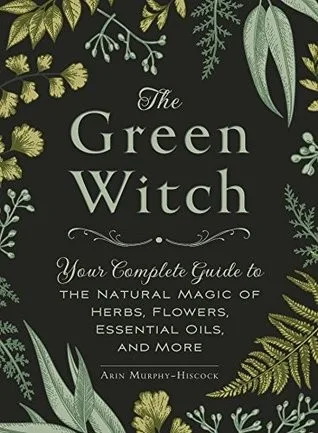
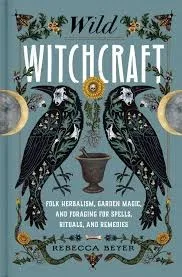
For those new to natural magic, starting with accessible guides is recommended. Rebecca Beyer's Wild Witchcraft offers practical, nature-based techniques. Arin Murphy-Hiscock's The Green Witch provides an introduction to earth-centered spirituality and herbalism. Nigel Pennick's Magic in the Landscape connects magical practices to geographical features. Johnny Fincham's The Spellbinding Power of Palmistry introduces a specific divinatory art often linked to natural observation. These books offer a gentle entry point into the principles and practices of working with natural energies.
Intermediate Reading
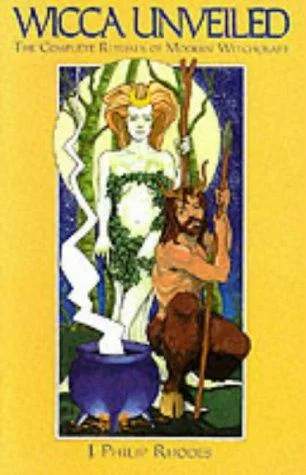
Students ready for deeper study can explore more complex theories and practices. John Michael Greer's The Art and Practice of Geomancy studies a sophisticated system of divination rooted in natural principles. Stephen Skinner's The Complete Magicians Tables (2007) provides essential reference material for understanding magical correspondences and calculations. David Brewster's Briefe über die natürliche Magie an Sir Walter Scott offers historical insights into the scientific and magical understanding of nature. J. Philip Rhodes' Wicca Unveiled provides context on modern witchcraft traditions often incorporating natural magic.
Classical / Advanced Texts
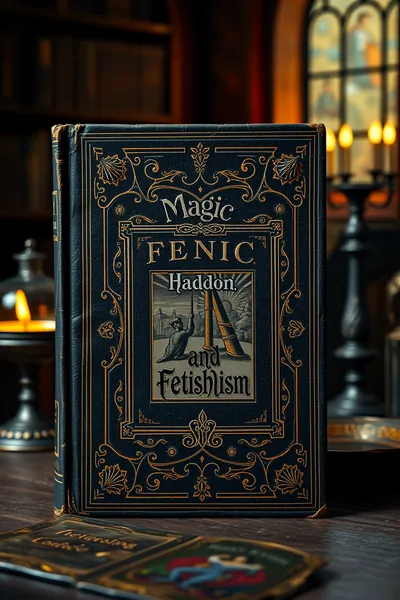
The core historical texts of natural magic are essential for advanced study. Magia Naturalis by Natural Magick (1558) is a key work exploring various natural phenomena and their magical applications. Doktor Johannes Faust's Magia Naturalis et Innaturalis (1505) presents a darker, more complex view of natural and unnatural arts. Henry Cornelius Agrippa's The Philosophy of Natural Magic (1913) is a critical text for understanding Renaissance magical thought, bridging natural philosophy with occultism. Alfred C. Haddon's Magic and Fetishism provides an anthropological perspective on early beliefs.
Reading Order — Step by Step
Begin with foundational concepts in Month 1: Start with Rebecca Beyer's Wild Witchcraft for practical nature-based skills, followed by Arin Murphy-Hiscock's The Green Witch for an introduction to earth-centered practices. Month 2: Transition to Nigel Pennick's Magic in the Landscape to understand magical geography and John Michael Greer's The Art and Practice of Geomancy for a core divinatory system. Month 3: Engage with classical texts. Read Henry Cornelius Agrippa's The Philosophy of Natural Magic (1913) for theoretical grounding, then explore Doktor Johannes Faust's Magia Naturalis et Innaturalis (1505) for historical context. Supplement with Stephen Skinner's The Complete Magicians Tables (2007) for reference.
Frequently Asked Questions
Which natural magic book should I read first?
For a practical and accessible start, begin with Rebecca Beyer's Wild Witchcraft. It offers foundational techniques for connecting with nature's energies in a straightforward manner.
What is the difference between natural magic and ceremonial magic?
Natural magic works with the inherent forces and sympathies within the natural world. Ceremonial magic typically involves invoking spirits, angels, or deities through ritual and specific incantations.
Are these books suitable for atheists or skeptics?
Many texts, particularly those focusing on historical practices or natural correspondences, can be studied from an academic or philosophical perspective, even without belief in supernatural entities.
What role does astrology play in natural magic?
Astrology is often integral, providing a framework for understanding celestial influences and timing magical operations to align with planetary energies and cycles.
Can I practice natural magic without formal training?
Yes, many foundational texts are designed for self-study. Consistent practice, careful observation of nature, and diligent study of reliable sources are key.
What is 'The Chain of Things' about?
This concept, explored in works like the one cited, refers to the interconnectedness of all things and how this web of relationships can be used for divination and understanding hidden influences.
Are there any free resources available on natural magic?
Older, public domain texts like some Renaissance works might be available online. However, modern, well-researched guides often require purchase to ensure quality and accuracy.