Wild Witchcraft
 70
70

Wild Witchcraft



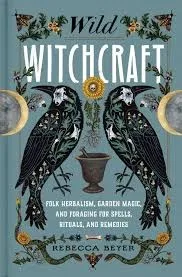
Rebecca Beyer's 'Wild Witchcraft' is a luminous beacon for modern seekers of earth-based spirituality. Beyer, with the grounded wisdom of an Appalachian witch, artfully deciphers the language of plants, transforming them into potent allies for magical practice. The book transcends superficial spellcraft, delving into the profound relationship between witch and wilderness, emphasizing reciprocal connection and deep listening. Her insights into folk herbalism are particularly illuminating, offering accessible yet powerful techniques. This work is an essential read for anyone yearning to reclaim an ancestral connection to nature's magic, providing both practical skills and philosophical depth for a truly authentic witchcraft journey.
📝 Description
70
Rebecca Beyer's 'Wild Witchcraft' connects readers to nature's inherent magic through folk herbalism.
Rebecca Beyer's 'Wild Witchcraft' guides readers toward a direct connection with the natural world. Drawing on her background as an Appalachian forager and witch, Beyer moves past abstract concepts to offer practical methods for creating a sacred garden. The book also addresses the potent practices of folk herbalism, encouraging readers to recognize their place within the larger ecosystem. Beyer posits that witchcraft is fundamentally wild, a call to engage with the often unnoticed intelligences in our surroundings. The text emphasizes interacting with plant allies as a way to enrich one's craft. It aims to imbue practice with genuine, earth-based power, serving as a guide to reconnect with innate wisdom.
This book fits within contemporary nature-based witchcraft, often associated with traditions that honor the land and its spirits. It emphasizes a personal, intuitive approach to magic, focusing on the relationship between practitioner and the plant kingdom. Unlike more ritualistic or ceremonial magical systems, 'Wild Witchcraft' centers the immanent power found in the earth, aligning with animistic beliefs and the practice of ecological spirituality. The text encourages a reciprocal relationship with the natural world, viewing plants as sentient beings and sources of power and knowledge.
💡 Why Read This Book?
For readers yearning to reconnect with the earth's primal magic, 'Wild Witchcraft' offers a transformative journey. It provides practical skills for cultivating magical gardens and engaging in potent folk herbalism. This book is ideal for beginners seeking an authentic path and experienced practitioners looking to deepen their connection to nature's untamed power. Discover the profound spirituality of aligning with the wild.
⭐ Reader Reviews
Honest opinions from readers who have explored this book.
❓ Frequently Asked Questions
What is 'wild witchcraft' as presented in this book?
Wild witchcraft emphasizes a deep, reciprocal relationship with the untamed natural world, particularly plants. It's about learning to work with the inherent magic of the earth and its beings, fostering an authentic practice rooted in nature's rhythms and energies.
Do I need prior experience in witchcraft or herbalism to read this book?
No, 'Wild Witchcraft' is designed for both beginners and experienced practitioners. The author provides practical guidance that allows newcomers to start their journey and offers deeper insights for those already familiar with witchcraft and herbalism.
What are some practical skills I can learn from this book?
You will learn how to cultivate your own magical garden, understand the principles of folk herbalism for magical and medicinal use, and develop a deeper awareness of nature's spiritual significance and your place within it.
What is the philosophical significance of connecting with nature in witchcraft?
The book explores how this connection fosters authenticity, grounding, and a profound understanding of interconnectedness. It suggests that true witchcraft is an act of wild communion, revealing hidden wisdom and promoting personal growth through nature's embrace.
Where does Rebecca Beyer draw her knowledge from?
Rebecca Beyer is an experienced Appalachian forager and witch, drawing her knowledge from ancestral traditions, deep personal experience with the land, and a profound respect for the wild wisdom passed down through generations.
🔮 Key Themes & Symbolism
The Sacredness of Plants and Plant Allies
This theme looks at the profound spiritual significance of plants, viewing them not merely as resources but as sentient beings with whom witches can forge deep, reciprocal relationships. It explores how understanding the energetic signatures, lore, and medicinal properties of plants unlocks potent avenues for magical practice, healing, and personal growth. The book guides readers to perceive the 'green world' as alive with consciousness and willing to share its ancient wisdom, fostering a respectful and collaborative approach to herbalism and spellcraft.
Cultivating an Authentic, Earth-Rooted Practice
Fundamentally, , 'Wild Witchcraft' advocates for a return to the wild heart of magic, urging practitioners to ground their craft in the tangible realities of nature. This theme emphasizes the importance of sensory experience, direct observation, and learning from the land itself, rather than relying solely on abstract theories or imported traditions. It encourages the development of personal intuition and the cultivation of skills that foster self-sufficiency and a deep, embodied connection to one's local ecosystem, leading to a more authentic and potent magical path.
The Wisdom of Folk Magic and Appalachian Traditions
This theme illuminates the body of folk magic and the specific lineage of witchcraft practiced in the Appalachian region. It highlights the practical, down-to-earth nature of these traditions, which are intrinsically linked to the cycles of nature, the use of local flora, and the wisdom passed down through generations. The book offers a glimpse into a living, breathing form of witchcraft that emphasizes community, resilience, and the profound spiritual insights gleaned from living in close communion with the wild earth.
💬 Memorable Quotes
Direct passages from the work, attributed to the author.
“Through the power of developing a relationship with plants, a witch—beginner or experienced—can practice their art more deeply and authentically.”
— This highlights the transformative potential of plant allies, suggesting that authentic magical practice is deeply intertwined with forming genuine connections to the plant kingdom.
“Awaken to your place in nature through practical skills.”
— This emphasizes the book's focus on actionable knowledge, suggesting that self-discovery and spiritual awakening are achieved through direct engagement with the natural world.
“Interact with the beings that grow around us all.”
— This is a call to recognize the sentience and spiritual presence of plants, encouraging a more conscious and respectful interaction with the flora that surrounds us.
“The green world is alive with consciousness and willing to share its ancient wisdom.”
— This poetic phrase conveys the book's animistic perspective, positing that nature, particularly plant life, possesses an inherent awareness and offers profound, ancient knowledge to those who are open to receiving it.
💡 Key Ideas
Editorial paraphrase of the work's core concepts — not direct quotes.
Witchcraft is wild at heart, calling us into a relationship with the untamed world around us.
This quote captures the book's central thesis: that true witchcraft is not a sterile, controlled art, but a dynamic, living connection to the wild forces of nature.
🌙 Esoteric Significance
Tradition
This work aligns with animistic and folk magical traditions, particularly those found in rural North America, with a strong emphasis on Appalachian heritage. It draws from a lineage that views the natural world as imbued with spirit and agency, fostering a direct, experiential approach to magic. The esoteric significance lies in recognizing plant life as conscious entities and spiritual allies, moving beyond utilitarian views to embrace a reciprocal, devotional relationship with the earth.
Symbolism
Key symbols revolve around the plant kingdom: seeds as potential and new beginnings, roots as grounding and ancestral connection, leaves as growth and manifestation, and flowers as beauty and spiritual blossoming. The 'wild' itself symbolizes the untamed, intuitive, and primal forces of nature and the psyche. The act of gardening becomes a potent metaphor for cultivating one's inner landscape and manifesting intentions through co-creation with nature's cycles.
Modern Relevance
In an era of ecological crisis and increasing detachment from the natural world, 'Wild Witchcraft' offers vital relevance. It provides a framework for re-establishing a profound, respectful connection to the earth, fostering ecological awareness and stewardship. The practical skills of herbalism and gardening promote self-sufficiency and well-being. Philosophically, it offers a powerful antidote to alienation, guiding readers toward a sense of belonging and purpose within the larger web of life, making witchcraft a potent tool for personal and planetary healing.
👥 Who Should Read This Book
This clear book is a treasure for any soul drawn to the whispers of the wild. **Beginners** will find a nurturing and practical introduction to witchcraft, grounded in the tangible magic of plants and nature. **Seekers** yearning for a deeper spiritual connection and a more authentic relationship with the earth will discover clear insights and actionable pathways. **Practitioners** of all levels, especially those interested in herbalism and folk magic, will appreciate the depth of knowledge and the unique perspective offered by an experienced Appalachian witch. **Scholars** of folklore and esoteric traditions will find valuable insights into living, evolving magical practices.
📜 Historical Context
Rebecca Beyer's 'Wild Witchcraft' emerges from a contemporary resurgence of interest in earth-based spiritualities and indigenous knowledge systems, particularly those rooted in North American folk traditions. The late 20th and early 21st centuries have witnessed a growing dissatisfaction with hyper-industrialized, disconnected lifestyles, leading many to seek solace and meaning in nature and ancient practices. Beyer's work taps into this zeitgeist, offering a grounded, accessible entry point into a form of witchcraft deeply influenced by the specific ecology and cultural heritage of the Appalachian region. It reflects a broader movement to reclaim ancestral wisdom, re-establish a symbiotic relationship with the environment, and find spiritual nourishment outside of mainstream religious structures. The book can be seen as a modern manifestation of the enduring impulse to connect with the sacred feminine and the wild, untamed aspects of existence.
📔 Journal Prompts
What plant in my immediate surroundings calls to me, and what might it be trying to communicate?
Describe a time you felt most deeply connected to nature. What elements were present, and how did it make you feel?
If you were to create a 'magical garden,' what plants would you include and why?
What does 'wildness' mean to you, both in nature and within yourself?
How can I foster a more reciprocal relationship with the natural elements in my daily life?
🗂️ Glossary
Folk Herbalism
A traditional, often ancestral, approach to using plants for healing and magical purposes, deeply rooted in cultural practices and local knowledge, emphasizing intuition and community wisdom over purely scientific classification.
Plant Allies
Plants recognized not just for their medicinal or magical properties, but as conscious beings with whom a witch can form a spiritual relationship, exchanging energy, knowledge, and support.
Animism
The belief that all things, including plants, animals, rocks, and natural phenomena, possess a distinct spiritual essence or soul, and are therefore deserving of respect and reverence.
Untamed World
Refers to the wild, natural environments free from extensive human cultivation or control, embodying raw, primal energies and inherent magical potential.
Reciprocal Relationship
A bond based on mutual exchange and respect, where both the practitioner and the natural element (e.g., a plant) give and receive, fostering balance and deep connection.
This book appears in 5 collections
🔮 Readers Also Liked
Browse all →







More by Rebecca Beyer
All books →

From the “Ritual Magic” Collection
View all →









More Free Magic & Ritual Books
View all →