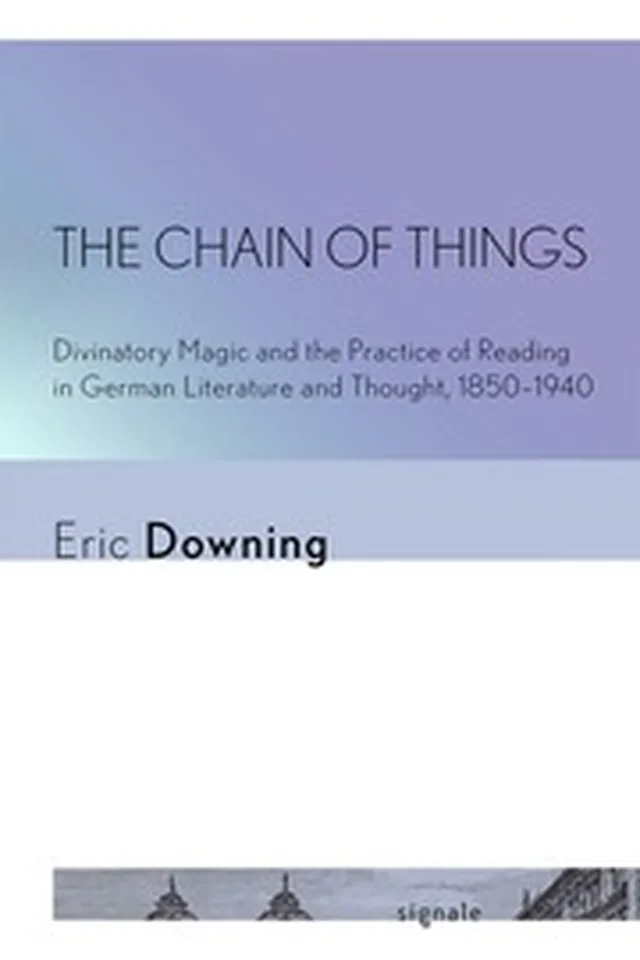
The Chain of Things - Divinatory Magic and the Practice of Reading in German Literature and Thought, 1850–1940
 75
75

The Chain of Things - Divinatory Magic and the Practice of Reading in German Literature and Thought, 1850–1940



Review by Marcus Thorne (Esoteric Sciences Reviewer) — Eric Downing's 'The Chain of Things' is a tour de force in the realm of divinatory magic and its influence on German literature. Downing masterfully illustrates how the practice of divination shaped the aesthetics of nineteenth-century realists and modernist thinkers. This book is a treasure trove of esoteric insights, particularly for those interested in the intersection of mystical practices and literary theory. Downing's exploration of sympathetic magic and its connection to German aesthetics provides a fresh perspective on the works of Gottfried Keller, Theodor Fontane, and Walter Benjamin. The intended audience includes scholars of German literature, practitioners of divination, and spiritual seekers looking to deepen their understanding of hidden knowledge and symbolism.
📝 Description
75
Published between 1850 and 1940, 'The Chain of Things' connects divination and German literary thought.
This book examines the use of divinatory practices within German literature and intellectual circles from 1850 to 1940. It shows how figures like Gottfried Keller, Theodor Fontane, and Walter Benjamin incorporated elements of divination into their creative and critical work. The study connects Greek ideas of sympathetic magic with German concepts of mood and atmosphere in literature. It suggests these divinatory approaches provided a way to uncover hidden meanings and symbolic connections.
The research traces how this interplay influenced aesthetic sensibilities during realism and modernism. It aims to illuminate the less obvious, mystical currents that shaped these literary traditions. The work is intended for those interested in the intersection of esoteric thought and artistic expression.
This work situates itself within the study of esoteric traditions that influenced Western intellectual history. It specifically looks at how occult practices, particularly divination, were not confined to specialized circles but found expression in mainstream artistic and literary production. The book bridges the gap between popular fascination with the mystical and the sophisticated intellectual currents of German thought. It considers how notions of hidden correspondence and intuitive insight, central to many esoteric systems, were adapted by literary figures to understand and create meaning.
💡 Why Read This Book?
Why read this book — 'The Chain of Things' offers a unique perspective on the mystical underpinnings of German literature, making it an essential read for seekers of esoteric knowledge, scholars of German realism and modernism, and practitioners of divination. By exploring the ancient practice of divination and its influence on literary aesthetics, this book provides a deeper understanding of the hidden symbols and meanings within classic works. Whether you are a novice in the field of esoteric studies or a seasoned practitioner, this book will enrich your journey into the mystical realms of literature.
⭐ Reader Reviews
Honest opinions from readers who have explored this book.
❓ Frequently Asked Questions
What is the primary focus of 'The Chain of Things'?
The book explores how divinatory magic influenced the reading and aesthetic practices of German realists and modernist thinkers.
Who are the key figures discussed in the book?
The book delves into the works and ideas of Gottfried Keller, Theodor Fontane, and Walter Benjamin, among others.
How does divination relate to German literature?
Divination is connected to the German aesthetic concept of attuning mood and atmosphere, which influenced the works of many German authors.
Is this book suitable for beginners in esoteric studies?
Yes, the book provides a comprehensive introduction to the mystical practices that influenced German literature, making it accessible to both beginners and scholars.
Can I read this book online for free?
Currently, there is no information available on where to read this book online for free.
🔮 Key Themes & Symbolism
Divinatory Magic
The book examines the ancient practice of divination and its influence on German literature, revealing how sympathetic magic shaped the aesthetics of nineteenth-century realists and modernist thinkers.
German Aesthetics
Downing examines the German concept of attuning mood and atmosphere, showing how it connects to the mystical practices of divination and the works of renowned authors like Gottfried Keller and Theodor Fontane.
Symbolism and Hidden Knowledge
Through a rich exploration of symbols and hidden meanings, the book offers insights into the esoteric underpinnings of German literature, making it a valuable resource for seekers of mystical wisdom.
💡 Key Ideas
Editorial paraphrase of the work's core concepts — not direct quotes.
The practice of divination reveals the hidden connections between the cosmos and the individual.
This quote underscores the mystical bond between the reader and the universe, emphasizing the esoteric nature of literary interpretation.
Sympathetic magic is the key to unlocking the secrets of the German aesthetic.
This line highlights the importance of ancient magical practices in shaping modern literary aesthetics.
The attunement of mood and atmosphere is a mystical journey into the depths of human experience.
This quote emphasizes the spiritual dimension of German literature, inviting readers to explore the mystical undercurrents within classic works.
The Chain of Things ties together the threads of divination and literature, revealing a range of hidden knowledge.
This passage illustrates the book's exploration of the interconnection between esoteric practices and literary theory.
Divination is not just a tool for prediction but a pathway to deeper understanding.
This quote underscores the philosophical significance of divination in the context of German literature and thought.
🌙 Esoteric Significance
Tradition
This book belongs to the Hermetic tradition, which emphasizes the interconnection between the macrocosm and the microcosm. By exploring the practice of divination and its influence on German literature, Downing reveals the hidden symbols and meanings that lie at the heart of this esoteric tradition.
Symbolism
Key symbols in the book include the Chain of Things, which represents the interconnectedness of all things in the universe, and the concept of sympathetic magic, which highlights the mystical bond between the individual and the cosmos.
Modern Relevance
Today, the book remains relevant for modern practitioners of divination and seekers of esoteric wisdom. Its exploration of the mystical underpinnings of literature provides a valuable resource for those looking to deepen their understanding of hidden knowledge and symbolism.
👥 Who Should Read This Book
This book is ideal for a diverse range of readers, including beginners in esoteric studies, scholars of German literature, spiritual seekers, and practitioners of divination. Beginners will appreciate the comprehensive introduction to the mystical practices that influenced German literature, while scholars will find valuable insights into the esoteric underpinnings of classic works. Spiritual seekers and practitioners will benefit from the book's exploration of hidden knowledge and symbolism, making it a rich resource for their mystical journeys.
📜 Historical Context
The late 19th and early 20th centuries were a time of profound intellectual and artistic ferment in Germany. This period saw the rise of realism and modernism, with authors like Gottfried Keller and Theodor Fontane exploring the depths of human experience through their works. 'The Chain of Things' was written to illuminate the esoteric influences that shaped these literary movements, providing a fresh perspective on the mystical undercurrents within German literature. The book's exploration of divinatory magic and its connection to German aesthetics has had a lasting impact on the study of esoteric literature and the practice of divination.
📔 Journal Prompts
Reflect on how the practice of divination has influenced your understanding of literature.
Consider the ways in which sympathetic magic can be applied to your own spiritual practice.
Explore the concept of attuning mood and atmosphere in your favorite literary works.
Journal about the hidden symbols and meanings you have discovered in your reading of German literature.
Reflect on the mystical undercurrents within your own writing or creative endeavors.
🗂️ Glossary
Sympathetic Magic
A form of magic based on the principle of similarity, where like affects like.
Divination
The practice of seeking knowledge of the future or the unknown by supernatural means.
Attunement
The process of aligning one's mood and atmosphere with the surrounding environment.
German Realism
A literary movement that aimed to depict contemporary life and society in a realistic manner.
German Modernism
A cultural and artistic movement that sought to break with traditional forms and explore new ways of expression.
This book appears in 3 collections
🔮 Readers Also Liked
Browse all →








From the “Tarot” Collection
View all →






More Free Divination & Tarot Books
View all →