Magnalia naturae

 61
61

Magnalia naturae

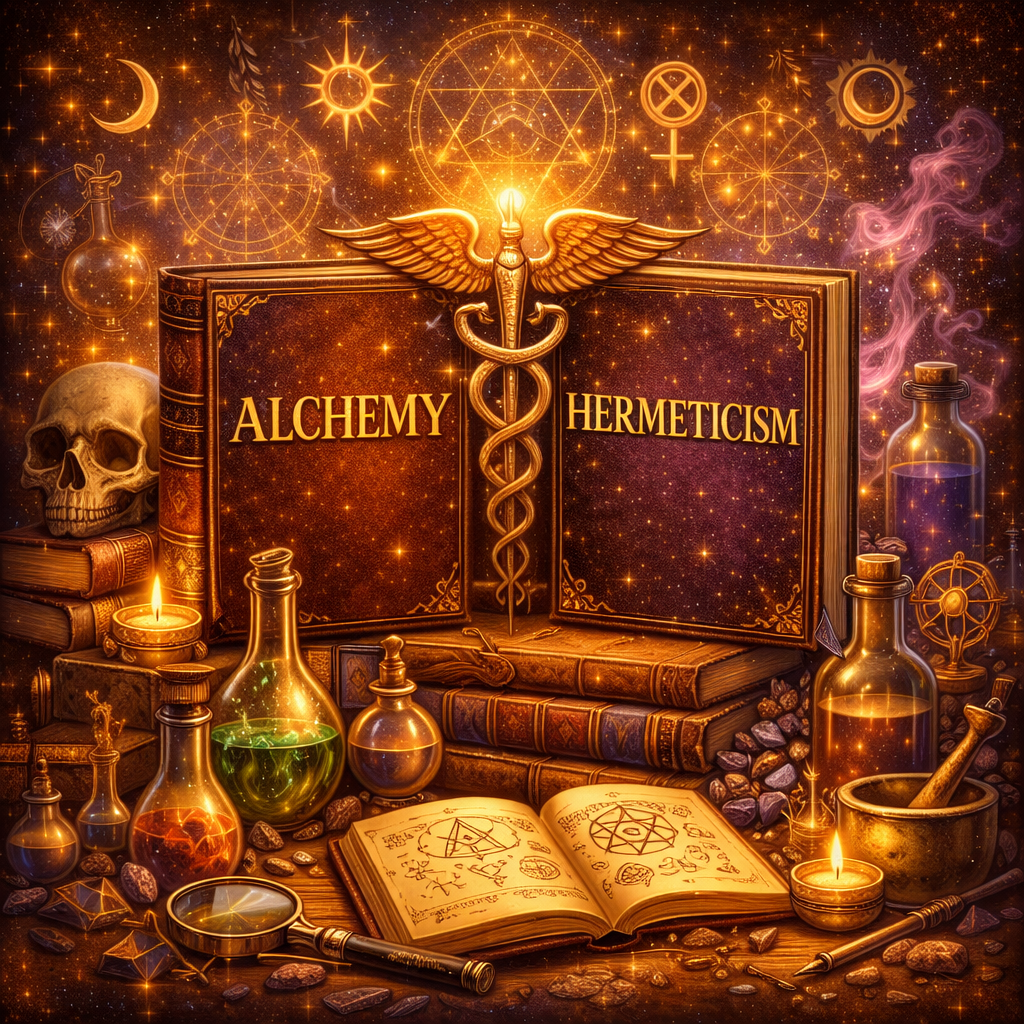

Review by Celeste Moreau (Divination & Symbolism Reviewer) — Johann Joachim Becher's 'Magnalia naturae' is a cornerstone of alchemical literature that offers profound esoteric insights into the mysteries of nature. Becher's work is meticulously crafted, blending scientific observation with mystical symbolism to reveal the hidden principles governing the universe. The book is particularly strong in its exploration of the alchemical process, making it an invaluable resource for both novice and seasoned practitioners. Its philosophical significance lies in its ability to bridge the gap between the material and the spiritual, providing a holistic understanding of the natural world. 'Magnalia naturae' is a must-read for anyone interested in the deeper, more mystical aspects of alchemy and hermeticism.
📝 Description
61
Johann Joachim Becher published 'Magnalia naturae' to reveal nature's hidden mechanisms and the transmutation of elements.
Johann Joachim Becher's 'Magnalia naturae' examines the core principles of alchemy and hermeticism. The book discusses the symbolic language and spiritual dimensions of transforming natural elements. Becher connects the physical processes of alchemy to a deeper spiritual quest for understanding.
This work aims to demystify the natural world through an alchemical lens. It presents a framework where scientific observation and mystical interpretation intersect. Readers will find discussions on the symbolism behind elemental change and the pursuit of higher knowledge. The text encourages a reevaluation of reality by understanding the alchemical pursuit of enlightenment and the reconciliation of dualities.
Published within the hermetic tradition, 'Magnalia naturae' belongs to a lineage of texts that sought to understand the universe through symbolic correspondences and spiritual principles. This tradition, influenced by figures like Hermes Trismegistus, posits a macrocosm-microcosm relationship where the study of the material world reveals spiritual truths. Becher's work engages with this by interpreting alchemical processes not just as chemical experiments, but as metaphors for inner change and the discovery of hidden natural laws.
💡 Why Read This Book?
Read 'Magnalia naturae' to explore the profound mysteries of alchemy and hermeticism. This book is ideal for seekers of hidden knowledge, scholars of esoteric traditions, and practitioners looking to deepen their understanding of the spiritual alchemy that underlies the natural world. Becher's insights offer a unique perspective on the transmutation of elements and the quest for enlightenment, making it a valuable addition to any mystical library.
⭐ Reader Reviews
Honest opinions from readers who have explored this book.
❓ Frequently Asked Questions
What is the main theme of 'Magnalia naturae'?
The main theme is the exploration of alchemical principles and the transmutation of elements, revealing the hidden mysteries of nature.
Who should read this book?
This book is ideal for scholars, spiritual seekers, and practitioners of the occult who are interested in the deeper, mystical aspects of alchemy and hermeticism.
What makes 'Magnalia naturae' significant?
Its significance lies in its ability to bridge the gap between science and mysticism, offering a holistic understanding of the natural world.
Is this book suitable for beginners?
While it is dense with esoteric knowledge, beginners with an interest in alchemy and hermeticism will find it enriching and enlightening.
How does 'Magnalia naturae' contribute to modern esoteric practices?
It provides a foundational understanding of alchemical principles that are still relevant to modern practitioners seeking spiritual enlightenment.
🔮 Key Themes & Symbolism
Alchemical Transmutation
Becher explores the process of alchemical transmutation, exploring how the transformation of elements mirrors the spiritual journey of the seeker. This theme underscores the mystical belief that the material world reflects deeper spiritual truths, inviting readers to contemplate the interconnectedness of all things.
Symbolism in Nature
The book emphasizes the symbolic language of nature, where every element and process holds a deeper meaning. Becher's work reveals how understanding these symbols can lead to spiritual enlightenment and a more profound connection with the natural world.
The Philosopher's Stone
Central to 'Magnalia naturae' is the quest for the philosopher's stone, a symbol of ultimate spiritual achievement. This theme explores the alchemical quest for perfection and the union of opposites, offering readers a path to inner transformation and enlightenment.
💬 Memorable Quotes
Direct passages from the work, attributed to the author.
“The transmutation of elements is a reflection of the soul's journey.”
— Becher's words highlight the spiritual significance of alchemical processes, suggesting they mirror inner transformation.
“Every element holds a deeper meaning, waiting to be revealed.”
— Becher's words invite readers to delve deeper into the mysteries of nature and the spiritual truths it holds.
💡 Key Ideas
Editorial paraphrase of the work's core concepts — not direct quotes.
Nature is a vast laboratory where the secrets of the universe are revealed.
This quote underscores the mystical belief that nature holds hidden knowledge accessible to those who seek it.
In the symbolism of nature, we find the keys to spiritual enlightenment.
This passage emphasizes the importance of understanding natural symbols for spiritual growth and enlightenment.
The quest for the philosopher's stone is a journey towards perfection.
This quote explores the alchemical quest for ultimate spiritual achievement and the union of opposites.
🌙 Esoteric Significance
Tradition
Belonging to the Hermetic tradition, 'Magnalia naturae' explores the mystical and alchemical principles that underpin the natural world. This tradition emphasizes the interconnectedness of all things and the quest for spiritual enlightenment through the understanding of hidden symbols and processes.
Symbolism
Key symbols in the book include the philosopher's stone, the transmutation of elements, and the symbolic language of nature. These symbols represent the spiritual journey, the quest for perfection, and the deeper meanings hidden within the natural world.
Modern Relevance
Today, 'Magnalia naturae' remains relevant to practitioners of alchemy and hermeticism who seek to understand the mystical principles governing the universe. Modern practitioners use Becher's insights to deepen their spiritual practices and explore the hidden knowledge revealed through alchemical processes.
👥 Who Should Read This Book
Beginners interested in alchemy and hermeticism will find 'Magnalia naturae' an enriching introduction to the mystical aspects of these fields. Scholars will appreciate the historical and philosophical depth of Becher's work. Spiritual seekers will be drawn to the book's exploration of the spiritual journey and the quest for enlightenment. Practitioners of the occult will find valuable insights into the alchemical processes and symbols that underpin their practices.
📜 Historical Context
Johann Joachim Becher's 'Magnalia naturae' was written during the 17th century, a time of great scientific and philosophical exploration. The era was marked by a blending of empirical observation with mystical and alchemical beliefs, making Becher's work a central contribution to the field of alchemy. 'Magnalia naturae' was influential in shaping the understanding of natural processes and the quest for the philosopher's stone, a symbol of ultimate spiritual achievement. Its impact can still be seen in modern esoteric practices and the ongoing search for hidden knowledge.
📔 Journal Prompts
Reflect on how the alchemical process of transmutation can be applied to your own spiritual journey.
Consider the symbolic language of nature and how it reveals deeper spiritual truths.
Explore the concept of the philosopher's stone and what it means to seek ultimate spiritual achievement.
Write about a personal experience where you found hidden knowledge in nature.
Reflect on the interconnectedness of all things and how this understanding can enrich your spiritual practices.
🗂️ Glossary
Alchemy
The medieval chemical science of transmuting base metals into gold, often symbolizing spiritual transformation.
Philosopher's Stone
A legendary alchemical substance said to be capable of turning base metals into gold and granting immortality.
Hermeticism
An esoteric tradition based on the writings of Hermes Trismegistus, emphasizing the mystical and spiritual aspects of nature.
Transmutation
The alchemical process of transforming one substance into another, often symbolizing spiritual growth.
Symbolism in Nature
The belief that natural elements and processes hold deeper, spiritual meanings that can be understood through mystical interpretation.
This book appears in 3 collections
🔮 Readers Also Liked
Browse all →









More by Johann Joachim Becher
All books →


From the “Hermeticism” Collection
View all →









More Free Alchemy & Hermeticism Books
View all →