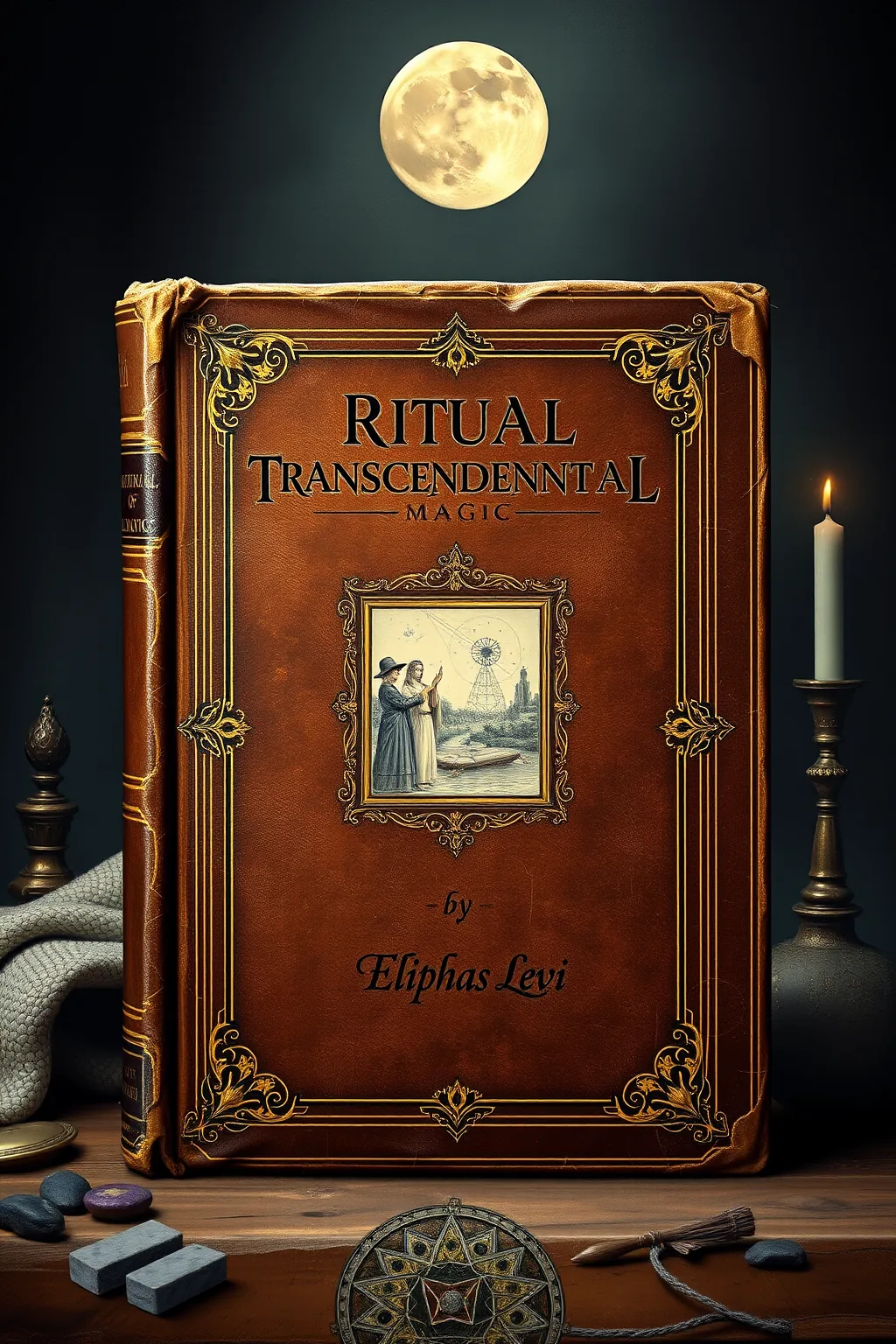
Ritual of Transcendental Magic
 62
62

Ritual of Transcendental Magic

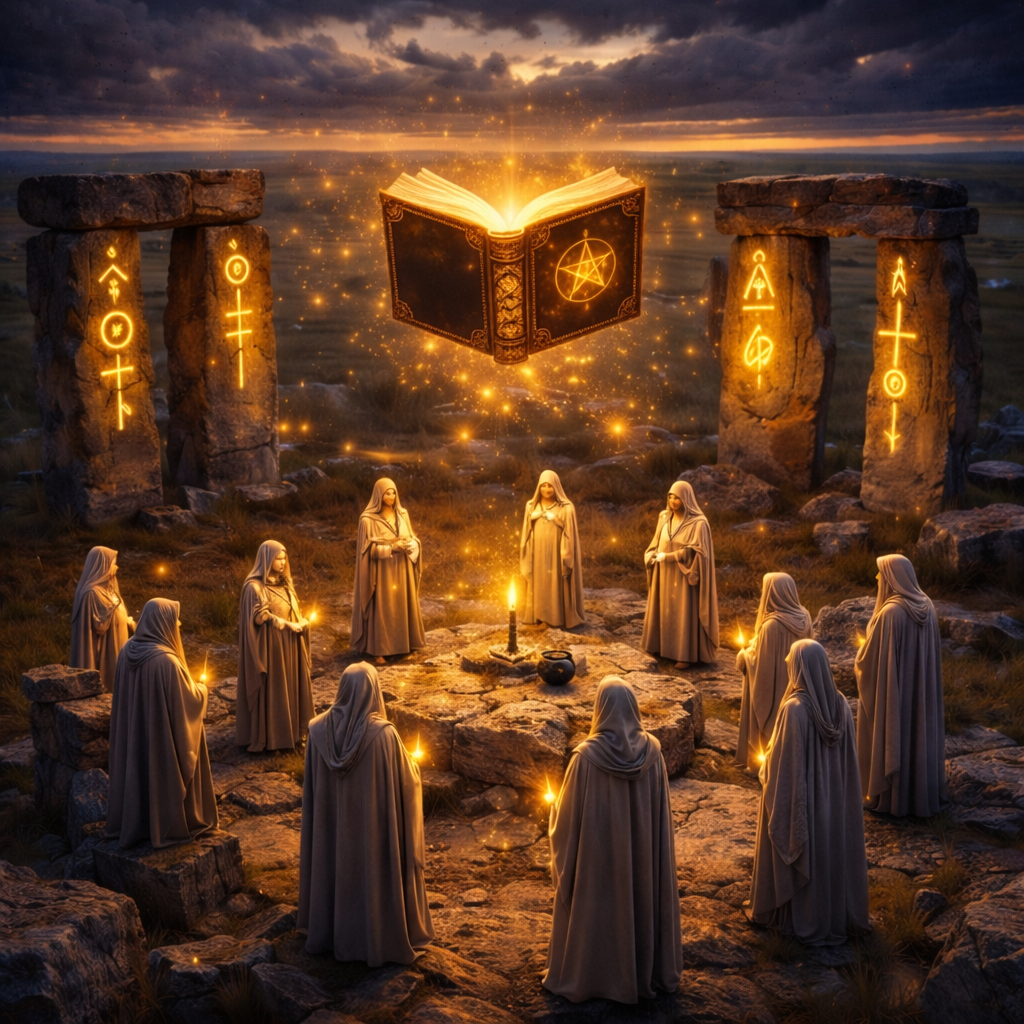

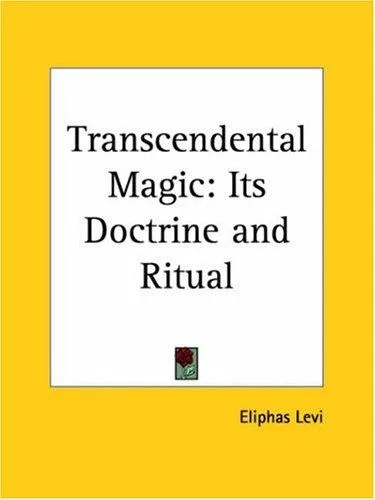
Silas Hawthorne (Hermetic Studies Editor) — Eliphas Levi's 'Ritual of Transcendental Magic' remains an indispensable cornerstone of Western esotericism. Levi masterfully synthesizes Kabbalah, Hermeticism, and ceremonial magic, presenting a coherent system for spiritual evolution. This work is a potent distillation of esoteric knowledge, offering profound insights into the nature of the astral plane, the power of the divine name, and the practical application of magical will. While demanding intellectual rigor, its rewards are immense for the dedicated student of the occult arts. Essential reading for anyone serious about understanding the underpinnings of modern magical practice.
📝 Description
62
Delve into the labyrinthine wisdom of Eliphas Levi's 'Ritual of Transcendental Magic,' a seminal work that pierces the veil of the mundane to reveal the profound interconnectedness of the cosmos and the human psyche. Levi, a master of occult philosophy, guides the earnest seeker through the arcane principles of ceremonial magic, unveiling the hidden language of symbols, the potent force of the will, and the alchemical transformation of the self. This tome is not merely a manual for ritual but a philosophical journey, exploring the divine correspondences that govern existence and the inherent potential for humanity to achieve mastery over the material and spiritual realms. Its pages resonate with an ancient power, inviting those who yearn for deeper understanding and esoteric enlightenment to embark on a path of self-discovery and magical realization. Prepare to confront the shadows and embrace the light within.
✍️ Author
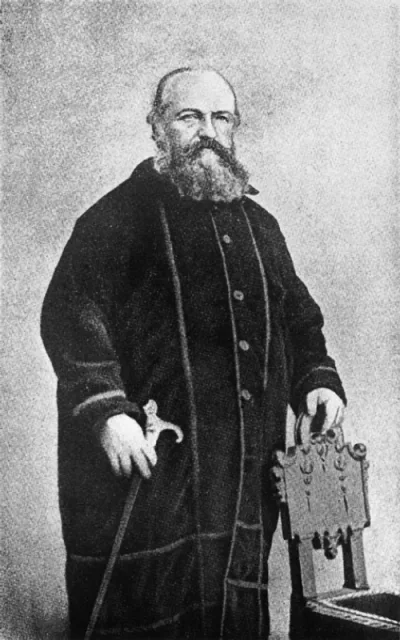
Eliphas Levi
Éliphas Lévi Zahed, born Alphonse Louis Constant (8 February 1810 – 31 May 1875), was a French esotericist, poet, and writer. Initially pursuing an ecclesiastical career in the Catholic Church, he abandoned the priesthood in his mid-twenties and became a c…
💡 Why Read This Book?
Uncover the foundational principles of Western ceremonial magic and its profound connection to the human condition. 'Ritual of Transcendental Magic' offers a rigorous exploration of esoteric symbolism, the nature of will, and the path to spiritual ascent. Ideal for seekers of hidden knowledge, students of occult philosophy, and practitioners aiming to deepen their understanding of magical theory and practice.
⭐ Reader Reviews
Honest opinions from readers who have explored this book.
❓ Frequently Asked Questions
What is the primary focus of 'Ritual of Transcendental Magic'?
The book focuses on the theory and practice of ceremonial magic, emphasizing the alignment of the human will with divine principles to achieve spiritual and material transformation.
Is this book suitable for beginners in magic?
While comprehensive, it is dense and requires dedicated study. Beginners may benefit from foundational texts before diving into Levi's more complex philosophical and symbolic systems.
What role does symbolism play in Levi's magic?
Symbolism is central, serving as the language of the universe. Levi meticulously deciphers symbols from various traditions to illuminate magical operations and cosmic laws.
Does the book advocate for specific deities or pantheons?
Levi's approach is often philosophical and universal, drawing from a wide range of esoteric traditions without strictly adhering to a single pantheon, focusing instead on divine principles.
What is the 'transcendental' aspect of the magic described?
The 'transcendental' refers to the aim of transcending ordinary consciousness and material limitations to connect with higher spiritual realities and exert influence from that elevated state.
🔮 Key Themes & Symbolism
The Art of Magical Will
Levi posits that the human will, when properly trained and directed, is the primary instrument of magical operation. This theme explores the cultivation of focused intention, the overcoming of internal obstacles, and the channeling of psychic energies to manifest desired outcomes. It delves into the concept of the 'Great Work' – the alchemical transformation of the self through disciplined practice, emphasizing that true magic stems from an inner mastery that resonates with the universal forces.
The Language of Universal Symbolism
This work is a Rosetta Stone for esoteric symbols, meticulously decoding the profound meanings embedded within the imagery of ancient traditions, Kabbalah, astrology, and alchemy. Levi illustrates how these symbols are not mere decorations but potent keys that unlock the hidden structures of reality and the divine mind. Understanding this symbolic language is presented as essential for comprehending the operations of the cosmos and for effectively communicating with the subtler planes of existence.
The Interconnectedness of Microcosm and Macrocosm
Levi's philosophy hinges on the hermetic axiom 'As above, so below.' This theme examines the profound correspondence between the human being (the microcosm) and the universe (the macrocosm). It reveals how the laws governing the stars and planets are mirrored within the human soul, and how by understanding oneself, one can understand the divine order. The ritual practices described are designed to harmonize the individual with these universal rhythms.
💬 Memorable Quotes
“To know, to dare, to will, to be silent.”
— This iconic quaternary encapsulates the four essential pillars of magical practice: knowledge acquisition, courageous action, unwavering intent, and discretion in execution.
“The greatest of all occult sciences is the science of the human being.”
— Levi highlights that true magical understanding begins with profound self-knowledge, recognizing the divine spark and latent powers within.
“Magic is the science of the true relations of things.”
— This defines magic not as mere trickery, but as a deep comprehension of the underlying, often unseen, connections that govern the universe.
“The astral light is the universal agent.”
— This points to the pervasive, luminous ether that Levi believed connects all things, acting as a medium for magical influence and divine manifestation.
“The will is the motor of the universe.”
— Emphasizing the power of directed intention, this quote underscores the belief that focused willpower can shape reality and enact profound change.
🌙 Esoteric Significance
Tradition
This work is a cornerstone of 19th-century French occultism, heavily drawing from Hermeticism, Kabbalah, and Neoplatonism. Levi aimed to systematize and rationalize the occult arts, bridging ancient wisdom with contemporary philosophical thought. It represents a crucial link between older magical traditions and the modern resurgence of esoteric studies, offering a comprehensive framework for understanding the divine architecture of existence.
Symbolism
Levi masterfully employs a rich tapestry of symbols, including the Pentagram, Hexagram, Qabalistic Tree of Life, and alchemical emblems. Each symbol is presented not as arbitrary imagery, but as a living key to understanding cosmic principles and spiritual forces. His meticulous deciphering of these visual languages reveals the interconnectedness of all things and provides practical tools for invoking and directing subtle energies.
Modern Relevance
Despite its historical origins, 'Ritual of Transcendental Magic' remains remarkably relevant. Its exploration of the power of focused intention, the importance of self-mastery, and the profound impact of symbolism on consciousness resonates deeply with contemporary seekers. The principles of will-training and symbolic interpretation offer timeless guidance for personal growth, spiritual development, and understanding the subtle forces that shape our reality.
👥 Who Should Read This Book
This seminal work is essential for serious students of Western esotericism, occult philosophy, and ceremonial magic. It is particularly valuable for those seeking a deep, theoretical understanding of magical principles, symbolism, and the Qabalistic framework. While scholars will find it a rich source for historical and philosophical inquiry, practitioners will discover practical insights for refining their magical will and deepening their ritual work. Beginners are advised to approach with diligence, perhaps alongside introductory texts, to fully grasp Levi's intricate yet rewarding system.
📜 Historical Context
Written in the mid-19th century, 'Ritual of Transcendental Magic' emerged during a period of intense spiritual and intellectual ferment in Europe. The rise of spiritualism, the rediscovery of ancient texts, and a growing disillusionment with purely materialistic philosophies fueled a resurgence of interest in esoteric traditions. Eliphas Levi, a key figure in this occult revival, synthesized elements from Rosicrucianism, Kabbalah, Freemasonry, and Gnosticism, presenting them in a systematic and accessible (though still challenging) manner. His work profoundly influenced subsequent generations of occultists, magicians, and thinkers, shaping the landscape of modern Western esotericism and providing a foundational text for many magical orders.
📔 Journal Prompts
Reflect on a personal symbol that holds deep meaning for you. How might this symbol connect to larger cosmic principles?
Consider the concept of 'magical will.' What are your personal obstacles to focused intention, and how can you cultivate greater willpower?
Analyze the relationship between the 'above' and the 'below' in your own life. How do external circumstances influence your internal state, and vice versa?
Explore the idea of the 'universal agent' (astral light). How do you perceive subtle energies in your environment or within yourself?
Write about a moment where you felt a profound connection to something larger than yourself. How did this experience affect your perception of reality?
🗂️ Glossary
The Great Work (Magnum Opus)
The ultimate goal of magical and alchemical pursuit, referring to the spiritual transformation and perfection of the self, leading to enlightenment and mastery.
Astral Light
A concept representing a pervasive, luminous ether that permeates the universe, acting as a medium for thought, energy, and divine manifestation. It is the 'universal agent' through which magic operates.
Qabalah (Kabbalah)
A complex system of Jewish mysticism that explores the divine nature, creation, and the relationship between God and humanity, often represented through the Tree of Life.
Pentagram
A five-pointed star symbol, often used in ritual magic to represent the five elements (spirit, earth, air, fire, water) and the dominion of spirit over matter.
Will (Volition)
In Levi's context, the directed, focused intention and psychic energy of the magician, considered the primary force for enacting magical change.