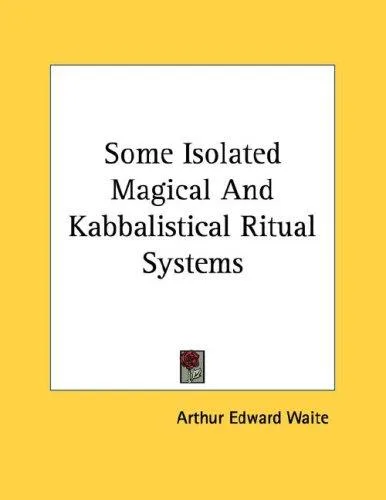
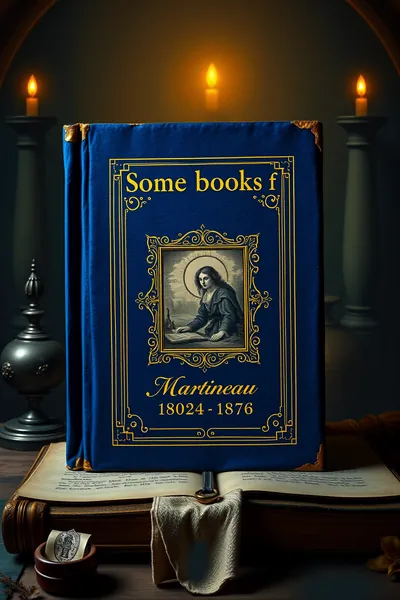
Some Isolated Magical And Kabbalistical Ritual Systems
 61
61

Some Isolated Magical And Kabbalistical Ritual Systems


Arthur Edward Waite's "Some Isolated Magical And Kabbalistical Ritual Systems" stands as a monument to scholarly dedication in the field of esoteric studies. Waite masterfully dissects isolated ritualistic traditions and the complex, interwoven threads of Kabbalistic practice. His prose, though dense, is rich with insightful commentary, offering practitioners and scholars alike a rare glimpse into the mechanics and philosophy of solitary magic. The book's strength lies in its systematic approach to complex subjects, demystifying intricate concepts without sacrificing their inherent profundity. This is essential reading for anyone serious about understanding the historical development and practical application of Western occultism, particularly those drawn to the solitary path of magical inquiry.
📝 Description
61
Published in 1916, Arthur Edward Waite's "Some Isolated Magical And Kabbalistical Ritual Systems" details solitary ritual practices.
Arthur Edward Waite's 1916 book examines solitary magical rituals and their connection to Kabbalistic thought. Waite, a prolific occult writer, presents these systems with a focus on their symbolic structures and philosophical underpinnings. He details specific practices, aiming to illuminate the principles behind them for the serious student. The work is not a practical grimoire but an analytical study of these traditions.
The book addresses the architecture of magical thinking and the concepts that shape understanding of the universe within these systems. Waite sought to codify and explain the logic of these isolated traditions, moving beyond mere description to an examination of their internal coherence. It is a study for those interested in the theoretical aspects of Western esotericism.
This work fits within the broader study of Western esotericism, specifically the late 19th and early 20th-century surge of interest in magical orders and Kabbalistic philosophy. Waite, a key figure in movements like the Hermetic Order of the Golden Dawn, often sought to analyze and categorize the diverse magical systems then being rediscovered or practiced. His approach here is academic, focusing on the structure and meaning of these rituals rather than their direct application.
💡 Why Read This Book?
Uncover the intricate mechanics of solitary magical rites and the profound symbolic language of Kabbalah. "Some Isolated Magical And Kabbalistical Ritual Systems" offers a rare intellectual and spiritual journey for seekers, scholars, and practitioners eager to understand the foundational elements of Western esoteric traditions and their practical application in personal gnosis.
⭐ Reader Reviews
Honest opinions from readers who have explored this book.
❓ Frequently Asked Questions
What is the primary focus of this book?
The book primarily focuses on detailing and analyzing isolated magical rituals and the core principles and practices of Kabbalah, offering insights into solitary esoteric work.
Is this book suitable for beginners?
While comprehensive, the book's depth and scholarly tone may be more accessible to those with some prior exposure to occult or philosophical concepts. Beginners might find it challenging but rewarding with dedicated study.
What is Kabbalah as presented in this work?
Waite presents Kabbalah as a mystical Jewish tradition that explores the divine nature, creation, and the interconnectedness of all things through a rich symbolic system and esoteric interpretation of scripture.
What makes these rituals 'isolated'?
The term 'isolated' suggests rituals that can be performed by an individual practitioner without the need for a formal group or established magical order, emphasizing personal connection and inner work.
What kind of knowledge does Waite aim to impart?
Waite aims to impart a deeper understanding of the theoretical and practical aspects of esoteric magic and Kabbalistic philosophy, encouraging intellectual and spiritual development through study and contemplation.
🔮 Key Themes & Symbolism
The Art of Solitary Ritual
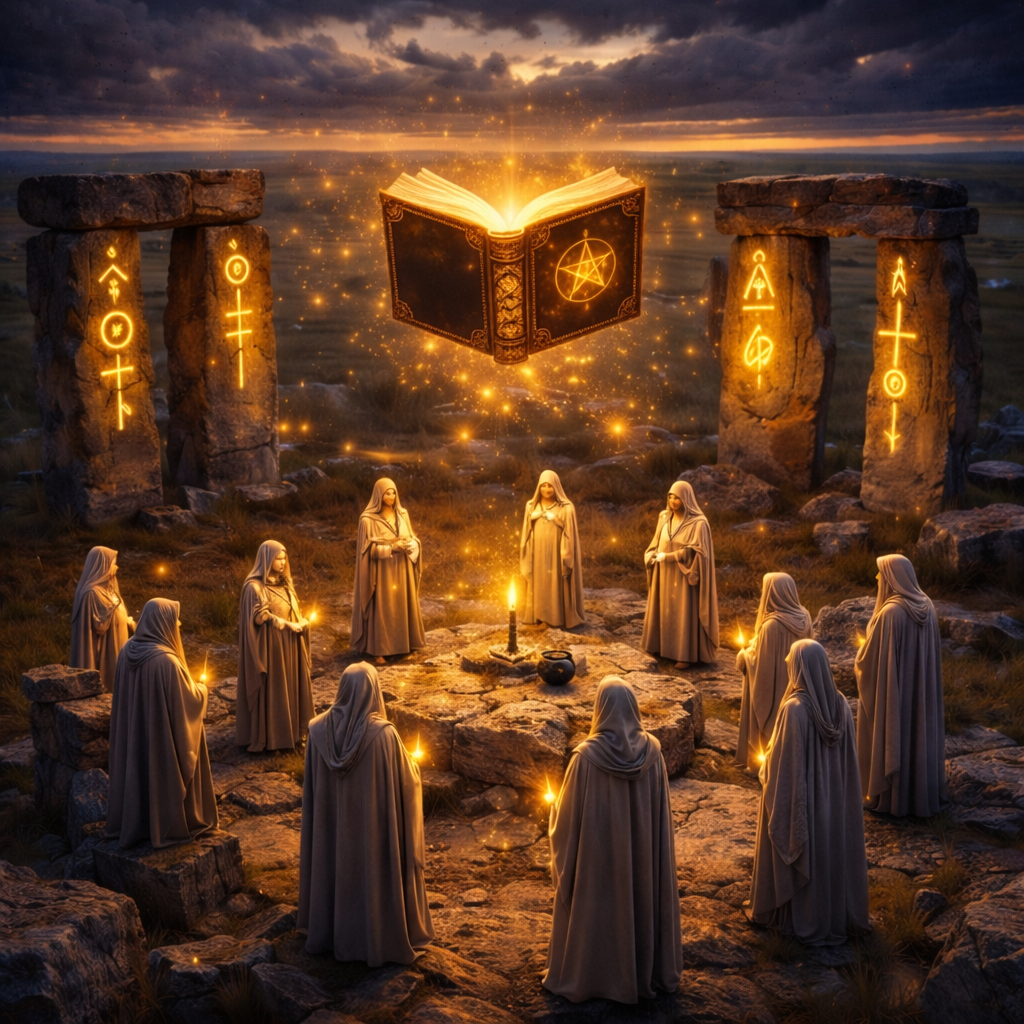
This theme explores the profound efficacy and unique challenges of performing magical operations in isolation. Waite examines the psychological and spiritual preparations necessary for the solitary practitioner, emphasizing the importance of inner fortitude, focused intent, and the creation of sacred space. It highlights how individual will and understanding can directly engage with subtle energies, bypassing the need for external structures and focusing on the direct, personal communion with the divine or occult forces.
Kabbalistic Architecture of Reality
Here, the book illuminates the intricate symbolic framework of the Kabbalah, particularly the Tree of Life, as a map of creation and consciousness. Waite dissects the Sephiroth and their interconnections, revealing how this ancient system provides a blueprint for understanding the divine emanations, the human soul, and the underlying order of the cosmos. The emphasis is on Kabbalah not just as a theological system, but as a living, dynamic model for spiritual ascent and gnosis.
The Interplay of Symbol and Manifestation
This theme examines how esoteric symbols function as conduits for spiritual power and knowledge. Waite demonstrates how specific ritualistic actions, divine names, and sigils are not mere representations but active forces that can influence the material and spiritual realms. The book underscores the belief that the universe operates on principles of correspondence, where symbolic acts in the microcosm can produce tangible effects in the macrocosm, bridging the gap between intention and realization.
💬 Memorable Quotes
Direct passages from the work, attributed to the author.
“The solitary path is one of profound inner communion.”
— This highlights the book's focus on individual magical practice, suggesting that true spiritual progress often comes from introspection and personal connection to occult forces.
“Kabbalah offers a celestial map of the soul's journey.”
— This emphasizes the spiritual and psychological dimensions of Kabbalah, presenting it as a guide for understanding human consciousness and its ascent.
“Hidden knowledge requires a prepared mind.”
— This underscores the intellectual and spiritual discipline necessary for engaging with esoteric texts, implying that understanding is earned through study and contemplation.
“The universe whispers its secrets to the attentive.”
— This poetic line encourages an open, receptive attitude towards learning, suggesting that clear insights are available to those who actively listen and observe the subtle signs.
💡 Key Ideas
Editorial paraphrase of the work's core concepts — not direct quotes.
Ritual acts are bridges between will and worlds.
This quote speaks to the power of ceremonial magic, suggesting that structured actions can consciously connect the practitioner's desires to the subtle energies of the universe.
🌙 Esoteric Significance
Tradition
This work is deeply rooted in Western Esotericism, with a particular emphasis on Kabbalistic mysticism and ceremonial magic. It draws heavily from Jewish Kabbalah, interpreting its symbolic language and cosmology through an occult lens. Waite's unique contribution lies in his scholarly approach to these traditions, integrating them with magical theory and practice, thereby offering a bridge between theoretical understanding and practical application within a solitary framework.
Symbolism
The book is replete with strong symbolism, most notably the Kabbalistic Tree of Life, which serves as a central organizing principle for understanding divine emanations, human consciousness, and the structure of the cosmos. Other key symbols include Hebrew letters, divine names, astrological correspondences, and alchemical imagery, all of which Waite meticulously deciphers to reveal their hidden meanings and their role in magical operations and spiritual attainment.
Modern Relevance
In an age increasingly focused on individual empowerment and self-discovery, Waite's exploration of isolated magical systems and the introspective depths of Kabbalah holds profound relevance. Modern practitioners find in his work a guide to personal gnosis and the development of inner spiritual authority, free from the constraints of organized dogma. The emphasis on symbolic understanding and the interconnectedness of all things appeals to contemporary spiritual seekers looking for a deeper, more meaningful engagement with the universe.
👥 Who Should Read This Book
This meticulously researched volume is an indispensable resource for several distinct groups. For the **serious student of occult history**, it offers foundational knowledge and scholarly analysis. **Spiritual seekers** will find a roadmap to deeper introspection and a richer understanding of cosmic principles. **Practitioners of magic**, particularly those inclined towards solitary work, will discover potent rituals and profound philosophical underpinnings to enhance their practice. **Academics and researchers** in religious studies, philosophy, and esotericism will appreciate Waite's rigorous scholarship and unique synthesis of diverse traditions. It's a journey for the dedicated mind.
📜 Historical Context
Arthur Edward Waite penned "Some Isolated Magical And Kabbalistical Ritual Systems" during a period of intense resurgence and intellectualization of occultism in late 19th and early 20th century Europe. This era, marked by the influence of figures like Eliphas Lévi and the rise of esoteric orders such as the Hermetic Order of the Golden Dawn (of which Waite was a prominent member), saw a fervent desire to systematize, research, and revive ancient magical and Kabbalistic traditions. The prevailing intellectual climate, grappling with the limitations of pure materialism, provided fertile ground for mystical and metaphysical exploration. Waite's work emerged within this context, aiming to provide a more scholarly and accessible understanding of these complex subjects, distinguishing itself from more sensationalist occult literature and contributing significantly to the scholarly study of Western esotericism.
📔 Journal Prompts
Reflect on a personal ritual that has brought you a sense of profound connection. What elements made it significant?
How does the concept of the Tree of Life resonate with your understanding of your own inner landscape and spiritual journey?
Consider a symbol from your daily life. How might it be imbued with deeper, esoteric meaning through focused contemplation?
What are the primary challenges and rewards you perceive in pursuing spiritual or magical knowledge through isolated study?
Waite emphasizes the 'prepared mind.' What steps can you take to cultivate greater mental and spiritual preparedness for esoteric study?
🗂️ Glossary
Kabbalah
A mystical and esoteric tradition within Judaism that explores the divine nature, creation, and the relationship between the universe and the human soul through symbolic interpretation of scripture and cosmology.
Sephiroth
The ten divine emanations or attributes of God as described in Kabbalistic cosmology, often represented on the Tree of Life, each possessing unique energies and correspondences.
Esotericism
Teachings or practices that are secret, or intended only for a select group of people who are initiated into them. It often involves hidden knowledge, spiritual disciplines, and mystical insights.
Gnosis
Knowledge, especially spiritual knowledge, that is attained through direct experience or intuition rather than through sensory perception or rational thought; enlightenment.
Ritual
A set of actions performed in a prescribed order, often for symbolic or religious purposes, intended to evoke specific spiritual or psychological states and to influence the subtle planes of existence.
This book appears in 2 collections
🔮 Readers Also Liked
Browse all →






More by Arthur Edward Waite
All books →
From the “Ritual Magic” Collection
View all →





More Free Magic & Ritual Books
View all →