What is Ceremonial Magic?
Ceremonial magic refers to ritualistic practices involving specific tools, timings, invocations, and visualizations to effect change or gain knowledge. It often employs structured ceremonies, symbolic language, and the evocation or invocation of entities. Unlike spontaneous magic, it emphasizes preparation, precision, and adherence to established procedures derived from grimoires, hermetic traditions, and esoteric orders.
Best Books for Complete Beginners
For those new to ceremonial magic, start with accessible introductions. Manly P. Hall's 'The SECRET TEACHINGS OF ALL AGES' (1911) offers broad context on esoteric traditions. 'The Book of Ceremonial Magic' by A. E. Waite (1913) provides historical overview and practical guidance. Chic and Sandra Cicero's 'Secrets of a Golden Dawn Temple - Book 1' (2004) details practical tool creation for ritual. Christopher Penczak's 'Temple of High Witchcraft' offers modern, structured approaches to magical practice.
Intermediate Reading
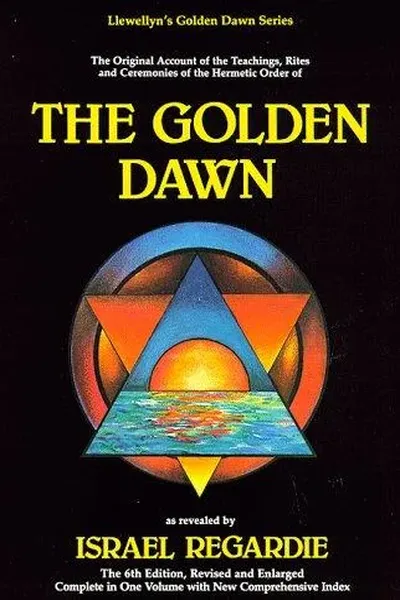
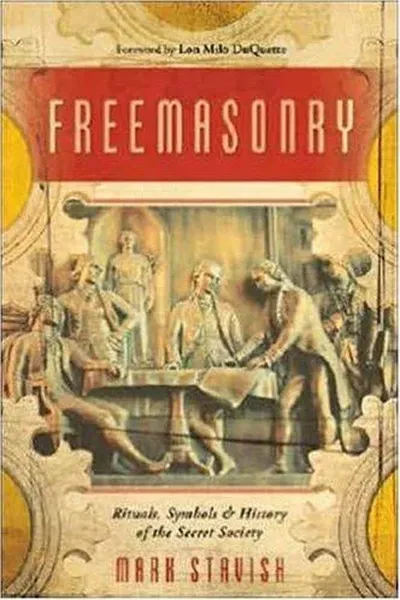
Building on foundational knowledge, intermediate texts delve deeper into specific systems. Israel Regardie's 'Ceremonial Magic' (1980) is essential for understanding the Golden Dawn lineage and its practices. Francis King's 'Astral Projection Ritual Magic and Alchemy' (1987) explores related techniques and Golden Dawn material. Corey White's 'Ritual Astrology: High Magick' (2018) connects astrological principles to ritual execution. Mark Stavish's 'Freemasonry' offers insight into a related initiatory tradition.
Classical / Advanced Texts
Advanced study requires engaging with primary source materials and complex systems. Henry Cornelius Agrippa's 'Three Books of Occult Philosophy' is an important work, detailing planetary magic, talismans, and natural magic. 'The Lesser Key of Solomon' (Mathers/Crowley edition) presents detailed instructions for spirit invocation. Francis Barrett's 'The Magus' (1801) is another foundational text covering a wide range of occult arts. Rudolf Steiner's 'The Spiritual Guidance of Man and of Mankind' offers a unique spiritual-scientific perspective.
Reading Order — Step by Step
Begin with broad overviews like Hall's 'SECRET TEACHINGS OF ALL AGES' (Week 1-2) to grasp the landscape. Progress to Waite's 'Book of Ceremonial Magic' (Month 1) for historical and practical introductions. In Month 2, tackle Regardie's 'Ceremonial Magic' and the Cicero's 'Secrets of a Golden Dawn Temple' for structured system study. By Month 3, engage with Agrippa's 'Three Books of Occult Philosophy' and 'The Lesser Key of Solomon' for direct engagement with classical grimoires, supplementing with King's 'Astral Projection' for related techniques.
Frequently Asked Questions
Which ceremonial magic book should I read first?
For a foundational understanding, start with Arthur Edward Waite's 'The Book of Ceremonial Magic' (1913). It provides historical context and an overview of practices relevant to beginners.
Are grimoires like 'The Lesser Key of Solomon' safe for beginners?
Grimoires such as 'The Lesser Key of Solomon' are advanced texts. Beginners should first build a solid theoretical foundation with introductory works before attempting complex invocations.
What is the difference between invocation and evocation?
Invocation calls a force or entity to manifest within the practitioner, while evocation calls it to appear externally, typically within a protective circle.
How does ceremonial magic differ from other forms of magic?
Ceremonial magic is characterized by its structured rituals, precise timing, use of specific tools, and often complex symbolic systems, distinguishing it from more spontaneous or intuitive magical practices.
Is 'The Golden Bough' relevant to ceremonial magic?
James George Frazer's 'The Golden Bough' is a study of comparative mythology and religion. While it offers insights into ancient rituals and beliefs that influenced magic, it is not a practical guide to ceremonial magic itself.
Where can I find information on the Golden Dawn system?
Israel Regardie's 'Ceremonial Magic' and the Cicero's 'Secrets of a Golden Dawn Temple' are key resources for understanding the Golden Dawn tradition and its ritual practices.
What role does astrology play in ceremonial magic?
Astrology is often integral, providing frameworks for determining auspicious times for rituals, understanding planetary influences, and correlating symbols and correspondences within the magical system.
What are talismans and sigils used for in ceremonial magic?
Talismans and sigils are magical tools used to focus intent and energy. Talismans are often inscribed with symbols to attract or repel specific influences, while sigils are charged symbols representing a particular magical goal.