The Bahir

 72
72

The Bahir
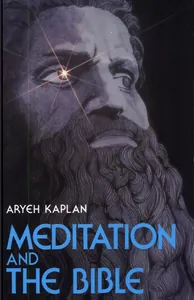
Aryeh Kaplan's translation and commentary on The Bahir offers a crucial entry point into one of Kabbalah's most enigmatic early texts. Kaplan's strength lies in his ability to render the often-obscure Hebrew into accessible English while providing contextual notes that bridge the gap between the medieval text and modern understanding. He meticulously unpacks the symbolic language, particularly the interplay of colors and divine attributes, which is central to the Bahir's unique cosmology. However, the very nature of the Bahir—its fragmented structure and allegorical style—means that even with Kaplan's guidance, the text can remain challenging. Certain passages, especially those dealing with the 'four thrones' or the allegorical interpretation of scripture, demand significant reader concentration. Despite these hurdles, Kaplan's scholarly rigor and deep familiarity with kabbalistic sources make this edition invaluable for anyone seeking to understand the roots of Jewish mysticism, offering a glimpse into concepts that would later define the Zohar and subsequent kabbalistic thought.
📝 Description
72
### What It Is
The Bahir, also known as the "Book of Illumination," is a foundational text of early Kabbalah. Though attributed to Rabbi Nehunia ben HaKana in the 12th century, its actual authorship and precise date of composition remain subjects of scholarly debate. The work is not a systematic theological treatise but rather a collection of mystical interpretations and symbolic narratives concerning the nature of God, creation, and the divine emanations. It presents a cosmology that influenced later kabbalistic development, particularly through its distinctive use of color symbolism and its exploration of divine attributes.
### Who It's For
This text is primarily for serious students of Kabbalah, Jewish mysticism, and comparative religious studies. It is not a beginner's guide to esoteric thought, nor is it a narrative that can be easily consumed. Readers should possess a foundational understanding of Jewish scripture and mystical traditions to fully appreciate its dense symbolism and cryptic language. Those interested in the historical evolution of mystical thought, particularly within the Abrahamic faiths, will find significant value.
### Historical Context
The Bahir emerged in Provence, France, during a period of intense intellectual and spiritual ferment in the late 12th or early 13th century. This era saw the flourishing of the earliest forms of Kabbalah, distinct from earlier Jewish mystical traditions like Merkavah mysticism. The Bahir's ideas circulated within a milieu that also included philosophical inquiry, particularly Aristotelianism, though the Bahir itself represents a markedly different, speculative approach. Its reception was initially limited, but its ideas gradually permeated the developing kabbalistic discourse, influencing figures like Moshe Cordovero and Isaac Luria centuries later.
### Key Concepts
The Bahir introduces several core kabbalistic concepts, often in nascent forms. Central is the concept of the Sefirot, divine attributes or emanations through which God interacts with the world, though not yet fully systematized as in later Kabbalah. The work also explores the nature of the divine name, the transmigration of souls (gilgul neshamot), and the mystical significance of Hebrew letters and their combinations. The use of color as a symbolic language for divine manifestation is another distinctive feature, with specific colors associated with different aspects of creation and divinity.
💡 Why Read This Book?
• Learn about the early Kabbalistic concept of the Sefirot, the ten divine emanations, as presented in their nascent form within The Bahir, providing a foundational understanding of divine manifestation. • Understand the symbolic significance of color in Jewish mysticism, as the book explicitly uses hues to represent divine attributes and aspects of creation, a unique feature of this text. • Explore the concept of *gilgul neshamot* (reincarnation of souls) as discussed in The Bahir, offering insight into early kabbalistic beliefs about spiritual continuity and cosmic justice.
⭐ Reader Reviews
Honest opinions from readers who have explored this book.
❓ Frequently Asked Questions
What is The Bahir and why is it important in Kabbalah?
The Bahir, or "Book of Illumination," is a foundational text of early Kabbalah, composed around the 12th century. It's important for introducing key concepts like the Sefirot and *gilgul neshamot* (soul transmigration) and for its symbolic use of color, influencing later Kabbalistic works like the Zohar.
Who is Aryeh Kaplan and what is his contribution to The Bahir?
Rabbi Aryeh Kaplan (1934-1995) was a prolific author and translator of Jewish mystical texts. His 1989 edition of The Bahir provides an English translation, extensive commentary, and historical context, making this complex work more accessible to a wider audience.
When was The Bahir originally written?
The exact date of composition for The Bahir is debated among scholars, but it is generally believed to have been written in Provence, France, between the late 12th and early 13th centuries. It is traditionally attributed to Rabbi Nehunia ben HaKana.
What are some key themes explored in The Bahir?
Key themes include the nature of God, divine emanations (Sefirot), the interpretation of scripture through allegory, the mystical significance of Hebrew letters, and the concept of soul transmigration (*gilgul neshamot*).
Is The Bahir difficult to read?
Yes, The Bahir is considered a challenging text due to its symbolic language, fragmented style, and allegorical nature. Kaplan's translation and commentary aim to aid comprehension, but a background in Jewish mysticism is beneficial.
What is the connection between The Bahir and the Zohar?
The Bahir is considered a precursor to the Zohar, the central text of Kabbalah. Many concepts and symbolic motifs introduced in The Bahir, such as the Sefirot and color symbolism, were further developed and elaborated upon in the Zohar.
🔮 Key Themes & Symbolism
The Sefirot as Divine Emanations
The Bahir presents an early conceptualization of the Sefirot, the ten divine attributes or vessels through which the Infinite (Ein Sof) manifests in the created world. Unlike later, more structured Kabbalistic diagrams, the Bahir describes them through allegorical narratives and color symbolism. For instance, it discusses the 'attributes' and their relationship to creation, hinting at a hierarchical emanation process. This work lays the groundwork for understanding God's immanence and the pathways of divine energy that became central to Kabbalistic cosmology.
Color Symbolism and Divine Manifestation
A distinctive feature of The Bahir is its extensive use of color symbolism to denote different aspects of the divine and creation. It associates specific colors with various Sefirot or divine manifestations, offering a visual language for abstract mystical concepts. For example, a particular shade of blue might represent a specific divine attribute or stage in the creative process. This symbolic system provides a unique lens through which to perceive the ineffable, bridging the gap between the spiritual realm and sensory experience.
Gilgul Neshamot and Spiritual Continuity
The Bahir is one of the earliest Jewish texts to explicitly discuss the doctrine of *gilgul neshamot*, or the transmigration of souls. This concept suggests that souls may be reincarnated, potentially multiple times, to fulfill divine commandments or to achieve spiritual completion. The work explores the mechanisms and purposes behind this cyclical nature of existence, offering a perspective on justice, spiritual evolution, and the enduring presence of the divine spark across lifetimes.
The Mystical Power of Hebrew Letters
Within The Bahir, the Hebrew alphabet is not merely a tool for communication but a fundamental building block of reality. The text explores the esoteric significance of individual letters and their combinations, suggesting they hold divine power and are integral to the act of creation. This perspective emphasizes the belief that the structure of the universe is encoded within the sacred language, and understanding these letters offers a path to deeper mystical insight and connection.
💬 Memorable Quotes
“The Holy One, blessed be He, has found a treasure, the Torah, and He gave it to Israel.”
— This passage highlights the divine origin and preciousness of the Torah within Jewish tradition, framing it as a divine gift and a core element of Israel's spiritual covenant.
“There are four thrones, and one is empty.”
— This cryptic statement is often interpreted as referring to different levels of divine manifestation or realms of existence, with one realm or aspect yet to be fully revealed or occupied.
“The attributes of the Holy One, blessed be He, are like the colors.”
— This comparison underscores the Bahir's unique approach to symbolism, suggesting that divine qualities are best understood through the visual language of colors, each representing a distinct facet of God's interaction with creation.
“When a soul is found worthy, it is clothed in a garment of light.”
— This paraphrased concept points to the idea of spiritual reward and purity, where souls that achieve a high level of spiritual attainment are metaphorically adorned with divine light.
“The Holy One, blessed be He, is not called by His name until He brings forth the world.”
— This interpretation suggests that God's manifested names and attributes become fully known or relevant only through the act of creation, linking divine revelation to the existence of the cosmos.
🌙 Esoteric Significance
Tradition
The Bahir is a foundational text within the Western Esoteric tradition, specifically as an early manifestation of Kabbalah. It fits within the lineage of Jewish mysticism that seeks to understand the hidden nature of God and the mechanics of creation through symbolic interpretation and contemplative practice. It departs from simpler forms of Jewish mysticism by introducing a complex cosmology involving divine emanations and a unique symbolic language, laying the groundwork for later, more systematized Kabbalistic schools.
Symbolism
Key symbols include colors, which the Bahir uses extensively to represent divine attributes and aspects of creation; for instance, specific shades of blue or red carry profound mystical meaning. The concept of the 'four thrones' is another significant motif, often interpreted as representing different divine realms or stages of spiritual descent and ascent. The Hebrew letters themselves are also treated as potent symbols, imbued with creative force and divine secrets.
Modern Relevance
Contemporary esoteric practitioners, particularly those engaged with Kabbalistic studies, Hermeticism, and comparative mysticism, draw upon The Bahir. Its concepts have influenced modern occultists and scholars seeking to understand the historical development of mystical thought. Thinkers and groups exploring consciousness, divine immanence, and the symbolic interpretation of scripture often reference The Bahir as a source for its unique cosmological framework and symbolic vocabulary.
👥 Who Should Read This Book
• Students of Kabbalah: Those seeking to understand the origins and foundational concepts of Jewish mysticism will find The Bahir essential for grasping the development of ideas like the Sefirot. • Comparative Religion Scholars: Researchers interested in the evolution of Abrahamic mysticism and esoteric traditions will benefit from its unique symbolic language and cosmological views. • Mysticism Enthusiasts: Individuals drawn to symbolic interpretation, esoteric cosmology, and the exploration of divine attributes will appreciate The Bahir's enigmatic yet rich content.
📜 Historical Context
The Bahir emerged in 12th-century Provence, a region that became a cradle for early Kabbalah. This period saw a flourishing of Jewish intellectual life, though it was also marked by theological debates and philosophical engagement with external ideas, such as Aristotelianism. The Bahir represents a departure from earlier Merkavah mysticism, offering a more speculative and symbolic approach to divine cosmology. Its ideas circulated primarily through manuscript copies, gradually influencing a developing kabbalistic movement that would later culminate in the Zohar. While not widely recognized outside esoteric circles during its initial centuries, its concepts were critically engaged with by later kabbalists like Moshe Cordovero. The Bahir's cryptic style and radical ideas, particularly regarding divine emanations and soul transmigration, set it apart from more mainstream rabbinic thought of the era.
📔 Journal Prompts
The symbolism of the color blue in The Bahir's description of divine attributes.
The implications of *gilgul neshamot* for personal spiritual responsibility.
The relationship between the Hebrew letters and divine manifestation as presented in the text.
The concept of the 'four thrones' and its potential interpretations for cosmic structure.
How The Bahir's early Sefirot differ from later Kabbalistic models.
🗂️ Glossary
Sefirot
The ten divine emanations or attributes through which the Infinite (Ein Sof) reveals itself and creates the universe. They represent stages or vessels of divine energy and consciousness.
Ein Sof
The Kabbalistic term for the 'Infinite' or 'Limitless,' referring to God in His absolute, unknowable essence, beyond all description or conception.
Gilgul Neshamot
A Hebrew term meaning 'cycle of souls' or transmigration of souls. It refers to the belief that souls are reincarnated to fulfill spiritual purposes or complete their journey.
Torah
In Judaism, the first five books of the Hebrew Bible, considered the most sacred scripture. Mystically, it is seen as a blueprint of creation and a source of divine wisdom.
Provence
A historical region in southeastern France, known as a significant center for the development of early Kabbalah during the medieval period where The Bahir likely originated.
Rabbi Nehunia ben HaKana
A 2nd-century sage traditionally credited with authorship of The Bahir, though modern scholarship places its composition much later, in the 12th century.
Merkavah Mysticism
An early form of Jewish mysticism focused on visionary ascents to the divine 'chariot' (Merkavah) described in the Book of Ezekiel. The Bahir represents a shift towards a more cosmological and emanationist focus.