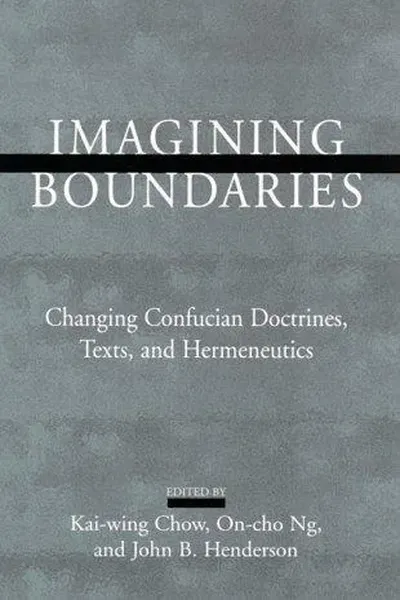
Meditation and Kabbalah
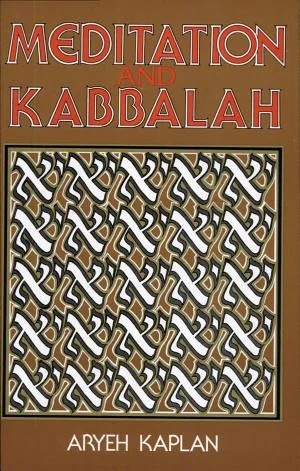
 78
78

Meditation and Kabbalah
Aryeh Kaplan's *Meditation and Kabbalah* is a rigorous exploration that attempts to bridge the perceived divide between Western and Eastern contemplative practices. Its strength lies in the author's deep familiarity with Jewish mystical texts, particularly the Zohar, which he uses to unearth proto-meditative elements within Kabbalah. The discussion on *kavanah* as the intentional core of these practices is particularly illuminating. However, the book occasionally strains to establish direct, causal links between Kabbalistic techniques and Eastern meditation, a hypothesis it posits rather than definitively proves. While the comparison between Hebrew letters and mantras is intriguing, the textual evidence for direct derivation, as suggested by the Zohar, remains speculative. The work's value is undeniable for those seeking a scholarly yet accessible guide to Kabbalistic meditation, even if its comparative claims invite further critical inquiry. It offers a solid foundation for understanding Jewish mysticism’s contemplative dimensions.
📝 Description
78
Aryeh Kaplan's 1985 book connects Kabbalistic contemplation with meditative practices.
Published in 1985, Aryeh Kaplan's Meditation and Kabbalah examines Jewish mystical techniques through the framework of meditation. The book details methods like mantra use and symbolic contemplation, viewing them not as separate rituals but as integral parts of spiritual growth and connection. Kaplan's work is aimed at serious students of Kabbalah, religious scholars, and those practicing contemplative traditions who wish to understand Western esoteric history. It appeals to readers interested in the psychological and spiritual aspects of religious experience, especially within Judaism, and those investigating historical links between Eastern and Western meditation.
Kaplan's research comes at a time when both Kabbalah and meditation saw renewed interest. He references the Zohar's hints about the ancient roots of meditative techniques, possibly connecting them to prophetic traditions. The book focuses on *kavanah*, or intentionality, as the core of Kabbalistic meditation. It discusses using divine names and Hebrew letters as concentration aids, comparing them to mantras in Eastern practices. The role of visual aids, such as *merkabah* imagery, in spiritual ascent is also covered, explaining how these elements can lead to altered states of consciousness and mystical insights.
Aryeh Kaplan's work situates Kabbalah within a broader history of contemplative practices, highlighting its meditative dimensions. While scholars like Gershom Scholem were systematically studying Jewish mysticism, Kaplan engaged with the potential intersections between Kabbalistic thought and the growing Western interest in Eastern spiritual systems in the early 1980s. He draws attention to textual hints within the Zohar that suggest ancient origins for meditative techniques, potentially linking them to prophetic traditions within Judaism. This approach frames Kabbalah not just as a theological system but as a living practice of spiritual transformation.
💡 Why Read This Book?
• You will learn how specific Kabbalistic concepts like *kavanah* function as meditative anchors, offering a structured approach to Jewish mysticism distinct from general mindfulness practices, as detailed in the book's analysis of divine names. • You can explore the potential historical connections between ancient Hebrew contemplative methods and Eastern meditation techniques, a speculative but fascinating avenue of research first posited in the early 1980s. • You will gain insight into the symbolic use of Hebrew letters and divine names as focal points for altered states of consciousness, as analyzed in the chapter on Kabbalistic devices.
⭐ Reader Reviews
Honest opinions from readers who have explored this book.
❓ Frequently Asked Questions
What is the primary focus of Aryeh Kaplan's 'Meditation and Kabbalah'?
The book focuses on the meditative techniques within Kabbalah, exploring how practices involving mantras, mandalas, and divine names were used for spiritual development and mystical attainment within the Jewish tradition.
Does 'Meditation and Kabbalah' suggest Eastern meditation influenced Kabbalah?
Yes, Kaplan discusses the intriguing possibility, mentioned in the Zohar, that Eastern meditative methods might have derived from earlier Kabbalistic techniques, or vice versa, exploring potential historical links.
Who is Aryeh Kaplan and what is his background?
Aryeh Kaplan (1934-1995) was a prominent Orthodox rabbi, scholar, and author known for his prolific writings on Jewish mysticism, Hasidism, and comparative religion, making complex esoteric subjects accessible.
What specific Kabbalistic elements are discussed as meditative tools?
The book details the use of divine names, Hebrew letters, visualizations (like *merkabah* imagery), and the concept of *kavanah* (focused intention) as central to Kabbalistic contemplative practice.
When was 'Meditation and Kabbalah' first published?
The original publication date for 'Meditation and Kabbalah' by Aryeh Kaplan is January 1, 1985.
Is this book suitable for beginners in Kabbalah?
While accessible, the book assumes a certain level of interest and engagement with esoteric concepts. It is particularly valuable for those with some familiarity with Jewish mysticism or comparative contemplative traditions.
🔮 Key Themes & Symbolism
Kabbalistic Meditation Techniques
Kaplan meticulously details the practical application of meditation within the Kabbalistic framework. He elucidates how specific Hebrew letters, divine names, and visual symbols like mandalas are employed not merely as symbolic representations but as active tools for focusing the mind and facilitating spiritual ascent. The emphasis is on *kavanah*, the precise intention and concentration required to engage with these elements effectively, aiming for a direct experience of the divine.
East-West Contemplative Parallels
A significant thread in the book is the exploration of potential historical and functional similarities between Kabbalistic meditative practices and those found in Eastern traditions. Kaplan investigates how elements like mantras (vocalized prayers or divine names) and focused visualization might represent convergent paths toward spiritual realization, hinting at ancient cross-cultural exchanges or universal principles of consciousness.
The Role of Divine Names
The book highlights the profound significance of divine names within Kabbalah as conduits for spiritual power and connection. Kaplan explains how the recitation, contemplation, or visualization of these names serves as a primary method for achieving altered states of consciousness, enabling the practitioner to draw closer to the divine essence and understand cosmic order.
Symbolism and Consciousness
Kaplan examines how abstract Kabbalistic symbols, including geometric patterns and scriptural imagery like the *merkabah* (chariot), function as cognitive and spiritual maps. These symbols are presented as devices that help structure the practitioner's inner experience, guiding them through different levels of awareness and facilitating insights into the nature of reality and the divine.
💬 Memorable Quotes
Direct passages from the work, attributed to the author.
“Meditative methods of the East might have been derived from the mystical techniques of the prophets.”
— This statement, mentioned as a possibility in the Zohar, suggests a radical re-evaluation of religious history, proposing that the roots of widespread meditative practices could lie within ancient Hebraic mysticism, challenging conventional narratives.
“The work discusses mantras, mandalas, and other devices used in Kabbalistic meditation.”
— This highlights the practical, hands-on approach of Kaplan's book, framing Kabbalah not just as theoretical mysticism but as a system employing concrete tools and techniques for spiritual practice, akin to those found in other traditions.
“The significance of these devices is interpreted in light of contemporary meditative research.”
— Kaplan aims to validate ancient Kabbalistic practices by examining them through the lens of modern psychological and contemplative studies, seeking to demonstrate their efficacy and relevance to contemporary seekers.
“The book explores the Zohar's mention of the origins of meditative techniques.”
— This points to Kaplan's use of primary Kabbalistic texts, specifically the Zohar, to support his thesis about the ancient roots and potential cross-cultural influences of meditative practices within the Jewish mystical tradition.
💡 Key Ideas
Editorial paraphrase of the work's core concepts — not direct quotes.
Kavanah is the key to unlocking the power of Kabbalistic meditative techniques.
This paraphrase emphasizes the crucial role of focused intention (*kavanah*) in Kabbalistic practice, suggesting that the practitioner's mental state and deliberate focus are paramount for achieving desired spiritual outcomes.
🌙 Esoteric Significance
Tradition
This work firmly sits within the Kabbalistic tradition, specifically the Lurianic and earlier medieval schools, while also engaging with Hermeticism through its comparative approach. Kaplan positions Kabbalah not merely as a theological system but as a practical path of spiritual development, emphasizing techniques for achieving mystical union. He bridges traditional Jewish esoteric thought with broader esoteric and contemplative studies, making it relevant to students of Western esotericism beyond Judaism.
Symbolism
Key symbols explored include the Hebrew alphabet, seen as fundamental building blocks of creation and potent meditative objects, and divine names, which act as conduits to the divine essence. The *merkabah* (chariot) imagery from Ezekiel's vision is also discussed as a symbolic vehicle for spiritual ascent, representing the practitioner's journey through celestial realms and higher consciousness.
Modern Relevance
Kaplan's work continues to influence contemporary practitioners and scholars interested in Jewish mysticism and comparative contemplative practices. Thinkers and meditation teachers exploring embodied spirituality, the use of sacred language in altered states, and the integration of esoteric traditions find value in his detailed explanations. His comparative approach also appeals to modern movements seeking to synthesize diverse spiritual methodologies.
👥 Who Should Read This Book
• Students of Kabbalah and Jewish mysticism seeking practical, text-based guidance on contemplative techniques beyond theoretical study. • Practitioners of comparative religion and esoteric studies interested in the historical and functional parallels between Western and Eastern meditative systems. • Individuals exploring altered states of consciousness and the psychological underpinnings of religious experience through the lens of a rich, ancient tradition.
📜 Historical Context
Published in 1985, Aryeh Kaplan's *Meditation and Kabbalah* arrived during a period of burgeoning academic and popular interest in Jewish mysticism, spurred by scholars like Gershom Scholem who had revitalized the field. The era also saw a significant influx of Eastern spiritual practices into Western culture, prompting comparative studies. Kaplan's work engaged directly with this intellectual climate by positing an intriguing thesis: that Kabbalistic meditative techniques might predate or influence Eastern methods, citing passages in the Zohar. This challenged the prevailing view that meditation was primarily an Eastern import. While not a direct contemporary in the sense of engaging in debates with specific authors, Kaplan's scholarship implicitly responded to the broader discourse on mysticism and altered states of consciousness that also involved figures like Mircea Eliade and continued interest in the works of Carl Jung. The book offered a distinctively Jewish perspective on contemplative practices, aiming to integrate them into a modern understanding.
📔 Journal Prompts
The concept of *kavanah* as the driving force behind Kabbalistic meditation.
Visualizations of Hebrew letters as meditative focal points.
The Zohar's perspective on the origins of meditative techniques.
Comparing the function of mantras in Eastern traditions with Hebrew divine names.
The symbolic journey represented by *merkabah* imagery.
🗂️ Glossary
Kabbalah
A system of Jewish mysticism that explores the nature of God, creation, and the divine emanations (Sefirot) through esoteric interpretation of religious texts and symbolic practices.
Kavanah
Hebrew term for intention, concentration, or devotion, particularly crucial in Jewish prayer and meditation as the focused mental state required for spiritual efficacy.
Mantra
A sacred utterance, sound, syllable, word, or group of words believed to have psychological or spiritual power, often repeated in meditation, common in Eastern traditions.
Mandala
A geometric configuration of symbols, often circular, used in spiritual traditions, especially Hinduism and Buddhism, as a tool for meditation and representing the cosmos or a deity's palace.
Zohar
The foundational text of Kabbalah, a collection of mystical commentaries on the Torah, traditionally attributed to Rabbi Shimon bar Yochai (2nd century CE) but likely compiled in 13th-century Spain.
Merkabah
Literally 'chariot,' referring to the divine throne-chariot described in Ezekiel's vision. In Kabbalah, it represents a mystical technique for spiritual ascent through celestial realms.
Divine Names
Specific appellations or combinations of Hebrew letters believed to represent aspects of God's power and essence, used in Kabbalistic meditation for invoking divine presence or energy.
This book appears in 1 collection
🔮 Readers Also Liked
Browse all →









From the “Meditation” Collection
View all →






More Free Occult Philosophy Books
View all →