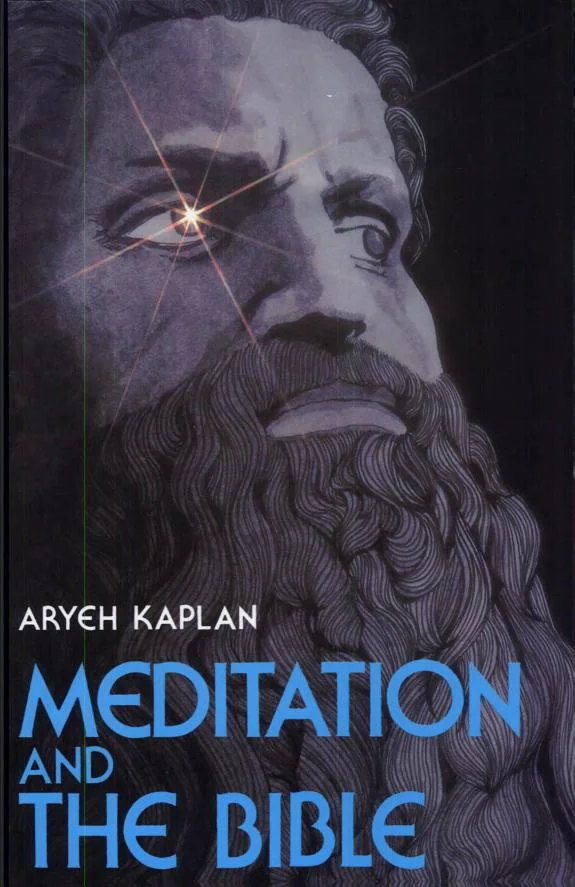
Meditation and the Bible
 72
72

Meditation and the Bible
Aryeh Kaplan’s "Meditation and the Bible" approaches its subject with an uncommon scholarly rigor, presenting a compelling case for the systematic meditative practices of biblical prophets. The strength of the work lies in its meticulous reconstruction of these techniques from obscure sources, offering a tangible methodology where previously only divine intervention was assumed. Kaplan’s interpretation of the "still small voice" experienced by Elijah, for instance, as a result of specific contemplative exercises, is particularly striking. However, the book occasionally strains to fit all biblical phenomena into its meditative framework, sometimes leading to interpretations that feel more speculative than the core arguments. A limitation is the dense academic prose, which may present a barrier to readers less familiar with biblical scholarship or Kabbalistic concepts. Despite this, the core revelation – that profound spiritual experiences described in scripture were accessible through disciplined practice – is undeniably potent. It’s a vital text for anyone seeking the experiential roots of prophetic consciousness.
📝 Description
72
Aryeh Kaplan's 1988 book argues biblical prophets used systematic meditation.
Meditation and the Bible reexamines biblical texts, proposing that ancient Hebrew prophets used systematic meditative practices to reach altered states of consciousness. Aryeh Kaplan draws on previously untranslated manuscripts to reconstruct these techniques. His work offers an interpretation that goes beyond standard historical or theological readings of scripture. The book seeks to connect the mystical traditions of Judaism with the universal practice of contemplative prayer.
This book is for students of comparative religion, Kabbalah, or esoteric psychology. It will appeal to those wanting to understand the deeper, experiential aspects of religious texts, especially the Hebrew Bible. Readers interested in the history of consciousness studies, the origins of contemplative practices across cultures, or the practical use of ancient methods for modern spiritual development will find significant content here.
Published in 1988, Kaplan's work appeared during a time of growing interest in comparative mysticism and ancient spiritual methods. It countered common academic views of biblical prophecy by suggesting it stemmed from demonstrable contemplative techniques, not solely divine revelation or political discourse. This perspective placed the book within the wider esoteric revival, which saw figures like Idries Shah making Sufi techniques more accessible and Madame Blavatsky's Theosophical ideas influencing Western esotericism.
💡 Why Read This Book?
• You will learn how ancient Hebrew prophets potentially achieved their states of consciousness, moving beyond purely theological explanations to understand practical, disciplined methods, as detailed in Kaplan's analysis of prophetic visions. • You will gain insight into the historical development of contemplative practices, specifically how techniques described in the "first English translation from ancient unpublished manuscripts" might be precursors to later meditative traditions. • You will discover how scripture can be approached as a guide for inner transformation, with Kaplan illustrating how concepts like "attuning the mind" were integral to prophetic communion, offering a unique lens for personal spiritual growth.
⭐ Reader Reviews
Honest opinions from readers who have explored this book.
❓ Frequently Asked Questions
What specific biblical figures does Aryeh Kaplan discuss in Meditation and the Bible?
Aryeh Kaplan focuses on prominent figures such as Moses, Elijah, and Isaiah, analyzing their prophetic experiences through the lens of meditative practices. He explores the biblical narratives surrounding their encounters with the divine to illustrate his theories.
What are the primary sources Aryeh Kaplan uses for his analysis?
Kaplan draws heavily on ancient unpublished manuscripts, including mystical Jewish texts and commentaries that offer esoteric interpretations of biblical passages. He also references the Hebrew Bible itself, analyzing specific verses for evidence of meditative techniques.
How does Kaplan's interpretation differ from traditional biblical scholarship?
Traditional scholarship often views prophecy as direct divine revelation. Kaplan's work posits that prophets were highly trained practitioners of specific meditative and consciousness-altering techniques, making their experiences accessible through disciplined practice rather than solely supernatural intervention.
Can the meditative techniques described in the book be practiced today?
The book aims to reconstruct and explain these ancient practices. While not a direct 'how-to' manual, it provides the theoretical framework and conceptual understanding necessary for individuals interested in exploring similar contemplative paths, adapted for modern contexts.
What is the significance of the 1988 publication date for this book?
The 1988 publication date places the book within a period of growing academic and popular interest in comparative mysticism and altered states of consciousness. It offered a novel perspective on biblical studies by integrating esoteric practices into the understanding of prophecy.
What does Kaplan mean by 'states of consciousness' in relation to prophets?
Kaplan uses 'states of consciousness' to describe the profound, altered mental and spiritual awareness achieved by prophets. He suggests these were not random mystical episodes but potentially the result of focused, internal disciplines akin to what we understand as meditation.
🔮 Key Themes & Symbolism
Prophetic Consciousness
This theme explores the idea that biblical prophets achieved their heightened spiritual awareness through deliberate, practiced techniques rather than solely through spontaneous divine intervention. Kaplan argues that figures like Moses and Elijah were masters of inner disciplines, using methods akin to deep meditation to commune with the divine. The work dissects scriptural accounts, reinterpreting descriptions of visions and divine encounters as the predictable outcomes of advanced contemplative states, thereby explaining the prophetic experience and grounding it in accessible human potential.
Biblical Contemplative Practices
Central to the book is the reconstruction of specific meditative exercises believed to have been employed by ancient Hebrew figures. These practices, derived from interpretations of esoteric commentaries and unpublished manuscripts, likely involved focused breathing, visualization, and intentional mental states. Kaplan posits that these were not merely spiritual exercises but integral tools for spiritual attainment, providing a framework for understanding how the Bible itself can be seen as containing guidance for deep inner work and communion with the sacred.
Esoteric Interpretation of Scripture
Kaplan applies an esoteric lens to the Hebrew Bible, moving beyond literal or purely theological readings to uncover hidden layers of meaning related to consciousness and spiritual development. This approach aligns with traditions that view sacred texts as repositories of mystical knowledge. The work demonstrates how ancient scriptures, when studied with an understanding of contemplative disciplines, can reveal practical methods for achieving spiritual insight and connection, thereby enriching the reader's engagement with religious texts.
The Nature of Divine Revelation
The book challenges conventional notions of divine revelation by suggesting it was often mediated through the prophet's own disciplined consciousness. Kaplan proposes that the 'voice of God' or prophetic visions were experiences attainable through specific internal states. This perspective reframes revelation not as an external imposition but as an internal realization, achieved through a prepared and attuned mind, offering a more psychological and experiential understanding of spiritual encounters described in the Bible.
💬 Memorable Quotes
Direct passages from the work, attributed to the author.
“The Prophets were not merely passive recipients of divine messages; they were active practitioners of contemplative arts.”
— This statement expresses Kaplan's core argument: that biblical prophets actively cultivated their spiritual abilities through specific techniques, akin to how modern practitioners engage in meditation or other contemplative disciplines.
“Biblical 'visions' and 'dreams' can be understood as specific stages within a controlled meditative process.”
— This highlights Kaplan's interpretive framework, suggesting that the extraordinary experiences described in scripture were not random but resulted from systematic, internal practices that led to altered states of consciousness.
“The silence experienced by Elijah was not an absence of sound, but a profound inner stillness achieved through discipline.”
— This interpretation of a specific biblical event frames it within Kaplan's meditative context, suggesting that the 'still small voice' required a deliberate cultivation of inner quietude, characteristic of deep meditative states.
💡 Key Ideas
Editorial paraphrase of the work's core concepts — not direct quotes.
Ancient texts reveal methods for attuning the mind to higher levels of perception.
This paraphrase points to the practical dimension of Kaplan's research, indicating that the source materials he studied contained instructions or descriptions of techniques designed to enhance spiritual awareness and receptivity.
Understanding prophetic experience requires looking beyond the supernatural to the cultivated human capacity for spiritual connection.
This paraphrased concept emphasizes Kaplan's thesis that spiritual attainment, even at the level of prophecy, was rooted in the disciplined application of human faculties, making these experiences more understandable and potentially replicable.
🌙 Esoteric Significance
Tradition
This work is deeply rooted in the Jewish mystical tradition, specifically Kabbalah, while engaging with universal contemplative practices. Kaplan seeks to demonstrate that the esoteric dimensions of Judaism, often perceived as separate, are intrinsically linked to the very foundations of biblical narrative and prophetic experience. He positions the meditative techniques not as an addition to, but as an integral part of, the prophetic covenant and the transmission of divine wisdom within the Abrahamic lineage.
Symbolism
Key symbols explored include the 'burning bush' as a potential metaphor for an altered state of consciousness induced by intense focus or divine presence, and the 'still small voice' experienced by Elijah, interpreted not as a literal sound but as profound inner awareness achieved through deep meditation. The concept of 'divine light' (or 'Or') within Kabbalah is also implicitly present, representing the ultimate object of contemplative focus and the source of prophetic insight.
Modern Relevance
Contemporary practitioners of mindfulness, contemplative prayer, and somatic experiencing can find resonance in Kaplan's work. Thinkers exploring the intersection of psychology and spirituality, or those investigating the historical roots of consciousness-altering techniques across cultures, draw upon his research. His reinterpretation of biblical narratives offers a valuable perspective for modern spiritual seekers looking to integrate ancient wisdom with contemporary understandings of the mind and consciousness.
👥 Who Should Read This Book
• Students of Jewish mysticism and Kabbalah seeking to understand the practical, experiential underpinnings of prophetic traditions. • Comparative religion scholars interested in the historical development of contemplative and meditative practices across different cultures and belief systems. • Individuals exploring altered states of consciousness and seeking to understand their potential roots within ancient religious frameworks, particularly the Hebrew Bible.
📜 Historical Context
Published in 1988, Aryeh Kaplan's "Meditation and the Bible" emerged within a burgeoning field of esoteric studies and a renewed interest in the experiential aspects of religion. At a time when academic biblical scholarship largely focused on historical-critical methods, Kaplan’s work offered a radical departure by integrating Kabbalistic and contemplative traditions. This approach challenged the prevailing secular or purely theological interpretations of prophecy, suggesting that figures like Moses and Elijah employed systematic techniques for consciousness alteration. His work can be seen as part of a broader Western esoteric revival, influenced by movements like Theosophy and Anthroposophy, which sought to uncover hidden spiritual knowledge in ancient texts. While figures like Carl Jung were exploring archetypes and the collective unconscious, Kaplan focused on the practical, disciplined methods within a specific religious framework. The book’s reception was likely significant among those already engaged with Jewish mysticism or comparative contemplative practices, offering a bridge between these worlds.
📔 Journal Prompts
The prophetic attainment described by Kaplan: what internal disciplines might mirror this today?
Moses' encounter at the burning bush: how does this narrative, viewed through a meditative lens, alter its meaning?
Elijah's experience of the 'still small voice': reflect on moments of profound inner knowing.
Kaplan's interpretation of divine communication: how does this contrast with your current understanding of revelation?
The concept of 'attuning the mind' as presented in the book: explore personal practices that foster mental clarity.
🗂️ Glossary
Prophetic States
Refers to the specific altered states of consciousness attributed to biblical prophets, which Kaplan argues were achieved through systematic meditative practices rather than solely spontaneous divine intervention.
Contemplative Arts
Practices aimed at achieving deep inner awareness, spiritual insight, or communion with the divine through focused attention, visualization, and mental discipline, as applied to biblical contexts by Kaplan.
Esoteric Interpretation
An approach to understanding sacred texts that seeks hidden, mystical, or symbolic meanings beyond the literal or exoteric interpretations, focusing on inner experience and spiritual knowledge.
Divine Revelation
The concept of a divine being communicating knowledge or will to humankind. Kaplan reinterprets this as often being mediated through the prophet's own cultivated consciousness and meditative abilities.
Attuning the Mind
A process described by Kaplan, involving focused mental discipline to achieve a state of receptivity and clarity, enabling deeper spiritual perception and connection with the divine.
Ancient Unpublished Manuscripts
Refers to the rare, often mystical or esoteric, texts from antiquity that Aryeh Kaplan utilized, which provided him with source material for his interpretations of prophetic meditation techniques.
Kabbalah
The traditional Jewish system of mysticism, concerned with the nature of God and the creation of the universe, which provides a rich interpretive framework for Kaplan's analysis of biblical meditation.
This book appears in 2 collections
🔮 Readers Also Liked
Browse all →







From the “Prophecy” Collection
View all →


More Free Sacred Texts & Gnosticism Books
View all →