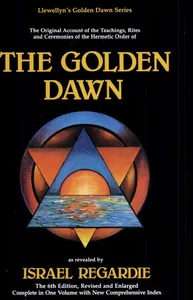
Meditation and Kabbalah

 71
71

Meditation and Kabbalah



Isolde Whitaker, Sacred Texts Editor: Aryeh Kaplan's "Meditation and Kabbalah" is an indispensable contribution to the study of Jewish mysticism. Kaplan's erudition shines as he meticulously details the esoteric meditative practices employed by ancient Kabbalists, linking them to the pursuit of prophecy and spiritual enlightenment. He skillfully bridges the gap between abstract Kabbalistic theory and tangible meditative techniques, making profound concepts accessible. This work is a treasure trove for scholars and serious practitioners alike, offering a rare glimpse into the operational heart of Kabbalistic ascent. Its clarity and depth make it a foundational text for anyone seeking to understand the contemplative dimensions of Judaism.
📝 Description
71
Aryeh Kaplan's 1985 book connects Jewish mysticism with practical meditation techniques.
Aryeh Kaplan's "Meditation and Kabbalah" examines the historical and practical dimensions of Jewish contemplative practices. The book traces the lineage of these techniques from biblical figures, suggesting their use for achieving spiritual insight and divine connection. Kaplan details the symbolic and doctrinal aspects of Kabbalah, presenting meditation as a method for experiencing the divine directly. He covers a range of Kabbalistic thought, from the teachings of Lurianic Kabbalah to Hasidic devotionalism.
This work aims to clarify the esoteric underpinnings of Judaism for those interested in deepening their spiritual practice. It explores how ancient contemplative methods can foster a more personal connection with the sacred. The text offers a detailed look at Jewish spirituality through the lens of its mystical traditions.
This book is situated within the broader field of esoteric Judaism, specifically focusing on Kabbalah, the system of Jewish mysticism. It engages with contemplative traditions that have existed within Judaism for centuries, often intertwined with mystical interpretations of scripture and divine experience. Kaplan's work connects these historical practices to the theoretical framework of Kabbalistic concepts, such as the sefirot and divine emanation. It examines how individuals sought direct experience of the divine through disciplined mental and spiritual exercises, a common thread in many esoteric traditions worldwide.
💡 Why Read This Book?
Uncover the ancient meditative secrets of Jewish mystics, explore the esoteric dimensions of Kabbalah, and learn practical techniques for spiritual growth. This book is ideal for seekers of hidden knowledge, scholars of mysticism, and practitioners of contemplative prayer seeking a deeper connection with the Divine through the rich tradition of Kabbalah.
⭐ Reader Reviews
Honest opinions from readers who have explored this book.
❓ Frequently Asked Questions
What is Kabbalah?
Kabbalah is the esoteric tradition of Jewish mysticism, aiming to understand the nature of God and the universe through mystical interpretation of scripture and contemplation.
Were patriarchs and prophets meditators?
Yes, Kabbalists universally accept that the earliest practitioners of these meditative methods were the patriarchs and prophets, using them to achieve enlightenment and prophecy.
What is the relationship between meditation and Kabbalah?
The book reveals meditation as a core practice within Kabbalah, a tool for understanding divine mysteries, achieving spiritual ascent, and experiencing direct connection with the Divine.
Is this book for beginners?
While deep, the book is accessible to serious beginners interested in the esoteric and contemplative aspects of Judaism and Kabbalah, offering foundational knowledge and practical insights.
What is Lurianic Kabbalah?
Lurianic Kabbalah, developed by Isaac Luria, is a significant system within Kabbalah that introduces concepts like Tzimtzum (Divine contraction) and Tikkun Olam (rectification of the world).
🔮 Key Themes & Symbolism
The Contemplative Path to Prophecy
This theme explores the foundational belief in Kabbalah that meditative techniques were the very means by which the ancient patriarchs and prophets accessed divine inspiration and attained prophetic visions. It explores the understanding of how focused consciousness, symbolic contemplation, and structured prayer could unlock higher states of awareness, leading to direct communion with the Divine and the reception of sacred knowledge. The book illuminates the practical application of these ancient methods, offering a glimpse into a tradition where inner stillness was the gateway to cosmic revelation.
Symbolism and Divine Emanation
Discover the profound symbolic language inherent in Kabbalistic texts and practices. This theme examines how Kabbalah employs rich imagery, numerical values (Gematria), and the structure of the Sefirot (Divine emanations) as keys to understanding the hidden architecture of reality and the nature of God. Kaplan reveals how these symbols are not mere decorative elements but are integral to the meditative process, serving as focal points for contemplation that lead the practitioner through the various levels of divine consciousness and back to their source.
Hasidic Devotion and Lurianic Synthesis
Explore the dynamic fusion of meditative practices within the context of Hasidism and the foundational Lurianic system. This theme highlights how the fervent devotional energy of Hasidism, with its emphasis on joyful prayer and intimate connection with God, intertwines with the sophisticated cosmological and theological framework of Isaac Luria. Kaplan demonstrates how these traditions utilized meditative techniques to not only understand the cosmic drama of creation and redemption but also to actively participate in the process of spiritual rectification.
💬 Memorable Quotes
Direct passages from the work, attributed to the author.
“The patriarchs and prophets used them to attain enlightenment and prophecy.”
— This statement underscores the ancient lineage and ultimate purpose of Kabbalistic meditation: direct spiritual realization and divine communication.
“The first ones to engage in these meditative methods...”
— Highlights the foundational and primordial nature of these practices within the Jewish mystical tradition.
“...were the patriarchs and prophets...”
— Connects the esoteric practices to the most revered figures in Jewish history, lending them immense authority and significance.
“...who used them to attain enlightenment...”
— Emphasizes the transformative potential of meditation for achieving profound spiritual awakening and inner wisdom.
“...and prophecy.”
— Points to the ultimate esoteric goal: receiving divine guidance and foresight through deep meditative states.
🌙 Esoteric Significance
Tradition
This work is deeply rooted in the esoteric tradition of Kabbalah, the mystical dimension of Judaism. It explores the theoretical underpinnings and practical applications of achieving higher consciousness and direct experience of the Divine through structured contemplation, visualization, and prayer, as developed and transmitted through centuries of Jewish mystical lineage.
Symbolism
Kabbalistic symbolism is central, with Kaplan elucidating the profound meanings embedded within the Tree of Life (Sefirot), Hebrew letters, and biblical narratives. These symbols are presented not as mere intellectual constructs but as living gateways, intended for meditative engagement to facilitate spiritual ascent and understanding of cosmic principles.
Modern Relevance
In an age often characterized by spiritual seeking and a desire for inner peace, "Meditation and Kabbalah" offers timeless wisdom. Its exploration of ancient contemplative techniques provides a valuable resource for modern practitioners seeking profound spiritual depth, a connection to ancient wisdom traditions, and practical tools for self-discovery and personal transformation.
👥 Who Should Read This Book
This book is a vital resource for serious seekers of spiritual truth, scholars of comparative mysticism, and practitioners of contemplative prayer. Beginners interested in the esoteric dimensions of Judaism will find a comprehensive introduction, while advanced practitioners of Kabbalah and meditation will discover deeper insights and practical applications. It is for those who yearn to explore the hidden pathways of the soul and understand the profound connection between focused consciousness and divine revelation.
📜 Historical Context
"Meditation and Kabbalah" emerges from a body of Jewish mystical thought, particularly flourishing in the medieval period and evolving through influential figures like Isaac Luria in the 16th century. This era witnessed a profound engagement with esoteric interpretations of the Torah, driven by both intellectual curiosity and spiritual yearning. The Kabbalistic movement, with its complex cosmology and mystical practices, offered a framework for understanding creation, divine providence, and the human soul's journey. The rise of Hasidism in the 18th century built upon these foundations, emphasizing ecstatic prayer and direct, personal experience of God, often through meditative techniques. Aryeh Kaplan's work draws from this deep wellspring, contextualizing these practices within a historical continuum of Jewish spiritual seeking.
📔 Journal Prompts
Reflect on a time you experienced a profound sense of connection to something larger than yourself. How did this experience relate to states of heightened awareness?
Consider a recurring symbol in your life. How might this symbol be interpreted through a Kabbalistic lens, and what meditative practice could you develop around it?
Explore the concept of divine emanation. How does the idea of God's presence flowing into creation resonate with your personal spiritual understanding?
If you were to engage in a Kabbalistic meditation, what aspect of the Tree of Life would you focus on first, and why?
How can the practice of focused intention and prayer, as described in the book, be applied to your daily life to foster spiritual growth?
🗂️ Glossary
Kabbalah
The esoteric and mystical tradition within Judaism, concerned with the nature of God, the universe, and the soul's relationship with the Divine.
Sefirot
The ten divine emanations or attributes of God, often depicted as the Tree of Life, central to Kabbalistic cosmology and meditation.
Tzimtzum
A Kabbalistic concept describing God's contraction of His infinite essence to create a space for the universe to exist.
Gematria
A Kabbalistic method of interpreting the Hebrew Bible by assigning numerical values to Hebrew letters and finding connections between words with the same numerical value.
Prophecy
In a Kabbalistic context, the attainment of divine knowledge or insight, often achieved through elevated states of consciousness and meditative practices.
This book appears in 1 collection
🔮 Readers Also Liked
Browse all →








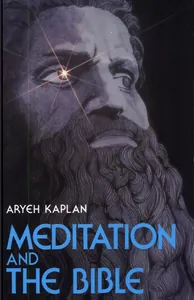
More by Aryeh Kaplan
All books →




From the “Kabbalah” Collection
View all →








More Free Kabbalah & Jewish Mysticism Books
View all →