Verse and Transmutation
 83
83

Verse and Transmutation
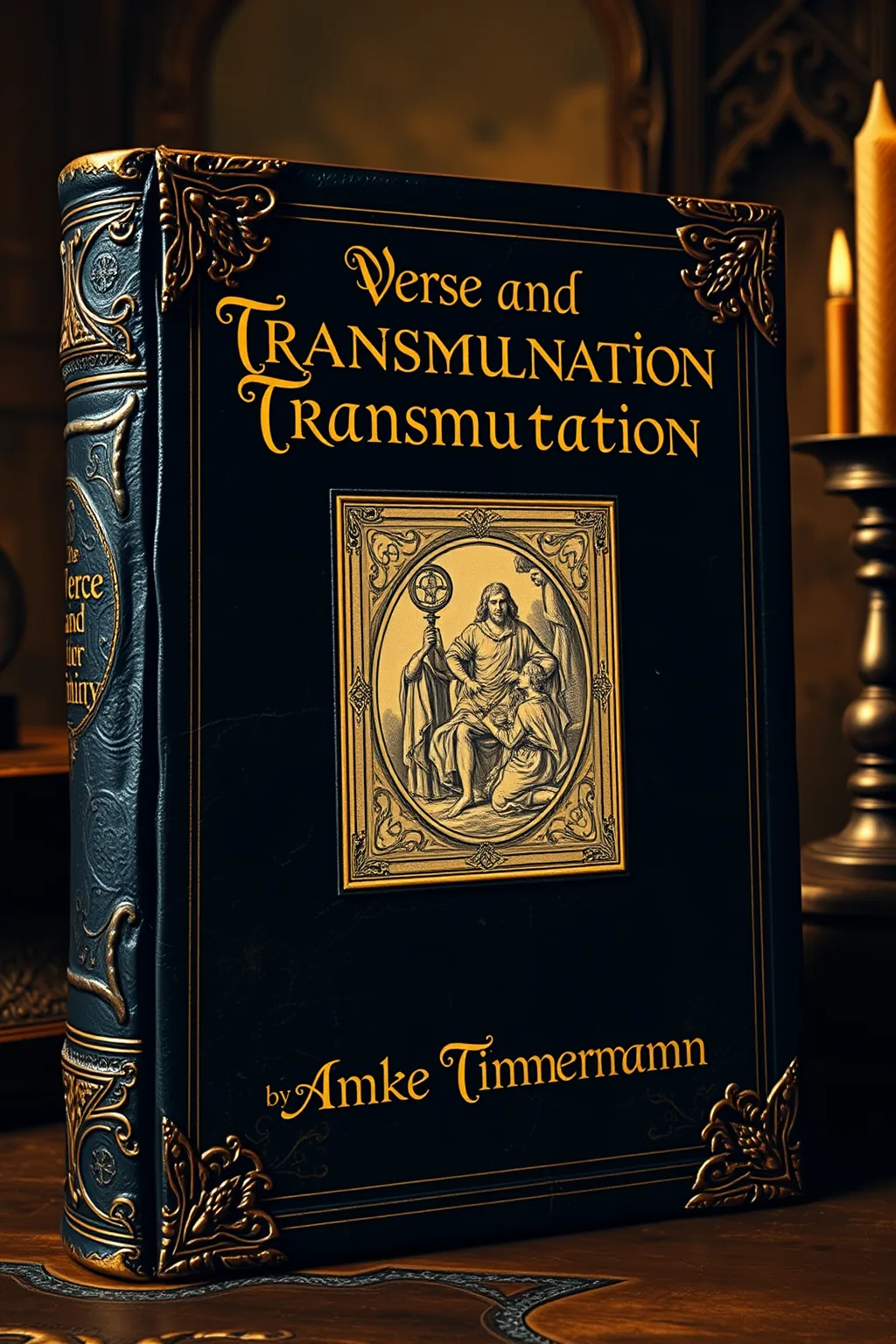
Anke Timmermann's *Verse and Transmutation* offers a much-needed scholarly excavation of a specific vein within Middle English alchemical literature. By identifying and critically editing twenty-one anonymous recipes for the philosophers' stone, Timmermann provides an invaluable resource for specialists. The book excels in its meticulous textual work and its tracing of manuscript genealogies, particularly in the early modern period, revealing how these potent verses were preserved and disseminated. However, the scholarly apparatus, while rigorous, can sometimes overshadow the inherent poetic and mystical qualities of the source material, making it a challenging read for those less accustomed to academic paleography and textual criticism. The chapter discussing the transmission of these texts through specific early modern libraries is a particular highlight, demonstrating the practical realities of alchemical knowledge sharing. This is essential reading for serious researchers of alchemical history, but less so for casual enthusiasts.
📝 Description
83
Anke Timmermann's "Verse and Transmutation" examines twenty-one Middle English alchemical poems.
This book presents critically edited versions of twenty-one anonymous Middle English alchemical poems. These medieval texts contain recipes and allegorical narratives that focus on the Great Work, the alchemical pursuit of the philosophers' stone. Timmermann places these manuscripts within their historical and literary settings. She traces their circulation through early modern libraries and their subsequent impact on occult and philosophical ideas.
The work is intended for scholars and advanced students in alchemy, medieval literature, and the history of science and magic. It will also interest those with a serious focus on primary sources within Western esotericism, especially the English alchemical tradition. Researchers looking for detailed textual analysis and historical background on Middle English alchemical writings will find this study valuable. Collectors of rare or scholarly editions of esoteric texts may also appreciate this volume.
The poems discussed circulated between the 14th and 17th centuries, a period rich with alchemical speculation. While continental Europe saw figures like Paracelsus integrate alchemy with medicine, England fostered a more literary, manuscript-based tradition. The anonymous nature of these alchemical recipes highlights the secretive methods of knowledge transfer common in the field. This study connects these texts to the scholasticism of the late Middle Ages and the humanism of the early Renaissance, both of which engaged with alchemical ideas.
💡 Why Read This Book?
• Gain direct access to twenty-one anonymous Middle English alchemical recipes for the philosophers' stone, presented in critical editions, allowing for firsthand study of primary sources. • Understand the historical trajectory of alchemical poetry by examining its transmission through early modern manuscripts and libraries, offering concrete examples of knowledge preservation. • Explore the symbolic language of medieval alchemy, with specific attention to concepts like the *prima materia* and the divine art, as depicted in a unique corpus of English verse.
⭐ Reader Reviews
Honest opinions from readers who have explored this book.
❓ Frequently Asked Questions
What is the primary focus of Anke Timmermann's 'Verse and Transmutation'?
The book focuses on identifying and critically editing twenty-one anonymous Middle English alchemical poems that offer recipes for the philosophers' stone, examining their manuscript histories and literary contexts.
What historical period does 'Verse and Transmutation' cover?
It primarily covers the circulation and manuscript tradition of Middle English alchemical poetry, extending into the early modern period (roughly 14th to 17th centuries) for manuscript transmission.
Who would benefit most from reading 'Verse and Transmutation'?
Scholars and advanced students of alchemy, medieval literature, and the history of esotericism would benefit most, particularly those interested in primary source materials.
What are the 'philosophers' stone' recipes in the book?
These are poetic texts from the Middle Ages that describe alchemical processes and allegorical paths believed to lead to the creation of the philosophers' stone, a legendary substance.
Does the book contain original translations of the poems?
Yes, the book provides critical editions of the original Middle English texts, making them accessible for scholarly analysis and interpretation by modern readers.
What is the significance of the 'early modern manuscripts' mentioned in the blurb?
These manuscripts are crucial as they demonstrate how the Middle English alchemical poems were copied, preserved, and studied centuries after their initial composition, showing their continued relevance.
🔮 Key Themes & Symbolism
The Quest for the Philosophers' Stone
This theme centers on the alchemical pursuit of the legendary philosophers' stone, a substance believed to transmute base metals into gold and grant immortality. The poems within Verse and Transmutation explore various allegorical and practical approaches to this Great Work. They look at the symbolic stages of transformation, the necessary spiritual and material preparations, and the ultimate attainment of wisdom and perfection, reflecting a core aspiration within Western esoteric traditions.
Manuscript Culture and Transmission
A significant aspect of the book is its focus on how these alchemical verses were preserved and circulated. It investigates their presence in early modern manuscripts and libraries, highlighting the methods of transmission and the communities that engaged with them. This theme underscores the practicalities of esoteric knowledge dissemination before the advent of widespread printing, emphasizing the role of scribes, collectors, and the physical artifact of the manuscript in safeguarding alchemical lore.
Allegory and Esoteric Language
The poems analyzed in Verse and Transmutation frequently employ allegorical language and coded terminology to conceal the secrets of the alchemical art. This theme examines how complex spiritual and material processes were described using metaphors drawn from nature, mythology, and religious symbolism. Understanding this esoteric language is key to deciphering the deeper meanings within the recipes and narratives, revealing a sophisticated system of symbolic communication designed for initiates.
The Divine Art and Spiritual Perfection
Beyond the literal pursuit of gold, the alchemical poetry often frames the Great Work as a spiritual discipline. The 'divine art' is presented as a path towards inner purification and union with the divine. This theme explores how the alchemical process served as a metaphor for spiritual transformation, leading to a state of enlightenment or perfection. The poems thus connect the material transformation of metals to the immaterial transformation of the soul.
💬 Memorable Quotes
Direct passages from the work, attributed to the author.
“anonymous Middle English recipes for the philosophers’ stone”
— This phrase expresses the core subject matter: practical alchemical instructions presented in poetic form, originating from an unknown author in medieval England, all aimed at achieving the ultimate alchemical goal.
“histories in early modern manuscripts, literature and libraries”
— This highlights the book's scholarly approach, focusing not just on the content of the poems but on their survival and dissemination through the physical and intellectual networks of the post-medieval era.
“the Great Work”
— Refers to the central, often arduous and multi-stage, process of alchemical transformation, culminating in the creation of the philosophers' stone and signifying profound spiritual and material change.
“corpus of twenty-one anonymous Middle English alchemical poetry”
— Specifies the exact scope of the research, detailing the number, origin, and nature of the texts studied, establishing a clear boundary for the academic inquiry presented.
“recipes for the philosophers’ stone”
— Directly points to the functional aspect of these poetic texts, indicating they contain instructions or methods, however veiled, for achieving the legendary alchemical objective.
🌙 Esoteric Significance
Tradition
This work falls squarely within the Western Hermetic tradition, specifically its alchemical branch as it developed in medieval and early modern England. It engages with the lineage of texts and practices aimed at understanding and manipulating the fundamental principles of nature, often understood as divinely ordained. The anonymous poems represent a vernacular expression of this tradition, differing from more scholarly Latinate treatises by their direct engagement with poetic form and narrative allegory, yet sharing the ultimate goal of spiritual and material perfection.
Symbolism
Key symbols explored include the *prima materia*, representing the undifferentiated primeval substance from which all creation arises and which is central to the alchemical transformation. The 'divine art' itself is a symbolic representation of the alchemist's skill and spiritual purity, aligning the human endeavor with cosmic processes. The cyclical nature of transformation, often depicted through metaphors of death and rebirth, is another crucial symbolic motif, mirroring the spiritual journey of purification and enlightenment inherent in the Great Work.
Modern Relevance
Contemporary practitioners and scholars of Hermeticism, Western esotericism, and comparative religion continue to draw on medieval and Renaissance alchemical texts for their symbolic depth and philosophical insights. The meticulous textual analysis and contextualization provided by Verse and Transmutation offer a crucial resource for understanding the evolution of alchemical thought. Modern occultists and philosophical researchers interested in the intersection of literature, magic, and spirituality can find in these poems a direct link to historical modes of esoteric expression and practice.
👥 Who Should Read This Book
• Scholars of medieval English literature and history of science: To gain access to a unique corpus of texts and understand their manuscript transmission and literary context. • Students of Western Esotericism and Alchemy: To explore primary source material on the Great Work, presented with critical editions and scholarly analysis of symbolic language. • Researchers in Comparative Religion and Manuscript Studies: To examine the role of poetry in preserving and disseminating esoteric knowledge across different historical periods and through physical manuscripts.
📜 Historical Context
Verse and Transmutation situates its corpus of Middle English alchemical poetry within a vibrant intellectual landscape, particularly from the 14th to the 17th centuries. This era witnessed a complex interplay between scholastic philosophy, emerging humanism, and the persistent traditions of practical and mystical arts, including alchemy. While figures like Paracelsus (d. 1541) were revolutionizing medical alchemy on the continent, England maintained a strong manuscript-based tradition, often anonymous and deeply embedded in literary culture. The book explores how these poems, far from being isolated curiosities, were transmitted through networks of collectors and scholars, appearing in early modern libraries. This contrasts with the more public, though often controversial, reception of alchemical theories in other European centers. The work implicitly engages with the broader intellectual currents that saw alchemy as both a literal chemistry and a profound spiritual discipline, a duality explored by contemporaries and later scholars.
📔 Journal Prompts
The concept of the *prima materia* in the context of these Middle English poems.
The significance of anonymous authorship in alchemical transmission.
How do the 'recipes' for the philosophers' stone function allegorically?
Reflect on the role of early modern libraries in preserving esoteric texts.
The connection between material transformation and spiritual perfection in the poems.
🗂️ Glossary
Philosophers' Stone
A legendary alchemical substance believed to be capable of transmuting base metals (like lead) into noble metals (like gold) and often associated with the elixir of life or spiritual immortality.
Great Work
The overarching process in alchemy, encompassing the creation of the philosophers' stone. It is often understood as both a physical procedure and a spiritual journey of transformation and purification.
Prima Materia
The fundamental, undifferentiated substance from which all matter is believed to originate in alchemical philosophy. It is the primary material required for the Great Work.
Transmutation
In alchemy, the process of changing one substance into another, most famously the transformation of base metals into gold, but also metaphorically referring to spiritual or psychological change.
Middle English
The form of the English language spoken and written in England from roughly the 12th century to the late 15th century. It is distinct from Old English and Modern English.
Manuscript
A document written by hand, as opposed to being printed. In the context of alchemy, manuscripts were crucial for preserving and transmitting secret knowledge before the widespread use of printing.
Divine Art
A term often used in alchemy to refer to the practice itself, emphasizing its sacred nature and its connection to divine principles and creation.