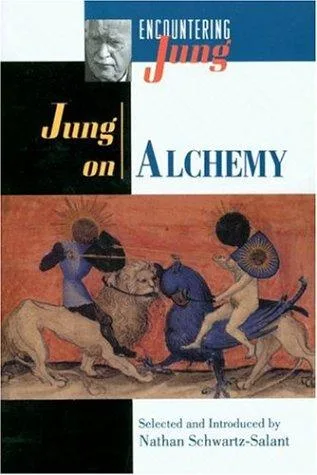
Jung on alchemy
 65
65

Jung on alchemy



Carl Gustav Jung's 'Jung on Alchemy' is a masterful synthesis of alchemical symbolism and psychological theory. Jung's insights into the transformative processes of the psyche, as mirrored in alchemical practices, are both enlightening and profound. The book's strengths lie in its ability to bridge the gap between ancient esoteric knowledge and contemporary psychological understanding. This work is particularly valuable for those interested in the deeper layers of the human experience, offering a pathway to self-discovery and spiritual growth. It is an essential read for anyone seeking to understand the esoteric roots of modern psychology.
📝 Description
65
Carl Jung began writing about alchemy in the 1930s, seeing it as a key to understanding the unconscious.
Carl Jung's writings on alchemy, collected here, demonstrate his long-held belief that the ancient practice was more than just metallurgy. Jung saw alchemical symbolism as a projection of the human psyche, a visual language for the processes of individuation. He analyzed texts like the 'Mutus Liber' and the works of alchemists such as Basil Valentine, connecting their symbolic transformations to psychological development.
This book presents Jung's engagement with alchemical imagery, showing how he interpreted the stages of the Great Work—the nigredo (blackening), albedo (whitening), and rubedo (reddening)—as metaphors for psychic integration. He believed that by studying these ancient symbols, individuals could gain a deeper understanding of their own inner transformations and the unconscious forces at play within them.
Jung's work on alchemy places it within the broader field of Western esotericism, particularly its hermetic and Gnostic currents. He sought to find psychological meaning in traditions often dismissed as primitive or superstitious. By treating alchemical texts not as literal scientific treatises but as symbolic expressions of the psyche, Jung bridged the gap between occult traditions and modern depth psychology, suggesting that ancient symbolic systems hold insights into universal human experiences.
💡 Why Read This Book?
Why read 'Jung on Alchemy'? This book is a treasure trove for seekers of hidden knowledge, scholars of alchemy, and practitioners of depth psychology. It offers a unique perspective on the individuation process, revealing how ancient alchemical practices can illuminate the path to self-realization. For those interested in the mystical and esoteric, this work provides a deep dive into the symbolism and rituals that have captivated minds for centuries.
⭐ Reader Reviews
Honest opinions from readers who have explored this book.
❓ Frequently Asked Questions
What is the main theme of 'Jung on Alchemy'?
The main theme is the psychological significance of alchemical symbolism and its relevance to the individuation process.
Who is the intended audience for this book?
The intended audience includes seekers of spiritual enlightenment, scholars of alchemy and psychology, and practitioners of depth psychology.
How does Jung relate alchemy to psychology?
Jung sees alchemical processes as metaphors for the psychological transformations that occur during individuation.
What are some key symbols discussed in the book?
Key symbols include the philosopher's stone, the union of opposites, and the process of purification and transformation.
Why is this book important for modern readers?
It bridges ancient esoteric knowledge with modern psychological theory, offering insights into the transformative power of the unconscious.
🔮 Key Themes & Symbolism
Alchemical Symbolism
Jung explores the strong symbolism of alchemy, revealing how ancient rituals and metaphors can illuminate the depths of the human psyche. The book explores the philosopher's stone, the union of opposites, and the process of purification and transformation, offering a profound understanding of the individuation journey.
Psychological Transformation
The book highlights the transformative power of the unconscious mind, as reflected in alchemical processes. Jung's insights into the psychological significance of alchemy provide a unique perspective on self-discovery and spiritual growth.
Individuation Process
Jung's exploration of the individuation process is central to the book. He shows how the stages of alchemical transformation mirror the psychological journey towards self-realization, making this work important for those seeking to understand the deeper layers of the human experience.
💬 Memorable Quotes
Direct passages from the work, attributed to the author.
“The alchemist's stone is a symbol of the self.”
— Jung sees the philosopher's stone as a representation of the integrated self, achieved through the process of individuation.
“The soul is by nature Christian and Gnostic.”
— Jung's exploration of the soul's inherent mystical and esoteric nature is a recurring theme in his work.
“The goal of alchemy is the creation of the self.”
— Jung's view of alchemy as a pathway to self-realization and spiritual enlightenment is a central theme of the book.
💡 Key Ideas
Editorial paraphrase of the work's core concepts — not direct quotes.
The union of opposites is the secret of the alchemists.
This quote underscores the alchemical principle of reconciling opposites, a key aspect of psychological transformation.
The secret of alchemy is the art of liberating oneself from the chains of the ego.
This quote highlights the transformative power of alchemy in freeing the individual from ego-driven limitations.
🌙 Esoteric Significance
Tradition
This book belongs to the Hermetic tradition, which emphasizes the transformative power of alchemy and the pursuit of hidden knowledge. Hermeticism, with its roots in ancient Egypt and Greece, seeks to uncover the secrets of the universe and the self.
Symbolism
Key symbols in the book include the philosopher's stone, the union of opposites, and the process of purification and transformation. These symbols represent the alchemical journey towards self-realization and spiritual enlightenment.
Modern Relevance
This book remains relevant today as it offers insights into the transformative power of the unconscious mind. Modern practitioners of depth psychology and spiritual seekers continue to draw on Jung's work to explore the mystical and esoteric dimensions of the human experience.
👥 Who Should Read This Book
Beginners in the field of alchemy and Hermeticism will find this book an accessible introduction to the strong symbolism and transformative power of alchemical practices. Scholars of Jungian psychology will appreciate the depth of Jung's insights into the individuation process. Spiritual seekers and practitioners of depth psychology will benefit from the book's exploration of the unconscious mind and its role in personal transformation.
📜 Historical Context
Written in the early 20th century, 'Jung on Alchemy' emerged during a time of significant intellectual and spiritual exploration. The book was important for its time as it bridged the gap between ancient esoteric knowledge and modern psychological theory. Jung's work had a profound influence on the development of depth psychology, inspiring generations of scholars and practitioners to explore the mystical and esoteric dimensions of the human psyche.
📔 Journal Prompts
How do the symbols of alchemy resonate with your personal journey of self-discovery?
What insights can you gain from Jung's exploration of the individuation process?
How does the concept of the union of opposites apply to your own life?
In what ways have you experienced the transformative power of the unconscious mind?
How can the principles of alchemy be applied to your spiritual and psychological growth?
🗂️ Glossary
Individuation
The process of integrating the conscious and unconscious aspects of the psyche to achieve self-realization.
Philosopher's Stone
A symbol in alchemy representing the achievement of spiritual enlightenment and the integration of the self.
Union of Opposites
An alchemical principle involving the reconciliation of conflicting aspects of the psyche to achieve balance and harmony.
Alchemical Transformation
The process of purification and transformation in alchemy, mirroring the psychological journey towards self-realization.
Hermetic Tradition
A mystical and esoteric tradition emphasizing the pursuit of hidden knowledge and the transformative power of alchemy.
This book appears in 3 collections
🔮 Readers Also Liked
Browse all →








More by Carl Gustav Jung
All books →

From the “Hermeticism” Collection
View all →








More Free Alchemy & Hermeticism Books
View all →