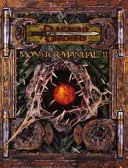
Wicca Herbal Magic
 80
80

Wicca Herbal Magic
Chamberlain’s approach in *Wicca Herbal Magic* is commendably direct, offering a clear entry point into a practice often shrouded in mystique. The strength lies in its practical, step-by-step guidance, particularly in sections detailing herb preparation for spells and correspondences. For instance, the explanation of how to create a simple protection sachet using lavender and rosemary feels grounded and achievable. However, the work occasionally feels overly simplistic, lacking the deeper theoretical exploration that might satisfy a more advanced practitioner. While it covers the 'how-to' effectively, the 'why' behind certain correspondences could benefit from more historical or energetic context beyond general Wiccan tenets. Despite this, for its intended audience, it serves as a functional and accessible primer.
📝 Description
80
Lisa Chamberlain's 2021 book, Wicca Herbal Magic, teaches readers to use plants for magical purposes.
Wicca Herbal Magic, published in 2021, introduces the connection between plant lore and witchcraft. The author breaks down the practice of using herbs for magical aims, making it accessible to those new to Wicca or seeking to enhance their work with nature. The book aims to give readers practical skills for growing their own magical herbs, focusing on the natural energies found in plants.
This guide is mainly for people starting with Wiccan herbalism. It explains difficult ideas in simple steps for beginners. Whether you are new to esoteric practices or have experience and want to add plant magic to your rituals, Chamberlain offers a clear path. The book does not require extensive prior knowledge, serving as a welcoming resource for anyone interested in earth-based spirituality. It covers how to identify and use herbs, the principles of sympathetic magic with plants, and the influence of seasons and moon cycles on harvesting.
The use of plants for healing and spiritual goals has ancient roots, seen in texts from Mesopotamia and Egypt. Wicca Herbal Magic connects these historical practices to modern Wiccan beliefs. It acknowledges the long tradition of healers and shamans recognizing plant properties across cultures. The book highlights how earth-based magic remains relevant today, grounding its contemporary Wiccan approach in this historical lineage.
💡 Why Read This Book?
• Gain practical techniques for identifying and utilizing the magical properties of common herbs, directly applicable to creating your first herbal spell components as outlined in chapters discussing plant correspondences. • Understand the foundational principles of Wiccan herbalism, including how to work with plant energies in alignment with lunar cycles, a concept introduced in the book's section on seasonal magic. • Cultivate a personal connection with the plant kingdom through guided practices, learning to approach herb gathering and use with reverence, as encouraged by Chamberlain's emphasis on earth-based spirituality.
⭐ Reader Reviews
Honest opinions from readers who have explored this book.
❓ Frequently Asked Questions
What are the basic Wiccan beliefs about herbs presented in Lisa Chamberlain's book?
The book posits that herbs possess inherent magical energies that witches can harness. These energies are believed to align with specific intentions, planetary influences, and the natural cycles of the Earth, forming the basis for herbal spellcraft and ritual work.
Is *Wicca Herbal Magic* suitable for someone completely new to Wicca?
Yes, the book is designed for beginners. It breaks down Wiccan concepts and herbal magic practices into easy-to-understand steps, assuming no prior knowledge and providing a foundational understanding.
What kind of practical applications does the book offer for herbal magic?
It covers practical applications such as creating herbal infusions, oils, sachets, and spell components for various purposes like protection, healing, and manifestation, grounded in specific plant correspondences.
When was *Wicca Herbal Magic* by Lisa Chamberlain first published?
The book was first published on July 1, 2021, making it a relatively contemporary guide to Wiccan herbal practices.
Does the book explain how to identify herbs safely for magical use?
While the book focuses on magical properties, it implicitly encourages respectful and knowledgeable interaction with plants. For absolute safety, cross-referencing with botanical identification guides is always recommended.
What is the relationship between Wicca and herbal magic according to this book?
The book presents herbal magic as a core component of Wiccan practice, emphasizing the connection between witches and the Earth's natural energies, which are believed to be concentrated within plants.
🔮 Key Themes & Symbolism
Plant Correspondences
The book elaborates on the concept of plant correspondences, assigning specific herbs to magical intentions, planetary alignments, elements, and deities. This system allows practitioners to select herbs that energetically match their desired outcome. For example, rosemary might be linked to remembrance and protection, while lavender is associated with peace and purification. Chamberlain guides readers on how to intuitively understand and utilize these connections in spellwork and ritual, emphasizing that these correspondences are not rigid dogma but flexible tools for focusing magical intent.
Earth-Based Spirituality
A central theme is the deep connection between Wicca and the natural world, particularly the plant kingdom. Chamberlain frames herbal magic as a means to honor and draw power from the Earth. This involves understanding the cycles of nature, the seasons, and the moon phases as they relate to plant growth and magical potency. The book encourages a respectful and reciprocal relationship with plants, advocating for sustainable harvesting and an appreciation for the life force inherent in all vegetation, thereby fostering a grounded, animistic worldview.
Beginner's Practical Magic
The work is structured to be highly accessible for novices. It breaks down the process of working with herbs into manageable steps, covering everything from identifying common magical plants to preparing them for ritual use. Specific techniques for creating infused oils, sachets, and charms are detailed. The emphasis is on empowering readers to start practicing immediately, building confidence through hands-on experience with fundamental herbal magic principles and simple spell construction.
Ritual and Spellcraft
Herbal magic is presented as an integral part of Wiccan ritual and spellcraft. The book explains how herbs can be incorporated into various magical workings to amplify intent and energy. This includes their use in consecrating tools, creating sacred space, personal blessings, and targeted spells. Chamberlain provides guidance on cleansing herbs, charging them with energy, and incorporating them into physical spell objects, illustrating how plant energies can be directed toward specific magical goals.
💬 Memorable Quotes
Direct passages from the work, attributed to the author.
“Herbs possess their own inherent energies that witches can learn to work with.”
— This statement expresses the core premise of the book: that plants are not merely botanical specimens but active participants in the magical world, holding distinct energetic qualities accessible to practitioners.
“Understanding the seasons and moon phases enhances herbal magic.”
— This highlights the cyclical nature of earth-based magic, suggesting that timing is crucial for gathering and utilizing herbs, aligning magical work with natural rhythms for greater efficacy.
“Beginners can start crafting their own herbal spells with common plants.”
— This conveys the book's accessibility, assuring new practitioners that they do not need rare ingredients or extensive knowledge to begin engaging in practical herbal magic.
“Witches draw power from their connection to the Earth.”
— This emphasizes the animistic and nature-focused foundation of Wicca, positioning the Earth and its bounty, like herbs, as primary sources of spiritual and magical energy.
“A personal relationship with plants deepens magical practice.”
— This suggests that effective herbal magic involves more than just following recipes; it requires developing an intuitive and respectful bond with the plant kingdom.
🌙 Esoteric Significance
Tradition
This work fits within the modern Wiccan tradition, specifically its 'green witch' or 'earth witch' orientation. It draws upon a lineage that emphasizes the immanent divinity of nature and the sacredness of the physical world. While not strictly Hermetic or Kabbalistic, it shares with these traditions an interest in correspondences and the energetic properties of natural elements, albeit filtered through a distinctly nature-centric and often polytheistic lens common in contemporary Wicca.
Symbolism
Key symbols include the Moon, representing cyclical power, intuition, and the divine feminine, often influencing herb gathering and ritual timing. The Crescent Moon motif, often seen on covers and within discussions of lunar magic, signifies growth and potential. Individual herbs themselves become potent symbols, each carrying a specific energetic signature and meaning—rosemary for remembrance, lavender for peace, basil for prosperity—acting as focal points for magical intent.
Modern Relevance
Contemporary practitioners of green witchcraft, eco-feminist spirituality, and modern folk magic frequently reference and build upon the principles outlined in works like Chamberlain's. Thinkers and practitioners focusing on bioregionalism, sustainable living infused with magic, and the re-enchantment of everyday life find resonance in this practical, accessible approach to working with plant energies.
👥 Who Should Read This Book
• Aspiring Wiccans and beginners in earth-based spirituality seeking a clear, practical introduction to incorporating herbs into their practice. • Individuals interested in folk magic and traditional herbalism who wish to understand its application within a contemporary Wiccan framework. • Experienced practitioners looking for a concise reference guide on common herbal correspondences and basic spellcraft techniques for quick ritual enhancement.
📜 Historical Context
Published in 2021, *Wicca Herbal Magic* enters a contemporary range of Neo-Paganism and witchcraft studies that has seen a resurgence of interest in earth-based spiritualities. This revival is partly a reaction to the more abstract or ritualistic forms of magic that dominated earlier phases of the occult revival, such as the ceremonial magic explored by figures like Aleister Crowley in the early 20th century. Chamberlain's work aligns with a broader movement towards practical, accessible witchcraft, often termed 'kitchen witchery' or 'green witchery'. While specific reception details for this particular title are not widely documented, the genre itself has seen significant growth since the mid-20th century, fueled by authors like Scott Cunningham, who popularized a gentle, nature-centered approach to Wicca in the 1980s and 1990s.
📔 Journal Prompts
Reflect on the energetic qualities of rosemary and its potential uses in protection spells.
Consider the symbolism of the Moon in relation to the harvesting of herbs discussed.
How might the concept of plant correspondences inform your daily interactions with nature?
Outline a simple ritual incorporating lavender for peace, inspired by the book's guidance.
Describe your personal connection to the Earth and how it might influence your practice of herbal magic.
🗂️ Glossary
Correspondences
In Wicca, this refers to the system of associating specific herbs, colors, planets, elements, or deities with particular magical intentions or energies to enhance spellwork.
Green Witchcraft
A branch of modern witchcraft focusing on the magic and spirituality derived from the natural world, particularly plants, herbs, and the cycles of the Earth.
Infusion
A liquid preparation made by steeping plant material (like herbs) in hot or cold water or oil to extract active compounds and energies for magical or medicinal use.
Sachet
A small cloth bag filled with dried herbs, flowers, or other magical ingredients, used for carrying specific energies or intentions, often worn or placed in a specific location.
Spellcraft
The practice of creating and performing magical workings, often involving intention, visualization, ritual actions, and the use of tools or ingredients like herbs.
Lunar Cycles
The phases of the Moon (new moon, waxing, full moon, waning) which are considered significant in many magical traditions for timing rituals and harnessing specific energies.
Energy
In this context, the inherent vital force or subtle power believed to exist within plants, people, and the environment, which can be directed for magical purposes.
This book appears in 1 collection
🔮 Readers Also Liked
Browse all →









From the “Spellcraft” Collection
View all →




More Free Occult Philosophy Books
View all →