Monster Manual Two
 77
77

Monster Manual Two
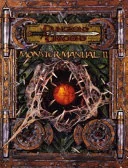
Ed Bonny, Jeff Grubb, and Rich Redman's Monster Manual Two arrives not with a whisper, but a roar of nearly 200 new entities for the discerning game master. Its stated aim—providing tougher foes for experienced players—is largely met. The inclusion of creatures like the 'Titan' and 'Elder Elemental' offers genuine escalation beyond the standard fare. However, the book's focus on high-level threats means some entries might feel less accessible for groups still building their characters. A particular strength lies in the detailed ecological notes for many creatures, offering GMs hooks for integrating them into richer narratives. The consistent quality across such a large volume is commendable, though the absence of truly groundbreaking creature concepts is a minor drawback. Ultimately, Monster Manual Two is a robust, if somewhat specialized, expansion that effectively bolsters the challenge for veteran role-players.
📝 Description
77
Monster Manual Two, published in 2002, added nearly 200 new creatures to a popular role-playing game.
Co-authored by Ed Bonny, Jeff Grubb, and Rich Redman, Monster Manual Two arrived in 2002 as a substantial addition to an established role-playing game. It introduced around 200 distinct creature entries, significantly expanding the options for game masters. The book focused on creating adversaries appropriate for characters who had advanced beyond initial levels, offering considerable challenges for experienced players and their groups.
This supplement is best suited for Dungeon Masters and players seeking more complex and challenging opponents to deepen their gameplay. It provides material for those who have moved past the threats in earlier gamebooks and want fresh, high-level encounters. Game designers and writers interested in crafting fantastical bestiaries will also find value here. The core idea is the strategic inclusion of superior foes, using not just brute strength but also unique abilities, lore, and environmental interactions that require new player strategies.
While not a traditional esoteric text, Monster Manual Two participates in a modern form of esoteric creation through game design. It details fictional entities and their supposed characteristics, requiring players to engage with a constructed cosmology. This process mirrors certain esoteric traditions that seek to understand or catalogue otherworldly beings and their influence. The book's focus on imaginative world-building and the creation of complex mythologies can be seen as a contemporary manifestation of a desire to map the unknown.
💡 Why Read This Book?
• Gain access to nearly 200 new creature entries, specifically designed to challenge experienced players and game masters who have surpassed the initial bestiary, as detailed in the 2002 publication. • Discover detailed lore and unique abilities for high-level adversaries, enabling the creation of more complex encounters that go beyond simple combat, enriching campaign narratives. • Expand your game world with monsters tailored for advanced play, offering fresh tactical challenges and narrative possibilities that seasoned players expect.
⭐ Reader Reviews
Honest opinions from readers who have explored this book.
❓ Frequently Asked Questions
When was Monster Manual Two first published?
Monster Manual Two was first published in 2002, serving as a significant expansion to the original game's creature compendium.
Who are the primary authors of Monster Manual Two?
The primary authors credited for Monster Manual Two are Ed Bonny, Jeff Grubb, and Rich Redman.
What is the main focus of the monsters in this book?
The main focus is on providing higher-level creatures designed to offer tougher challenges for experienced gamers and their characters.
How many new monsters does this supplement introduce?
This supplement introduces information on nearly 200 new monsters, significantly expanding the available bestiary for game masters.
Is Monster Manual Two suitable for beginners?
While it contains valuable information, its emphasis on higher-level creatures makes it more suitable for experienced players and game masters looking for advanced challenges.
What type of game is Monster Manual Two for?
Monster Manual Two is for the Dungeons & Dragons game, specifically acting as a supplement to its core rulebooks.
🔮 Key Themes & Symbolism
Escalation of Adversity
The central theme is the deliberate escalation of challenges presented to players. Unlike introductory bestiaries, this work focuses on creatures with enhanced statistics, potent magical abilities, and complex attack patterns. For instance, entries for beings such as the 'Titan' or 'Elder Elemental' are crafted to push player characters beyond their established limits, requiring strategic thinking and coordinated group efforts to overcome. This theme ensures that long-term campaigns remain engaging and that veteran players face novel obstacles.
Bestiary Expansion
This book functions as a significant expansion to existing game systems, specifically adding nearly 200 new monster entries. It moves beyond simple reskins of existing creatures, introducing distinct ecological niches, lore, and behavioral patterns. The goal is to provide game masters with a wider palette of potential encounters, ranging from subterranean horrors to celestial guardians. This broadens the scope of possible adventures and allows for greater world-building detail.
High-Level Play
A core design principle is catering to the advanced stages of a role-playing campaign. The creatures detailed within are intended for characters who have already achieved considerable power and experience. This means the monsters possess abilities and resilience that can challenge even seasoned adventurers, preventing gameplay from becoming stale. It addresses the need for relevant threats as player characters ascend in power, ensuring continued narrative tension and player investment.
Narrative Integration
Beyond mere combat statistics, the work emphasizes the integration of monsters into the game's narrative fabric. Each creature is often accompanied by descriptive text that suggests its origins, motivations, and place within a larger cosmology or ecosystem. This encourages game masters to use monsters not just as obstacles but as story elements, fostering richer world-building and more immersive gameplay experiences. The lore provided aids in crafting memorable encounters.
💬 Memorable Quotes
Direct passages from the work, attributed to the author.
“Nearly 200 new monsters for any D&D game.”
— This concise statement highlights the sheer volume of new content available, emphasizing its broad applicability across different campaign settings and playstyles within the game system.
“Emphasis on higher-level creatures.”
— This phrase underscores the book's specific design goal: to provide advanced challenges, catering to players who have progressed beyond the introductory stages of the game.
“Tougher foes to overcome.”
— This directly addresses the intended player experience, promising a significant increase in difficulty and strategic complexity for encounters within the game.
“Descriptions for a vast array of new creatures.”
— This points to the comprehensive nature of the entries, suggesting detailed information and lore accompany the statistical data for each monster presented.
“Indispensable supplement.”
— This positions the book as a crucial addition for dedicated players and game masters, implying it offers essential content not found elsewhere.
🌙 Esoteric Significance
Tradition
While ostensibly a supplement for a fantasy role-playing game, Monster Manual Two touches upon archetypal representations of otherworldly beings that resonate with certain esoteric traditions. The sheer variety of creatures, from elemental forces to aberrant entities, mirrors the diverse pantheons and demonic hierarchies described in various occult texts. It doesn't align with a single lineage like Hermeticism or Kabbalah but rather draws from a broad mythological and folkloric wellspring often explored in comparative occult studies.
Symbolism
The creatures within the manual can be interpreted symbolically. For instance, the 'Titan' represents primordial, overwhelming power, echoing figures from Greek mythology often referenced in esoteric lore regarding cosmic forces. Similarly, the 'Elder Elemental' embodies the raw, untamed forces of nature, a concept central to many nature-based magical practices. Aberrant creatures, with their unnatural forms, can symbolize the breakdown of order or the exploration of the subconscious and the alien.
Modern Relevance
Contemporary tabletop role-playing games continue to draw inspiration from the foundational bestiaries established in works like Monster Manual Two. Designers and GMs often reference or adapt the creature archetypes and design philosophies present here. Furthermore, the book's approach to cataloging and detailing fantastical entities informs discussions on world-building and the creation of compelling antagonists in fantasy literature and game design, extending its influence beyond its original context.
👥 Who Should Read This Book
• Experienced Dungeon Masters seeking to introduce challenging new adversaries for their high-level player characters, moving beyond standard monsters. • Players who enjoy exploring the lore and tactical implications of complex creatures, wanting to understand the threats their characters might face. • Game designers and writers interested in the construction and categorization of fantastical bestiaries within established role-playing frameworks.
📜 Historical Context
Monster Manual Two, published in 2002, emerged during a period of robust growth and diversification within the tabletop role-playing game industry. Following the immense success of its predecessor and the foundational game system it supported, this volume aimed to cater to an increasingly experienced player base. Authors like Ed Bonny and Jeff Grubb were integral to this expansion phase, contributing to a trend of detailed supplements that deepened existing game worlds. The early 2000s saw a mature market where players sought more sophisticated challenges and expanded lore. Unlike earlier eras where core rulebooks were the primary source of content, dedicated expansion manuals like this became crucial for maintaining long-term player engagement. While not directly engaging with competing schools of thought like the burgeoning indie RPG scene, it solidified the dominance of established fantasy systems by offering comprehensive content that kept players invested in familiar mechanics.
📔 Journal Prompts
The 'Titan' and its representation of overwhelming power.
Consider the 'Elder Elemental' as a symbol of untamed natural forces.
Reflect on the narrative role of creatures beyond simple combat.
Analyze the strategic challenges posed by higher-level adversaries.
Examine the ecological niches described for the vast array of new creatures.
🗂️ Glossary
Supplement
An additional book or component designed to enhance or expand an existing game system, providing new rules, content, or options.
Bestiary
A collection of monsters or creatures, typically featuring descriptions, statistics, and lore relevant to a game or fictional world.
Game Master (GM)
The individual responsible for running a role-playing game, including describing the setting, controlling non-player characters, and adjudicating rules.
Higher-level creatures
Monsters designed with increased power, abilities, and statistics intended to challenge characters who have progressed significantly in experience and capability.
Adversaries
Opponents or enemies faced by the player characters within the context of a game or story.
Campaign
A series of connected game sessions or adventures forming a larger, ongoing narrative for player characters.
Gamebooks
A category of books designed for use within role-playing games, often containing rules, lore, or adventure material.
This book appears in 1 collection
🔮 Readers Also Liked
Browse all →









From the “Telekinesis” Collection
View all →



More Free Occult Philosophy Books
View all →