The Devil Doctor
 77
77

The Devil Doctor
Sax Rohmer’s "The Devil Doctor" is a product of its time, offering a stark glimpse into the racial anxieties that permeated early 20th-century Western society. The character of Dr. Fu-Manchu, introduced here in his full, menacing glory, is undeniably a potent creation, a symbol of cunning and exotic threat that captured the public imagination. Rohmer excels at building suspense through intricate plotting and a sense of pervasive danger. However, the novel’s most significant limitation is its overt Orientalism, which, while historically contextual, makes for uncomfortable reading by modern standards. The depiction of Fu-Manchu and his methods, steeped in racist caricatures, overshadows the otherwise engaging adventure. A particularly striking element is the sheer ingenuity attributed to Fu-Manchu’s schemes, such as his elaborate assassination plots using scientific means that bordered on the fantastical for 1922. Ultimately, "The Devil Doctor" remains a significant artifact of pulp literature, notable for its iconic villain but deeply flawed in its prejudiced worldview.
📝 Description
77
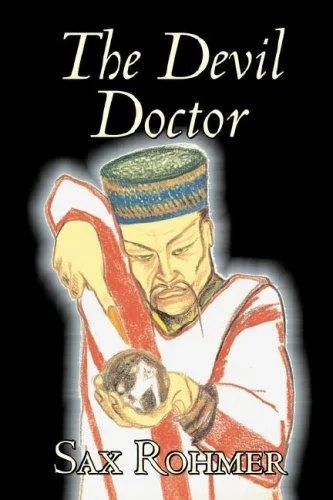
Sax Rohmer published The Devil Doctor in 1922, a novel that introduced the infamous Dr. Fu-Manchu.
The Devil Doctor tells the story of Dr. Fu-Manchu, a brilliant Chinese criminal mastermind, and his conflict with the British agent Nayland Smith. Rohmer constructed a narrative filled with international intrigue and occult elements, set against a backdrop of early 20th-century anxieties. The book became a significant example of "yellow peril" literature, a subgenre that expressed fears of Eastern cultures threatening Western dominance.
This novel appeals to readers interested in the history of popular fiction, particularly the sensationalist styles of the early 1900s. It is also relevant for those who study the development of villain archetypes and the literary expressions of colonial-era fears. The character of Fu-Manchu himself left a lasting impression on pulp culture, making this a notable entry point for understanding his influence.
While not overtly esoteric, The Devil Doctor reflects a cultural fascination with hidden powers and perceived foreign threats prevalent in the early 20th century. The novel's "occult undertones" and Fu-Manchu's mastery of "ancient poisons" tap into popular sensationalism that often intertwined with anxieties about unknown forces and secret societies. This period saw a surge in interest in spiritualism and the occult, and Rohmer's work, though a pulp adventure, mirrored this broader cultural current by presenting a sinister, almost supernatural, antagonist embodying a mysterious and dangerous "other."
💡 Why Read This Book?
• Understand the origins of the iconic Dr. Fu-Manchu character and his specific portrayal in the 1922 novel, grasping the "yellow peril" anxieties he embodies. • Explore the narrative techniques of early 20th-century pulp fiction, observing Sax Rohmer's methods of creating suspense and international intrigue. • Analyze the historical context of "yellow peril" literature, recognizing how this book reflects and perpetuated specific racial stereotypes prevalent in the 1920s.
⭐ Reader Reviews
Honest opinions from readers who have explored this book.
❓ Frequently Asked Questions
When was "The Devil Doctor" by Sax Rohmer first published?
Sax Rohmer's "The Devil Doctor" was first published in 1922, making it a key piece of early 20th-century pulp fiction.
Who is the main antagonist in "The Devil Doctor"?
The primary antagonist is the nefarious Dr. Fu-Manchu, a brilliant and sinister Chinese mastermind who serves as the nemesis to Nayland Smith.
What literary movement or genre does "The Devil Doctor" belong to?
The novel is a prominent example of "yellow peril" literature and early 20th-century pulp fiction, often featuring elements of mystery, adventure, and espionage.
What are some of the main themes explored in the book?
Key themes include the "yellow peril" trope, Orientalism, international espionage, perceived threats from Eastern cultures, and the clash between order and chaos.
Is "The Devil Doctor" based on any real-life events or figures?
While not based on specific events, the novel draws heavily on contemporary societal fears and racist stereotypes, particularly the "yellow peril" anxieties circulating in the West during the early 20th century.
What is the relationship between Dr. Fu-Manchu and Nayland Smith in the novel?
Dr. Fu-Manchu is the arch-criminal mastermind, while Nayland Smith is the determined British agent tasked with thwarting his global schemes, representing a classic cat-and-mouse dynamic.
🔮 Key Themes & Symbolism
The "Yellow Peril" Trope
The novel is a core part of "yellow peril" literature, a racist narrative trope that emerged in the late 19th and early 20th centuries. Sax Rohmer uses Dr. Fu-Manchu to personify Western fears of an encroaching, inscrutable, and inherently dangerous East. Fu-Manchu is depicted as a genius criminal, employing scientific and esoteric means to undermine Western civilization. This theme reflects the Orientalist discourse of the era, which often portrayed Asian cultures as mysterious, exotic, and a threat to Western dominance and purity.
Orientalism and Exoticism
Rohmer's work is steeped in Orientalist portrayals of China and its people. Fu-Manchu's character is imbued with a sense of alien intelligence and a mastery of both ancient secrets and modern science, a common trope used to exoticize and demonize the 'other'. The narrative plays on Western fascination with the mysterious East, using it as a backdrop for espionage and thrilling adventure. This exoticism, however, serves to reinforce stereotypes rather than offer genuine cultural insight, framing the East as a site of danger and intrigue.
Pulp Fiction Sensationalism
As an important work of pulp fiction, "The Devil Doctor" exemplifies the genre's focus on sensationalism, rapid pacing, and clear-cut heroes and villains. The novel thrives on suspense, intricate plots, and dramatic confrontations. Fu-Manchu's elaborate schemes, often involving poisons, secret societies, and advanced technology (for the time), contribute to the high-stakes, adrenaline-fueled narrative. This style made such works immensely popular, catering to a mass audience seeking escapist entertainment.
Clash of Civilizations
The core conflict in "The Devil Doctor" represents a fictionalized "clash of civilizations." Nayland Smith, the British agent, embodies Western order, reason, and imperial authority, while Dr. Fu-Manchu symbolizes a perceived Eastern threat that is cunning, ruthless, and alien. The struggle is not merely personal but framed as a battle for global dominance, reflecting contemporary imperial anxieties and the perceived fragility of Western hegemony in a rapidly changing world.
💬 Memorable Quotes
Direct passages from the work, attributed to the author.
“He is the yellow peril incarnate.”
— This statement captures the novel's central theme and the characterization of Fu-Manchu. It directly invokes the racist "yellow peril" trope, positioning the antagonist as the ultimate embodiment of Western fears regarding Asian influence and power.
“His face was a mask of inscrutable cunning.”
— This description highlights Fu-Manchu's enigmatic nature. The "mask" suggests a hidden agenda and a profound intellect that is difficult for the Western protagonists to penetrate, contributing to his mystique and menace.
“Science and ancient poisons were his weapons.”
— This highlights the dual nature of Fu-Manchu's threat. He is presented not just as a brute but as a highly intelligent adversary who combines advanced scientific knowledge with traditional, often sinister, methods.
“Nayland Smith pursued the phantom.”
— This captures the relentless pursuit by the protagonist against an elusive and shadowy antagonist. It speaks to the cat-and-mouse dynamic and the difficulty in apprehending Fu-Manchu, who often seems to disappear or evade capture.
💡 Key Ideas
Editorial paraphrase of the work's core concepts — not direct quotes.
The fiend of the Orient devised a new plot.
This paraphrased concept emphasizes the recurring nature of Fu-Manchu's villainy and his perceived origin. It underscores the narrative's focus on his continuous machinations against Western society.
🌙 Esoteric Significance
Tradition
While "The Devil Doctor" is primarily categorized as pulp adventure and "yellow peril" literature, it touches upon elements often found in esoteric narratives, particularly those concerned with hidden knowledge and ancient power. Fu-Manchu's command over obscure poisons and his vast network suggest an access to esoteric secrets or forbidden lore, echoing themes found in occult traditions that explore hidden forces and mastery over nature. The novel plays on the Western fascination with the 'mysterious East,' which often conflated diverse spiritual and mystical practices into a generalized, often sinister, occultism.
Symbolism
Dr. Fu-Manchu himself functions as a potent symbol of the 'other' and the perceived threat of the East to Western order. His name, often interpreted as embodying 'man' and 'chu' (a Chinese surname), combined with his mastery of both ancient poisons and modern science, symbolizes a terrifying fusion of the primal and the sophisticated. The recurring motif of poisons can symbolize corruption, decay, or hidden destructive forces, while his elusiveness and vast network represent unseen powers and conspiracies operating beneath the surface of society.
Modern Relevance
Though rooted in outdated and harmful stereotypes, the character of Fu-Manchu and the narrative structures in "The Devil Doctor" continue to influence discussions about representation in media and literature. Contemporary scholars and writers examine Rohmer's work to understand the historical roots of Orientalism and the construction of racialized villains. The novel serves as a case study for analyzing how fear, xenophobia, and exoticism were woven into popular entertainment, prompting critical engagement with its legacy in modern fiction and film.
👥 Who Should Read This Book
• Students of early 20th-century literature and pulp fiction who wish to understand the origins of iconic characters and genre conventions. • Researchers interested in the historical context of "yellow peril" narratives and Orientalism, examining how racialized fears were depicted in popular culture. • Fans of detective fiction and adventure stories seeking foundational works that explore themes of international intrigue and formidable antagonists.
📜 Historical Context
Published in 1922, "The Devil Doctor" emerged from the fertile ground of early 20th-century pulp fiction, a genre that thrived on sensationalism and tapped into contemporary anxieties. The novel is a prime example of "yellow peril" literature, a racist trope that gained traction in the late 19th and early 20th centuries, fueled by colonial ambitions and fears of Asian immigration and influence. Sax Rohmer’s creation, Dr. Fu-Manchu, became the iconic embodiment of this fear, a genius criminal mastermind representing an inscrutable and dangerous East threatening Western civilization. This period saw figures like H.G. Wells exploring similar themes of global threats in works like "The War of the Worlds" (1898), though Rohmer’s focus was specifically on racialized fears. The reception of Fu-Manchu was widespread, cementing his place in popular culture, despite the deeply problematic nature of his portrayal.
📔 Journal Prompts
The inscrutable mask of Dr. Fu-Manchu: What does its portrayal reveal about Western perceptions of Eastern intellect?
Nayland Smith's relentless pursuit: Reflect on the nature of obsession in facing a perceived existential threat.
The fusion of science and ancient poisons: How does this concept contribute to Fu-Manchu's menace?
Reflect on the narrative's depiction of international intrigue and the anxieties it exploits.
Consider the impact of exoticism in shaping the perception of characters and settings in "The Devil Doctor."
🗂️ Glossary
Yellow Peril
A racist and xenophobic trope that emerged in the late 19th and early 20th centuries, depicting an existential threat to Western civilization from East Asian peoples and cultures.
Orientalism
A term coined by Edward Said, referring to the way Western cultures perceive and represent the East, often through stereotypes, exoticism, and a sense of Western superiority.
Pulp Fiction
A genre of popular fiction published in cheap, mass-market magazines (pulp magazines) from the late 19th to the mid-20th century, characterized by sensationalism, adventure, and often simplistic moral dichotomies.
Dr. Fu-Manchu
The primary antagonist created by Sax Rohmer, a fictional Chinese criminal mastermind depicted as a genius, sinister, and highly dangerous figure embodying the "yellow peril" fears of his era.
Nayland Smith
The British intelligence agent and protagonist who serves as the primary adversary to Dr. Fu-Manchu, representing Western order and determination against the perceived Eastern threat.
Espionage
The practice of spying or using spies, typically by governments or organizations, to obtain political or military information. It is a central element in the cat-and-mouse game between Smith and Fu-Manchu.
Xenophobia
The dislike of or prejudice against people from other countries. This underlies the "yellow peril" narrative and the creation of characters like Fu-Manchu.
🔮 Readers Also Liked
Browse all →









More by Sax Rohmer
All books →




More Free Occult Philosophy Books
View all →