The Lost and Hostile Gospels: An Essay on the Toledoth Jeschu, and the Petrine and Pauline Gospels of the First Three Centuries of Which Fragments Remain
 70
70

The Lost and Hostile Gospels: An Essay on the Toledoth Jeschu, and the Petrine and Pauline Gospels of the First Three Centuries of Which Fragments Remain



Sabine Baring-Gould's 'The Lost and Hostile Gospels' is a profound exploration of the apocryphal texts that have been largely overlooked by mainstream Christianity. For modern esoteric seekers, this book is an invaluable resource, offering a glimpse into the diverse and often contradictory beliefs that existed during the formative years of the Christian faith. Baring-Gould's scholarly approach and detailed analysis make this work a must-read for anyone interested in the hidden histories of religion. The book's examination of the Toledoth Jeschu, in particular, provides a unique perspective on the life of Jesus that is both challenging and enlightening. The Lost and Hostile Gospels is a five-star read for those who seek to deepen their understanding of Gnosticism and the occult. It is a testament to the enduring power of esoteric knowledge and a reminder that there is always more to discover beyond the surface of religious doctrine.
📝 Description
70
Baring-Gould examined fragments of non-canonical early Christian texts in 1874.
S. Baring-Gould’s 1874 work, 'The Lost and Hostile Gospels,' considers surviving fragments of early Christian writings outside the established canon. He specifically analyzes the Toledoth Jeschu, a Jewish account of Jesus’s life, alongside remnants attributed to Peter and Paul from the first three centuries. The book aims to reconstruct and interpret these often overlooked or suppressed texts.
Baring-Gould approaches these materials with a critical eye, seeking to understand their historical context and theological implications. He questions how these gospels might have influenced or contrasted with the development of the New Testament. The study is not a simple cataloging but an attempt to discern the spiritual and symbolic meanings embedded within these ancient fragments. It invites a re-evaluation of the early Christian intellectual environment.
This book fits within a tradition of scholars and mystics who seek knowledge beyond established religious orthodoxy. Baring-Gould's work engages with texts that were marginalized or deemed heretical by mainstream Christianity. It reflects an interest in uncovering alternative spiritual narratives and hidden meanings within religious history, characteristic of esoteric studies that often look to ancient mysteries and suppressed traditions for deeper understanding. The focus on fragmented and 'lost' texts aligns with a desire to reconstruct a more complete, albeit unconventional, picture of early religious thought.
✍️ Author
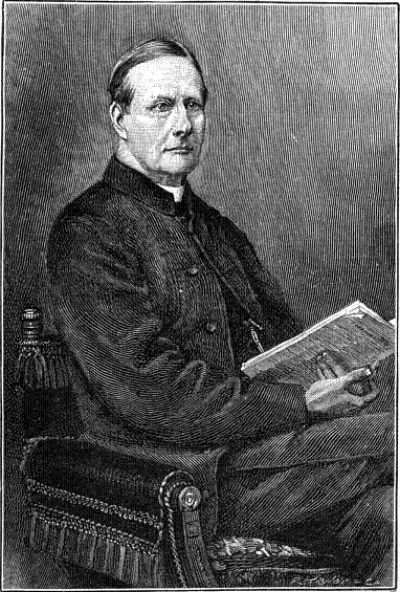
Baring-Gould, S. (Sabine)
Sabine Baring-Gould (; 28 January 1834 – 2 January 1924) of Lew Trenchard in Devon, England, was an Anglican priest, hagiographer, antiquarian, novelist, folk song collector and eclectic scholar. He is remembered particularly as a writer of hymns, the best-…
💡 Why Read This Book?
Reading 'The Lost and Hostile Gospels' today offers readers a unique opportunity to explore the hidden and often suppressed narratives of early Christianity. This book provides a deeper understanding of the diverse beliefs and practices that existed during the formative years of the Christian faith. For modern esoteric seekers, it is a valuable resource that challenges conventional wisdom and opens the door to new spiritual insights. By delving into the apocryphal Gospels, readers can gain a richer, more complex understanding of the occult and Gnosticism, and discover the enduring power of esoteric knowledge.
⭐ Reader Reviews
Honest opinions from readers who have explored this book.
❓ Frequently Asked Questions
What are the Toledoth Jeschu?
The Toledoth Jeschu is an apocryphal text that provides a hostile and alternative account of the life of Jesus. It challenges the canonical narratives and offers a different perspective on early Christian beliefs.
Who should read this book?
This book is ideal for scholars, historians, and spiritual seekers interested in esoteric literature, Gnosticism, and the hidden histories of religion.
What is the historical context of this book?
Published in 1834, 'The Lost and Hostile Gospels' examines apocryphal texts that were suppressed or lost during the first three centuries of Christianity, providing a deeper understanding of early Christian beliefs and practices.
🔮 Key Themes & Symbolism
Hidden Narratives
The book looks at the Toledoth Jeschu and other apocryphal Gospels, revealing hidden narratives that challenge the canonical stories of Jesus. These alternative accounts offer a deeper understanding of the mystical and esoteric undercurrents that shaped early Christianity.
Esoteric Symbolism
Baring-Gould explores the detailed symbolism found in the apocryphal Gospels, providing readers with a key to unlocking the hidden meanings and spiritual insights contained within these ancient texts. The symbolism is a gateway to a deeper, more mystical understanding of early Christian thought.
Philosophical Significance
The book examines the philosophical implications of the apocryphal Gospels, questioning the foundations of traditional religious beliefs and offering a new perspective on the esoteric significance of early Christian mysticism. This philosophical exploration is a journey into the heart of spiritual inquiry.
💡 Key Ideas
Editorial paraphrase of the work's core concepts — not direct quotes.
The true seeker of knowledge must be willing to question the accepted narratives and examine the hidden truths.
This quote underscores the importance of questioning conventional wisdom and exploring the esoteric undercurrents of religious history.
The apocryphal Gospels offer a window into the mystical world of early Christianity.
This line highlights the book's focus on the hidden narratives and symbolism found in the apocryphal Gospels, inviting readers to explore a deeper, more mystical understanding of early Christian thought.
The symbolism of the Toledoth Jeschu reveals the hidden knowledge that lies beneath the surface.
This passage emphasizes the esoteric significance of the Toledoth Jeschu and the hidden knowledge they contain, challenging readers to uncover the mystical truths within.
Early Christianity was a range of esoteric traditions and hidden narratives.
This quote underscores the book's exploration of the mystical and esoteric undercurrents that shaped early Christianity, offering readers a new perspective on religious history.
The seeker of truth must be willing to explore the shadows of religious history.
This line highlights the importance of looking at the hidden narratives and symbolism of early Christianity, challenging readers to uncover the esoteric truths that lie beneath the surface.
🌙 Esoteric Significance
Tradition
This book belongs to the esoteric tradition of Gnosticism, which emphasizes hidden knowledge and the mystical undercurrents of religious thought. It looks at the apocryphal Gospels, revealing the symbolism and hidden narratives that challenge conventional religious beliefs.
Symbolism
Key symbols in this book include the Toledoth Jeschu, which represent the alternative narratives of Jesus's life, and the Petrine and Pauline Gospels, which offer a deeper understanding of early Christian mysticism. These symbols are gateways to a more profound, esoteric exploration of religious history.
Modern Relevance
This book remains relevant today for modern practitioners of esoteric traditions and spiritual seekers who are interested in the hidden narratives and symbolism of early Christianity. It offers a unique perspective on the mystical undercurrents of religious thought, enriching the understanding of those who explore these themes.
👥 Who Should Read This Book
Beginners will find this book a fascinating introduction to the world of esoteric symbolism and hidden narratives in early Christianity. Scholars of religious history will appreciate the depth of research and the challenging perspectives offered. Spiritual seekers will find rich material for contemplation and spiritual growth. Practitioners of esoteric traditions will benefit from the book's exploration of the mystical undercurrents of religious thought.
📜 Historical Context
Written in an era of intense religious and intellectual inquiry, 'The Lost and Hostile Gospels' by S. Baring-Gould emerged as a groundbreaking exploration of the apocryphal Gospels. The early 20th century was a time of significant scholarly interest in the hidden narratives and symbolism of early Christianity, and Baring-Gould's work contributed greatly to this discourse. The book's influence can be seen in the ongoing exploration of esoteric traditions and the continued interest in the mystical undercurrents of religious history.
📔 Journal Prompts
How do the hidden narratives of the apocryphal Gospels challenge your understanding of early Christianity?
What symbols from the Toledoth Jeschu resonate with you and why?
How does the exploration of esoteric symbolism in this book enrich your spiritual journey?
What philosophical questions does this book raise about the foundations of religious beliefs?
How can the mystical undercurrents of early Christianity influence your spiritual practices today?
🗂️ Glossary
Toledoth Jeschu
A collection of Jewish anti-Christian legends that present an alternative narrative to the canonical Gospels.
Apocryphal Gospels
Non-canonical texts that offer alternative narratives and symbolism related to the life of Jesus.
Gnosticism
An esoteric tradition that emphasizes hidden knowledge and the mystical undercurrents of religious thought.
Esoteric Symbolism
The use of symbols to convey hidden meanings and spiritual insights within religious and mystical texts.
Petrine and Pauline Gospels
Early Christian texts attributed to Peter and Paul, which offer a deeper understanding of early Christian mysticism.
This book appears in 9 collections
🔮 Readers Also Liked
Browse all →



More by Baring-Gould, S. (Sabine)
All books →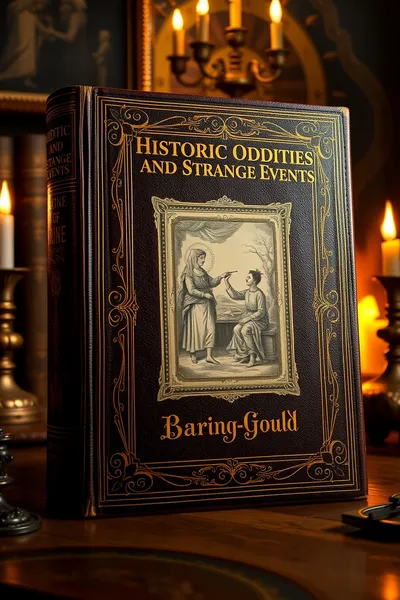
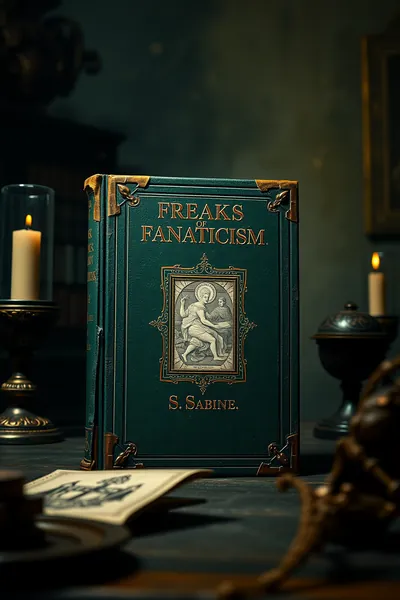
From the “Transcendental Meditation” Collection
View all →


More Free Sacred Texts & Gnosticism Books
View all →