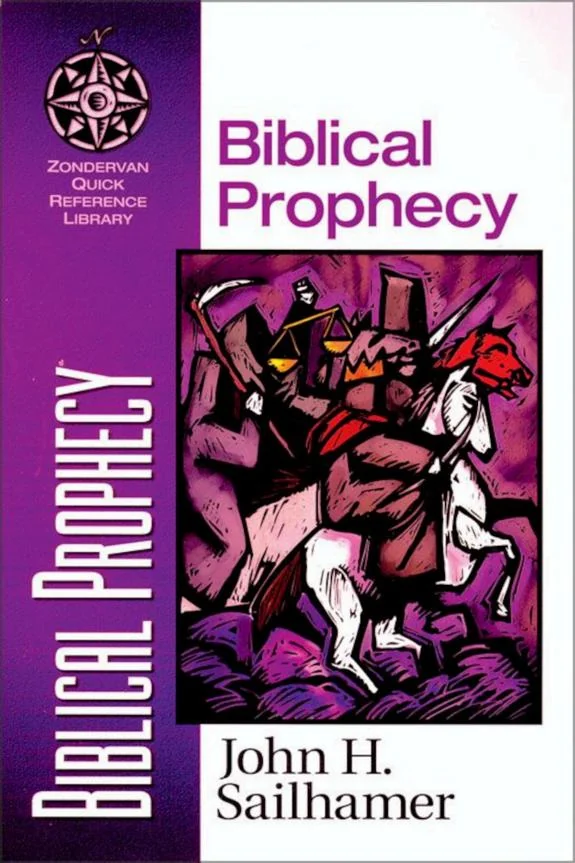
Biblical Prophecy
 79
79

Biblical Prophecy
Sailhamer’s "Biblical Prophecy" attempts to distill a sprawling theological domain into a manageable format, and for the most part, it succeeds. The strength lies in its methodical approach, particularly the early sections on hermeneutics and theological foundations, which offer a much-needed anchor for anyone bewildered by interpretive theories. Sailhamer’s treatment of prophecy in the Old Testament, especially its connection to covenantal promises, provides a solid bedrock. However, the brevity, while a practical advantage for some, occasionally feels like a constraint. The exploration of "Theological Systems and Bible Prophecy" could have benefited from more detailed engagement with differing eschatological viewpoints, rather than just a cursory overview. One particularly illuminating passage discusses the predictive nature of prophecy not merely as foretelling events, but as a divine communication reinforcing God’s plan and character. For its clarity and focus on foundational principles, the book is a useful, if introductory, resource. It serves as a competent, if not exhaustive, guide to a complex field.
📝 Description
79
John H. Sailhamer's "Biblical Prophecy" arrived in late 2010 as a guide to prophetic themes in scripture.
First published in late 2010, John H. Sailhamer's "Biblical Prophecy" serves as a concise introduction to prophetic themes within the Christian scriptures. The book divides its subject into seven sections, aiming to give readers tools for interpreting prophecy and understanding its role across the Old and New Testaments. Sailhamer addresses hermeneutics, theological underpinnings, and key prophetic messages.
This work is for anyone wanting a quick but meaningful introduction to biblical prophecy, especially those with limited study time. Theology students, lay Christians interested in eschatology, and readers curious about predictive elements in the Bible will find its direct approach helpful. It offers an accessible way to understand prophecy's function theologically and historically within the biblical narrative.
Sailhamer, a respected scholar of the Old Testament, wrote "Biblical Prophecy" from a traditional theological perspective. The book stands apart from more speculative interpretations by grounding its discussion in established hermeneutical principles. Its inclusion in the Zondervan Quick-Reference Library series indicates an intent to provide accessible knowledge to a broad audience.
While "Biblical Prophecy" addresses traditional theological interpretations, its focus on biblical prophecy places it within a broader interest in eschatological themes. Many esoteric traditions, including certain schools of Gnosticism and various mystical interpretations of scripture, engage deeply with prophetic revelation. These traditions often seek hidden meanings or divine messages within prophetic texts, viewing them not just as historical predictions but as keys to spiritual understanding or cosmic unfolding. Sailhamer's work, by providing a structured approach to interpreting these texts, offers a point of reference for those interested in the scriptural basis of such beliefs, even as it maintains a scholarly, non-speculative stance.
💡 Why Read This Book?
• Gain a structured understanding of how to interpret prophetic scripture, a skill crucial for navigating complex biblical narratives, by examining Sailhamer's "Hermeneutics of Bible Prophecy" section. • Grasp the theological underpinnings of prophecy as a divine communication tool, moving beyond simple prediction to understand its role in reinforcing God's covenant, as explored in "Biblical Theological Foundations." • Distinguish the distinct yet connected ways prophecy unfolds in the Old Testament versus the New Testament, providing a clearer chronological and thematic framework through Sailhamer's comparative analysis.
⭐ Reader Reviews
Honest opinions from readers who have explored this book.
❓ Frequently Asked Questions
What is the primary goal of John H. Sailhamer's "Biblical Prophecy"?
The book aims to provide a concise introduction to biblical prophecy, equipping readers with essential interpretive tools and a grasp of its major themes across the Old and New Testaments, as presented in its seven brief sections.
Who is the intended audience for "Biblical Prophecy"?
It's designed for busy individuals and students seeking a quick, foundational understanding of Bible prophecy, offering an alternative to extensive study, as noted in its original blurb.
What core topics are covered in the book?
The book addresses the hermeneutics of Bible prophecy, its biblical theological foundations, prophecy in both the Old and New Testaments, central themes, and theological systems related to prophecy.
When was "Biblical Prophecy" by John H. Sailhamer first published?
The book was first published on December 21, 2010, as part of the Zondervan Quick-Reference Library series.
Does the book present a specific eschatological viewpoint?
While it discusses "Theological Systems and Bible Prophecy," the primary focus is on foundational principles and interpretation rather than advocating for one specific eschatological system.
What makes this book a 'quick-reference' guide?
Its structure in seven brief sections and its aim to provide essential information efficiently make it a quick-reference tool for those with limited study time.
🔮 Key Themes & Symbolism
Prophetic Hermeneutics
Sailhamer emphasizes the crucial importance of correct interpretive methods when approaching biblical prophecy. This theme, central to the "Hermeneutics of Bible Prophecy" section, argues that understanding the original context, literary genre, and theological intent is paramount. It moves beyond surface-level readings to uncover the deeper meaning intended by the divine author and communicated through human agents. The work suggests that misinterpretation often stems from anachronistic readings or a failure to appreciate the symbolic language and cultural nuances inherent in ancient prophetic texts.
Theological Foundations
The book grounds prophecy within a robust theological framework, asserting that prophecy is not mere fortune-telling but a divine revelation integral to God's ongoing plan of salvation. The "Biblical Theological Foundations of Bible Prophecy" chapter explores how prophetic pronouncements serve to reveal God's character, His covenantal faithfulness, and His ultimate sovereignty over history. This perspective positions prophecy as a means of divine instruction and encouragement, particularly during times of trial or uncertainty for the people of God.
Old Testament vs. New Testament
A significant aspect of Sailhamer's analysis involves differentiating and connecting prophetic expressions across the biblical testaments. The sections on "Prophecy in Old Testament" and "Prophecy in New Testament" highlight how earlier prophecies find their fulfillment or further development in later scripture. This comparative approach underscores the progressive unfolding of God's redemptive purposes, demonstrating a consistent narrative thread from Genesis to Revelation, linked by prophetic anticipation and fulfillment.
Central Prophetic Messages
Sailhamer identifies recurring themes that form the core of biblical prophecy, such as judgment, restoration, the coming of a Messiah, and the establishment of God's kingdom. The "Central Themes in Bible Prophecy" section synthesizes these elements, presenting them not as isolated predictions but as interconnected components of a grand divine narrative. Understanding these core messages offers a framework for interpreting specific prophetic passages and appreciating their unified message throughout scripture.
💬 Memorable Quotes
Direct passages from the work, attributed to the author.
“Prophecy's theological foundations reveal God's plan.”
— This interpretation underscores the idea that biblical prophecy is rooted in divine purpose. It's presented not as random prediction but as a deliberate communication from God to reveal His sovereign plan for humanity and history.
“Central themes unify prophetic messages across scripture.”
— This interpretation points to recurring motifs and ideas within biblical prophecy, such as judgment, redemption, and the coming kingdom. Sailhamer likely argues that recognizing these common threads provides a cohesive understanding of the prophetic corpus.
💡 Key Ideas
Editorial paraphrase of the work's core concepts — not direct quotes.
The hermeneutics of Bible prophecy are essential for proper understanding.
This paraphrased concept highlights Sailhamer's focus on interpretive principles. It suggests that without correct methods of reading and understanding prophetic texts, one risks drawing incorrect conclusions about their meaning and application.
Prophecy in the Old Testament lays groundwork for New Testament fulfillment.
This paraphrased concept emphasizes the continuity between the two major sections of the Christian Bible concerning prophecy. It suggests that prophecies uttered in ancient Israel find their realization or continuation in the person and work of Jesus Christ and the early Church.
Understanding theological systems is key to interpreting prophecy.
This paraphrased concept indicates that the book likely explores how different theological frameworks can influence or shape one's understanding of biblical prophecy, suggesting a need for awareness of these systems.
🌙 Esoteric Significance
Tradition
While "Biblical Prophecy" by John H. Sailhamer is primarily situated within mainstream Protestant theological discourse, its focus on symbolic interpretation and divine communication can touch upon broader esoteric interests. Esotericism often seeks hidden meanings within sacred texts, and Sailhamer's emphasis on hermeneutics and theological foundations provides a structured method for uncovering layers of meaning beyond the literal. It aligns with traditions that view scripture as a multi-dimensional text holding spiritual truths accessible through diligent study and theological insight.
Symbolism
The book implicitly engages with symbolism by discussing the interpretation of prophetic texts, which frequently employ metaphors and allegorical language. While not detailing specific esoteric symbols, it addresses the *process* of deciphering them. For instance, understanding prophetic visions often involves recognizing symbolic representations of nations, divine judgment (like storms or fire), or future kingdoms (represented by statues or trees), which are central to grasping their intended message within a theological context.
Modern Relevance
Sailhamer's work remains relevant for contemporary thinkers and practitioners interested in the historical and theological development of prophetic interpretation. It informs discussions within comparative theology and hermeneutics, providing a solid reference point for understanding traditional approaches to biblical prophecy. Modern schools of thought, particularly those seeking to bridge academic biblical studies with devotional or practical theology, can draw upon its methodical approach to scripture and its emphasis on the coherence of the biblical narrative.
👥 Who Should Read This Book
• Beginning students of theology and biblical studies seeking a clear introduction to the principles of prophetic interpretation, as outlined in the "Hermeneutics of Bible Prophecy" section. • Lay Christians interested in understanding the role and meaning of prophecy within the Christian faith, who want a structured overview without getting lost in complex eschatological debates. • Comparative religion scholars examining the function of prophecy across different religious traditions, using Sailhamer's work as a case study for Abrahamic prophetic literature.
📜 Historical Context
John H. Sailhamer's "Biblical Prophecy," released in December 2010, emerged within a continuing range of biblical scholarship and popular interest in eschatology. The early 21st century saw diverse approaches to biblical interpretation, from historical-critical methods to more evangelical and dispensationalist viewpoints. Sailhamer, a noted Old Testament scholar, operated within a broadly evangelical tradition, seeking to provide a theologically grounded and exegetically responsible overview. His work can be seen as a response to both overly speculative interpretations and, perhaps, overly academic treatments that might alienate the general reader. It aimed to offer clarity and foundational understanding, contrasting with the more complex systematic theologies or niche denominational interpretations prevalent at the time. The book's publication by Zondervan, a major Christian publisher, ensured wide distribution among its target audience.
📔 Journal Prompts
The Hermeneutics of Bible Prophecy: How do specific interpretive principles shape understanding of prophetic texts?
Biblical Theological Foundations: Reflect on how prophecy serves to reveal God's character and plan.
Prophecy in the Old Testament: Identify one prophecy and trace its potential fulfillment in later scripture.
Central Themes in Bible Prophecy: How do themes like judgment and restoration appear across different prophetic passages?
Theological Systems and Bible Prophecy: Consider how different theological viewpoints might interpret the same prophetic passage.
🗂️ Glossary
Hermeneutics
The theory and methodology of interpretation, especially the interpretation of biblical texts. It concerns the principles and methods used to understand the meaning of texts.
Bible Prophecy
Foretelling of future events or divine revelation communicated through prophets, considered to be inspired by God, as recorded in the Christian scriptures.
Theological Foundations
The fundamental doctrines and beliefs that form the basis of a theological system or understanding, in this context, relating to the nature and purpose of prophecy.
Old Testament
The first major part of the Christian Bible, corresponding to the Hebrew Bible, containing historical accounts, law, and prophetic writings from before the time of Jesus.
New Testament
The second major part of the Christian Bible, containing the Gospels, the Acts of the Apostles, epistles, and Revelation, detailing the life of Jesus and the early Christian Church.
Eschatology
A branch of theology concerned with the final destiny of the soul and the end of the world; the study of end times.
Sovereignty
Supreme power or authority; in theology, the attribute of God being supreme ruler of all things.
This book appears in 1 collection
🔮 Readers Also Liked
Browse all →








From the “Biblical Prophecy” Collection
View all →









More Free Sacred Texts & Gnosticism Books
View all →