The Witches' Almanac
 71
71

The Witches' Almanac
The Witches' Almanac consistently delivers substantial content that avoids the superficiality often found in ephemeral spiritual publications. Its commitment to featuring articles on subjects as varied as Taoist immortality figures like Hsi Wang Mu and the water-consciousness research of Dr. Masaru Emoto demonstrates a commendable breadth. The updated format, with its larger size and color illustrations, enhances the reader's engagement. However, the almanac's eclectic nature, while a strength, can also be a point of contention; the thematic links between articles are not always explicit, requiring the reader to actively synthesize disparate information. The inclusion of Dr. Emoto's horoscope and research, while intriguing, feels somewhat detached from core witchcraft topics, perhaps a concession to broader esoteric appeal. Despite this, the publication remains a valuable resource for its quality contributions and thoughtful presentation. It serves as a reliable annual touchstone for those invested in the continuing evolution of witchcraft studies.
📝 Description
71
First published in 2007, The Witches' Almanac is an annual collection of essays and art for witchcraft practitioners.
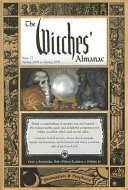
The Witches' Almanac began publication in 2007 as an annual journal dedicated to the study and practice of witchcraft and related esoteric traditions. Each volume is a curated collection of articles, artwork, and essays intended as a reference and source of inspiration for those interested in the occult and metaphysical. The publication format has seen changes over the years, with later editions growing in size and featuring durable, visually appealing covers.
This almanac is designed for individuals actively involved in or curious about contemporary witchcraft, paganism, and various occult subjects. It suits readers who appreciate a mix of scholarly research and practical application, alongside an interest in the historical and mythological roots of magical practices. Those looking for an annual overview of different viewpoints on witchcraft, from historical accounts to current research, will find value within its pages.
The Witches' Almanac emerged in the early 21st century, a time of increased interest in paganism and witchcraft. It builds on traditions established by earlier publications and movements like the mid-20th century Wiccan revival. Its consistent release since 2007 places it in a modern context where esoteric knowledge is more widely available and diverse. The almanac follows the historical role of almanacs as sources of seasonal lore, astrological information, and practical wisdom, adapting this format for a contemporary audience interested in witchcraft.
💡 Why Read This Book?
• Gain specific knowledge on figures like Hsi Wang Mu and Taoist concepts of immortality, offering a unique perspective beyond common Western magical traditions. • Understand the esoteric interpretations of scientific research, exemplified by the almanac's exploration of Dr. Emoto's work on water and consciousness. • Access a curated collection of articles and art that showcase the diverse and evolving landscape of contemporary witchcraft practices and beliefs since 2007.
⭐ Reader Reviews
Honest opinions from readers who have explored this book.
❓ Frequently Asked Questions
What kind of topics are typically covered in The Witches' Almanac?
The almanac covers a broad spectrum including mythology, comparative religion, esoteric philosophy, practical witchcraft, and the intersection of science and spirituality, featuring articles on diverse figures and concepts.
When was The Witches' Almanac first published?
The Witches' Almanac was first published in 2007, with subsequent annual editions released thereafter.
What is the physical format of The Witches' Almanac?
The publication has been updated to a 6x9 inch size, featuring 136 pages and a new color cover design that is laminated for durability, making it a keepsake.
Does The Witches' Almanac include astrological information?
Yes, the almanac typically includes astrological content, such as horoscopes, as seen with the mention of Dr. Emoto's horoscope in its offerings.
Who is the author credited for The Witches' Almanac?
The Witches' Almanac is credited to Theitic, who first published it in 2007.
What makes the art and design of The Witches' Almanac noteworthy?
The almanac is acclaimed for its quality art and design, featuring a beautifully designed new color cover that is laminated for a sturdy, keepsake finish.
🔮 Key Themes & Symbolism
Mythological Immortality
The almanac studies rich mythological narratives, such as the story of Hsi Wang Mu, the Queen Mother of the West in Taoist tradition. It explores her association with peach trees and the concept of immortality, offering a bridge between ancient Eastern spiritual concepts and contemporary esoteric interests. This theme highlights the perennial human quest for longevity and spiritual transcendence, examining how these ideas are interpreted and applied within witchcraft and Hermeticism.
Consciousness and Water
A notable aspect explored is the intersection of consciousness and the natural world, specifically through the lens of Dr. Masaru Emoto's research. The almanac references his work on water crystals, which posits that water can record and reflect human thoughts and emotions. This theme invites readers to consider the subtle energies and interconnectedness of all things, aligning with magical principles that emphasize the power of intention and focused awareness.
Annual Esoteric Compendium
As an annual publication, The Witches' Almanac functions as a contemporary iteration of traditional almanacs, which historically served as essential guides for agricultural, astrological, and seasonal practices. This modern version curates diverse articles, art, and essays from various contributors, providing a snapshot of current thought and practice within the witchcraft and pagan communities since its first publication in 2007.
Art and Design in Esotericism
Beyond its textual content, the almanac emphasizes aesthetic quality, with acclaimed art and design. The updated format includes full-color illustrations and a durable, laminated cover, suggesting that the presentation of esoteric knowledge is as important as the content itself. This focus on visual appeal and craftsmanship underscores the idea that beauty and sacredness are intertwined in magical practice and appreciation.
💬 Memorable Quotes
Direct passages from the work, attributed to the author.
“Hsi Wang Mu and peach-tree immortality”
— This phrase points to an exploration of Taoist mythology, specifically the legend of the Queen Mother of the West and her association with the peaches of immortality. It signifies an engagement with Eastern spiritual traditions and their concepts of eternal life.
“the horoscope of Dr. Emoto”
— This suggests the almanac includes astrological interpretations applied to the life or work of Dr. Masaru Emoto, known for his research on water crystals and their response to human intention.
“a look into his research”
— This indicates that the publication offers an examination of Dr. Emoto's scientific or pseudoscientific findings concerning water's ability to reflect consciousness, bridging empirical study with esoteric viewpoints.
“Enlarged to a six-by-nine-inch size”
— This highlights a physical update to the almanac's format, indicating an expansion in its dimensions for a more substantial and readable presentation of its content.
“beautifully designed new color cover is laminated”
— This emphasizes the aesthetic quality and durability of the almanac's presentation, suggesting a focus on creating a visually appealing and long-lasting object for the reader.
🌙 Esoteric Significance
Tradition
The Witches' Almanac draws broadly from Western Esotericism, incorporating elements that touch upon Hermeticism, Taoism (via Hsi Wang Mu), and contemporary magical practices. It functions as a modern almanac, a genre with historical roots in astrology and folk magic, but updates this format for a 21st-century audience interested in a wide range of spiritual and occult subjects, departing from strictly defined magical lineages by embracing eclecticism.
Symbolism
Key symbols often explored include those related to nature, cycles of time, and cosmic forces. The 'peach-tree immortality' associated with Hsi Wang Mu is a potent symbol of longevity and divine sustenance. Dr. Emoto's water crystals, while scientific in origin, are presented symbolically to represent the power of consciousness and intention to shape reality, reflecting a belief in the interconnectedness of mind, matter, and spirit.
Modern Relevance
Contemporary practitioners and scholars of witchcraft, paganism, and comparative religion find value in the almanac's curated content. Its approach appeals to those interested in the intersection of ancient wisdom traditions with modern scientific inquiry and personal spiritual development. Thinkers exploring modern animism, the philosophy of mind in magical practice, and the evolution of esoteric symbolism engage with works that, like this almanac, bridge diverse intellectual and spiritual currents.
👥 Who Should Read This Book
• Practicing Witches and Pagans: Individuals seeking diverse perspectives, new ritual ideas, and explorations of mythological figures relevant to contemporary witchcraft practice. • Students of Comparative Religion: Researchers interested in the evolution of spiritual traditions and the intersection of Eastern and Western esoteric thought. • Enthusiasts of Esoteric Philosophy: Readers curious about topics such as immortality myths, consciousness studies, and the application of ancient wisdom to modern life.
📜 Historical Context
The Witches' Almanac, first published in 2007, emerged during a period of significant expansion and diversification within the global pagan and witchcraft communities. Following the Wiccan resurgence and the New Age movement of the late 20th century, the early 21st century saw a proliferation of diverse traditions, eclecticism, and a greater emphasis on individual spiritual paths. This almanac reflects that landscape, moving beyond the more narrowly defined traditions that dominated earlier decades. While figures like Gerald Gardner and Doreen Valiente shaped mid-20th century witchcraft, publications like The Witches' Almanac showcase a broader, more international, and often more scholarly approach. It occupies a space distinct from the more ritual-focused or historical reenactment groups, offering a compendium of varied esoteric interests that gained traction in the digital age, where information from disparate cultures and disciplines became readily accessible.
📔 Journal Prompts
Reflect on the symbolism of Hsi Wang Mu's peach-tree immortality in relation to your own aspirations for spiritual growth.
Consider the implications of Dr. Emoto's research on water and consciousness for your daily practices and interactions.
Analyze how the concept of an annual almanac serves as a useful framework for tracking esoteric knowledge and personal development.
Explore the connection between aesthetic design and the perceived power or sacredness of esoteric texts.
Identify one mythological figure discussed in the almanac and consider how their story might offer guidance for contemporary challenges.
🗂️ Glossary
Hsi Wang Mu
A prominent figure in Taoist mythology, known as the Queen Mother of the West. She is associated with immortality, celestial peaches, and a divine garden, often depicted as a powerful goddess.
Peach-tree immortality
A concept derived from Taoist lore, referring to the attainment of eternal life or spiritual transcendence, often symbolized by the mythical peaches from Hsi Wang Mu's garden.
Dr. Emoto
Refers to Dr. Masaru Emoto, a Japanese author and researcher known for his controversial work on water crystals, suggesting that water can be influenced by thoughts and intentions.
Horoscope
A diagram used in astrology representing the positions of celestial bodies at a specific time, used to interpret character, predict future events, or understand cosmic influences.
Esoteric
Relating to or accessible only by a relatively small number of people with a specialized knowledge or interest; inner teachings, often mystical or occult in nature.
Laminated
Coated with a layer of plastic or other protective material, typically applied to paper or cardstock to increase durability and water resistance.
Taoism
A philosophical and religious tradition originating in China, emphasizing living in harmony with the Tao (the 'way'), often associated with concepts like wu wei (non-action) and naturalness.
This book appears in 1 collection
🔮 Readers Also Liked
Browse all →









From the “Tea Leaf Reading” Collection
View all →




More Free Occult Philosophy Books
View all →