The lost mind
 75
75

The lost mind
Christopher Pike’s "The Lost Mind" presents a narrative that often feels like a psychological thriller with a metaphysical bent. The strength of the novel lies in its ability to weave a compelling mystery around the concept of inherited memory, making abstract esoteric ideas feel grounded and personal. Pike excels at creating an atmosphere of unease, where the characters' present struggles are clearly linked to unspoken, ancient traumas. However, the pacing can be uneven, with certain plot developments feeling rushed to accommodate the overarching thematic arc. A particularly memorable passage involves a character experiencing vivid, inexplicable phobias that are later revealed to be echoes from a past life. Ultimately, "The Lost Mind" offers an engaging, albeit sometimes conventional, exploration of how the past can haunt the present.
📝 Description
75
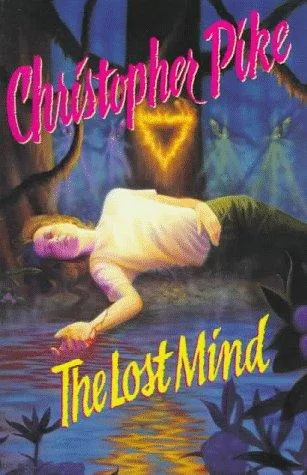
Christopher Pike's 1995 novel, The Lost Mind, examines how past lives shape present realities.
The Lost Mind, published in 1995, centers on characters who confront fragmented memories and hidden truths. Christopher Pike suggests that consciousness and identity are more complex than conscious awareness allows. The narrative operates on the premise that past lives and reincarnation are not abstract ideas but active forces influencing individual destinies.
This book appeals to readers who question linear time and fixed personal identity. It draws interest from those considering how the subconscious stores imprints from previous existences. These imprints can surface as unexplained fears, desires, or behaviors in one's current life. The novel engages with concepts of karma, soul memory, and the interconnectedness of beings.
Emerging in the mid-1990s, The Lost Mind appeared during a surge of public interest in New Age philosophies and esoteric thought. While figures like Shirley MacLaine had popularized past life concepts, Pike's novel offered a fictional narrative deeply embedded in these ideas. It arrived as the internet began to broaden access to alternative information, yet books still served as primary resources for detailed explorations of subjects like karma and soul memory.
💡 Why Read This Book?
• Understand the concept of soul memory and how it might manifest in current anxieties, drawing parallels between the narrative's exploration of past-life phobias and personal experiences. • Gain insight into the esoteric principle of reincarnation as a continuous journey of learning and karmic resolution, as depicted through the characters' unresolved past issues. • Engage with Pike's narrative technique for illustrating the influence of ancestral or past-life trauma, offering a unique fictional lens on psychological phenomena.
⭐ Reader Reviews
Honest opinions from readers who have explored this book.
❓ Frequently Asked Questions
What is the central theme of Christopher Pike's 'The Lost Mind'?
The central theme revolves around the idea that the human mind retains memories and emotional imprints from past lives, influencing present-day behaviors and consciousness. It explores how these 'lost minds' or fragmented past existences can shape identity.
When was 'The Lost Mind' by Christopher Pike first published?
Christopher Pike's novel 'The Lost Mind' was first published in 1995, positioning it within the popular wave of New Age and esoteric literature of that decade.
Does 'The Lost Mind' involve supernatural elements?
While not explicitly supernatural in a ghost-story sense, the book explores concepts like reincarnation, past-life memories, and karmic influence, which are considered esoteric or metaphysical rather than strictly supernatural.
Who is Christopher Pike and what is his writing style?
Christopher Pike is known for his young adult horror and supernatural thrillers, often featuring elements of mystery, suspense, and the paranormal. His style is typically accessible and plot-driven, designed to engage a broad audience.
What kind of reader would enjoy 'The Lost Mind'?
Readers interested in reincarnation, past-life regressions, the subconscious mind, and spiritual mysteries will likely find 'The Lost Mind' appealing, particularly those who enjoy fictional narratives exploring these themes.
Are there any specific psychological concepts explored in 'The Lost Mind'?
The book engages with concepts akin to repressed memories, inherited trauma, and the collective unconscious, framed through the lens of reincarnation and soul continuity.
🔮 Key Themes & Symbolism
Past Life Imprints
The work posits that consciousness is not confined to a single lifetime. It details how significant events, traumas, or emotional states from prior existences can leave imprints on the soul, manifesting in the present as unexplained compulsions, fears, or talents. This theme challenges the notion of a singular, linear self, suggesting a continuous stream of being that carries echoes across incarnations, influencing current personality and destiny.
The Fragmented Self
Central to 'The Lost Mind' is the exploration of identity as potentially fractured by experiences beyond a single lifespan. Characters grapple with fragmented memories and personalities that do not seem to belong to their current existence. This theme questions the boundaries of the ego and the subconscious, proposing that the 'true' self might be an accumulation of these disparate soul experiences, rather than a singular, present-moment construct.
Karmic Echoes
The narrative touches upon karmic principles, suggesting that unresolved issues from past lives create a form of psychic debt or resonance that must be addressed. These 'karmic echoes' manifest as recurring patterns or challenges in the present life, serving as opportunities for the soul to learn and evolve. The book frames these cycles not as punishment, but as integral to spiritual progression and wholeness.
Consciousness Beyond Death
Pike's work implicitly argues for a form of consciousness that survives physical death, capable of retaining memories and personality traits. This perspective challenges materialistic views of the mind, suggesting that the essence of a person is not solely tied to their biological form. The novel uses fictional scenarios to explore how this persistent consciousness might interact with or influence subsequent incarnations.
💬 Memorable Quotes
Direct passages from the work, attributed to the author.
“The mind can hold echoes from lives we don't remember.”
— This statement expresses the core premise of the book: that our current psychological landscape can be shaped by experiences and emotions carried over from previous incarnations, even if those lives are not consciously recalled.
“Sometimes, the deepest fears have roots in forgotten times.”
— This interpretation highlights how irrational or intense phobias and anxieties in the present might be explained as subconscious reactions to unresolved traumas from past existences, suggesting a deep connection between past and present emotional states.
“What we carry forward is not just memory, but feeling.”
— This conveys that the residual impact of past lives is not merely factual recall, but the potent emotional energy and unresolved feelings associated with those experiences, which continue to influence present-day emotional responses.
“The soul remembers what the body forgets.”
— This aphorism suggests a distinction between physical memory and a deeper, spiritual memory held by the soul. It implies that essential aspects of our being, including past experiences, persist beyond the limitations of a single physical existence.
💡 Key Ideas
Editorial paraphrase of the work's core concepts — not direct quotes.
Identity is not a single point, but a long, winding path.
This paraphrased concept suggests that personal identity is not fixed or limited to the current life but is an ongoing accumulation of experiences and lessons learned across multiple lifetimes, emphasizing a continuous spiritual evolution.
🌙 Esoteric Significance
Tradition
The work draws heavily from the Theosophical and New Age traditions, particularly their interpretations of reincarnation and karma. It aligns with the belief in a continuous soul journey across multiple lifetimes, aiming for spiritual evolution. While not strictly adhering to any single ancient lineage, it reflects a modern synthesis of Eastern concepts of rebirth and Western psychological exploration of the subconscious.
Symbolism
The "lost mind" itself functions as a primary symbol, representing fragmented consciousness and unintegrated past-life experiences. Characters often encounter recurring symbols or motifs—such as specific objects, places, or even animals—that act as mnemonic triggers, linking them to past incarnations and unresolved karmic issues, guiding them toward integration.
Modern Relevance
Contemporary spiritual and self-help movements that focus on ancestral healing, shadow work, and past-life exploration often echo the themes presented in "The Lost Mind." Thinkers and practitioners exploring the impact of inherited trauma and the continuity of consciousness beyond a single life find narrative frameworks like Pike's useful for illustrating complex metaphysical concepts to a wider audience.
👥 Who Should Read This Book
• Individuals intrigued by the concept of reincarnation and past-life memories seeking fictional narratives that explore these themes, looking for a story that connects past experiences to present-day psychological states. • Readers of Christopher Pike's other works interested in how he approaches themes of mystery, the subconscious, and the continuity of identity beyond the physical body. • Students of comparative religion and spirituality who wish to understand how esoteric concepts like karma and soul memory are popularly represented in narrative fiction from the 1990s.
📜 Historical Context
Christopher Pike's "The Lost Mind" emerged in 1995, a period when interest in New Age spirituality, past-life regression, and esoteric psychology was significant. The book built upon foundations laid by popularizers of reincarnation like Shirley MacLaine, whose works had already brought these concepts into mainstream conversation. Pike's approach, however, often filtered these ideas through a more direct narrative, characteristic of his young adult fiction which frequently touched on the paranormal and psychological mystery. This era saw a burgeoning counter-culture exploring alternative belief systems, often facilitated by the increasing availability of printed materials and early online forums discussing metaphysics. While not directly engaging with academic circles, Pike's work resonated with a readership actively seeking explanations beyond conventional psychology for unexplained phenomena.
📔 Journal Prompts
The traces of past lives on present anxieties.
The concept of a fragmented self across lifetimes.
Identifying recurring patterns as karmic lessons.
The soul's memory versus the body's forgetting.
The continuity of consciousness beyond physical death.
🗂️ Glossary
Past Life Imprint
A residual psychic or emotional energy from a previous incarnation that continues to affect an individual's consciousness, behavior, or emotional state in their current life.
Soul Memory
The belief that the soul retains knowledge, experiences, and emotional patterns from all its previous lives, accessible through various means such as regression or intuitive recall.
Karmic Echo
A phenomenon where unresolved actions, intentions, or emotional states from a past life create a resonant effect or recurring pattern in a subsequent life, serving as an opportunity for resolution.
Fragmented Identity
A state where a person's sense of self is perceived as broken or incomplete due to the influence of disparate experiences, often including those from past lives not yet integrated.
Consciousness Continuity
The esoteric principle that consciousness or the essential self persists beyond the death of the physical body and can continue its existence or influence across multiple lifetimes.
Reincarnation
The philosophical or religious concept that the non-physical essence of a living being starts a new life in a different physical form or body after biological death.
Ego
In this context, the conscious, personal self that is usually identified with the current life, which may be challenged or expanded by the recognition of past-life influences.
🔮 Readers Also Liked
Browse all →









More by Christopher Pike
All books →





More Free Occult Philosophy Books
View all →