The Three Temples
 62
62

The Three Temples


Sophia Crane (Associate Editor) — Rachel Elior's 'The Three Temples' stands as a monumental achievement in the study of early Jewish mysticism. Elior masterfully navigates the complex currents of Merkava and Hekhalot literature, providing an accessible yet deeply insightful analysis of these foundational esoteric texts. Her meticulous scholarship illuminates the intricate symbolism and the spiritual aspirations of ancient mystics seeking direct communion with the Divine. This book is indispensable for anyone wishing to grasp the roots of Kabbalah and the profound contemplative practices that defined early Jewish spiritual inquiry. It is a rich tapestry of ancient wisdom, essential for scholars and earnest seekers alike.
📝 Description
62
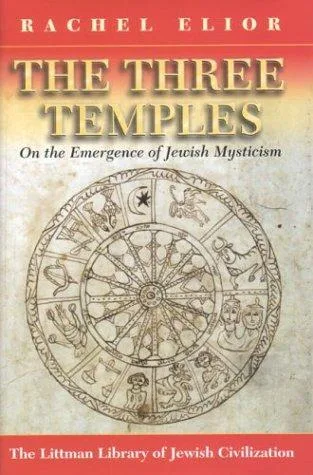
Rachel Elior's 1981 book analyzes early Jewish mystical literature and its vision of the divine ascent.
Rachel Elior's 'The Three Temples' examines the literature of Merkava and Hekhalot mysticism, focusing on the mystic's ascent to the Divine Throne. The book details the symbolic language and the challenging path through celestial palaces guarded by angels.
Elior deciphers the meaning behind these visions, revealing how they articulate a desire for direct spiritual experience and understanding the cosmos. It shows how this early Jewish mysticism laid groundwork for later Kabbalistic thought and the perennial human search for transcendence. The work allows readers to understand the awe and spiritual intensity of these ancient traditions.
This book situates itself within the study of early Jewish mysticism, specifically the Merkava and Hekhalot traditions that predate Kabbalah. These traditions are known for their detailed descriptions of visionary ascents through heavenly realms to the divine throne. Elior's work analyzes the textual evidence of these experiences, demonstrating their significance for understanding the development of Jewish mystical thought and the concept of divine encounter.
💡 Why Read This Book?
Unravel the ancient pathways to the Divine. 'The Three Temples' offers a rare gateway into the ecstatic visions of early Jewish mystics, revealing the symbolic architecture of ascent and the profound pursuit of God. Ideal for scholars of mysticism, seekers of hidden knowledge, and practitioners interested in the historical roots of contemplative traditions.
⭐ Reader Reviews
Honest opinions from readers who have explored this book.
❓ Frequently Asked Questions
What is Hekhalot literature?
Hekhalot literature refers to a body of early Jewish mystical texts describing ascents through heavenly palaces (hekhalot) to reach the Divine Throne. It focuses on visionary experiences and the knowledge required for such journeys.
What is Merkava mysticism?
Merkava mysticism, often intertwined with Hekhalot literature, centers on visions of the divine "chariot" described in Ezekiel's prophecy. It involves ecstatic journeys and the contemplation of the divine presence.
Who were the Jewish priests in this context?
In Hekhalot literature, the 'priest' can refer to ancient Temple priests, but more significantly, it symbolizes the initiated mystic or the high priest of the soul, who undertakes the sacred journey through celestial realms.
What is the 'three temples' referred to in the title?
The title likely alludes to the three symbolic levels or stages of ascent described in the literature: the earthly Temple, the heavenly Temple, and the divine presence itself, representing an escalating journey of spiritual attainment.
Is this book suitable for beginners?
While dense with scholarly detail, 'The Three Temples' is written with clarity. Beginners interested in the historical and theoretical underpinnings of Jewish mysticism will find it enlightening, though some prior exposure to religious studies may be beneficial.
🔮 Key Themes & Symbolism
The Celestial Ascent: Journey Through Divine Palaces
This theme examines the core of Hekhalot and Merkava literature – the visionary ascent through multiple heavenly palaces or 'hekhalot.' Elior meticulously reconstructs the mystical journey, detailing the challenges, the angelic guardians, and the specific rituals or prayers believed to facilitate passage. It explores the psychological and spiritual transformation experienced by the mystic as they shed earthly concerns and move closer to the Divine Presence, emphasizing the arduous yet ultimately rewarding nature of this spiritual quest and the symbolic meaning of each celestial stratum.
Symbolism of the Divine Throne and Chariot
Central to Merkava mysticism is the contemplation of God's throne and the divine chariot, as depicted in Ezekiel's visions. Elior unpacks the detailed symbolism embedded within these descriptions, revealing how ancient mystics interpreted these cosmic images as pathways to understanding the divine nature and the structure of the universe. The chariot represents not just divine power but also the dynamic manifestation of God's presence, and the throne signifies ultimate sovereignty and holiness. This theme explores how these potent symbols served as focal points for meditation and ecstatic experience.
The Role of the Mystic as Priest and Initiate
Within the esoteric framework of 'The Three Temples,' the mystic is often portrayed as a spiritual priest, undertaking a sacred mission to ascend to the divine realms. Elior examines the concept of initiation and the specialized knowledge required for this perilous journey. This includes understanding divine names, angelic hierarchies, and liturgical formulas. The mystic's role is not passive; it is an active, transformative process where the individual purifies themselves and gains access to hidden divine wisdom, akin to the ancient high priest entering the Holy of Holies.
💬 Memorable Quotes
Direct passages from the work, attributed to the author.
“Angels are guardians and guides on the path to the Divine.”
— This underscores the dual role of angelic beings in Hekhalot literature: they can pose obstacles to the unprepared but also assist the initiated mystic.
“The Divine Throne is the ultimate sanctuary of God's presence.”
— This points to the central focus of Merkava mysticism, the intensely sacred and awe-inspiring locus of divine manifestation that mystics strive to perceive.
“Knowledge of divine names unlocks the gates of heaven.”
— This emphasizes the power of sacred language and esoteric lore as keys to spiritual access and understanding within these mystical traditions.
“Each hekhal is a trial and a revelation.”
— This expresses the journey through the heavenly palaces, framing it as a series of tests that, when overcome, lead to deeper spiritual insight and proximity to God.
💡 Key Ideas
Editorial paraphrase of the work's core concepts — not direct quotes.
The ascent is not a physical journey, but a profound inner transformation.
This quote highlights the deeply spiritual and psychological nature of the mystical ascent, emphasizing that true progress lies in inner change rather than outward movement.
🌙 Esoteric Significance
Tradition
This work is deeply rooted in the esoteric tradition of early Jewish mysticism, specifically the Hekhalot and Merkava schools. These traditions represent the earliest documented forms of Jewish speculative and ecstatic mysticism, predating classical Kabbalah. They are characterized by visionary experiences of the divine chariot and ascents through celestial palaces, emphasizing the pursuit of direct communion with God and the acquisition of divine secrets through rigorous spiritual discipline and esoteric knowledge.
Symbolism
The symbolism in 'The Three Temples' is rich and complex. Key symbols include the celestial palaces (hekhalot) representing stages of spiritual purification and divine proximity, the Merkava (divine chariot) as a manifestation of God's glory and power, and the angelic beings who guard the heavenly realms and test the mystic. Divine names, liturgical formulas, and cosmographical descriptions are also crucial, serving as keys and tools for the mystic's journey, each carrying layers of hidden meaning intended to facilitate spiritual ascent.
Modern Relevance
The esoteric insights from 'The Three Temples' remain profoundly relevant today for those interested in contemplative practices, spiritual psychology, and the history of religious experience. The text offers a powerful model for inner transformation, demonstrating ancient techniques for cultivating mindfulness, overcoming internal obstacles, and seeking a deeper connection to the transcendent. Its exploration of visionary states and the symbolic language of the divine speaks to enduring human quests for meaning and spiritual fulfillment in a secularized world.
👥 Who Should Read This Book
This book is essential for scholars of Jewish history and religion, offering critical analysis of foundational mystical texts. Advanced students and practitioners of Kabbalah will find it important for understanding the roots of their tradition. Seekers of esoteric knowledge and those fascinated by ancient contemplative practices will be drawn to its rich descriptions of divine ascent. While accessible to the dedicated beginner, it rewards a serious engagement with its profound spiritual and historical insights into the human quest for the divine.
📜 Historical Context
Rachel Elior's 'The Three Temples' examines the formative period of Jewish mysticism, primarily focusing on the Hekhalot and Merkava traditions that flourished from the Talmudic era (roughly 2nd-5th centuries CE) through the early Geonic period (6th-10th centuries CE). This was a time of immense spiritual and intellectual ferment in Judaism, following the destruction of the Second Temple and the subsequent development of rabbinic Judaism. The loss of the Temple, the central locus of divine presence and priestly ritual, spurred new avenues of spiritual exploration. Mystics sought to recreate the experience of divine encounter through ecstatic visions, meditative practices, and the study of esoteric texts that described heavenly ascents. This period witnessed the codification of practices that would profoundly influence later Kabbalistic development, laying the groundwork for centuries of Jewish mystical inquiry and establishing a powerful lineage of spiritual exploration within the Jewish tradition.
📔 Journal Prompts
Imagine you are ascending through one of the celestial palaces described in Hekhalot literature. What are your sensory experiences? What challenges do you face, and how do you overcome them?
Reflect on the concept of the 'mystic as priest.' How does this role differ from and relate to the roles of priests in historical or contemporary religious contexts?
What does the symbolism of the Divine Chariot evoke in your personal spiritual journey? How might you contemplate this symbol in your daily life?
Consider the importance of divine names and liturgical formulas in accessing spiritual knowledge. How do you engage with sacred language or mantra in your own spiritual practice?
The journey to the Divine is described as arduous. What are the 'internal palaces' you must navigate and purify to achieve spiritual growth?
🗂️ Glossary
Hekhalot
Hebrew for 'palaces.' Refers to the heavenly palaces or chambers that the mystic ascends through in Hekhalot literature, representing stages of spiritual attainment and proximity to the Divine.
Merkava
Hebrew for 'chariot.' Refers to the divine chariot described in Ezekiel's prophecy, a central focus of Merkava mysticism, symbolizing God's glory, power, and presence.
Yozer
A term sometimes used for the divine creator or the one who shapes reality, often encountered in the context of mystical hymns and prayers within these traditions.
Metatron
A prominent angelic figure in Jewish mysticism, often identified as the celestial scribe or the voice of God, playing a significant role in the Hekhalot literature as a guide or intermediary.
Shi'ur Qomah
Hebrew for 'measure of the body.' Refers to mystical texts describing the immense, cosmic body of God, a concept explored in some esoteric Jewish traditions.
This book appears in 1 collection
🔮 Readers Also Liked
Browse all →







More by Rachel Elior
All books →





From the “Kabbalah” Collection
View all →
![EBOOK COLLECTION ( PART 8) [ CSI][h 33t]](/img/thumb/ebook-collection-part-8-csi-h-33t.webp)




More Free Kabbalah & Jewish Mysticism Books
View all →