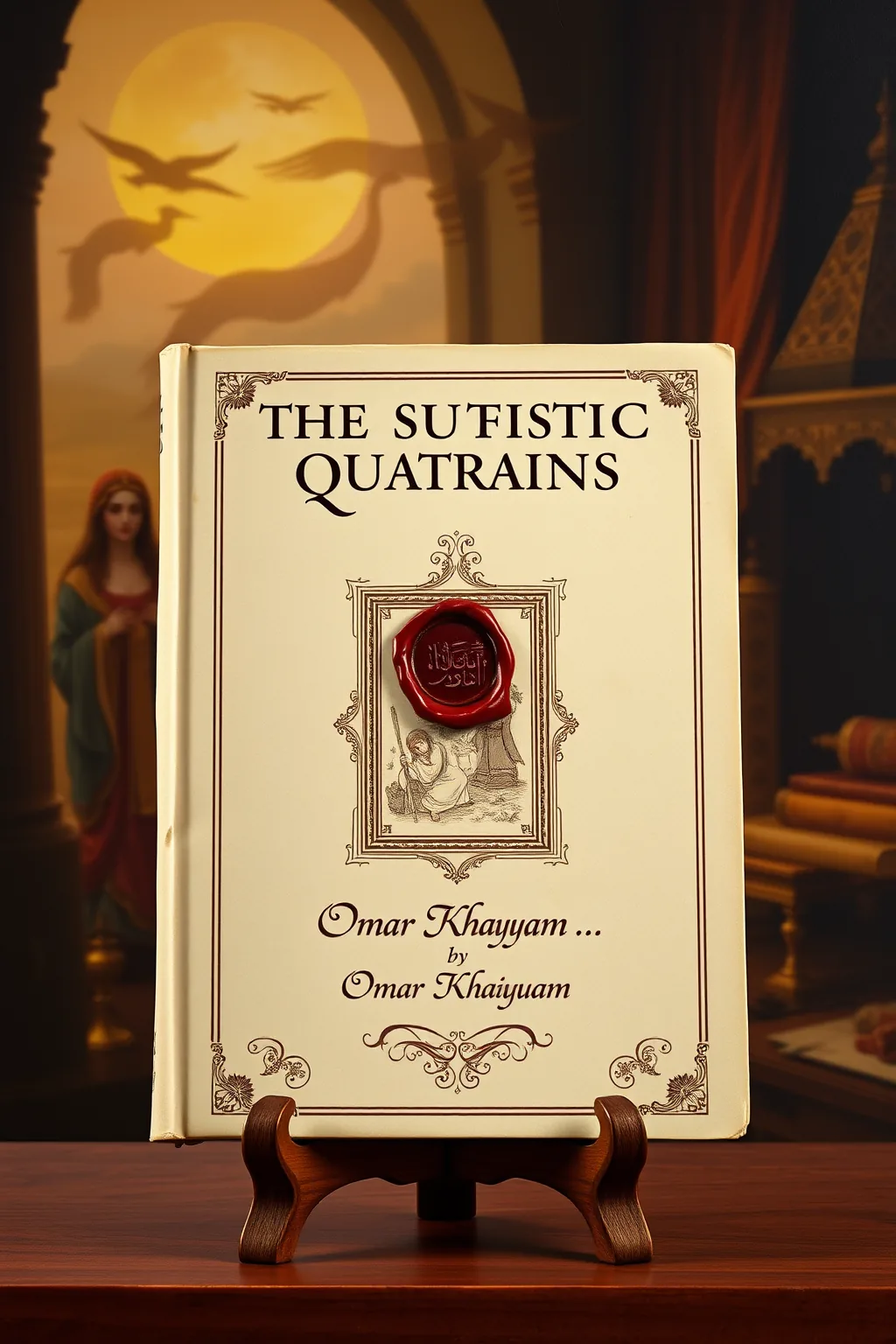
The Sufistic Quatrains of Omar Khayyam
 70
70

The Sufistic Quatrains of Omar Khayyam



The Sufistic Quatrains of Omar Khayyam stands as a testament to the enduring power of Sufi poetry. For modern esoteric seekers, this collection offers a rich tapestry of mystical contemplation and philosophical depth. Khayyam's quatrains, with their succinct yet profound verses, invite readers to ponder the mysteries of existence and the divine. The translations by Edward FitzGerald, while sometimes criticized for their liberties, capture the essence of Khayyam's original intent, making the poetry accessible to a wider audience. The themes of impermanence, the fleeting nature of pleasure, and the search for spiritual truth are as relevant today as they were in Khayyam's time. This book is a must-read for anyone interested in Sufism, mysticism, or the contemplative life. It provides a unique lens through which to view the human experience and offers timeless wisdom that can guide and inspire. Rating: 5/5.
📝 Description
70
Omar Khayyam's Rubaiyat, compiled in the 11th century, contains quatrains touching on Sufistic themes.
This collection presents the quatrains attributed to Omar Khayyam, a figure often associated with Sufism. The verses touch on themes of existence, the divine, and fleeting moments. The poetry uses rich symbolism to convey its ideas, inviting contemplation on the human condition and its place in the cosmos. It is suited for those interested in spiritual philosophy and mystical poetry.
The work, known widely as the Rubaiyat, has been interpreted through various lenses over centuries. Its enduring appeal lies in its blend of philosophical inquiry and poetic expression. Readers may find its verses resonate with personal searches for meaning and understanding of the universe's mysteries. The language aims for evocative imagery to support its contemplative nature.
Omar Khayyam's verses are often read through a Sufi lens, a mystical branch of Islam. Sufism emphasizes direct experience of God and inner spiritual development. The quatrains can be seen as reflecting Sufi ideas about the ephemeral nature of worldly existence and the longing for union with the divine. This tradition often uses poetry to express complex spiritual states and philosophical concepts, a practice evident in Khayyam's work.
✍️ Author
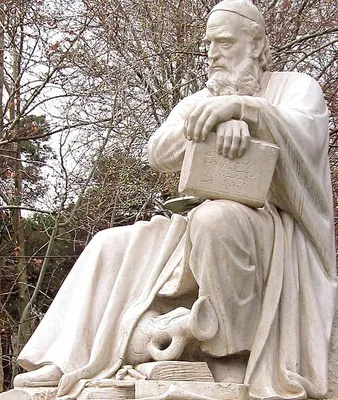
Omar Khayyam
The Rubáiyát of Omar Khayyám is an 1859 translation from Persian to English by Edward FitzGerald of a selection of quatrains (rubāʿiyāt) attributed to Omar Khayyam (1048–1131), dubbed "the Astronomer-Poet of Persia". Although commercially unsuccessful at …
💡 Why Read This Book?
Reading 'The Sufistic Quatrains of Omar Khayyam' today offers readers a profound journey into the heart of Sufi mysticism. This book provides timeless wisdom on the human condition, the quest for spiritual enlightenment, and the contemplation of life's impermanence. Whether you are seeking spiritual guidance, an appreciation for esoteric traditions, or simply a deeper understanding of poetry, this collection will enrich your perspective and inspire your soul.
⭐ Reader Reviews
Honest opinions from readers who have explored this book.
❓ Frequently Asked Questions
What is the significance of 'The Sufistic Quatrains' in Sufi literature?
The Sufistic Quatrains are significant in Sufi literature for their profound exploration of mystical themes and philosophical depth. They offer insights into the Sufi path of spiritual enlightenment and contemplation.
How does Edward FitzGerald's translation impact the understanding of Khayyam's poetry?
Edward FitzGerald's translation, while sometimes criticized for its liberties, has made Khayyam's poetry accessible to a wider audience. It captures the essence of the original verses, allowing readers to appreciate the mystical and philosophical dimensions of the work.
Who should read 'The Sufistic Quatrains of Omar Khayyam'?
This book is ideal for readers interested in Sufism, mysticism, contemplative literature, and those seeking spiritual guidance. It also appeals to poetry lovers and those curious about the esoteric traditions of the Middle East.
🔮 Key Themes & Symbolism
Transience and Impermanence
The quatrains explore the ephemeral nature of life, inviting readers to contemplate the fleeting moments that make up existence. This theme is central to Sufi mysticism, emphasizing the importance of living in the present and seeking spiritual enlightenment.
The Divine and the Human Condition
Khayyam's poetry explores the relationship between the divine and the human condition, offering insights into the nature of God and the soul. Through strong symbolism and striking prose, the quatrains provide a pathway to understanding the deeper mysteries of life.
Symbolism and Hidden Knowledge
The book is replete with symbols and hidden meanings, making it a rich source for seekers of esoteric knowledge. Each quatrain is a puzzle to be solved, revealing layers of wisdom and insight into the mystical traditions of Sufism.
💡 Key Ideas
Editorial paraphrase of the work's core concepts — not direct quotes.
The moving finger writes; and, having writ, Moves on: nor all thy Piety nor Wit Shall lure it back to cancel half a Line, Nor all thy Tears wash out a Word of it.
This quote underscores the theme of impermanence, highlighting the irrevocable nature of time and action.
The Wine of Life keeps oozing drop by drop, The Leaves of Life keep falling one by one.
This line emphasizes the transience of life, encouraging readers to savor each moment and seek spiritual enlightenment.
Into this Universe, and Why not knowing, Nor Whence, like Water willy-nilly flowing: And out of it, as Wind along the Waste, I know not Whither, willy-nilly blowing.
This passage reflects on the mysteries of existence, inviting contemplation on the divine and the human condition.
Ah, Love! could you and I with Him conspire To grasp this sorry Scheme of Things entire, Would we not shatter it to bits—and then Re-mould it nearer to the Heart's Desire!
This quote studies the desire for spiritual transformation, highlighting the yearning for a closer connection to the divine.
And those who dream of Paradise must dream of Roses in their arms and Laughter in their eyes.
This line symbolizes the joy and beauty found in spiritual enlightenment, encouraging readers to seek a deeper understanding of the divine.
🌙 Esoteric Significance
Tradition
The Sufistic Quatrains of Omar Khayyam belong to the Sufi mystical tradition, which emphasizes the direct personal experience of God and the purification of the self. Sufism is known for its strong symbolism and esoteric teachings, making Khayyam's quatrains a valuable resource for those interested in the deeper mysteries of life.
Symbolism
Key symbols in the quatrains include wine, roses, and the moving finger, each representing different aspects of the human condition and the divine. Wine symbolizes spiritual ecstasy and the intoxication of divine love, roses represent beauty and joy, and the moving finger signifies the irrevocable nature of time and action.
Modern Relevance
The esoteric significance of Khayyam's quatrains remains relevant today, with many modern practitioners using them for spiritual contemplation and enlightenment. The themes of transience, the divine, and the human condition continue to resonate with seekers of hidden knowledge, making this collection an indispensable addition to any esoteric library.
👥 Who Should Read This Book
Beginners in esoteric studies will find the Sufistic Quatrains of Omar Khayyam an accessible and enriching introduction to Sufi mysticism. Scholars of Sufi poetry will appreciate the depth and beauty of Khayyam's quatrains, while spiritual seekers will find inspiration and insight into the nature of existence. Practitioners of esoteric arts will benefit from the strong symbolism and hidden knowledge found within these pages, making this book a valuable resource for all levels of seekers.
📜 Historical Context
The Sufistic Quatrains of Omar Khayyam were written during the 11th century in Persia, a time of significant cultural and intellectual flourishing. Khayyam, a renowned mathematician and astronomer, was also a deeply spiritual man, and his quatrains reflect the mystical traditions of Sufism. This collection, translated by Edward FitzGerald in the 19th century, has had a profound influence on Western literature and thought, introducing readers to the beauty and depth of Sufi poetry. The quatrains continue to inspire seekers of spiritual enlightenment and scholars of esoteric arts, offering timeless insights into the nature of existence and the divine.
📔 Journal Prompts
Reflect on the theme of transience in the quatrains. How does this theme resonate with your own experiences?
Consider the symbolism of wine in the quatrains. What does it represent to you, and how does it relate to your spiritual journey?
Explore the relationship between the divine and the human condition as presented in the quatrains. How does this relationship influence your understanding of existence?
Think about the irrevocable nature of time and action as depicted by the moving finger. How does this concept apply to your life?
Contemplate the joy and beauty found in spiritual enlightenment. How can you incorporate these elements into your daily practice?
🗂️ Glossary
Sufism
A mystical branch of Islam that emphasizes the direct personal experience of God and the purification of the self.
Quatrain
A four-line stanza of verse, often used in Sufi poetry to convey mystical and esoteric themes.
Divine Love
The mystical and spiritual love for the divine, often represented by symbols such as wine in Sufi poetry.
Esoteric Knowledge
Hidden or secret knowledge that is revealed through spiritual contemplation and enlightenment.
Transience
The ephemeral nature of life, emphasizing the fleeting moments that make up existence.
This book appears in 2 collections
🔮 Readers Also Liked
Browse all →







More by Omar Khayyam
All books →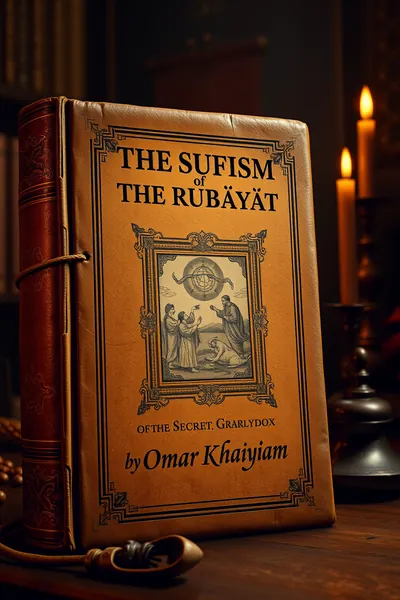
From the “Christian Mysticism” Collection
View all →







More Free Mysticism & Contemplation Books
View all →
![The Conference Of The Birds Penguin Classics [download]](/img/thumb/the-conference-of-the-birds-penguin-classics-download.webp)