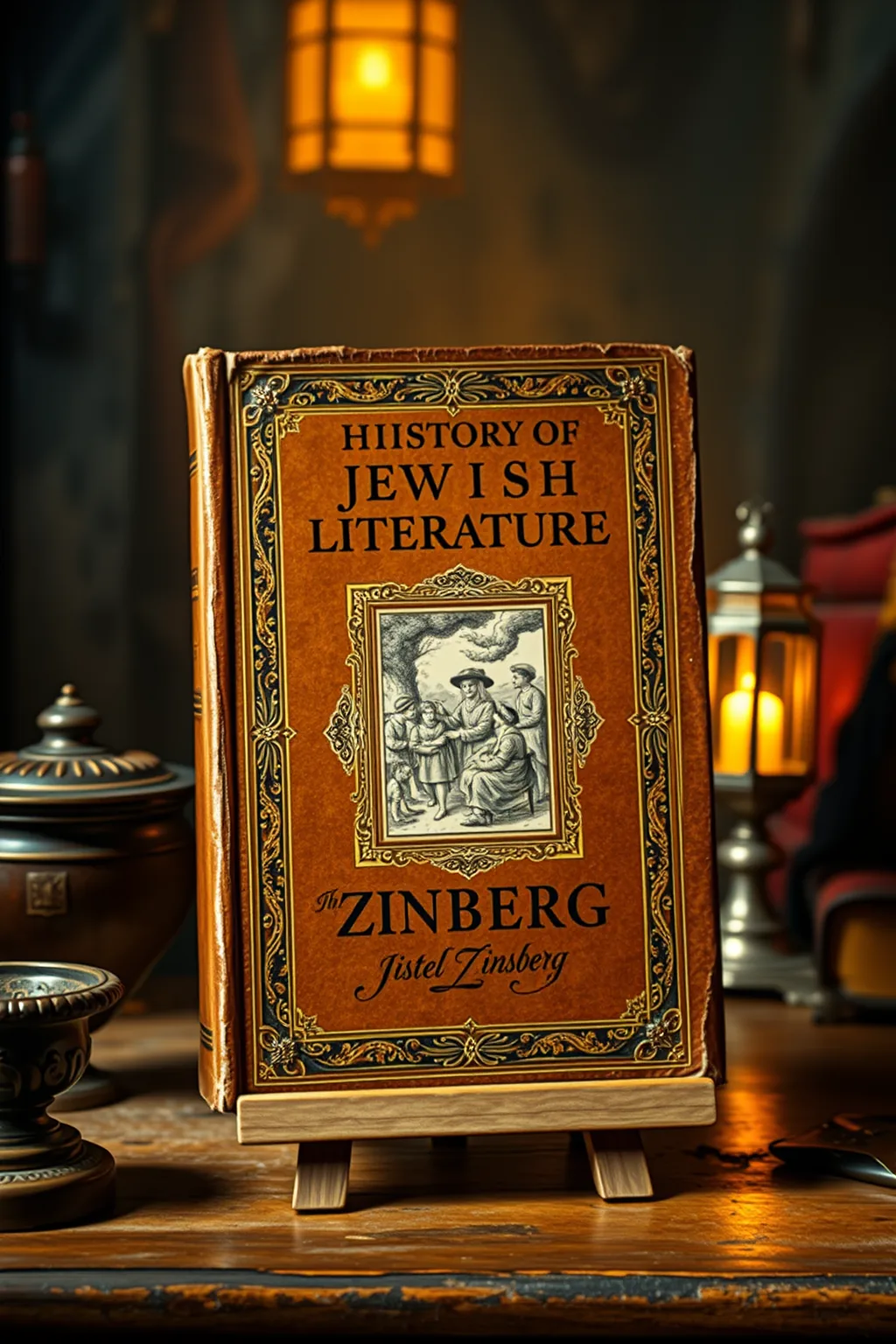
History of Jewish Literature
 62
62

History of Jewish Literature

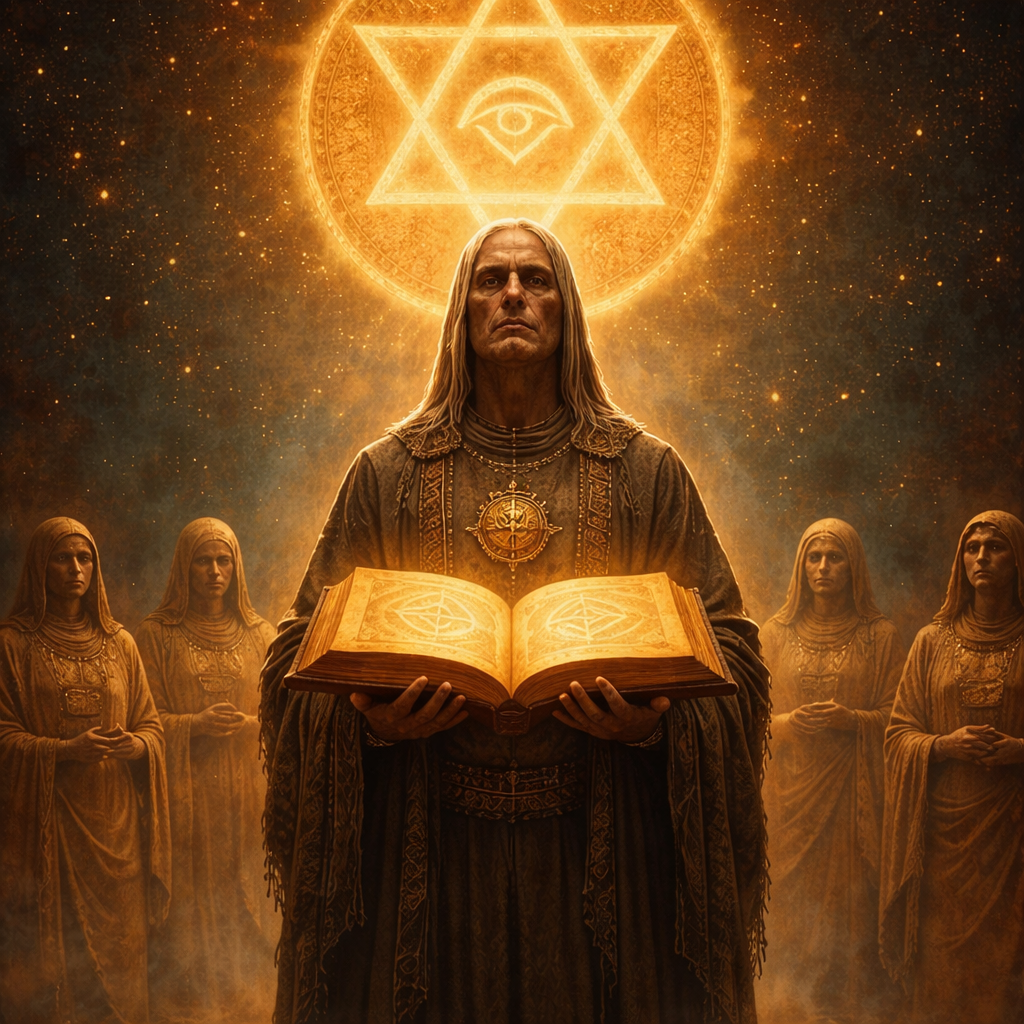

As the Alchemy & Hermeticism Editor, I find Israel Zinberg's 'History of Jewish Literature' to be an indispensable compendium for understanding the esoteric underpinnings of Western thought. Zinberg masterfully unearths the mystical veins within Jewish literary traditions, demonstrating a profound connection between Hebrew letters, Kabbalistic concepts, and universal hermetic principles. His erudition shines, illuminating the symbolic language and hidden meanings that have guided generations of seekers. This work is essential for scholars of mysticism, practitioners of the occult arts, and anyone intrigued by the profound spiritual legacy of the Jewish people. A truly illuminating and foundational text.
📝 Description
62
Israel Zinberg's 'History of Jewish Literature' was first published in 1972.
Israel Zinberg's multi-volume 'History of Jewish Literature' covers Hebrew letters from ancient times through the early 20th century. It highlights not only mainstream literary developments but also the currents of mystical thought that shaped Jewish expression. Zinberg examines how concepts from Kabbalah, Gnosticism, and other esoteric traditions informed theological discourse and creative writing.
The work traces the evolution of Jewish thought, connecting ancient biblical exegesis to medieval philosophical speculation and modern intellectual movements. It pays particular attention to the symbolic language and hidden meanings found within sacred texts and mystical writings. Zinberg's approach reveals the continuous engagement with profound spiritual and philosophical questions throughout Jewish history.
This history situates Jewish literary output within a broader esoteric tradition, particularly focusing on the development and expression of Kabbalah and related mystical thought. It examines how scriptural interpretation moved beyond literal readings to uncover deeper, symbolic, and Gnostic layers of meaning. The book illuminates how these hidden currents influenced philosophical discourse and creative works across centuries, revealing a lineage of spiritual inquiry deeply embedded in Jewish intellectual life.
💡 Why Read This Book?
Uncover the hidden mystical dimensions of Jewish literature, tracing the lineage of esoteric thought from antiquity to modernity. This book is essential for scholars, spiritual seekers, and practitioners looking to understand the deep symbolic language and Kabbalistic currents that have shaped Jewish intellectual and spiritual history, offering profound insights into the nature of divine wisdom.
⭐ Reader Reviews
Honest opinions from readers who have explored this book.
❓ Frequently Asked Questions
What is the primary focus of this book?
This book focuses on the evolution of Jewish literature, with a particular emphasis on its rich mystical and esoteric dimensions, including Kabbalah and the symbolic interpretation of texts.
Is this book suitable for beginners?
Yes, while it offers deep insights for scholars, Zinberg's lucid prose makes it accessible to dedicated beginners eager to explore the esoteric traditions within Jewish literature.
What is Kabbalah?
Kabbalah is the esoteric teaching of Judaism, a mystical tradition that explores the nature of the divine, the universe, and humanity's relationship with G-d through symbolic interpretation and contemplation.
How does this book relate to other mystical traditions?
It highlights the unique yet often interconnected pathways of Jewish mysticism, offering a foundation for understanding its parallels and divergences with other esoteric systems.
Can this book be used for academic study?
Absolutely. Its comprehensive scope, detailed analysis, and historical context make it an invaluable resource for academic research in Jewish studies, religious studies, and comparative mysticism.
🔮 Key Themes & Symbolism
The Kabbalistic Undercurrent
This theme examines the profound influence of Kabbalah, the mystical heart of Judaism, on its literary output. It explores how concepts like the Sephirot, G-d's emanations, and the Zohar's allegorical narratives became embedded within poetry, philosophy, and legal discourse, transforming them into vehicles for divine revelation and cosmic understanding. Readers will discover how a hidden language of symbols and numerology served to unlock deeper spiritual truths, offering a pathway to gnosis for the initiated.
Symbolism and Hidden Meanings
Zinberg meticulously unpacks the wide range of symbolism that permeates Jewish literature. This theme examines how seemingly ordinary texts are imbued with layers of meaning, from the gematria (numerical value of Hebrew letters) to the allegorical interpretations of biblical narratives. The book reveals how ancient symbols were recontextualized and amplified through centuries of mystical thought, serving as keys to understanding the divine architecture of creation and the human soul's journey toward spiritual perfection.
The Seeker's Quest for Divine Knowledge
Fundamentally, this work chronicles the persistent human desire to connect with the divine and understand the ineffable. It traces the intellectual and spiritual journeys of countless Jewish thinkers who, through literature, sought to bridge the gap between the earthly and the celestial. The theme highlights the various methods employed—contemplation, meditation, prayer, and scholarly exegesis—as pathways to achieving higher consciousness and attaining direct experience of the divine presence, showcasing the enduring pursuit of wisdom.
💬 Memorable Quotes
Direct passages from the work, attributed to the author.
“The word is a vessel, the meaning the wine.”
— This aphorism suggests that literary texts (words) are containers, but their true value lies in the profound spiritual or esoteric insights (wine) they hold, which require deeper understanding to be savored.
“The path of understanding is paved with paradox.”
— This highlights the often counter-intuitive nature of mystical knowledge, where apparent contradictions serve to challenge conventional thought and open the mind to higher, non-rational truths.
“To read is to converse with the ages.”
— This speaks to the enduring power of literature to connect readers with the wisdom and experiences of past generations, fostering a sense of continuity and shared spiritual heritage.
💡 Key Ideas
Editorial paraphrase of the work's core concepts — not direct quotes.
Within the letter lies the spark of the infinite.
This quote emphasizes the Kabbalistic belief that each Hebrew letter is not merely a symbol but a divine emanation, containing within it the potential for infinite spiritual understanding and connection to the divine.
The veil of the mundane hides the divine radiance.
This quote points to the esoteric idea that the material world often obscures our perception of the sacred, and that through spiritual discipline and insight, one can perceive the divine presence underlying all reality.
🌙 Esoteric Significance
Tradition
This work is deeply rooted in the esoteric tradition of Kabbalah, the mystical dimension of Judaism. It explores the lineage of Kabbalistic thought, from ancient Merkabah mysticism to the Zohar and Lurianic Kabbalah, tracing how these teachings influenced philosophical inquiry, ethical discourse, and poetic expression. The book reveals Kabbalah not as a separate entity, but as an integral, often hidden, force shaping Jewish intellectual and spiritual history.
Symbolism
Central to Zinberg's exploration is the profound symbolism inherent in Jewish literature. This includes the mystical interpretation of Hebrew letters (Gematria, Notarikon, Temurah), the symbolic language of the Torah and other sacred texts, and the cosmic imagery found in Kabbalistic cosmology (e.g., the Tree of Life). These symbols act as keys, unlocking layers of meaning that reveal the divine structure of reality and the pathways for human spiritual ascent.
Modern Relevance
In an age often characterized by secularism and superficiality, Zinberg's 'History of Jewish Literature' offers a vital connection to deep spiritual wisdom. It demonstrates that the quest for meaning, the exploration of consciousness, and the search for the divine are timeless human endeavors. The book provides practitioners and seekers with a rich heritage of contemplative practices, symbolic understanding, and philosophical inquiry that can inform and deepen their own spiritual journeys, proving the enduring relevance of ancient esoteric insights.
👥 Who Should Read This Book
This important work is a must-read for scholars of Jewish studies and comparative mysticism seeking a comprehensive overview of literary and spiritual evolution. Dedicated seekers of esoteric knowledge will find in its pages a profound exploration of Kabbalistic thought and symbolic interpretation. Practitioners of the occult arts and Hermetic traditions will discover a foundational understanding of a key Western esoteric lineage. Even beginners curious about the deeper spiritual currents within Jewish culture will find Zinberg's accessible yet profound analysis an useful gateway into a rich and ancient tradition.
📜 Historical Context
Israel Zinberg's 'History of Jewish Literature' emerges from a rich and complex historical milieu, a evidence of the resilience and intellectual dynamism of Jewish civilization across millennia. Written in the 20th century, a period marked by profound upheaval and existential threats to Jewish identity, the work stands as a bulwark against cultural amnesia. It situates Jewish literary production within its diverse historical settings, from the golden ages of Spain and Babylon to the intellectual crucibles of Eastern Europe. The book implicitly engages with the challenges of modernity, seeking to illuminate the enduring spiritual and philosophical core of Judaism that persisted through persecution, diaspora, and assimilation. By meticulously detailing the evolution of thought, it offers a profound understanding of how Jewish culture adapted, innovated, and preserved its unique esoteric traditions against immense historical pressures.
📔 Journal Prompts
Reflect on a piece of Jewish literature you are familiar with. How might its symbols or narratives be interpreted through a Kabbalistic lens?
Consider the concept of 'hidden meaning' in literature. Where else in your life do you encounter layers of meaning beyond the obvious?
How does the idea of 'divine knowledge' resonate with your personal spiritual quest? What does 'divine' mean to you?
Explore the paradox of 'the word as a vessel, the meaning as the wine.' How does this apply to your understanding of sacred texts or even everyday communication?
Imagine you are a seeker in a historical period discussed by Zinberg. What avenues of spiritual exploration would you be most drawn to, and why?
🗂️ Glossary
Kabbalah
The esoteric, mystical tradition of Judaism that seeks to understand the nature of G-d, creation, and the human soul through symbolic interpretation, contemplation, and divine revelation.
Gematria
A system of Jewish numerology where Hebrew letters are assigned numerical values, used to find hidden connections and deeper meanings within words and phrases, particularly in sacred texts.
Sephirot
The ten divine emanations or attributes described in Kabbalah, often visualized as a Tree of Life, representing the stages through which G-d manifests in the universe and the pathways for human spiritual ascent.
Zohar
The foundational work of Kabbalistic literature, a mystical commentary on the Torah, renowned for its detailed symbolism, allegorical narratives, and profound exploration of divine mysteries.
Merkabah Mysticism
An early form of Jewish mysticism focused on visionary ascents to the heavenly realms and encounters with the divine Chariot (Merkabah), described in the Book of Ezekiel.
This book appears in 1 collection
🔮 Readers Also Liked
Browse all →







From the “Kabbalah” Collection
View all →








More Free Kabbalah & Jewish Mysticism Books
View all →