Moshe Idel
 61
61

Moshe Idel


Silas Hawthorne (Hermetic Studies Editor) — Hava Tirosh-Samuelson masterfully excavates the intellectual landscape shaped by Moshe Idel, presenting a compelling analysis of his seminal work in Kabbalah. This volume offers a rare glimpse into the esoteric core of Jewish mysticism, highlighting Idel's innovative approaches to understanding God, the divine attributes, and the ecstatic states experienced by mystics. Tirosh-Samuelson’s lucid prose demystifies complex concepts, making Idel’s profound insights accessible to both seasoned scholars and ardent seekers. The book shines in its ability to connect ancient wisdom with contemporary philosophical dialogues, offering a truly enriching experience for those dedicated to exploring the hidden currents of spiritual knowledge. An indispensable addition to any serious collection on Jewish mysticism.
📝 Description
61
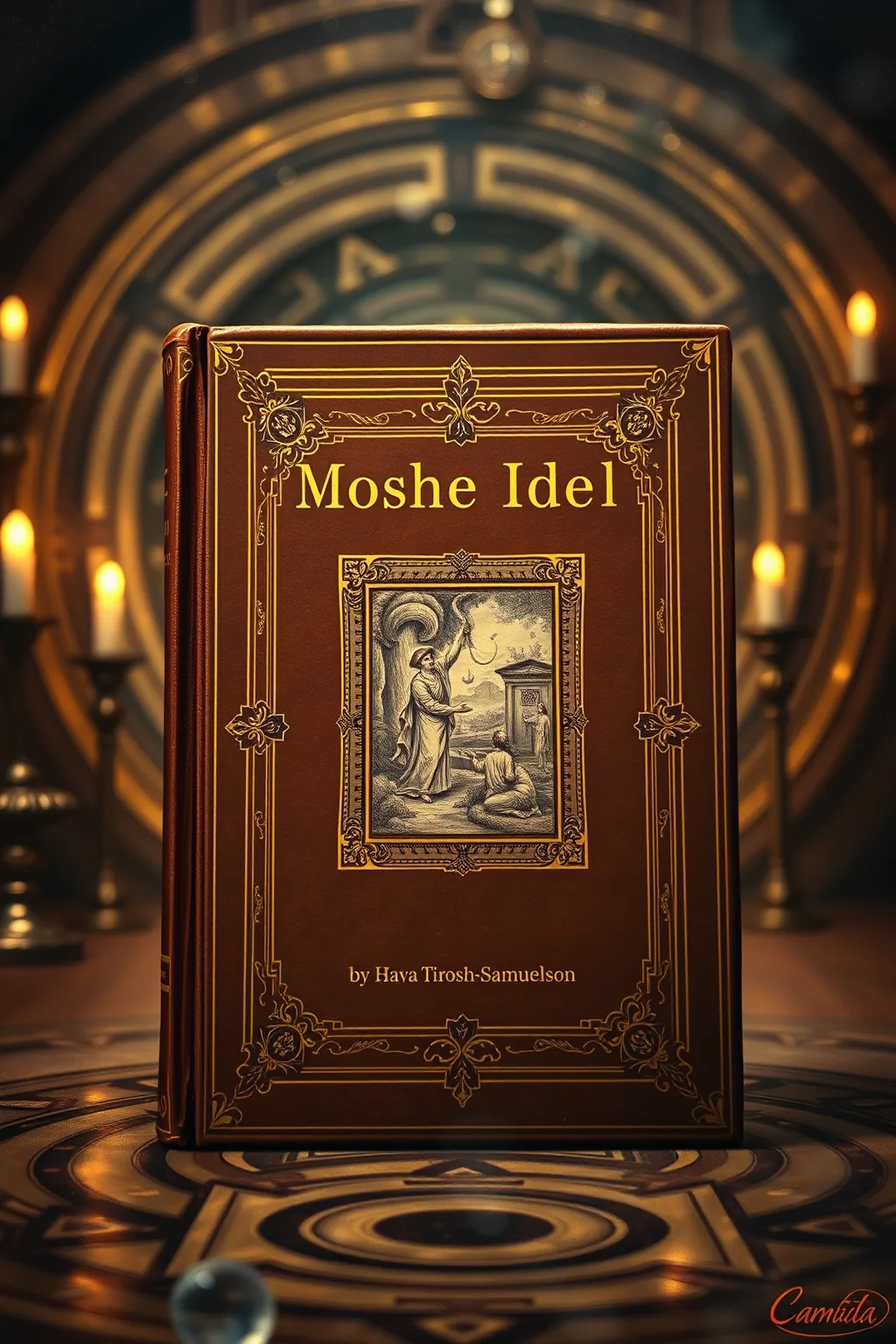
Hava Tirosh-Samuelson's 2016 book examines Moshe Idel's significant impact on Kabbalah studies.
This volume analyzes the work of Moshe Idel, a scholar whose research has reshaped the understanding of Kabbalah. Hava Tirosh-Samuelson details Idel's interpretations of key Kabbalistic concepts, including divine immanence and mystical experience. The book looks at how Idel engaged with ancient texts and philosophical traditions to shed light on Jewish mysticism.
Readers will find an examination of Idel's views on the soul's ascent and the divine presence. Tirosh-Samuelson's study maps Idel's intellectual contributions, focusing on his unique perspectives within the broader field of esoteric Jewish thought. The work is intended for those with an interest in the philosophical and mystical dimensions of Kabbalah.
This book situates Moshe Idel's scholarship within the long tradition of Kabbalistic studies. Kabbalah, a form of Jewish mysticism, has historically focused on understanding the divine nature, creation, and the human connection to God through esoteric interpretations of scripture and ritual. Idel's work is part of a modern academic engagement with these traditions, moving beyond purely theological or devotional approaches to analyze the philosophical underpinnings and historical development of Kabbalistic ideas, particularly concerning concepts like divine presence and mystical states.
💡 Why Read This Book?
Uncover the revolutionary interpretations of Kabbalah by Moshe Idel. Explore the esoteric dimensions of Jewish philosophy and the profound nature of divine experience. This book is essential for scholars seeking critical analysis, practitioners desiring deeper understanding of mystical practices, and seekers yearning to connect with ancient wisdom traditions. Discover the hidden pathways to Gnosis and the enduring relevance of Jewish mysticism.
⭐ Reader Reviews
Honest opinions from readers who have explored this book.
❓ Frequently Asked Questions
What are Moshe Idel's key contributions to Kabbalah?
Moshe Idel significantly advanced Kabbalistic scholarship by emphasizing the dynamic and experiential aspects of Jewish mysticism, including divine ecstasies, the active role of the mystic in the divine realm, and the evolution of Kabbalistic thought.
How does this book explore the concept of God in Judaism?
The book delves into Idel's philosophical and mystical interpretations of God within Judaism, examining concepts such as divine immanence, the unfolding of divine attributes, and the mystic's direct experience of the divine presence.
Is this book suitable for beginners in Kabbalah?
While detailed and scholarly, the book provides clear explanations of complex Kabbalistic concepts, making it accessible to dedicated beginners who are eager to engage with advanced material on Jewish mysticism.
What philosophical themes are discussed?
Key philosophical themes include the nature of divine knowledge, the relationship between the human and the divine, the phenomenology of mystical experience, and the philosophical underpinnings of esoteric traditions.
Can this book be read alongside primary Kabbalistic texts?
Absolutely. Reading this book can provide invaluable context and critical insight for those studying foundational Kabbalistic texts like the Zohar or Sefer Yetzirah.
🔮 Key Themes & Symbolism
The Experiential Nature of Divine Encounter
This volume illuminates Idel's focus on the ecstatic and transformative nature of the mystical encounter with the Divine. It explores how Kabbalah is not merely an intellectual pursuit but a lived experience, where the mystic actively participates in the divine drama, seeking direct communion and Gnosis. The book details the symbolic language and practices employed to facilitate these profound encounters, revealing the active role of the individual soul in its ascent towards the Godhead.
The Dynamic Conception of God in Kabbalah
Hava Tirosh-Samuelson dissects Idel's groundbreaking perspective on the evolving and dynamic conception of God within Kabbalistic traditions. It moves beyond static theological definitions to explore the immanent presence of the Divine, the intricate interplay of divine attributes (Sefirot), and the philosophical implications of a God who is both transcendent and intimately involved in the created world. This theme challenges traditional interpretations and offers a more fluid and accessible understanding of the God of Jewish mysticism.
Symbolism and Hidden Knowledge
A central pillar of this work is the exploration of Kabbalah's rich symbolic language and its role as a conduit for hidden knowledge. The book studies how seemingly simple symbols unlock profound metaphysical truths, guiding the initiate through esoteric pathways. It examines the hermeneutical methods used to decipher these symbols, revealing the intricate interconnectedness of the cosmos, the human soul, and the Divine, and underscoring the quest for a deeper, more intuitive understanding of reality.
💬 Memorable Quotes
Direct passages from the work, attributed to the author.
“Gnosis is not merely knowledge, but a transformative unveiling.”
— This highlights the esoteric understanding of Gnosis as a profound, experiential realization that fundamentally changes the individual, transcending intellectual comprehension.
“The divine immanence whispers in the heart of creation.”
— This evocative phrase points to the Kabbalistic belief in the pervasive presence of God within all existence, a subtle yet powerful spiritual reality accessible through mystical perception.
“Symbolism is the language of the soul's ascent.”
— This suggests that the intricate symbolic systems within Kabbalah serve as a crucial guide and map for the soul's journey towards higher spiritual states and divine understanding.
“The enigma of God is best approached through ecstatic contemplation.”
— This emphasizes that the ultimate mysteries of the Divine are best apprehended not through pure reason, but through states of elevated consciousness and spiritual rapture.
💡 Key Ideas
Editorial paraphrase of the work's core concepts — not direct quotes.
The mystic is an active participant in the unfolding of the divine.
This quote captures Idel's emphasis on the active role of the individual in their spiritual journey, suggesting that mysticism is not passive reception but a dynamic engagement with the sacred.
🌙 Esoteric Significance
Tradition
This book is deeply rooted in the esoteric tradition of Kabbalah, a mystical interpretive tradition within Judaism. It explores the esoteric dimensions of Jewish theology, cosmology, and spiritual practice, focusing on concepts such as divine emanations (Sefirot), the nature of the soul, and the pathways to spiritual illumination and union with the Divine.
Symbolism
The work studies the profound symbolism inherent in Kabbalistic texts and practices. This includes the symbolic interpretation of Hebrew letters, biblical narratives, and the structure of the universe itself. These symbols are not merely decorative but serve as keys to unlocking hidden meanings, spiritual insights, and the very architecture of reality, guiding the adept towards a deeper understanding of the Divine.
Modern Relevance
The esoteric insights presented by Idel and elucidated by Tirosh-Samuelson hold significant modern relevance. They offer profound perspectives on consciousness, the nature of reality, and the human quest for meaning in a complex world. The emphasis on direct experience, symbolic interpretation, and the dynamic relationship between the human and the Divine provides a rich framework for contemporary spiritual exploration and philosophical inquiry.
👥 Who Should Read This Book
This clear volume is essential for a diverse readership. Scholars of religious studies, Jewish philosophy, and comparative mysticism will find an authoritative and nuanced analysis of Idel's significant contributions. Seekers of spiritual wisdom, particularly those drawn to the esoteric traditions of Judaism, will discover clear insights into Kabbalistic thought and practice. Practitioners of meditation and contemplative disciplines may find valuable frameworks for their own inner work. Beginners with a serious interest in studying the depths of Jewish mysticism will also benefit from the clear and comprehensive explanations.
📜 Historical Context
This exploration of Moshe Idel's work emerges from a fertile period of resurgent interest in Kabbalah and Jewish mysticism throughout the late 20th and early 21st centuries. Following decades of academic neglect and often sensationalized popular portrayals, scholars like Idel and Tirosh-Samuelson began to systematically re-evaluate Kabbalistic texts and concepts, situating them within their rich historical and philosophical contexts. This era saw a move towards understanding Kabbalah not as a monolithic or static tradition, but as a dynamic and evolving spiritual and intellectual force that deeply influenced Jewish thought, art, and culture. The work reflects a broader academic trend towards phenomenological and comparative studies of mysticism, seeking to understand the universal aspects of spiritual experience while respecting the unique traditions from which they arise.
📔 Journal Prompts
Reflect on a personal experience where you felt a profound sense of divine immanence. How did this experience shape your understanding of God?
Consider a symbol that holds deep personal meaning for you. What hidden knowledge or spiritual insight does this symbol convey?
How might the concept of 'ecstatic contemplation' be applied to your daily life to foster a deeper connection with the sacred?
Explore the idea of the mystic as an 'active participant' in the divine. What does this imply about your own spiritual journey?
Journal about a time you felt you unveiled a hidden truth about yourself or the world. How did this unveiling transform your perspective?
🗂️ Glossary
Kabbalah
A system of Jewish mysticism that seeks to understand the nature of God and the universe through esoteric interpretation of religious texts and symbolic practices.
Sefirot
The ten divine emanations or attributes through which God's presence is revealed and interacts with the created world in Kabbalistic cosmology.
Gnosis
Spiritual knowledge or insight, particularly the intuitive understanding of divine mysteries, leading to spiritual liberation or enlightenment.
Divine Immanence
The belief that God is present within the universe and all of creation, rather than being solely transcendent or external to it.
Mystical Ascent
The process by which a mystic journeys through different spiritual realms or states of consciousness to achieve closeness or union with the Divine.
This book appears in 1 collection
🔮 Readers Also Liked
Browse all →








More by Hava Tirosh-Samuelson
All books →
From the “Kabbalah” Collection
View all →








More Free Kabbalah & Jewish Mysticism Books
View all →