The Seer
 75
75

The Seer
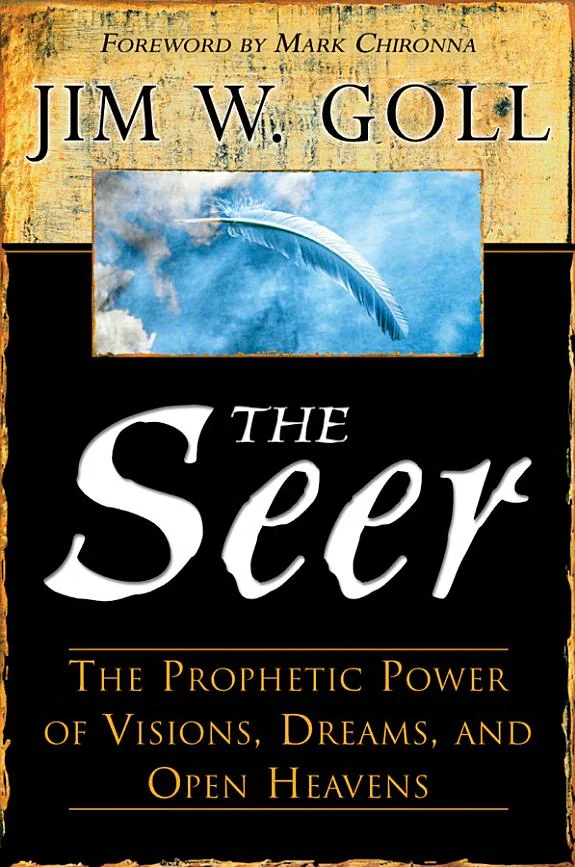
James W. Goll’s "The Seer" attempts to illuminate the often-misunderstood dimension of visionary prophecy. He rightly identifies the distinction between prophetic utterance and visual revelation, a necessary clarification for many. The strength of the book lies in its earnest effort to normalize and contextualize seer experiences within a faith framework, drawing parallels to biblical figures. However, the work sometimes struggles with an overabundance of anecdotal evidence that, while illustrating points, can feel repetitive and lacking in critical analysis. Goll's assertion that "visionary prophets remain mysterious, otherworldly, and even strange" (as per the original blurb, a sentiment the book aims to counter) points to the book's central challenge: bridging the gap between subjective experience and objective theological understanding without succumbing to unsubstantiated claims. While providing practical guidance for interpretation, the lack of engagement with critical scholarship on religious experience from outside his immediate tradition is a notable limitation. The book offers a valuable perspective for those seeking to understand visionary experiences within a specific theological context.
📝 Description
75
James W. Goll's 2005 book, 'The Seer,' distinguishes visionary revelation from prophetic speech.
The Seer examines a specific form of spiritual perception, differentiating the seer from the prophet. While prophets often receive divine messages through words or direct teaching, seers primarily experience revelation through visions, dreams, and symbolic imagery. Goll aims to clarify these visionary experiences, presenting them as a valid and important method of spiritual discernment throughout history and in current religious life.
This book is intended for individuals within Christian traditions interested in spiritual gifts, particularly those associated with prophecy and discernment. It appeals to those who have had or are curious about visionary phenomena, seeking a way to understand these occurrences. Pastors, spiritual directors, and theology students will find it offers a deeper perspective on different prophetic expressions. It is also for anyone aiming to move beyond a purely intellectual faith toward a more experiential encounter with the divine, especially concerning dreams and visions. Goll places the seer tradition within church history, referencing prophetic movements. He links modern visionary experiences to biblical figures and historical accounts of individuals who perceived spiritual realities visually. The book implicitly connects Old Testament prophets who received visions, like Daniel, to later Christian figures who reported similar encounters. This historical basis serves to support the seer's role against potential doubt, showing it as a recurring element in religious experience over centuries.
This work fits within a lineage of Christian mysticism that emphasizes direct, experiential encounters with the divine over purely intellectual or mediated understanding. It engages with traditions that value inner spiritual perception, such as dream interpretation and visionary states, as legitimate pathways to divine knowledge. By grounding these experiences in biblical precedent and church history, Goll situates these practices within a recognized, albeit often overlooked, current of spiritual development that values subjective inner experience alongside objective scriptural authority.
💡 Why Read This Book?
• Gain a specific understanding of visionary revelation distinct from prophetic utterance, as explored through biblical examples like Daniel's visions, allowing for a nuanced appreciation of spiritual communication channels. • Learn practical methods for interpreting symbolic language and discerning the source of visions, directly applicable to understanding your own spiritual experiences or those of others encountered in faith communities. • Discover how the seer tradition has manifested throughout church history, referencing movements and figures that utilized visual prophecy, providing historical validation for those who perceive spiritual realities through sight.
⭐ Reader Reviews
Honest opinions from readers who have explored this book.
❓ Frequently Asked Questions
What is the primary difference between a prophet and a seer according to James W. Goll?
Goll distinguishes a prophet by their primarily verbal revelation, whereas a seer receives revelation more through visionary experiences, dreams, and symbolic imagery. Both are forms of spiritual perception, but their mode of reception differs significantly.
When was 'The Seer' by James W. Goll first published?
The book 'The Seer' by James W. Goll was first published on January 28, 2005.
Does 'The Seer' discuss specific biblical figures who were seers?
Yes, the book references biblical figures known for their visionary experiences, implicitly or explicitly connecting their encounters to the seer dimension. It aims to provide scriptural grounding for this form of spiritual perception.
Is this book suitable for someone new to understanding spiritual gifts?
The book is accessible to those new to spiritual gifts, especially if they are interested in prophecy and discernment. It aims to clarify the seer's role, making it understandable for newcomers to these concepts within a Christian framework.
What kind of historical context does 'The Seer' provide?
It situates the seer's role within broader church history, highlighting prophetic movements and individuals throughout different eras who experienced spiritual realities visually, offering a historical perspective on this practice.
What practical advice does the book offer for interpreting visions?
Goll provides guidance on interpreting symbolic language found in visions and emphasizes the importance of spiritual sensitivity and discernment. The aim is to equip readers to better understand the messages received through visionary means.
🔮 Key Themes & Symbolism
Visionary Revelation vs. Prophetic Utterance
This theme centers on the fundamental distinction Goll draws between two primary modes of divine communication: the prophet, who receives and delivers messages primarily through spoken word, and the seer, whose spiritual perception is characterized by visual experiences, dreams, and symbolic imagery. The work argues that the seer's mode of revelation, often perceived as mysterious, is a crucial and historically present aspect of spiritual life. It aims to explain this by providing a framework for understanding its nature and function within religious traditions, particularly Christianity.
Interpretation of Spiritual Symbols
A significant focus is placed on the language of visions, which is often symbolic and requires careful interpretation. The book explores how to discern the meaning behind the images and metaphors encountered in seer experiences. This involves developing spiritual sensitivity and employing hermeneutical principles applicable to symbolic communication. Goll guides readers on how to approach these symbolic messages with discernment, ensuring they are accurately understood within their intended spiritual context and not misconstrued.
The Seer in Church History
Goll traces the presence and significance of the seer within the broader range of Christian history. He highlights various prophetic movements and individuals across different eras whose experiences align with the characteristics of seership. By grounding the concept in historical precedent, the book seeks to validate its legitimacy and importance, demonstrating that visionary perception is not a novel phenomenon but a recurring element in the spiritual lives of believers throughout centuries.
Practical Application and Discernment
Beyond theoretical exploration, 'The Seer' emphasizes the practical application of visionary insights for guidance and spiritual growth. It addresses the necessity of discernment, teaching readers how to differentiate between genuine divine impartations and other influences. The goal is to equip individuals to effectively utilize the perceptions gained through seer experiences in their daily lives and spiritual journeys, fostering wisdom and clarity.
💬 Memorable Quotes
Direct passages from the work, attributed to the author.
“The prophetic movements in church history and in contemporary life are fed by two mighty streams: the prophet, whose revelation is primarily verbal, and the seer, whose revelation is more visionary in nature.”
— This foundational statement sets the book's central thesis, distinguishing between verbal prophecy and visual revelation. It establishes the seer as a distinct but equally important channel for divine communication, guiding the reader towards a more nuanced understanding of spiritual gifts.
“While the role of the prophet is familiar, less is known about the seer dimension.”
— This highlights the book's purpose: to bring clarity to a less understood aspect of spiritual perception. It acknowledges the common familiarity with prophetic speech while emphasizing the need to explore and explain the visionary experiences of seers.
“Knowledge dispels misunderstanding.”
— This simple yet powerful statement expresses the book's core objective. By providing information and context about seership, Goll intends to replace confusion and apprehension with understanding and confidence regarding visionary spiritual experiences.
“Join author Jim W. Goll on an exciting and insightful journey into this lesser-known dimension.”
— This is an invitation to the reader, promising an exploration of a specific spiritual domain. It frames the book's content as an engaging and educational experience, encouraging readers to start the study of seership.
💡 Key Ideas
Editorial paraphrase of the work's core concepts — not direct quotes.
To many people, these visionary prophets remain mysterious, otherworldly, and even strange.
This quote identifies the common perception that the book aims to correct. Goll seeks to dispel misunderstanding by presenting seer experiences not as bizarre or alien, but as comprehensible and valuable within a spiritual framework.
🌙 Esoteric Significance
Tradition
While rooted in a contemporary Christian evangelical context, "The Seer" touches upon themes resonant with broader esoteric traditions that value inner vision and symbolic interpretation. It aligns with Hermetic principles that suggest "As Above, So Below," implying a correspondence between the spiritual and physical realms that can be perceived through inner sight. The emphasis on interpreting symbolic language also echoes Gnostic traditions where hidden knowledge is often conveyed through allegory and vision. Goll's work, however, reframes these concepts within a specific theological framework, emphasizing divine origin and biblical authority, differentiating it from more syncretic or purely mystical explorations.
Symbolism
The book frequently engages with symbolic representation, a core part of many esoteric systems. Visions are presented as inherently symbolic, requiring careful decoding. Common motifs explored implicitly or explicitly include light (representing divine presence or revelation), journeys (symbolizing spiritual progression or a divine quest), and encounters with divine or angelic figures. These symbols are not merely decorative but are treated as a sacred language, a visual vocabulary through which spiritual truths are conveyed, mirroring the symbolic richness found in alchemical texts or Kabbalistic diagrams.
Modern Relevance
Contemporary Christian circles focused on spiritual warfare, prophetic ministry, and deeper spiritual formation often draw upon Goll's work. Thinkers and practitioners in movements emphasizing divine encounters, such as those associated with Bethel Church or similar ministries, find his framework for understanding visionary experiences highly relevant. His emphasis on discernment also speaks to modern concerns about authenticity in spiritual phenomena, providing a guide for individuals seeking to read through the increasing visibility of such claims in online and offline faith communities.
👥 Who Should Read This Book
• Individuals within Pentecostal and Charismatic traditions seeking to understand and validate visionary spiritual experiences. • Pastors and spiritual directors who counsel members experiencing dreams and visions and require a framework for interpretation and guidance. • Students of theology and religious studies interested in comparative analyses of prophetic and visionary phenomena across different eras and denominations. • Believers curious about the nature of spiritual perception and seeking practical tools for discerning divine impartations.
📜 Historical Context
Published in 2005, James W. Goll's "The Seer" emerged during a period when charismatic and Pentecostal movements were actively exploring and debating spiritual gifts, including prophecy and discernment. The early 21st century saw continued interest in experiential spirituality within various Christian denominations. Goll's work positioned itself within this landscape, seeking to provide theological and practical grounding for visionary experiences, which were often met with skepticism or misunderstanding. While not directly engaging with academic theological critiques prevalent in mainline Protestantism, Goll's approach resonated with those in more evangelical and Pentecostal circles who embraced a high view of spiritual manifestations. His work implicitly countered a purely rationalistic or cessationist view of spiritual gifts by focusing on the validity of ongoing, visible divine impartations. Contemporaries like Bill Johnson were also exploring similar themes of supernatural encounters, creating a broader conversation around divine encounters in the contemporary church.
📔 Journal Prompts
The nature of visionary revelation and its distinction from verbal prophecy.
Interpreting the symbolic language within spiritual visions encountered.
The historical presence and role of seers in church history.
Developing spiritual sensitivity for discerning divine impartations.
Reflecting on personal experiences of spiritual sight through the lens of seership.
🗂️ Glossary
Seer
An individual who receives spiritual revelation primarily through visions, dreams, and symbolic imagery, as distinct from a prophet who receives revelation mainly through spoken word.
Prophet
In Goll's framework, a prophet is primarily one who receives and delivers divine messages through verbal communication, often conveying direct instruction, exhortation, or foretelling.
Visionary Revelation
Spiritual insight or communication received through visual means, such as seeing images, scenes, or symbolic representations in the mind's eye or in a dream state.
Spiritual Discernment
The ability to distinguish the source and nature of spiritual phenomena, messages, or influences, differentiating between those that are divine, human, or demonic.
Symbolic Language
A mode of communication that uses images, metaphors, and allegories to convey deeper meaning, often characteristic of dreams and visions requiring interpretation.
Spiritual Sensitivity
An heightened awareness and receptivity to the spiritual realm, enabling an individual to perceive or recognize divine promptings, atmospheres, or impartations.
Prophetic Movements
Historical or contemporary periods characterized by a significant increase in the practice and expression of prophetic gifts, including both verbal prophecy and visionary experiences.
This book appears in 2 collections
🔮 Readers Also Liked
Browse all →





From the “Prophecy” Collection
View all →




More Free Sacred Texts & Gnosticism Books
View all →