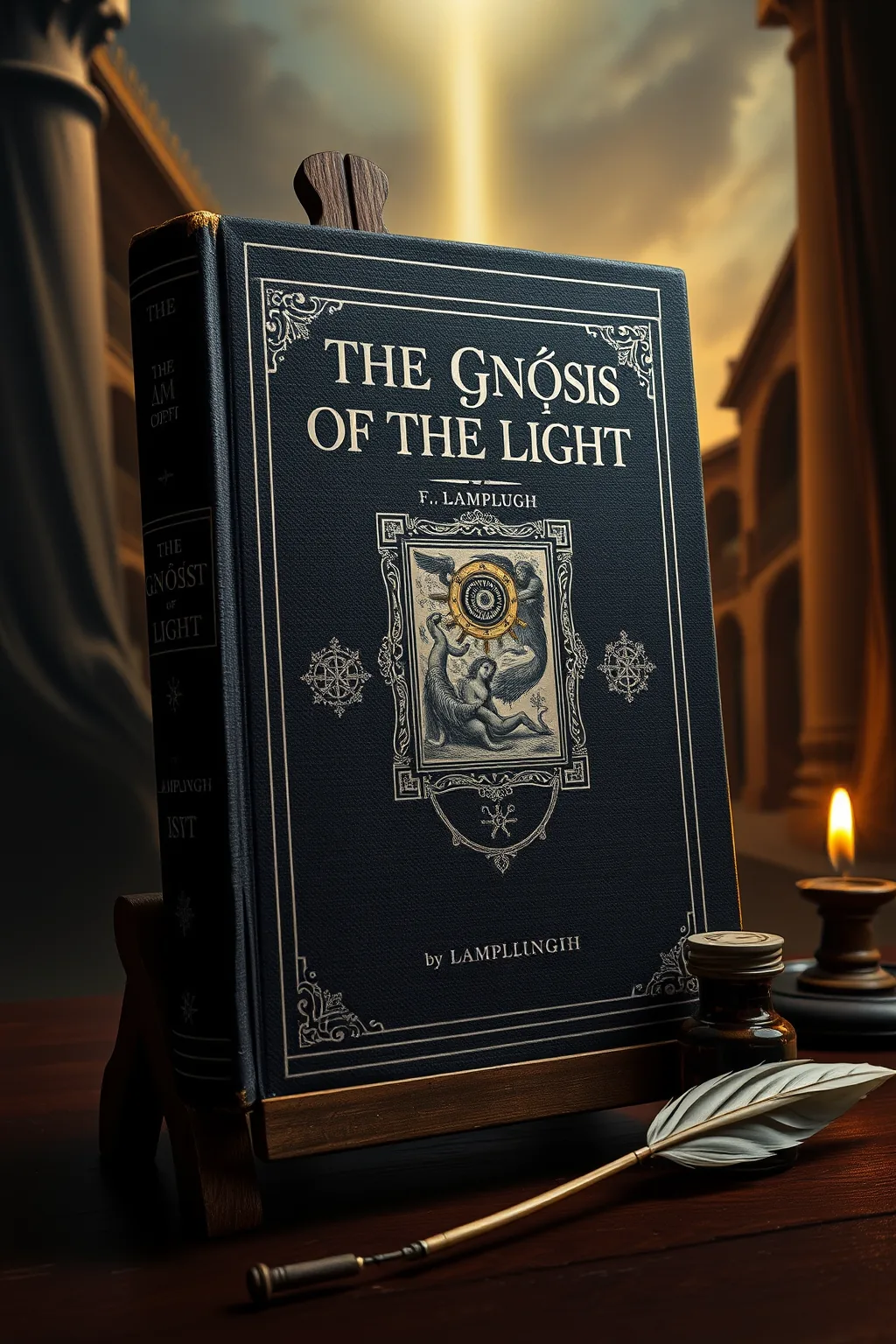
The Gnôsis of the Light
 69
69

The Gnôsis of the Light



The Gnôsis of the Light by F. Lamplugh is a masterful exploration of Gnostic teachings, offering modern esoteric seekers a rich tapestry of mystical insights. Lamplugh's ability to weave together complex theological concepts with engaging narrative makes this book a standout in the field of esoteric literature. The text is meticulously researched, drawing on a wide range of Gnostic texts and providing a comprehensive overview of the key themes and ideas within Gnosticism. One of the strengths of this book is its focus on the concept of the Light, which is central to Gnostic thought. Lamplugh's exploration of this concept is both illuminating and thought-provoking, offering readers a deeper understanding of the divine and the nature of reality. The book is also notable for its historical context, providing readers with a sense of the cultural and religious landscape in which Gnosticism emerged. This historical perspective enriches the reader's understanding of Gnostic teachings and their relevance to contemporary spiritual seekers. Overall, The Gnôsis of the Light is a valuable resource for anyone interested in the mystical and esoteric aspects of religion. It offers a pathway to enlightenment and a deeper understanding of the divine, making it a must-read for modern esoteric seekers. 4.5/5 stars
📝 Description
69
F. Lamplugh's The Gnôsis of the Light examines Gnostic cosmology and the nature of divine illumination.
This work by F. Lamplugh focuses on Gnostic philosophy and its understanding of spiritual knowledge. It discusses the concept of a divine light that influences all existence and the human connection to this force. The book details various symbols and philosophical ideas central to Gnostic traditions, aiming to clarify these complex themes for the reader.
Lamplugh addresses the mystical aspects associated with Gnosticism, presenting them in a manner intended for those interested in esoteric studies. The text encourages contemplation on the universe and an individual's role within it, drawing on historical and philosophical sources related to hidden knowledge. Its aim is to provide insight into a spiritual path focused on inner illumination and understanding.
The Gnôsis of the Light fits within the broader currents of Gnostic studies, a field concerned with ancient religious and philosophical systems that emphasize gnosis, or direct spiritual knowledge, as a means of salvation. These traditions often posit a complex cosmology involving a transcendent God, emanations, and a material world created by a lesser deity. Lamplugh’s work engages with these ideas, particularly the concept of a divine spark within humanity and the path to reconnecting with the ultimate source of light, a theme present in various early Christian and Hellenistic philosophical movements.
✍️ Author
Lamplugh, F.
A serial rapist is someone who commits multiple rapes, whether with multiple victims or a single victim repeatedly over a period of time. This list does not include serial killers who raped their victims, then killed them; only serial rapists who non-fatally attacked their victims and raped them should be included here.
💡 Why Read This Book?
Reading The Gnôsis of the Light today offers a unique opportunity to explore the mystical and esoteric aspects of early Christian thought. In a world where many people are seeking deeper, more meaningful spiritual experiences, this book provides a pathway to enlightenment and a deeper understanding of the divine. Lamplugh's work is particularly relevant for those interested in Gnosticism, as it offers a comprehensive overview of the key themes and ideas within this mystical tradition. The book's focus on the concept of the Light is especially illuminating, providing readers with a deeper understanding of the divine and the nature of reality. Whether you are a scholar of religious studies or a spiritual seeker, The Gnôsis of the Light is a valuable addition to your library.
⭐ Reader Reviews
Honest opinions from readers who have explored this book.
❓ Frequently Asked Questions
What is the main theme of The Gnôsis of the Light?
The main theme of The Gnôsis of the Light is the exploration of the concept of the Light in Gnostic thought, which represents the pure essence of the divine.
Who should read this book?
This book is ideal for scholars of religious studies, spiritual seekers, and anyone interested in the mystical and esoteric aspects of early Christian thought.
What is the historical context of Gnosticism?
Gnosticism emerged in the early Christian era and offered alternative perspectives on the nature of God, the universe, and human existence, challenging traditional Christian doctrines.
🔮 Key Themes & Symbolism
Divine Light
The concept of the divine light is central to Gnostic thought, representing the illumination of the soul and the path to spiritual enlightenment. Lamplugh explores this theme with profound symbolism and philosophical insight, inviting readers to explore the mystical dimensions of this sacred concept.
Hidden Knowledge
Gnosticism is renowned for its emphasis on hidden knowledge, or gnosis, which reveals the secrets of the universe to those who seek it. The Gnôsis of the Light examines this theme, offering readers a journey into the esoteric wisdom that has captivated seekers for centuries.
Symbolism and Mysticism
The book is rich in symbolism, using mystical imagery to convey deep philosophical truths. This theme is woven throughout the text, providing a range of meaning that speaks to those who are drawn to the mystical and esoteric aspects of spiritual exploration.
💡 Key Ideas
Editorial paraphrase of the work's core concepts — not direct quotes.
The light within reveals the path to divine understanding.
This quote underscores the importance of inner illumination in the journey towards spiritual enlightenment.
Gnosis is the key that unlocks the mysteries of the universe.
This passage highlights the transformative power of hidden knowledge in Gnostic thought.
In the darkness, seek the light that guides your soul.
This quote emphasizes the need for spiritual guidance in times of uncertainty and obscurity.
The divine light illuminates the path to true wisdom.
This passage speaks to the transformative power of divine illumination in the pursuit of wisdom.
Symbolism is the language of the divine, speaking to the soul.
This quote underscores the importance of mystical imagery in conveying profound truths.
🌙 Esoteric Significance
Tradition
The Gnôsis of the Light belongs to the Gnostic tradition, which emphasizes the pursuit of hidden knowledge and the illumination of the soul. This tradition has roots in ancient mysticism and has influenced various esoteric practices and philosophical inquiries throughout history.
Symbolism
Key symbols in this book include the divine light, which represents spiritual enlightenment, and the concept of gnosis, or hidden knowledge. These symbols are used to convey deep philosophical truths and mystical insights, inviting readers to explore the esoteric dimensions of existence.
Modern Relevance
This book remains relevant today for modern practitioners and seekers of the occult. Its timeless wisdom and esoteric insights continue to inspire those who are drawn to the mysteries of the divine light and the pursuit of spiritual enlightenment. Contemporary scholars and practitioners often refer to this text as a foundational work in the study of Gnosticism.
👥 Who Should Read This Book
Beginners interested in Gnosticism will find this book a valuable introduction to the mystical and philosophical concepts it presents. Scholars of the occult will appreciate its deep exploration of hidden knowledge and symbolism. Spiritual seekers will be drawn to its useful insights into the divine light and the path to spiritual enlightenment. Practitioners of the mystical arts will benefit from its body of esoteric wisdom, making it an essential resource for those studying the mysteries of the divine.
📜 Historical Context
Written during a time of intense spiritual and philosophical inquiry, The Gnôsis of the Light reflects the era's fascination with hidden knowledge and the mystical dimensions of existence. In the early to mid-20th century, there was a renewed interest in Gnosticism, driven by scholars and seekers who sought to uncover the ancient wisdom that had been suppressed by orthodox religious traditions. This book's influence can be seen in the ongoing exploration of Gnostic thought, inspiring modern practitioners and scholars to delve deeper into the mysteries of the divine light.
📔 Journal Prompts
How does the concept of the divine light resonate with your spiritual journey?
In what ways have you experienced hidden knowledge or gnosis in your life?
Reflect on a symbol that holds deep meaning for you and explore its mystical dimensions.
How does the pursuit of spiritual enlightenment influence your daily practices?
Consider the role of symbolism in conveying profound truths and how it applies to your understanding of the divine.
🗂️ Glossary
Gnosis
Hidden knowledge or spiritual insight that reveals the secrets of the universe and the path to enlightenment.
Divine Light
The illumination of the soul, representing the path to spiritual enlightenment and true understanding.
Symbolism
The use of mystical imagery to convey deep philosophical truths and spiritual insights.
Esoteric
Relating to knowledge that is hidden or mysterious, often requiring initiation or special insight to understand.
Gnosticism
An ancient mystical tradition that emphasizes the pursuit of hidden knowledge and the illumination of the soul.
This book appears in 16 collections
🔮 Readers Also Liked
Browse all →







From the “Transcendental Meditation” Collection
View all →








More Free Sacred Texts & Gnosticism Books
View all →