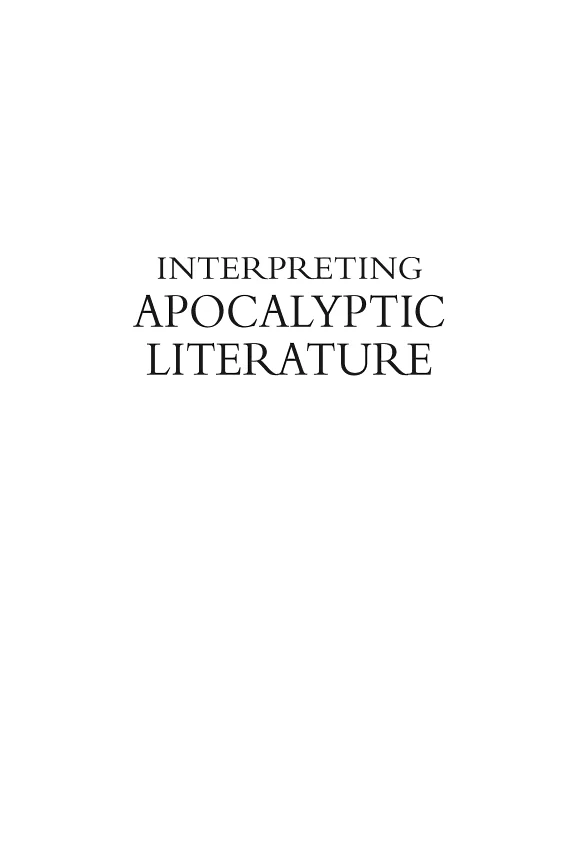
Interpreting Apocalyptic Literature
 71
71

Interpreting Apocalyptic Literature
Taylor and Howard Jr. tackle the formidable task of demystifying Old Testament apocalyptic literature, moving it from the scholarly shadows into clearer light. The text commendably emphasizes the literary and historical dimensions, presenting apocalyptic writings as sophisticated expressions of faith under duress, rather than mere chronological predictions. A particular strength is the nuanced discussion of how these texts functioned for their original audiences, offering solace and a framework for understanding divine action during times of oppression. While the analytical rigor is high, the dense academic prose might pose a barrier for readers less accustomed to theological scholarship. The section on Daniel’s historical context, for instance, is illuminating but demands careful attention. For those willing to invest the effort, the work provides essential tools for a more informed engagement with these powerful biblical narratives.
📝 Description
71
Published in 2016, Interpreting Apocalyptic Literature examines a biblical genre often overlooked.
Richard A. Taylor and David M. Howard Jr. analyze apocalyptic literature, particularly from the Old Testament. Their work moves past viewing these texts solely as predictive prophecy, instead treating them as complex literary forms. They discuss the historical context of apocalyptic writings, noting a late 20th century scholarly movement that integrated such genres into mainstream biblical analysis. The authors focus on understanding the historical and literary settings of these texts. They address key concepts including literary structure, historical backdrop, and theological meaning. The book differentiates literalistic prophecy from the symbolic, visionary language typical of apocalyptic works. It highlights how this genre offered hope and theological stability during times of crisis.
While not strictly a Gnostic text, this book engages with a genre that has historically been subject to esoteric interpretations. Apocalyptic literature's symbolic language and visionary elements have often attracted those seeking hidden meanings or alternative spiritual pathways. By situating this genre within a rigorous academic framework, Taylor and Howard Jr. address the texts that have, in various traditions, been seen as containing veiled knowledge or divine revelations about the end times and the spiritual order.
💡 Why Read This Book?
• Gain a nuanced understanding of apocalyptic literature as a distinct genre, moving beyond simplistic predictive interpretations, as explored in the book's analysis of its literary conventions. • Learn to contextualize these texts within their specific historical moments, such as the period of Hellenistic influence, to grasp their original message and function. • Discover how the symbolic language and visions, like those found in Daniel, served as vehicles for theological hope and divine assurance during times of persecution.
⭐ Reader Reviews
Honest opinions from readers who have explored this book.
❓ Frequently Asked Questions
What is the primary focus of Interpreting Apocalyptic Literature?
The book focuses on understanding Old Testament apocalyptic literature not as future prediction, but as a distinct literary genre with specific historical, cultural, and theological functions for its original audience.
Who are the authors of Interpreting Apocalyptic Literature?
The authors are Richard A. Taylor and David M. Howard Jr., with the book first published in July 2016.
How does this book differ from traditional interpretations of apocalyptic texts?
It moves away from literalistic, chronological readings, emphasizing the literary artistry, symbolic language, and the pastoral purpose of these texts in providing hope during crises.
What historical periods are relevant to understanding this literature?
The book situates apocalyptic literature within periods of intense historical pressure, often associated with the Second Temple period and the Hellenistic era, to understand its message.
Is this book suitable for beginners in biblical studies?
While scholarly, it offers foundational insights for those new to the genre, provided they are willing to engage with academic analysis of biblical texts.
What is the main benefit of studying apocalyptic literature through a literary lens?
It reveals the texts' capacity to communicate theological truths and offer enduring hope through powerful, symbolic narratives, rather than relying on speculative future timelines.
🔮 Key Themes & Symbolism
Genre and Literary Form
The work fundamentally reorients the reader's understanding of apocalyptic literature by treating it as a sophisticated genre, distinct from simple prophecy. It highlights the use of visions, symbolic imagery, and narrative structures that convey theological messages. This approach acknowledges the literary artistry involved, moving analysis away from solely predictive frameworks towards appreciating the text's function within its original context and its enduring symbolic power.
Historical and Social Context
A core theme is the critical importance of historical situating apocalyptic texts. These writings often emerged during periods of intense persecution or societal upheaval, such as during the Maccabean revolt or under Hellenistic rule. Understanding this context allows readers to see how the literature functioned as a source of encouragement, divine vindication, and theological coherence for communities facing existential threats.
Symbolism and Visionary Language
The book examines the rich symbolic lexicon characteristic of apocalyptic writing. It decodes recurring motifs—such as beasts, cosmic battles, and angelic intermediaries—not as literal entities but as symbolic representations of divine power, earthly empires, and eschatological events. This interpretation unlocks the theological depth and imaginative power of these texts, revealing their capacity to speak to profound spiritual realities.
Theological Hope and Vindication
Despite the often dire circumstances depicted, a central theological thrust of apocalyptic literature is the assurance of God's ultimate sovereignty and justice. The work explores how visions of future judgment and divine intervention provided hope and a framework for faithfulness to beleaguered communities. This theme underscores the literature's pastoral intent: to sustain faith and offer a vision of ultimate vindication.
💬 Memorable Quotes
Direct passages from the work, attributed to the author.
“Old Testament apocalyptic literature was relegated to the more obscure reaches of biblical scholarship.”
— This highlights how, prior to recent scholarly engagement, these complex texts were often avoided or marginalized, suggesting a need for the work's detailed analysis.
“An appreciation for the rich diversity of literary genres in Scripture is one of the positive features of evangelical scholarship in recent decades.”
— This indicates a broader trend within theological studies to embrace and analyze varied biblical forms, positioning this book within a contemporary academic movement.
“Apocalyptic literature moves to the forefront of research.”
— This statement underscores the significant shift in academic focus, demonstrating the growing importance and scholarly attention given to this specific genre.
“The rich veins of insight to be mined in the book of [Daniel, implied].”
— This suggests that texts like Daniel, once considered difficult, are now recognized as sources of profound theological and literary understanding.
“Acceptable to occasionally refer to, but too thorny to study deeply.”
— This phrase captures the historical hesitance scholars had toward engaging deeply with apocalyptic texts, framing the book's purpose as overcoming this difficulty.
🌙 Esoteric Significance
Tradition
While rooted in biblical studies, the work's focus on symbolic interpretation and visionary experience aligns with broader esoteric traditions that seek hidden meanings within sacred texts. It shares with Gnosticism an interest in unveiling divine truths through symbolic narratives and with Hermeticism a belief in the patterned correspondence between the celestial and terrestrial realms, often revealed through visionary means.
Symbolism
Key symbols such as the four beasts in Daniel represent successive empires and the oppressive powers that challenge divine sovereignty. The imagery of heavenly courts and angelic mediation points to the transcendent reality of God's rule, offering a cosmic perspective that transcends immediate earthly circumstances. These symbols function not as literal predictions but as potent metaphors for spiritual realities and divine action.
Modern Relevance
Contemporary esoteric practitioners and scholars interested in eschatology, symbolic interpretation, and the psychology of belief find value in this work. It informs modern discussions on how ancient communities derived hope from seemingly dire situations, a paradigm relevant to contemporary anxieties. Thinkers exploring the intersection of mythology, psychology, and theology often draw upon the analytical frameworks developed for understanding apocalyptic symbolism.
👥 Who Should Read This Book
• Students of biblical hermeneutics seeking to understand methodological shifts in interpreting prophetic and apocalyptic texts. • Scholars of ancient Near Eastern religions interested in the literary and theological parallels between biblical apocalypticism and contemporary genres. • Individuals drawn to the symbolic language and visionary elements of scripture, looking for a grounded, scholarly approach to their meaning and historical context.
📜 Historical Context
The study of Old Testament apocalyptic literature gained significant traction within evangelical scholarship in the late 20th and early 21st centuries. Prior to this period, such texts were often treated with caution, seen as too speculative or difficult to integrate into systematic theology. The shift is partly a response to broader trends in biblical criticism that emphasized literary and historical analysis. Scholars began to recognize the unique genre conventions and historical functions of apocalyptic writings, moving beyond purely predictive interpretations. This re-evaluation allowed for a more robust engagement with texts like Daniel and Ezekiel. Key figures in this broader movement, while not always directly engaging with this specific volume, contributed to a climate where its detailed analysis became possible and necessary. The 2016 publication date places it firmly within this ongoing scholarly conversation.
📔 Journal Prompts
The symbolic representation of empires as beasts in Daniel: what parallels exist in contemporary political discourse?
The function of visionary experiences in providing hope during periods of crisis: how might this apply to modern challenges?
The distinction between literal prophecy and apocalyptic genre: reflect on how this difference alters your reading of biblical texts.
The theological assurance of divine sovereignty amidst earthly turmoil: identify instances where this theme provides comfort.
The historical context of Hellenistic influence on Jewish thought: consider its impact on the development of apocalyptic literature.
🗂️ Glossary
Apocalyptic Literature
A genre of Jewish and Christian writings characterized by visions, symbolic imagery, and claims of divine revelation, often concerning cosmic battles and the end times.
Genre
A category of artistic composition, characterized by similarities in form, style, or subject matter. Understanding genre is crucial for interpreting biblical texts correctly.
Symbolism
The use of symbols to represent ideas and qualities, by giving them symbolic meanings that are different from their literal sense. Essential in apocalyptic texts.
Eschatology
The branch of theology concerned with the final destiny of the soul and of humankind, often involving concepts of the end of the world, judgment, and salvation.
Hellenistic Period
The historical period between the death of Alexander the Great (323 BC) and the emergence of the Roman Empire (31 BC), marked by Greek cultural influence across the Mediterranean and Near East.
Second Temple Period
The era of Jewish history from the rebuilding of the Second Temple in Jerusalem (c. 516 BC) to its destruction by the Romans (AD 70).
Vindication
The action of clearing someone of blame or suspicion, or of being shown or proven right or reasonable. A key theme in apocalyptic literature concerning divine justice.
This book appears in 1 collection
🔮 Readers Also Liked
Browse all →








From the “Apocalyptic Literature” Collection
View all →






More Free Sacred Texts & Gnosticism Books
View all →