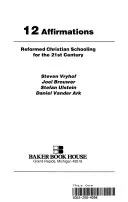
The Nostradamus Prophecy
 83
83

The Nostradamus Prophecy
Breslin's "The Nostradamus Prophecy" attempts to humanize the enigmatic seer, placing him not just as a prophet but as a man burdened by foresight. The portrayal of Catherine de' Medici's cautious belief offers a compelling counterpoint to the young king’s dismissal, grounding the mystical elements in political reality. A particularly effective passage involves Nostradamus entrusting Melisande with his visions, framing her as a reluctant inheritor of significant, potentially dangerous, knowledge. While the narrative successfully evokes the period and the atmosphere surrounding prophecy, its pacing occasionally falters, particularly in the middle sections, which could benefit from tighter plotting. Nevertheless, Breslin captures the underlying anxiety and fascination that surrounded prophetic figures in the 16th century. The book serves as an accessible entry point into the lore surrounding Nostradamus, blending historical settings with supernatural intrigue.
📝 Description
83
### What It Is Theresa Breslin's "The Nostradamus Prophecy" offers a fictionalized account of the renowned 16th-century seer Michel de Nostredame. The narrative centers on his pronouncements to the French court, specifically King Charles IX and his mother, Catherine de' Medici, who harbors a belief in his prophetic abilities. The story extends beyond the royal sphere to encompass a young minstrel's daughter, Melisande, whom Nostradamus perceives as fated to play a role in his prophecies.
### Who It's For This book is for readers interested in historical fiction interwoven with elements of prophecy and fate. It will appeal to those fascinated by the life and alleged powers of Nostradamus, as well as individuals drawn to narratives exploring destiny, hidden connections, and the intersection of the mundane and the mystical. Those who enjoy stories set in royal courts with underlying currents of intrigue and foreboding will find it engaging.
### Historical Context The novel is set against the backdrop of 16th-century France, a period marked by religious turmoil and the significant influence of figures like Nostradamus. His quatrains, first published in 1555, gained considerable attention, influencing perceptions of royal succession and future events. The court of Catherine de' Medici, known for her interest in astrology and the occult, provides a rich setting for exploring the power and perception of prophecy during the Renaissance.
### Key Concepts The work engages with the concept of preordaination, suggesting that certain individuals are bound by fate to fulfill specific roles, as seen in the connection between Nostradamus and Melisande. It explores the tension between skepticism, as displayed by King Charles, and belief, embodied by Catherine de' Medici, regarding prophetic visions. The narrative also touches upon the idea of legacy and the safeguarding of esoteric knowledge, with Nostradamus entrusting vital information to Melisande.
💡 Why Read This Book?
• Gain insight into the historical fascination with prophecy, learning about Nostradamus's influence during the French Renaissance and the court of Catherine de' Medici in the 16th century. • Explore the concept of predestination through the fated connection between Nostradamus and Melisande, a minstrel's daughter tasked with safeguarding his visions. • Experience a fictionalized account of a historical figure, appreciating how Breslin interprets the seer's pronouncements and their impact on royal courts and ordinary lives.
⭐ Reader Reviews
Honest opinions from readers who have explored this book.
❓ Frequently Asked Questions
Is "The Nostradamus Prophecy" based on real historical events?
The novel is fictionalized but set against the historical backdrop of 16th-century France and the real figure of Nostradamus, whose prophecies were first published in 1555 and influenced contemporary belief.
Who was Nostradamus and why is he famous?
Nostradamus, born Michel de Nostredame, was a French astrologer and physician who gained fame for his book "Les Prophéties," published in 1555, containing collections of quatrains believed by some to accurately predict future events.
What is the significance of Catherine de' Medici in the book?
Catherine de' Medici, mother of King Charles IX, is depicted as a figure who takes Nostradamus's prophecies seriously, contrasting with her son's skepticism. Her belief highlights the influence and perceived power of seers in the French court.
Does the book involve actual prophecies from Nostradamus?
The book uses the premise of Nostradamus's prophecies as a central plot device, imagining his interactions and the implications of his visions for characters like Melisande and the royal family.
What historical period does "The Nostradamus Prophecy" cover?
The story is set in the 16th century, during the reign of King Charles IX of France, and explores the atmosphere and beliefs prevalent during the Renaissance regarding astrology and prophecy.
Is Melisande a real historical figure associated with Nostradamus?
Melisande is a fictional character created by Theresa Breslin for the novel. She serves as a narrative link between the seer and the reader, embodying a personal connection to the prophecies.
🔮 Key Themes & Symbolism
Fate and Predestination
The narrative deeply explores the concept of individuals being bound by fate, particularly through the relationship Nostradamus perceives between himself and Melisande. This theme questions free will versus preordained destiny, suggesting that certain encounters and tasks are inevitable, regardless of the characters' desires. The entrustment of prophecies to Melisande highlights a fated handover of knowledge and responsibility, implying a cosmic design at play.
Belief vs. Skepticism
A central tension revolves around the reception of prophecy. While King Charles IX dismisses Nostradamus's pronouncements, his mother, Catherine de' Medici, exhibits a cautious belief, reflecting the divided attitudes towards such figures in the 16th century. This dynamic explores how power, politics, and personal conviction shape the interpretation and acceptance of foresight and the supernatural.
The Burden of Foresight
The book positions Nostradamus not merely as a predictor but as an individual burdened by his visions. The act of sharing his prophecies, especially with a young girl like Melisande, underscores the weight of knowing future calamities and the difficult choices involved in revealing or concealing such knowledge. It touches on the isolation that can accompany extraordinary perception.
Legacy and Knowledge Transfer
The entrustment of "very special par[cels]" to Melisande signifies a critical moment of legacy transfer. Nostradamus seeks to ensure his knowledge or warnings survive him, choosing an unlikely recipient. This theme examines how vital information or esoteric understanding is passed down through generations, often through unconventional channels, ensuring continuity beyond an individual's lifespan.
💬 Memorable Quotes
Direct passages from the work, attributed to the author.
“His mother, Catherine de' Medici, pays more heed - she believes that Nostradamus can truly see the future.”
— This highlights the contrasting views within the French court regarding Nostradamus's abilities. Catherine's belief positions her as more attuned to the esoteric or perhaps more politically astute in leveraging perceived foresight.
“he also has a message for Melisande, the minstrel's daughter, who he believes is linked with him by Fate.”
— This points to the narrative's core theme of predestination, suggesting an inevitable connection between the famous seer and an ordinary girl, elevating her role beyond mere happenstance.
“Nostradamus proclaims to the French court his prophecy of a great massacre, the young King Charles only laughs.”
— This establishes the initial conflict and skepticism surrounding Nostradamus's pronouncements, contrasting the gravity of his message with the youthful indifference of the monarch.
“And as the Angel of Death approaches, Nostradamus entrusts to her safekeeping some very special par[cels]”
— This suggests a climactic moment where Nostradamus, facing his own mortality, delegates the responsibility of protecting crucial elements of his legacy to Melisande.
“But the great soothsayer's prophecies are not only for those who rule”
— This statement broadens the scope of Nostradamus's influence, indicating that his visions and messages have relevance and impact beyond the royal elite, extending to common individuals like Melisande.
🌙 Esoteric Significance
Tradition
The work engages with the Western esoteric tradition, specifically focusing on the practice of prophecy and divination as understood in the Renaissance. While Nostradamus himself drew from various sources, including astrology and Kabbalistic numerology, Breslin's novel interprets his role within a narrative framework that emphasizes fate and hidden connections, aligning with a broader Hermetic interest in understanding cosmic order and human destiny.
Symbolism
The primary symbolic element is Nostradamus himself, representing the archetype of the seer burdened by knowledge. Melisande symbolizes the unexpected vessel of wisdom, representing the common person touched by profound destiny. The 'special parcels' entrusted to her act as symbols of esoteric legacy, representing prophecies, hidden truths, or knowledge requiring protection and eventual revelation, hinting at the continuity of mystical insight.
Modern Relevance
Contemporary interest in Nostradamus persists, with his prophecies continually reinterpreted in light of current events. Modern practitioners of astrology, numerology, and divination may find resonance in the book's portrayal of a seer grappling with foresight. Furthermore, the narrative's exploration of fate and the intersection of the mystical with political power speaks to ongoing discussions in comparative religion and the study of historical belief systems.
👥 Who Should Read This Book
• Historical fiction enthusiasts interested in the Renaissance period and figures like Nostradamus, appreciating a narrative that blends fact with imaginative storytelling. • Readers drawn to themes of destiny, prophecy, and the supernatural, seeking stories where hidden forces influence human lives and royal courts. • Aspiring students of esoteric history who want an accessible fictional entry point into the world of 16th-century prophecy and its cultural impact, particularly concerning Catherine de' Medici's court.
📜 Historical Context
Theresa Breslin's "The Nostradamus Prophecy" is firmly rooted in 16th-century France, a period of significant upheaval and intellectual ferment during the Renaissance. Michel de Nostredame, known as Nostradamus, published his collection of quatrains, "Les Prophéties," in 1555, quickly garnering attention across Europe. His predictions were interpreted by many, including members of royal courts, as genuine glimpses into the future. The novel specifically situates itself within the court of King Charles IX, influenced by his mother, Catherine de' Medici. Catherine, a patron of arts and sciences and known for her interest in astrology, provides a credible figure who would engage with a seer like Nostradamus. This era saw a complex interplay between burgeoning humanism and persistent medieval beliefs in divination and the occult. While Nostradamus's work was widely circulated, it also faced scrutiny and skepticism, a dynamic reflected in the novel's portrayal of the king's reaction versus the queen's. The intellectual currents of the time were a mix of rational inquiry and a deep-seated fascination with the mystical, making the reception of Nostradamus's prophecies a reflection of broader societal attitudes.
📔 Journal Prompts
The perceived link between Nostradamus and Melisande by Fate.
Catherine de' Medici's belief versus King Charles's skepticism regarding prophecy.
The burden Nostradamus carries due to his foresight.
The significance of entrusting "special parcels" to Melisande.
Reflections on the role of prophecy in historical royal courts.
🗂️ Glossary
Nostradamus
Michel de Nostredame (1503-1566), a French astrologer, physician, and reputed seer, famous for his book "Les Prophéties," a collection of quatrains purported to predict future events.
Catherine de' Medici
Queen consort of France from 1547 to 1559 and regent from 1560 to 1563. Known for her interest in astrology and the occult, she was a significant figure in the French Renaissance court.
King Charles IX
King of France from 1560 to 1574. The novel depicts him as skeptical of Nostradamus's prophetic abilities during his reign.
Quatrains
Four-line stanzas, the form in which Nostradamus wrote his prophecies. These verses are often cryptic and open to multiple interpretations.
Minstrel's daughter
Refers to Melisande's social standing within the narrative, positioning her as an ordinary individual unexpectedly drawn into the sphere of royal intrigue and prophetic destiny.
Angel of Death
A symbolic representation of mortality or an impending end, often appearing in contexts related to prophecy and the passage of life.
Fate
A supernatural power or principle that predetermines events. The novel explores how characters perceive and interact with their perceived destiny.
This book appears in 1 collection
🔮 Readers Also Liked
Browse all →








From the “Nostradamus” Collection
View all →




More Free Occult Philosophy Books
View all →